
Fast, reliable pest control from Hernando County’s most trusted family-owned team—with most quotes given over the phone.
Contact Info
Fast, reliable pest control from Hernando County’s most trusted family-owned team—with most quotes given over the phone.
Contact Info
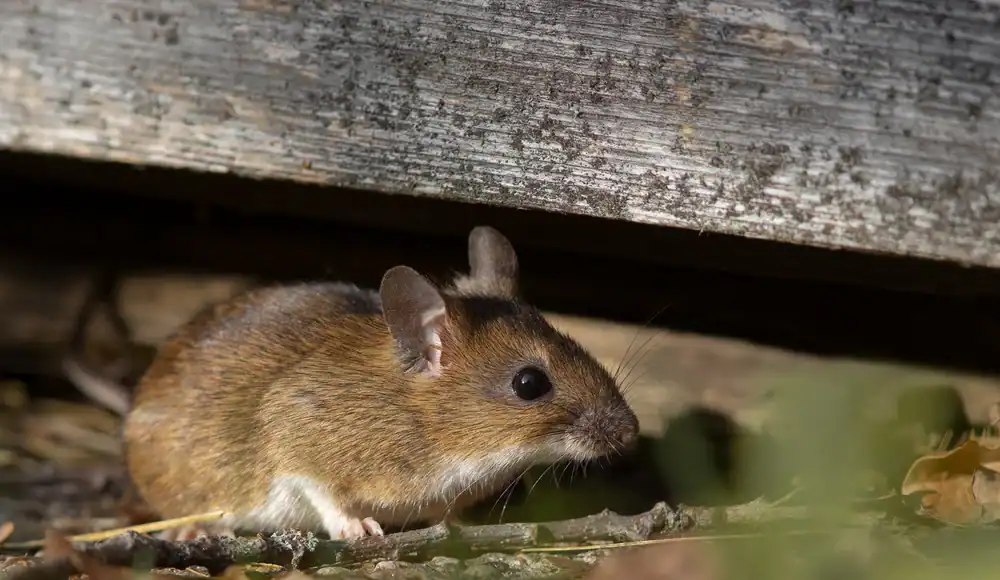

The obvious benefit is silence — no more lying awake at 2 a.m. listening to something move around above your ceiling. But the real win goes deeper than that. Once the colony is removed and the entry points are sealed, you’re protecting insulation that hasn’t been contaminated further, wiring that hasn’t been chewed through, and air quality that isn’t being pulled through rodent-soiled material every time your HVAC kicks on.
That last part matters more than most people realize. Bayonet Point summers push attic temperatures past 130 degrees. When your air conditioning draws air through an attic full of rodent droppings and urine, those particulates don’t stay up there. They move through your system and into the rooms where you actually live. Getting the rodents out and the contamination addressed isn’t just about comfort — it’s about what you’re breathing every day.
For homeowners in Palm Terrace Gardens and Palm Terrace Estates, where most of the housing stock is 50 to 60 years old, there’s another layer to this. Older soffits, aging fascia boards, and original roof vents have had decades to develop the kinds of gaps that roof rats only need half an inch to exploit. Solving the problem means finding every one of those gaps — not just removing what’s already inside.
Around The Clock Pest Service is a family-owned operation based in Hernando County, serving Bayonet Point and surrounding Pasco County communities as part of our established territory. Every call goes directly to the owner — not a call center, not a scheduling queue. If you call on a Saturday evening after hearing something in your attic, someone who actually knows this area picks up.
That matters here specifically. Bayonet Point’s mix of midcentury ranch homes, manufactured housing communities, and coastal proximity to Werner-Boyce creates rodent pressure that a national franchise rotating technicians through the area isn’t going to address with the same depth. We hold multiple FDACS structural pest control licenses valid through 2027, carry a BBB A+ rating, and have over 100 verified five-star Google reviews from real customers in the local area. Special pricing is available for new homeowners and military families in Bayonet Point — no hoops, just ask on the first call.
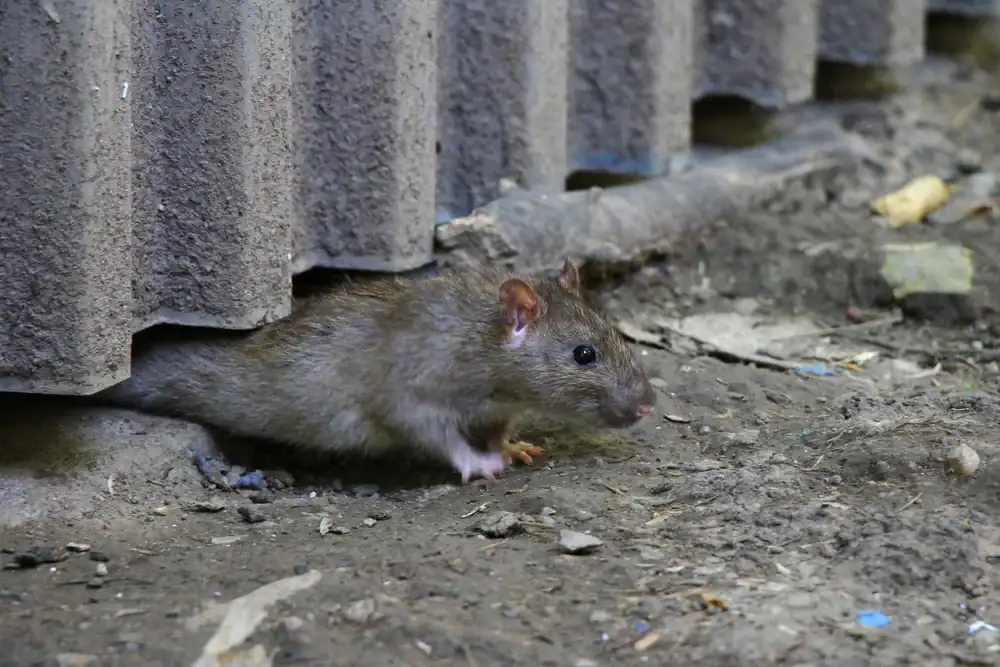
It starts with a thorough inspection. Not a quick walkthrough — an actual assessment of your attic, crawl space, roofline, soffits, and any utility penetrations where rodents are most likely entering. In Bayonet Point’s older housing stock, that inspection goes beyond the obvious spots. Homes built in the 1960s and 70s have construction details that create vulnerabilities in places a less experienced eye would miss.
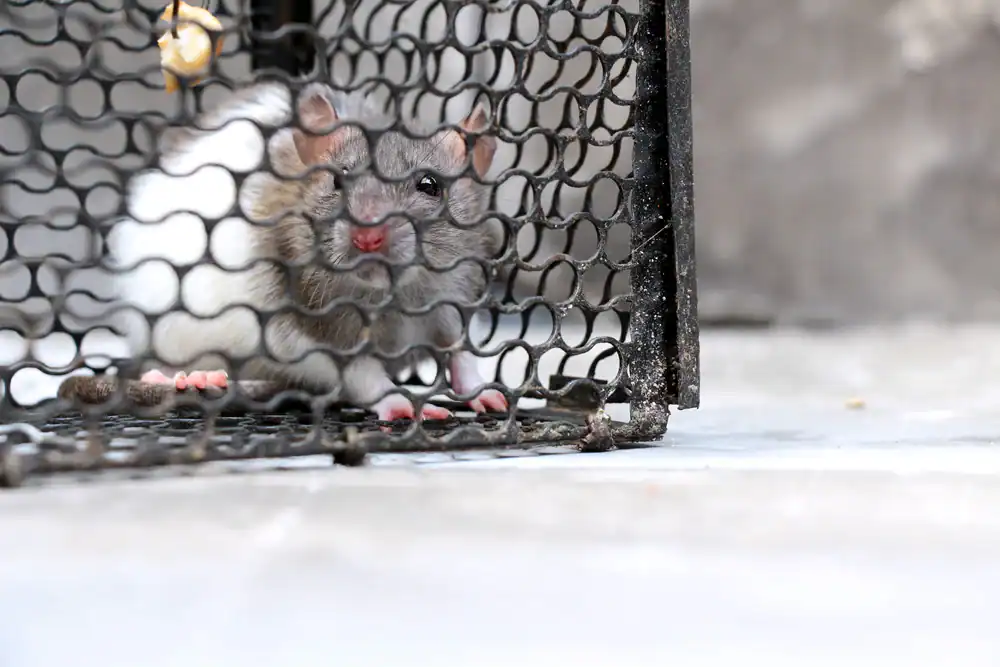
From there, we place professional-grade mechanical traps in the areas where activity is confirmed. We use traps, not rodenticide bait stations. That’s a deliberate choice — not a limitation. Poison bait kills rodents that then die inside wall cavities, creating odor problems that can last weeks. It also creates real secondary poisoning risk for pets that come into contact with a dead or dying rodent. Traps eliminate both problems.
Once the colony is removed, the focus shifts to two things: sanitizing the contaminated areas — particularly attic insulation that has absorbed urine and droppings — and identifying every entry point so they can be sealed. That last step is what separates a real fix from a temporary one. If the gaps that let them in are still open, the next family of roof rats from the park will find them. Florida’s year-round climate means there’s no off-season for this — which is exactly why exclusion is part of the process, not an add-on.
Ready to get started?
Rodent control in Bayonet Point, FL isn’t a single visit with a trap and a handshake. What we provide is an end-to-end process: inspection, trap placement, colony removal, scent trail sanitization, attic decontamination, and full entry point identification. Each piece matters, and skipping any one of them is how problems come back.
The attic decontamination piece is worth understanding specifically. Roof rats don’t just nest in your attic — they use it as a bathroom. Urine soaks into insulation over time, and droppings accumulate in ways that aren’t always visible from the access hatch. Beyond the smell, contaminated insulation carries real health risks — leptospirosis, murine typhus, and hantavirus are all documented in Florida roof rat populations. Decontamination removes that risk and restores the attic to a condition that’s actually safe.
For residents in Bayonet Point’s manufactured home communities, the service also accounts for the specific access patterns those structures create — skirting panels, crawl space configurations, and lower-clearance undercarriage areas that require a different inspection approach than a site-built ranch home. All work is performed under Florida Department of Agriculture and Consumer Services licensing, Chapter 482, which governs structural pest control in Pasco County. You can verify our license before you ever call.
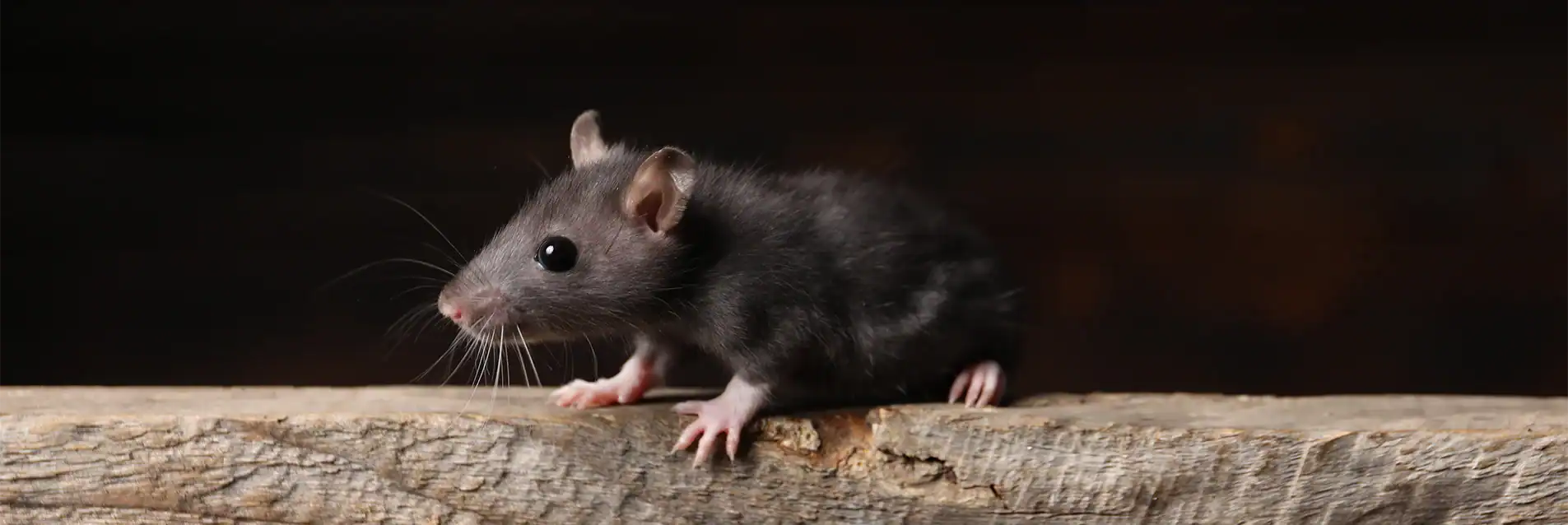
Roof rats only need a gap about the size of a quarter — roughly half an inch — to squeeze through. In Bayonet Point’s midcentury housing stock, those gaps are common and often invisible without a trained inspection. Fascia boards warp after decades of Florida humidity. Soffits develop cracks. The foam or caulk around utility line penetrations dries out and shrinks. Original roof vents from the 1960s and 70s weren’t built to the same exclusion standards as modern construction, and after 50-plus years, many have gaps that weren’t there when the home was new.
The entry points roof rats use most often are elevated — near the roofline, at soffit-fascia junctions, and around any penetration where a wire, pipe, or HVAC line enters the structure. They access those spots by traveling along tree branches, utility lines, and fence tops. In neighborhoods like Palm Terrace Gardens, where mature trees and palm canopies are common, there’s no shortage of routes to your roofline. A professional inspection identifies exactly where they’re getting in — which is the only way to actually stop the cycle.
The honest answer is that rodenticide bait stations carry real risk in a home with pets — and it’s not a small or theoretical risk. When a rat or mouse ingests a bait station poison, it doesn’t die immediately. It slows down over hours or days, which makes it easier for a dog or cat to catch and eat. When that happens, the toxin transfers. Depending on the rodenticide used, secondary poisoning in pets can cause internal bleeding, neurological symptoms, or death — and it’s documented often enough that veterinary toxicology centers track it as a significant source of pet poisonings in Florida.
We use professional-grade mechanical traps instead of rodenticides. There’s no poison in your home, no risk of secondary exposure to your animals, and no dead rat decomposing inside a wall cavity because it crawled somewhere inaccessible after ingesting bait. For Bayonet Point residents — where a large portion of the community keeps dogs and cats as daily companions — this approach isn’t just a preference. It’s the responsible one.
The most common first sign is sound — scratching, scurrying, or rolling noises coming from the attic or ceiling, usually at night. Roof rats are nocturnal, so the activity you hear after dark is typically peak movement. What most homeowners don’t realize is that by the time they’re hearing consistent noise, there’s almost never just one rodent. A roof rat colony in a Florida attic typically runs between 5 and 15 individuals, and they reproduce quickly in a climate that offers no cold-season slowdown.
Beyond sound, look for droppings — small, dark, and spindle-shaped — near wall edges, in cabinets, or in the attic if you have access. Gnaw marks on wood, wiring insulation, or food packaging are another clear indicator. You may also notice a musty or ammonia-like odor, particularly in rooms below the attic, which comes from accumulated urine soaking into insulation over time. Grease marks along baseboards or walls — left by the oils in a rodent’s fur — are a sign of established travel routes. If you’re seeing or smelling any combination of these in your Bayonet Point home, the infestation is likely further along than it looks.
For most residential jobs in the Bayonet Point area, professional rodent removal runs somewhere between $200 and $700 depending on the size of the infestation, the number of trapping visits required, and the complexity of the inspection. Attic decontamination, if the contamination is significant, typically adds $600 to $1,000 on top of that. Those numbers sound like a lot until you compare them to what an untreated infestation costs — chewed electrical wiring alone can run into the thousands, and full attic insulation replacement after heavy contamination is a significant expense that most standard homeowners insurance policies explicitly exclude.
We provide most quotes over the phone on the first call, so you’re not waiting for a sales visit before you know what you’re looking at. The goal is to give you a real, honest number quickly — not to get a foot in the door and upsell you through the process. If you’re on a fixed income or working within a budget, that transparency matters, and it’s available before you commit to anything.
They can come back — but only if the entry points that let them in the first time are still open. That’s why exclusion is the most important part of any professional rodent control process. Removing the existing colony without sealing the gaps is like bailing out a boat without plugging the hole. In Bayonet Point specifically, the pressure doesn’t stop when the treatment ends. Werner-Boyce Salt Springs State Park covers 4,000 acres of coastal wetland habitat on the community’s western edge, and the roof rat population there doesn’t disappear. The palm trees and vegetation throughout residential neighborhoods provide continuous travel routes from that habitat to your roofline.
What prevents recurrence is a combination of sealed entry points, reduced harborage around the structure — trimmed branches that overhang the roof, cleared dense vegetation near the foundation — and periodic monitoring. Our inspection process identifies every confirmed and potential entry point, and the exclusion work addresses them directly. For homes in Bayonet Point’s older neighborhoods, that inspection is especially thorough because the construction details of 1960s and 70s ranch homes create more potential vulnerabilities than newer builds.
Yes — we offer a discount specifically for new homeowners, and it’s relevant to Bayonet Point for a straightforward reason. A significant portion of the homes selling in this community are midcentury ranch properties in Palm Terrace Gardens, Palm Terrace Estates, and surrounding neighborhoods. These homes are affordable, well-located, and full of character — and they also come with 50 to 60 years of aging construction that frequently includes the kinds of gaps, worn soffits, and deteriorated vents that roof rats exploit. Discovering a rodent problem after closing is genuinely common here, and it’s one of the more stressful surprises a new homeowner can face.
The discount exists because that situation deserves a fair start, not a full-price bill on top of everything else that comes with buying a home. If you’ve recently purchased in Bayonet Point and found evidence of rodent activity — droppings, sounds, damage — call and mention it on the first call. You’ll get a real quote over the phone, an honest assessment of what you’re dealing with, and pricing that accounts for where you are in the process. Military families are also eligible for a separate discount — same deal, just ask when you call.
Other Services we provide in Bayonet Point