
Fast, reliable pest control from Hernando County’s most trusted family-owned team—with most quotes given over the phone.
Contact Info
Fast, reliable pest control from Hernando County’s most trusted family-owned team—with most quotes given over the phone.
Contact Info
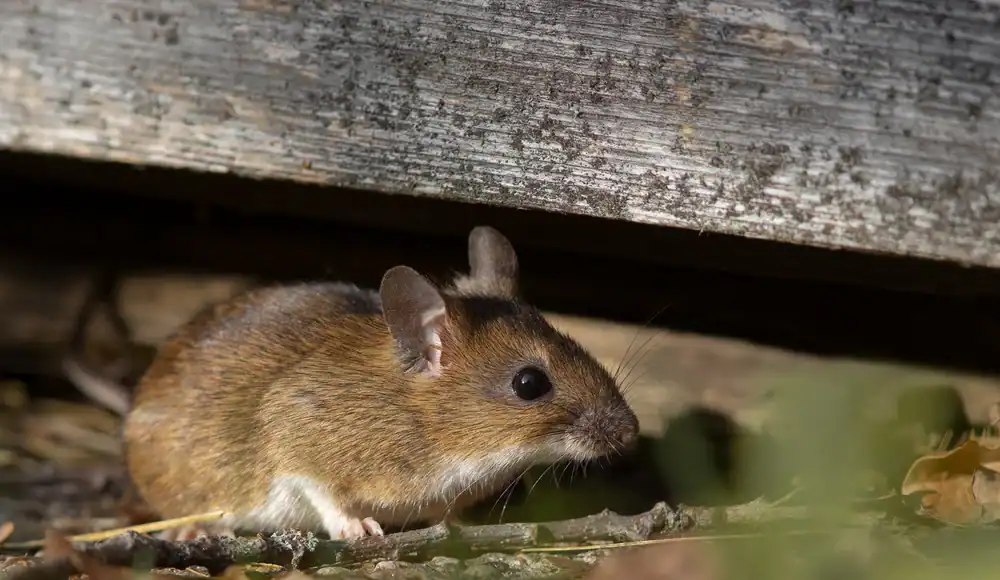
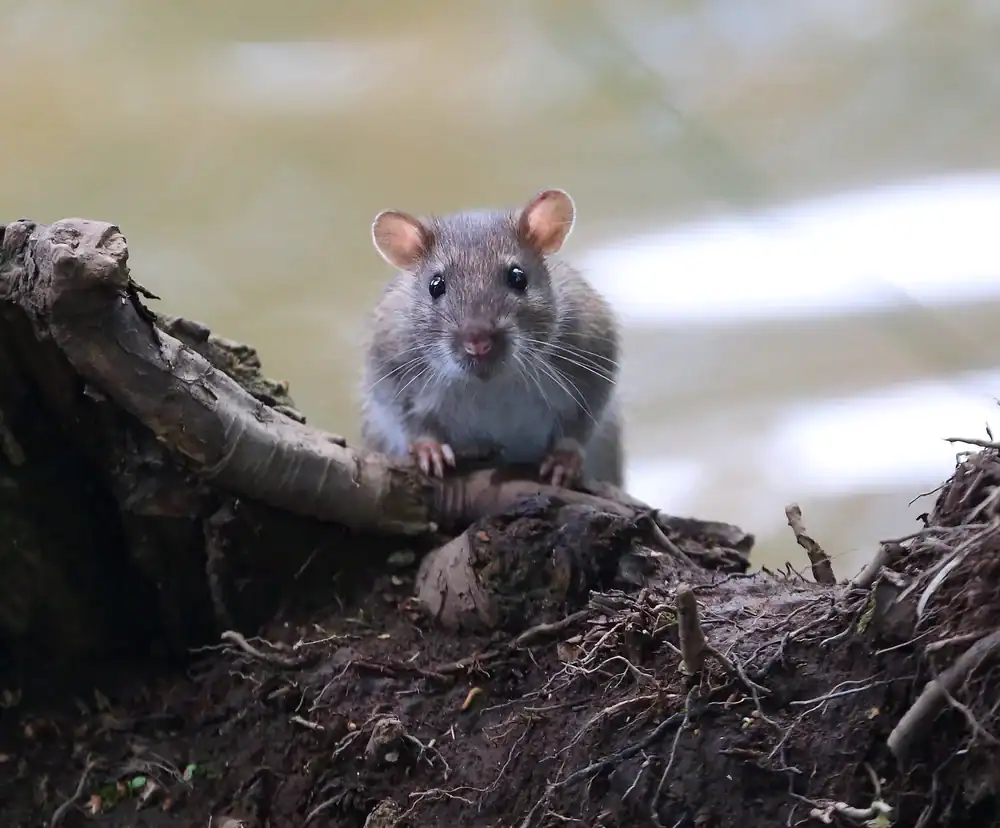
The scratching stops. The smell that’s been creeping into your living space through the vents finally clears. You stop wondering whether the wiring in your attic is being chewed through right now. That’s what a real resolution looks like — not just fewer rats, but a home that isn’t being actively damaged and contaminated while you sleep.
For Holiday homeowners specifically, that outcome is harder to reach than it sounds. Nearly one in four homes in this community sits vacant, and those empty properties don’t maintain themselves — they become staging grounds for roof rat colonies that forage outward into occupied homes on the same street. Your neighbors’ vacant house isn’t your fault, but it is your problem. Getting rodents out of your home is step one. Making your home resistant to the constant reinfestation pressure coming from the surrounding neighborhood is what actually keeps them out.
The housing stock in Holiday makes this more complicated too. Most homes were built between the 1960s and 1990s, and fifty years of Florida humidity does real damage to soffits, fascia boards, roof vents, and utility penetrations. Those are the entry points roof rats use — and in a home this age, there are usually more of them than the homeowner realizes. Attic rodent decontamination in Holiday matters just as much as the removal itself, because rodent urine leaves behind chemical scent trails that guide new animals in long after the original colony is gone.
We’re a family-owned business serving Pasco County and the surrounding Gulf Coast communities. When you call, the owner answers — not a dispatcher, not a call center, not a rotating roster of franchise technicians. The same person who picks up the phone is the one who shows up, does the inspection, and is accountable for the outcome.
That matters more in Holiday than it might somewhere else. This is a working-class town where people are careful with their money and have long memories about which companies treated them right. The large veteran population here, the retirees on fixed incomes, the homeowners who’ve been in the same house for decades — they don’t want to be handed off. They want someone who knows what a 1975 home near the Anclote River corridor looks like and what that means for rodent pressure.
Our credentials are real and verifiable: BBB A+ rating, FDACS licensure through 2027 under Florida’s Chapter 482, and over 100 five-star Google reviews from actual customers in Hernando and Pasco County. We offer military discounts and new homeowner discounts — not as a promotion, but because those are the people we were built to serve.
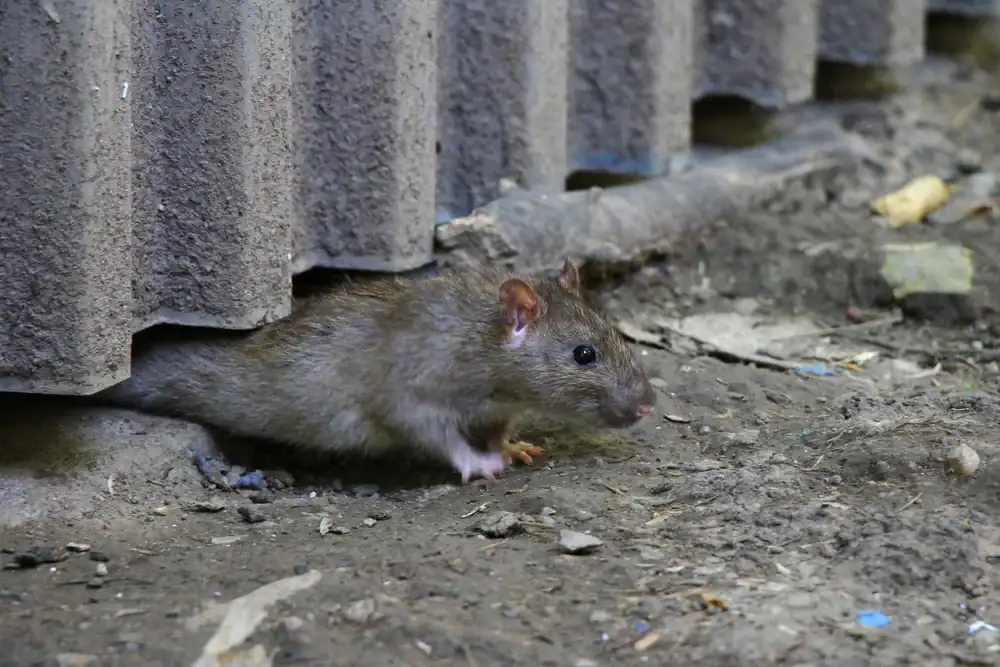
It starts with a thorough inspection — every soffit, every roof vent, every utility penetration, every place a roof rat could have used to get inside. In Holiday’s older housing stock, that list is almost always longer than expected. We communicate the inspection findings directly to you so you know exactly what you’re dealing with, not just what was found in the attic.
From there, we place professional-grade mechanical traps at the active points of entry and movement. We use traps, not rodenticide bait stations — which means no poisoned rats dying inside your wall cavities, and no secondary poisoning risk to your dogs or cats. This isn’t a minor detail in a community where most households have pets and older homes have plenty of wall voids for a sick animal to disappear into.
Once the colony is removed, we sanitize the contaminated areas and eliminate the scent trails. This step is what most companies skip, and it’s why so many Holiday homeowners end up calling a second time. Roof rats navigate by smell. If the urine trails from the previous colony are still present, the next wave of animals — coming from the vacant property two doors down, or from the palm trees overhanging your roofline — will follow the same path right back in. Attic rodent decontamination in Holiday is not an upsell. It’s the part that makes the removal stick. After that, we document every entry point identified during the inspection and communicate it to you so you can make informed decisions about any structural repairs needed to close them off permanently.
Ready to get started?
Our rodent control service in Holiday covers the full scope of the problem: inspection, trapping, removal, and decontamination. The inspection documents every viable entry point on the property — with particular attention to the structural vulnerabilities that are common in Pasco County homes built before 1990. Deteriorated soffits, failed roof vent covers, aging fascia boards, and unsealed utility line penetrations are the usual suspects, and we identify and communicate them to you in plain language.
Our removal process uses mechanical traps exclusively. No bait stations, no rodenticide, no risk of a poisoned animal ending up inside a wall or being eaten by your pets or the neighborhood wildlife. After removal, we sanitize the contaminated areas and eliminate the scent trails that would otherwise guide new rodents in. For homes near the Anclote River corridor or in neighborhoods like Holiday Lake Estates, Gulf Trace, or Beacon Square — where the combination of coastal vegetation, mature palms, and nearby vacant properties creates persistent reinfestation pressure — this decontamination step is especially important.
Rodent proofing for homes in Holiday is also part of the conversation. We identify every structural vulnerability during the inspection and provide a full documented report. We do not perform structural repairs, but you’ll have a clear, specific list of what needs to be addressed and where — so you can work with a contractor from a position of actual knowledge rather than guesswork. We offer quarterly prevention programs for homeowners who want ongoing monitoring, which is a practical consideration in a neighborhood where the source of reinfestation pressure isn’t always on your own property.
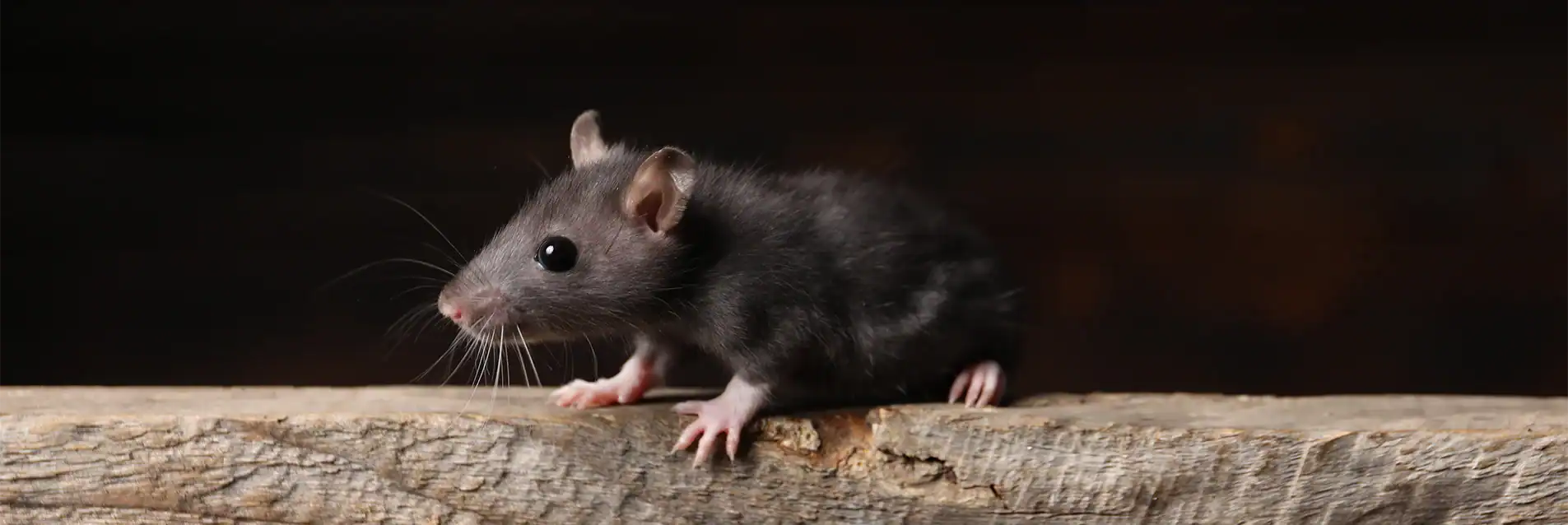
Roof rats are nocturnal, which is why the scratching almost always starts after dark. They’re active at night — foraging, moving through wall cavities, and communicating within the colony. If you’re hearing it consistently, you’re almost certainly dealing with an established group, not a single stray animal that wandered in.
In Holiday specifically, the combination of mature palm trees, citrus trees, and older rooflines creates near-ideal conditions for roof rat colonies. These animals nest in palm fronds, use overhanging branches as bridges onto rooftops, and enter through gaps in soffits and roof vents that have deteriorated over decades. A home built in the 1970s or 1980s near the Anclote River corridor or in a neighborhood like Gulf Trace or Orangewood Village will typically have multiple viable entry points by now — more than most homeowners realize until an inspection is done. The scratching you’re hearing at night is the symptom. The entry points and the scent trails left behind are the actual problem that needs to be addressed.
It’s a real risk, and it’s one that’s worth taking seriously rather than dismissing. Rodenticide bait stations work by making the rodent bleed internally — and any animal that eats a poisoned rodent, whether that’s your dog, your cat, or a hawk from the Anclote Gulf area, is exposed to the same compound. This is called secondary poisoning, and it happens more often than most people realize.
There’s also a second problem specific to older homes: when a rat consumes poison and retreats into a wall cavity to die, it decomposes there. In a home with tight wall voids and limited airflow — which describes most of Holiday’s mid-century housing stock — that smell can persist for weeks and is extremely difficult to locate and address without opening walls. We use professional-grade mechanical traps exclusively for rat control and removal in Holiday. The animal is contained at the trap, removed from the property, and there’s no poison left behind in your home or in the food chain. If you have pets, this isn’t just a preference — it’s the approach that eliminates the risk entirely.
If there has been an active rodent colony in your attic, decontamination is not optional — it’s what determines whether the problem stays solved. Roof rats leave behind urine, feces, and nesting material, and the urine in particular contains pheromones that function as a chemical trail for other rodents. Even after every rat in the current colony has been removed, those scent trails remain active and will guide new animals into the same space. In a neighborhood like Holiday, where vacant properties and the Anclote River corridor create continuous reinfestation pressure, skipping decontamination is one of the main reasons homeowners end up calling a second time.
The process involves sanitizing the contaminated areas, neutralizing the biological residue, and eliminating the scent trails that would otherwise remain. In homes where the HVAC ductwork runs through a contaminated attic — which is common in Holiday’s older housing stock — this also addresses an indoor air quality issue. Florida’s summer heat activates rodent waste in attic insulation, and that contaminated air can be pulled through duct penetrations into your living space. Attic rodent decontamination in Holiday is part of what we include in a full rodent control service, not an add-on you have to negotiate for.
Roof rats need a gap no larger than half an inch to enter a structure — about the size of a quarter. In Holiday’s housing stock, where the majority of homes were built between 1960 and 1999, that size gap is not hard to find. The most common entry points are deteriorated soffits and fascia boards, failed or missing roof vent covers, gaps around utility line penetrations where plumbing or electrical enters the structure, and open eave gaps where rooflines meet exterior walls.
What makes Holiday specifically vulnerable is the combination of aging structural materials and the access routes that the local landscape provides. Roof rats are excellent climbers — they use the fronds of cabbage palms and queen palms as nesting sites and travel along overhanging branches to reach rooflines directly. Citrus trees in the yard provide a food source that keeps colonies established close to the home. The Anclote River riparian corridor replenishes local rat populations continuously, which means that even after a successful removal, new animals are always nearby looking for the next available entry point. Identifying and documenting every structural vulnerability during the inspection is exactly why that step matters as much as the trapping itself.
Yes, and it’s one of the more underappreciated drivers of new infestations in this area. When Tropical Storm Debby caused flooding in Holiday Lake Estates and surrounding low-lying areas in 2024, it didn’t just damage structures — it displaced entire rodent colonies from their established harborage. Flooded ground burrows, saturated vegetation, and inundated crawl spaces push rodents upward and outward in search of dry shelter, and the nearest available attic or wall cavity becomes the destination.
Post-storm periods consistently produce a spike in rodent infestation reports, and the Gulf Coast location of Holiday means this is a recurring pattern tied to tropical weather events, not a one-time situation. If your home was in or near a flooded area — whether from Debby in 2024 or any prior storm event — and you’ve noticed sounds, odors, or other evidence of rodent infestation in Holiday since then, the timing is not a coincidence. A post-flooding inspection and treatment addresses both the displaced colony that may have moved in and the structural vulnerabilities that allowed entry in the first place.
Yes — and in Holiday, both of those groups represent a meaningful share of the community. With nearly 2,900 veterans living in the area, many of them on fixed or retirement incomes, we offer a military discount as a direct acknowledgment of that. It’s not a token offer. It’s a reflection of who lives here and what we believe about how those homeowners should be treated.
The new homeowner discount exists for a specific reason that’s especially relevant in Holiday. Older homes change hands here regularly, and the previous owner’s rodent history doesn’t always come up in the transaction. A home built in 1978 in Beacon Square or Colonial Hills may have had prior infestations, compromised entry points, or contaminated attic insulation that a new owner inherits without knowing it. Getting a rodent inspection early — before a problem becomes an established colony — is the most cost-effective version of this service. The discount makes that easier to do right away rather than waiting until the scratching starts at 2 a.m. Both discounts are applied directly and discussed transparently when you call, with no conditions buried in the fine print.