Fast, reliable pest control from Hernando County’s most trusted family-owned team—with most quotes given over the phone.
Contact Info
Fast, reliable pest control from Hernando County’s most trusted family-owned team—with most quotes given over the phone.
Contact Info
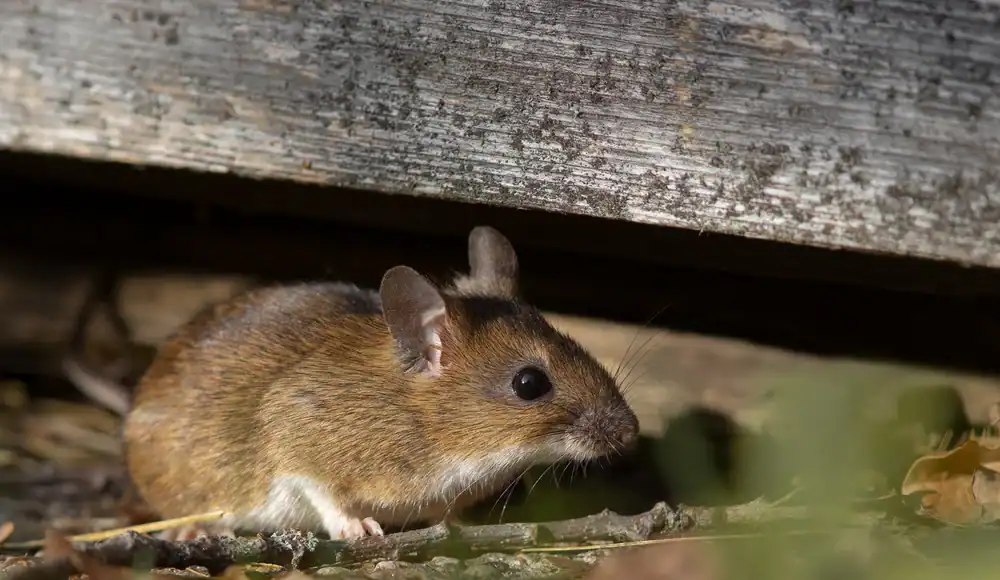
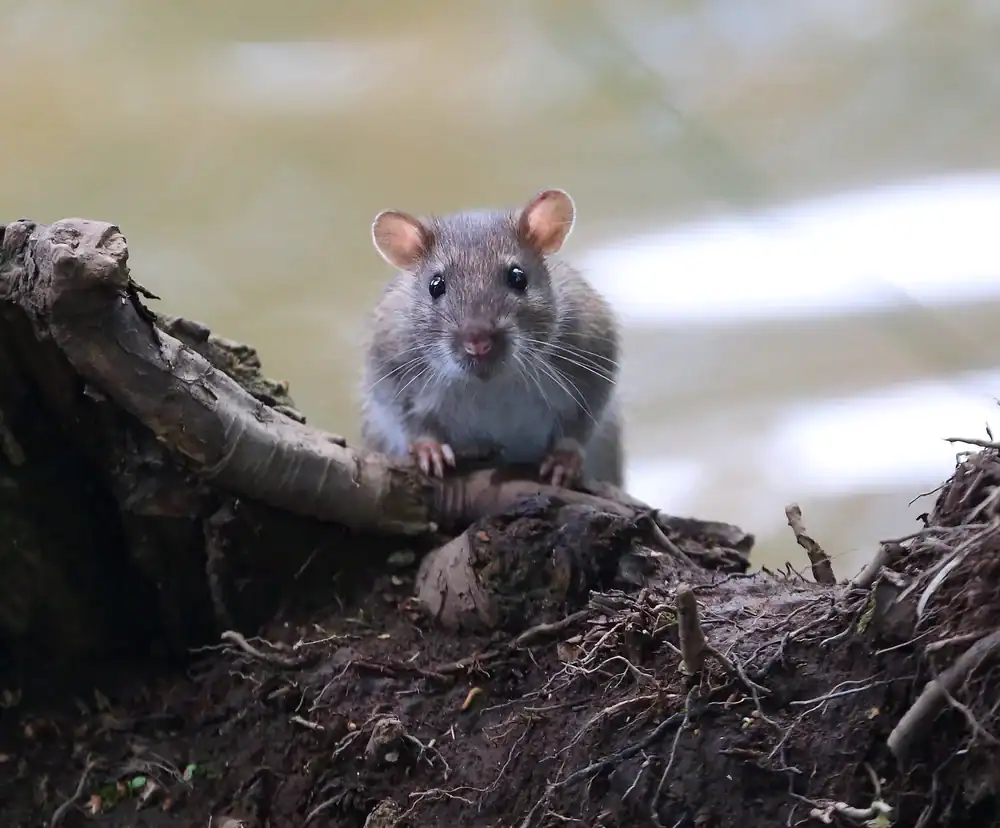
The scratching in the attic is one problem. The bigger one is what happens if you wait. Roof rats breed year-round in Florida’s climate — no cold winter hits the reset button here. A small colony that moves in during fall will still be there in spring, just larger. In North Brooksville, where mature oaks along the Brooksville Ridge give roof rats a direct path from the canopy to your roofline, the pressure doesn’t let up on its own.
What changes after professional rodent control isn’t just the noise at night. It’s the air quality in your home. Contaminated attic insulation, when heated by a Florida summer, pushes volatilized particles through your HVAC system into the rooms where your family lives. Our attic rodent decontamination service in North Brooksville removes that contaminated material so the health risk ends with the infestation — not months later when the heat does its work.
And because the housing stock here is primarily older construction — homes built between the 1940s and 1990s — entry points are rarely obvious. Gaps around utility lines, worn soffits, aging roof vents: every one of those is an open door. The outcome you’re actually paying for isn’t just trap placement. It’s a home that rodents can no longer access, combined with a clear record of every vulnerability we found so nothing gets missed.
Around The Clock Pest Service is a family-owned, owner-operated business serving North Brooksville, Hernando County, and the surrounding area. This isn’t a franchise that mapped North Brooksville as a serviceable ZIP code. We’re a local business that knows this county — the forest-edge pest pressure along Croom Road, the older housing stock near Chinsegut Hill, the mobile home communities with underbelly entry points that most general pest companies aren’t prepared to assess properly.
When you call, the owner answers. Not a dispatcher, not a call center — the owner. That means the person who picks up is the same person accountable for your job from start to finish. Most quotes are handled over the phone, so you’re not sitting through a sales visit just to find out what something costs. With over 100 verified five-star Google reviews, a BBB A+ rating, and FDACS licensure through 2027, the track record is there for anyone to check before making a single decision.
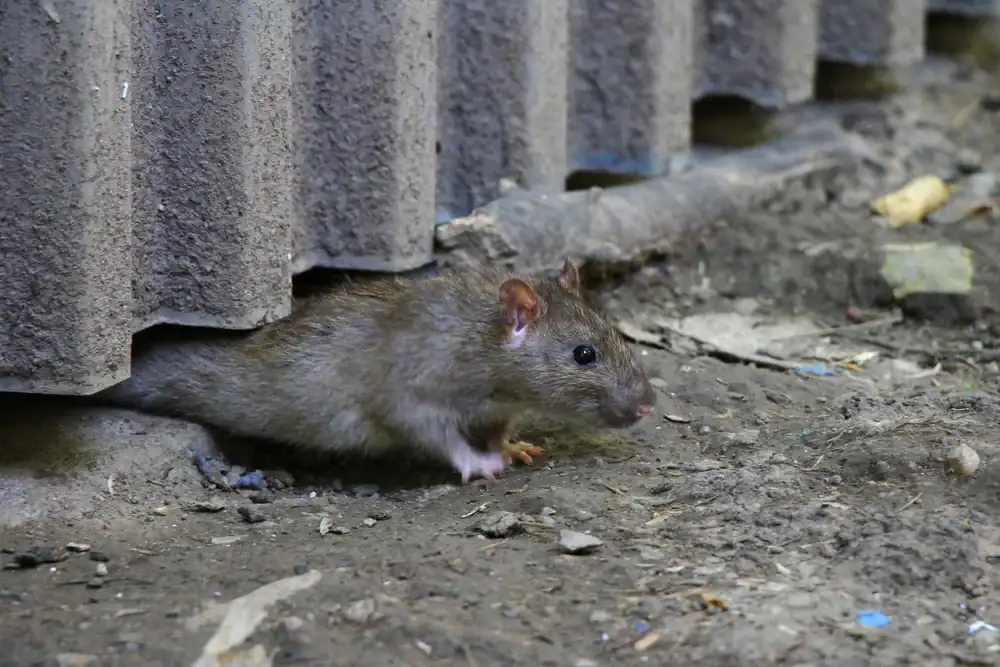
It starts with a full inspection of your property. Not a quick walkthrough — a real assessment of your attic, crawl spaces, wall voids, roofline, and every utility penetration. In North Brooksville’s older homes, that means looking at areas that haven’t been checked in years, including the kinds of gaps and deteriorated entry points that are standard in construction from this era. For manufactured homes, that includes the underbelly and skirting — areas that often get skipped entirely.
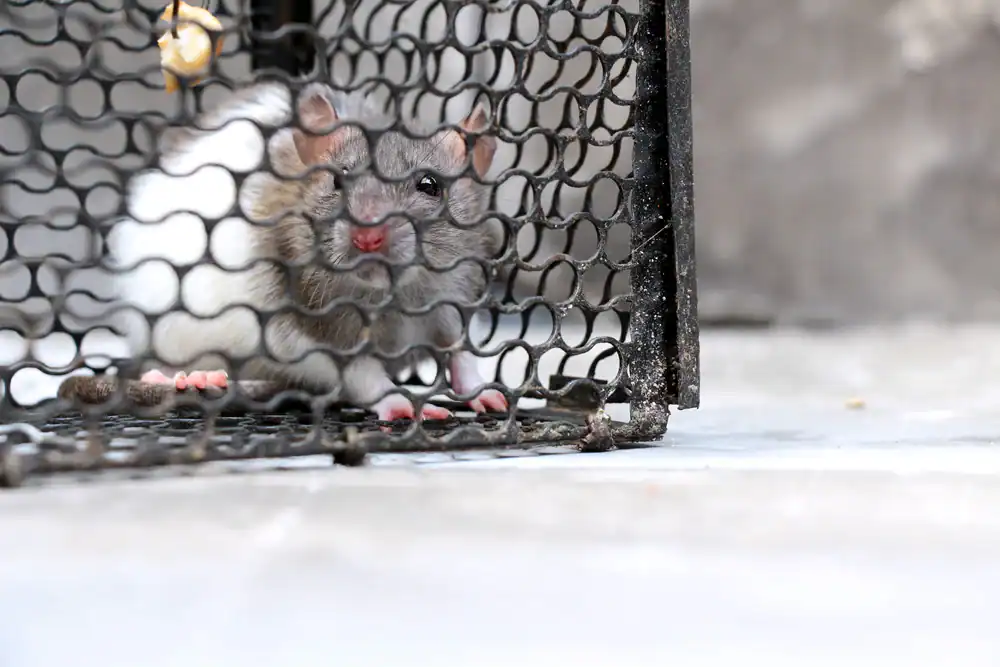
Once the inspection is complete, we place professional-grade mechanical traps in the locations where activity is confirmed or most likely. We do not rely on rodenticide as the primary method. No poison means no rodent dying inside a wall cavity and decomposing for two weeks, and no secondary poisoning risk for pets or wildlife. In a community backed up against the Withlacoochee State Forest, where hawks, owls, and other predators are a regular presence, that distinction matters.
After removal, we perform scent trail sanitization to eliminate the pheromone markers that guide new rodents toward the same entry points. This is the step most DIY attempts skip — and it’s the reason rats “come back” after a homeowner thought they’d handled it. The final step is a documented list of every entry point we found, so you know exactly what needs to be sealed. Attic decontamination is available where insulation has been compromised, addressing the air quality risk directly before the next Florida summer.
Ready to get started?
Rodent control in North Brooksville isn’t a one-size job. The combination of older construction, mobile homes, and a 20.6% real estate vacancy rate — meaning roughly one in five properties sits unoccupied and unmaintained — creates a pest pressure environment that requires a complete approach, not just trap placement and a follow-up call.
Every service we provide includes the full inspection, trap placement, scent trail sanitization, and a documented entry point inventory. Attic rodent decontamination in North Brooksville is available as part of the service where insulation has been saturated by droppings or urine — which is more common than most homeowners realize, especially in homes that have been vacant or where a problem has been developing quietly for more than one season. Our roof rat specialists who know the Hernando County environment understand that the attic is rarely the only affected area; wall voids and crawl spaces are assessed as part of the same job.
If you’ve recently purchased an older home in the area, we offer special pricing for new homeowners — not as a promotional hook, but because new residents buying into North Brooksville’s older housing stock frequently discover pre-existing infestations that weren’t disclosed or weren’t detected before closing. Military families also receive a discount. Pricing for most standard rodent control services is provided over the phone before any visit is scheduled, so you know what you’re looking at before anyone shows up.
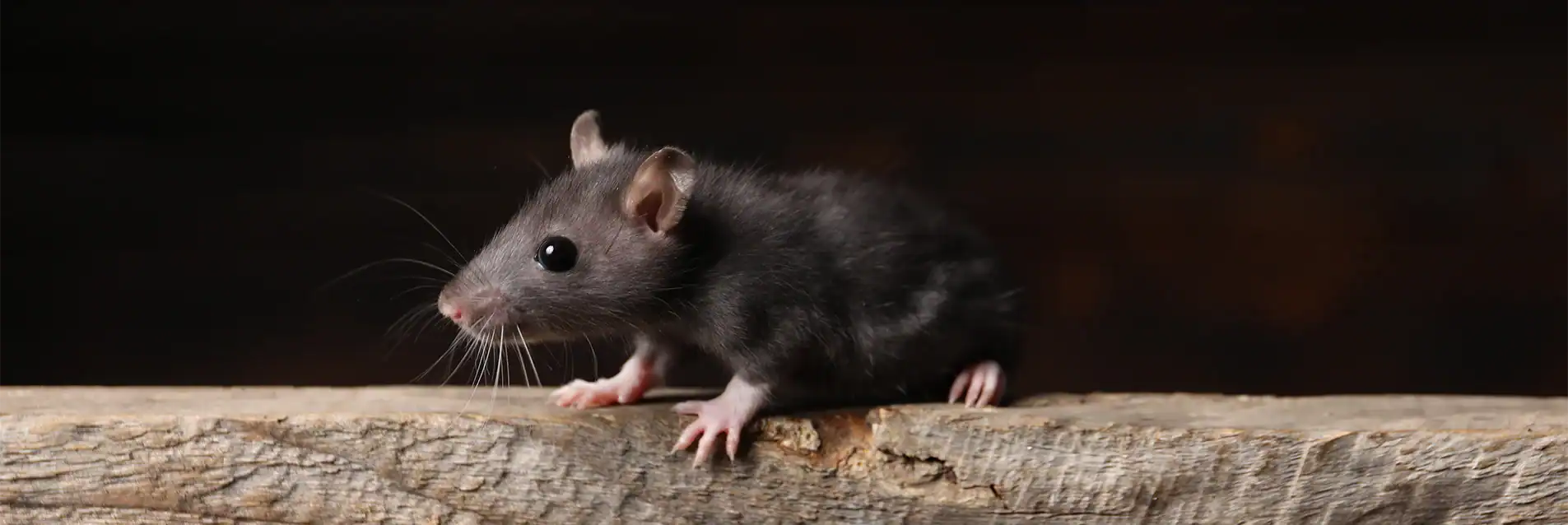
That sound is almost always roof rats — Rattus rattus — and it’s one of the most common calls we receive from homeowners in North Brooksville. Roof rats are nocturnal, which is why the noise tends to peak after dark. They’re also exceptional climbers, which means any oak or pine branch that reaches your roofline is a direct access point. Given how close North Brooksville sits to the Withlacoochee State Forest and the Brooksville Ridge tree canopy, that kind of branch-to-roof contact is the norm here, not the exception.
The scratching typically means the colony is already established — not just passing through. A single female roof rat can produce multiple litters per year, so a small group that moved in during fall can be a significantly larger population by the time you call in spring. The sooner an inspection happens, the smaller the job tends to be. Waiting doesn’t make the problem easier or cheaper to address.
It’s a reasonable concern, and the short answer is that rodenticide bait carries real risks that most homeowners aren’t fully aware of before they use it. The most immediate issue is secondary poisoning: a rodent that consumes bait doesn’t die instantly — it may wander for hours or days before it dies, and any pet or predator that eats that rodent can be fatally harmed. In North Brooksville, where wildlife from the adjacent forest — hawks, owls, foxes — regularly moves through residential yards, that risk extends well beyond household pets.
The second problem is location of death. Rodenticide kills rodents wherever they happen to be when the poison takes effect, which is often inside a wall cavity. A dead rodent inside a wall decomposes for one to three weeks and creates an odor that is nearly impossible to remediate without opening the wall. Mechanical trapping eliminates both problems — the rodents are recovered from known trap locations, and nothing toxic is introduced into your home. That’s why we use traps as the primary method, not bait stations.
Homes built between the 1940s and 1990s — which describes the majority of North Brooksville’s housing stock — were not constructed to the penetration-sealing standards required by modern building codes. That means gaps around electrical conduit, plumbing lines, and HVAC penetrations are common. Roof vents and soffit panels deteriorate over time and often develop gaps wide enough for a roof rat, which only needs about a half-inch of clearance to enter. Fascia boards and eave gaps are another frequent entry point in homes of this age.
For manufactured homes and mobile homes, the entry point profile is different. The underbelly — the insulated cavity beneath the floor — is a common harborage area, and plumbing access points and utility connections through the skirting create multiple vectors that are easy to miss without knowing exactly where to look. An inspection that accounts for the specific construction type of your home is the only way to find every entry point, which is why the inspection is the first step of every job — not an afterthought.
The active removal phase — from the time traps are set to confirmed clearance — typically takes one to two weeks for a moderate infestation. Larger colonies or cases where the problem has been developing for multiple seasons may take longer. Florida’s year-round breeding climate means there’s no natural off-season that slows things down, so the timeline is driven by the size of the existing population and how thoroughly the entry points have been addressed.
What matters more than the removal timeline is what happens after. If entry points aren’t sealed and scent trails aren’t sanitized, new rodents will follow the same chemical markers to the same access points within weeks. That’s the cycle homeowners describe when they say “we already had someone out and they came back.” The full process — inspection, trapping, scent sanitization, and entry point documentation — is what produces a lasting result rather than a temporary one. In North Brooksville, where the forest edge constantly replenishes the local rodent population, skipping any part of that sequence means the problem resets.
If rodents have been active in your attic for more than a few weeks, there’s a reasonable chance the insulation has been compromised. Roof rats and mice use attic insulation as nesting material and latrine areas — droppings and urine accumulate in the same zones where the colony is most active. In North Brooksville’s summer heat, that contaminated insulation doesn’t just smell bad. It heats up to the point where particles can be drawn through your HVAC return and circulated into your living spaces below.
Roof rats are known carriers of leptospirosis, murine typhus, salmonella, and hantavirus — all of which can be present in droppings and urine. Attic decontamination removes the contaminated material and treats the affected area so that the health risk ends with the infestation rather than persisting through the next several summers. Whether decontamination is necessary depends on the extent and duration of the infestation, which the inspection will determine. It’s not automatically added to every job — but when it’s warranted, it’s not optional if you want the problem fully resolved.
Yes, and there’s a practical reason behind it specific to this area. North Brooksville’s population has grown by nearly 29% since 2020, which means a significant number of residents have recently purchased homes — many of them older properties with construction from the 1940s through the 1990s. Pre-existing rodent infestations in homes like these are common, and they don’t always show up in a standard home inspection or WDO report. Buyers close on a property, move in, and discover within weeks that the previous owner had a problem they either didn’t know about or didn’t disclose.
The new homeowner discount exists because that scenario is genuinely common in this housing market, and it’s a stressful way to start in a new home. The inspection that comes with every rodent control service also functions as a full vulnerability assessment — documenting every entry point and area of concern so new residents understand what they’re working with. Military families also receive a discount. Both are applied at the time of booking — no forms, no waiting. Just call and mention it when you speak with the owner.
Other Services we provide in North Brooksville