
Fast, reliable pest control from Hernando County’s most trusted family-owned team—with most quotes given over the phone.
Contact Info
Fast, reliable pest control from Hernando County’s most trusted family-owned team—with most quotes given over the phone.
Contact Info
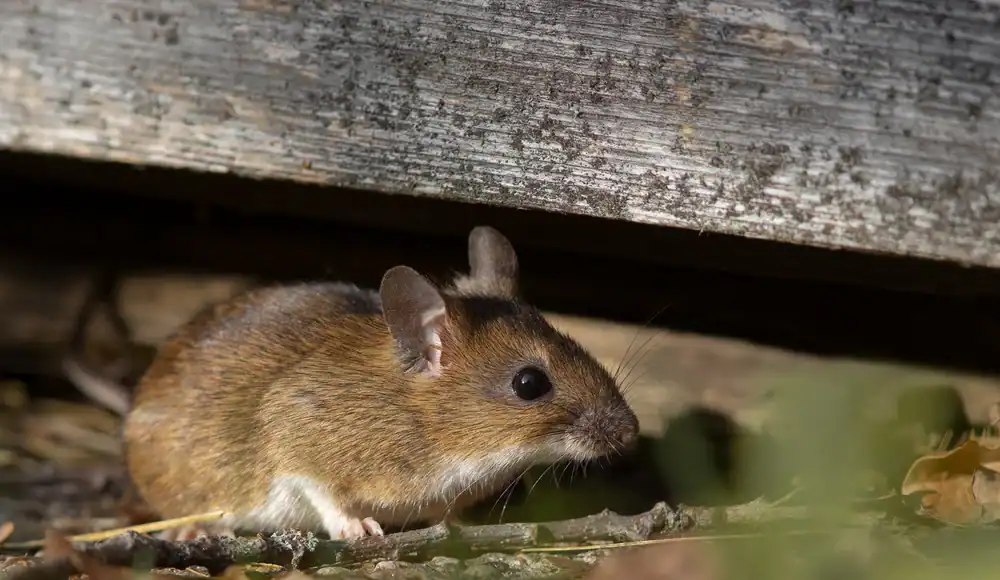
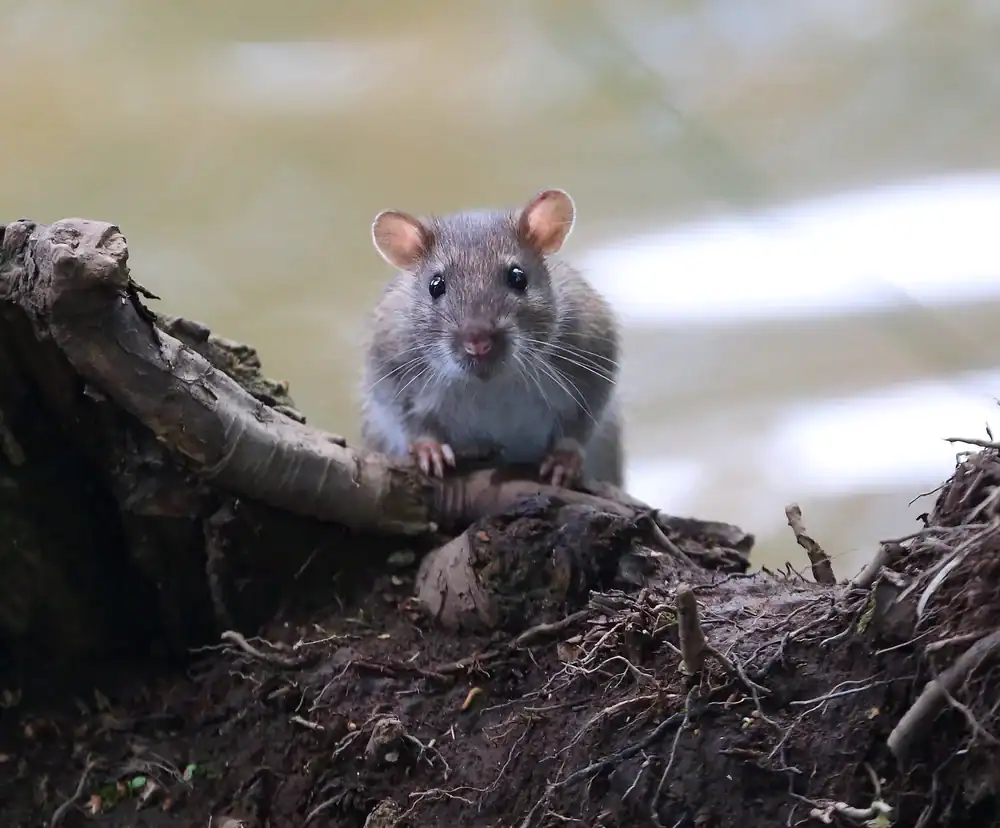
The scratching you hear at night isn’t one lost rat. In a forest-edge environment like Rital, it’s almost always a colony — and the Withlacoochee State Forest and Croom Wildlife Management Area next door means there’s no shortage of replacements waiting. Catching the current occupants without sealing the structure is just resetting the clock.
What actually changes after a proper rodent control service is this: the entry points are found, documented, and addressed. The scent trails that guide new rodents back to the same spots are eliminated. The attic insulation that’s been contaminated — sometimes for multiple seasons on older rural properties — gets cleaned out so it stops being a health hazard every time your HVAC kicks on in summer heat.
For homeowners on acreage near Croom-Rital Road, that last part matters more than most people realize. Attic temperatures in Florida regularly exceed 130 degrees in summer, and rodent waste doesn’t just sit there — it volatilizes and gets pulled into your living space through the air system. Getting rid of the rodents is step one. Cleaning up what they left behind is what actually protects your home and your family.
We’re a family-owned business serving Hernando County and the surrounding area, including Rital and properties along the Croom-Rital Road corridor. When you call, the owner answers — not a call center, not a dispatcher routing jobs from across the state. The same person who picks up the phone is the one accountable for the outcome of your service.
That matters especially out here. Rural properties near the Withlacoochee State Forest don’t always get priority from larger companies focused on denser suburban markets. We were built differently — on the idea that homeowners in places like Rital deserve the same fast response and honest service as anyone else. Most quotes are handled right over the phone, so you’re not waiting days just to find out what something costs.
Our credentials are real and verifiable: FDACS licensed through 2027, BBB A+ rated, and backed by more than 100 five-star Google reviews from Hernando and Pasco County residents who’ve been in the same situation you’re in now.
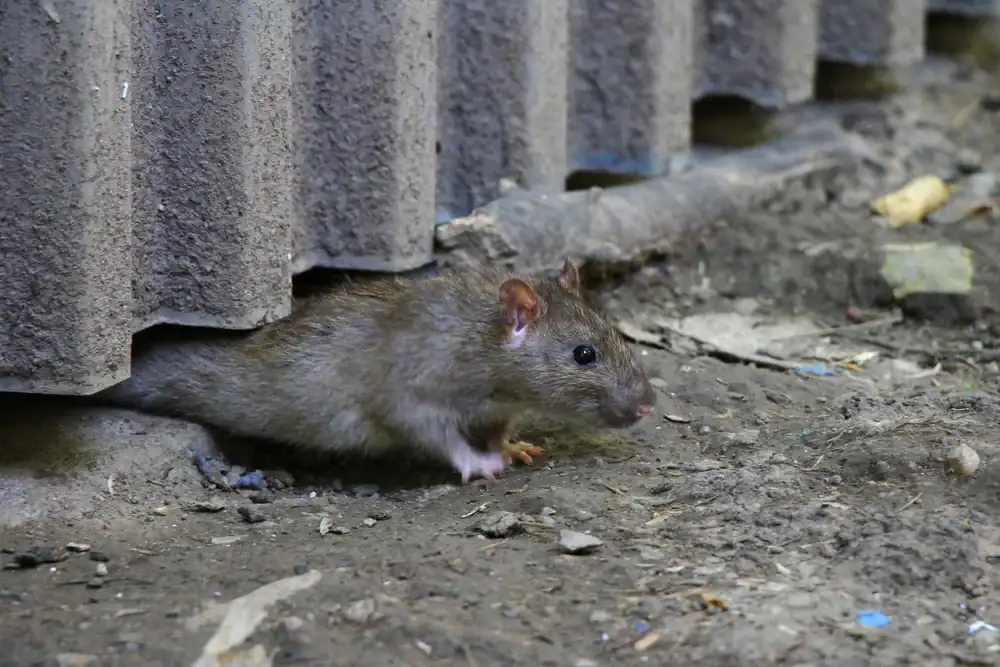
It starts with a thorough inspection of the property — attic, crawl spaces, wall voids, roofline, and perimeter. On rural properties near the Croom tract, this step is more involved than a typical suburban job. Older structures common in this area often have deteriorating soffits, aging roof vents, and utility penetrations that were never properly sealed. Every potential entry point gets identified and documented, not just the obvious ones.
From there, we place professional-grade mechanical traps in the areas where activity is confirmed. We do not use rodenticide as a primary method — no poison bait, no risk of a rat dying inside your wall and creating a weeks-long odor problem, and no secondary poisoning risk to your dogs, cats, or the wildlife that shares the forest edge with you. This isn’t a minor detail for homeowners in the Rital area — it’s often a deciding factor.
Once the active infestation is addressed, the scent trail sanitization and attic decontamination work begins. Rodent urine leaves chemical markers that act as a signal to other rodents that a location is safe. Eliminating those markers is what breaks the cycle — especially critical when your property sits adjacent to a population reservoir that doesn’t deplete on its own. The process ends with a clear record of every entry point found, so you know exactly what needs to be addressed to keep the problem from returning.
Ready to get started?
Roof rats are the dominant rodent pest in this part of Florida, and they’re built for exactly the kind of environment that surrounds Rital. They travel through tree canopies, drop onto rooflines, and squeeze through gaps as small as half an inch. The mature oaks and dense understory along the Withlacoochee State Forest corridor give them direct overhead access to your structure — which is why roofline and soffit inspection is a non-negotiable part of every service here, not an add-on.
The full scope of what we cover for rodent control in Rital, FL includes: complete property inspection, professional trap placement in attics and wall voids, scent trail sanitization, attic rodent decontamination, and documented identification of all entry points found. There are no hidden steps and no surprise charges added after the fact. The quote you get over the phone reflects what the service actually costs.
Hernando County’s unincorporated areas — including Rital — fall under Florida Department of Agriculture and Consumer Services Chapter 482 F.S. for structural pest control. Every technician working on your property is covered under our FDACS licensure, valid through 2027. If you’ve had a previous company out and the problem came back, that’s worth a conversation — the entry-point documentation step is often what gets skipped, and it’s the step that determines whether the fix holds.
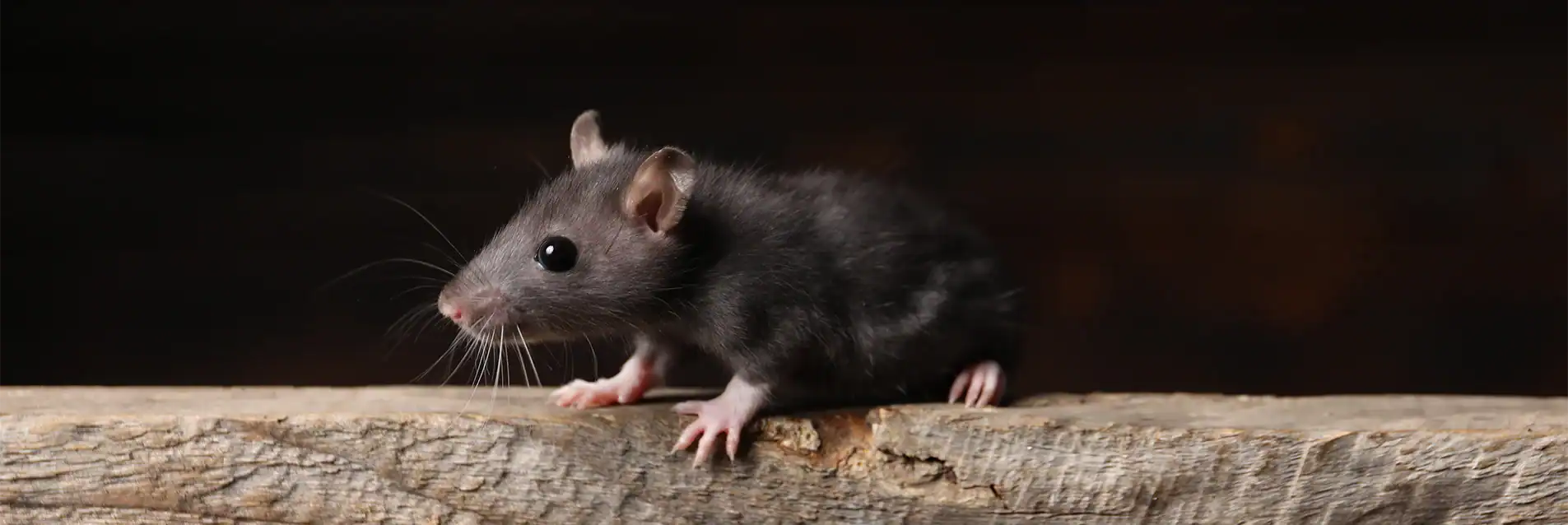
The short answer is geography. Properties near Croom-Rital Road sit directly adjacent to the Croom Wildlife Management Area — more than 20,000 acres of undisturbed forest, oak hammocks, and Withlacoochee River riparian habitat. That environment supports a roof rat population that doesn’t deplete naturally, doesn’t face hard winters that knock numbers down, and has direct canopy access to your roofline through mature trees.
When a pest control service removes the current rodents but doesn’t seal the entry points and eliminate the scent trails, new animals from the surrounding forest move in within weeks. It’s not that the treatment failed — it’s that trapping alone was never going to be enough in a forest-edge environment like Rital. Sustainable rodent control requires exclusion work and decontamination, not just trap placement. That’s the piece that most homeowners in this area are missing when the problem keeps coming back.
It’s a legitimate concern, and it’s one that comes up often for homeowners in this area. Rodenticides placed near a forest edge don’t stay contained to the target animal. A rat that consumes bait and makes it back into the forest before dying can poison the owls, hawks, and foxes that are part of the natural predator chain in the Withlacoochee corridor. That secondary poisoning risk is well documented and is exactly why we do not use rodenticide as a primary treatment method.
Inside your home, the risk is different but just as real. A poisoned rat that dies inside a wall cavity creates an odor problem that can last several weeks and often requires opening the wall to remediate. For rural homeowners with dogs, cats, or livestock, the concern extends to animals that might encounter a poisoned rodent before it dies. Mechanical trapping eliminates all of these risks — you know where the animals are, you remove them cleanly, and there’s no bait left in the environment after the job is done.
The most common first sign is sound — scratching, scurrying, or light thumping in the attic or walls, usually at night when roof rats are most active. A single scratching sound almost always means an established colony, not one animal. Roof rats in Florida typically live in family groups of five to fifteen individuals, so by the time you hear them, the infestation is already underway.
Beyond the noise, look for droppings along attic joists or near HVAC equipment, gnaw marks on wood framing or wiring insulation, and nesting material made from shredded insulation or debris. On older rural properties common in the Rital area, the damage can accumulate over multiple seasons before it becomes visible — especially in larger attics or crawl spaces that aren’t inspected regularly. If your home has mature trees close to the roofline, that’s an additional risk factor worth taking seriously. Roof rats use overhead canopy as a travel route, and a branch touching your roofline is essentially an open door.
Cost varies depending on the size of the property, the extent of the infestation, and whether attic decontamination is needed — but we handle most quotes over the phone, so you’re not waiting for an in-home sales visit just to get a number. That’s a deliberate part of how we operate: transparent pricing upfront, no pressure, no games.
What’s worth understanding is the cost comparison. A rodent infestation that goes unaddressed long enough will damage attic insulation, chew through wiring — which is a documented fire risk — and contaminate ductwork. Remediation costs for those problems run significantly higher than professional rodent control handled early. For homeowners in the Rital area on rural acreage with older structures, the inspection component alone often surfaces issues that would have gone unnoticed for another season or two. The price of a proper service is almost always less than the cost of the problems it prevents. Call for a direct quote — most questions can be answered in a single conversation.
Yes, and it’s not a small effect. When the Withlacoochee River rises — as it did to record levels after Hurricane Milton in October 2024, causing significant flooding in nearby Ridge Manor — ground-dwelling rodents and wildlife are displaced from riparian habitat and pushed toward higher ground. Residential structures, especially those with attic access through deteriorating soffits or roof vents, become attractive shelter quickly.
If your property is near the Croom-Rital Road corridor or anywhere close to the river’s flood plain, post-storm periods are a high-risk window for rodent intrusion. It’s not just about the storm itself — it’s the weeks afterward, when displaced populations are actively seeking new territory. Homeowners who notice new scratching sounds or fresh droppings after a significant rain event or flood should treat it as urgent. The faster you act, the smaller the colony you’re dealing with, and the less decontamination work the attic will need.
Yes — we offer special pricing for new homeowners and military families. If you’ve recently purchased property in the Rital area, there’s a practical reason this discount exists beyond just being a good deal: new homeowners on rural acreage near the Withlacoochee State Forest often inherit pest problems from previous owners without knowing it. Rodent activity in attics and crawl spaces can go undetected for years on larger properties, and a first-time inspection frequently turns up evidence of infestations that predate the current ownership.
Getting a professional rodent inspection early — before you’ve settled in and before any existing problem has time to worsen — is one of the more straightforward ways to protect a property investment in this area. The discount is a way of making that easier for people who are already navigating the costs of a new home. Military families in Hernando County receive the same consideration. Call directly and mention your situation — the owner handles these conversations personally and will give you a straight answer on what applies to your property.