
Fast, reliable pest control from Hernando County’s most trusted family-owned team—with most quotes given over the phone.
Contact Info
Fast, reliable pest control from Hernando County’s most trusted family-owned team—with most quotes given over the phone.
Contact Info


That sound in your attic at night — the one you’ve been telling yourself is nothing — is almost never nothing. Roof rats in Seven Springs move in as family groups, and by the time you’re hearing them, there’s a good chance they’ve already been there long enough to contaminate insulation, chew through wiring, and leave scent trails that will guide the next wave right back in if the job isn’t done completely.
The Anclote River runs through this community, and the dense vegetation along its banks is one of the primary reasons western Pasco County has consistent roof rat pressure year-round. Rats use that canopy as a travel corridor, and the homes along and near Little Road, SR-54, and the surrounding streets are sitting directly in their path. Add in the fact that most Seven Springs homes were built between the 1970s and 1990s — which means aging soffits, deteriorating roof vents, and gaps around utility lines that are easy to miss from the ground — and you have the conditions for a recurring problem, not a one-time nuisance.
When rodent control is done right, you get more than silence. You get insulation that isn’t saturated with waste, wiring that isn’t at fire risk, and a home that isn’t being quietly re-entered through a gap you didn’t know existed. That’s the actual outcome — and it’s what a thorough, trap-based approach delivers.
Around The Clock Pest Service is a family-owned company serving Hernando and neighboring Florida counties, including Pasco County and the Seven Springs community. When you call, the owner answers directly — not a dispatcher, not a call center, not a technician who has to relay a message. You get a real conversation, a straight answer, and in most cases, a quote before the call ends.
That matters in a neighborhood like Seven Springs, where homes have history and the pest pressure is specific to the area. We know the Anclote River corridor, know what aging housing stock in western Pasco County looks like from the inside of an attic, and know that Seven Springs Mobile Estates and older single-family homes off Little Road aren’t the same job as a new build in Starkey Ranch. The approach adjusts to your property — not the other way around.
With over 100 five-star Google reviews from Pasco and Hernando County residents, an FDACS license through 2027, and a BBB A+ rating, the track record is there. But honestly, the clearest signal is that the owner picks up the phone — seven days a week, including weekends.
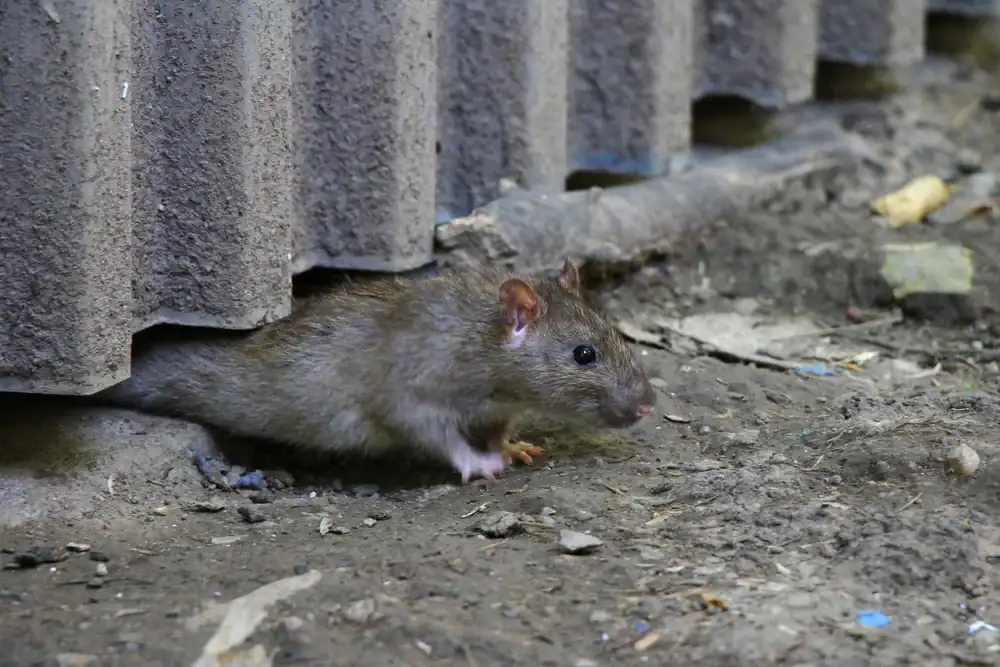
It starts with an inspection — a real one, not a five-minute walkthrough. The attic, the roofline, the crawl spaces, the utility penetrations, the soffits. In Seven Springs homes built in the 1970s through 1990s, the entry points are rarely obvious from the outside. They’re the gap behind a deteriorating soffit panel, the unsealed conduit line running into the attic, the roof vent with a screen that gave out years ago. Every one of those gets documented.
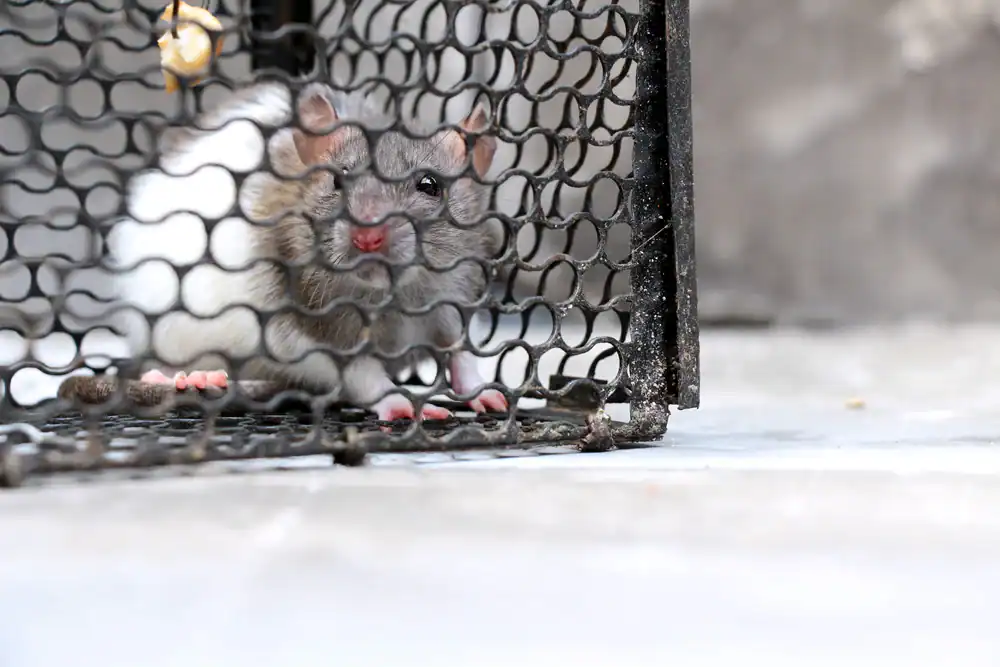
From there, professional-grade mechanical traps are placed in the attic and wall void areas where activity is confirmed — not scattered randomly, but positioned based on what the inspection actually found. We do not use rodenticide bait as a primary method. That’s a deliberate choice, because poison creates two problems Seven Springs homeowners know well: the risk of a rat dying inside a wall cavity and creating a weeks-long odor, and the real danger of a pet or backyard wildlife consuming a poisoned rodent. Traps eliminate both of those outcomes.
Once the population is controlled, the work isn’t done. Scent trail sanitization is part of the process — because rodent urine leaves chemical markers in your attic that function as an open invitation to the next rat that finds its way in from the river corridor. Removing those trails is what makes the difference between a solved problem and a revolving door. Entry points are identified and communicated clearly so you know exactly what needs to be sealed.
Ready to get started?
Rodent control in Seven Springs covers the full scope: inspection, trap placement, scent trail sanitization, attic rodent decontamination, and entry point identification. Every service is performed under our active FDACS license, which covers structural pest control throughout Pasco County and the surrounding region. All technicians carry ongoing EPA training — not just a one-time certification.
The service is built around mechanical trapping, not poison. For Seven Springs families with dogs, cats, or kids, that’s not a minor detail. It means no rodenticide is introduced into your home, no risk of secondary poisoning, and no dead animal decomposing somewhere inside a wall because a bait station worked the way it was supposed to. The process is clean, controlled, and specific to what your property actually needs.
For properties in Seven Springs Mobile Estates or older homes with accessible crawl spaces, the inspection extends below the structure as well — because open pilings and deteriorating skirting are among the most common entry points in that part of the community. Homes near Jack Mitchell Park or along the vegetation corridors off SR-54 get the same attention to the roofline and upper entry points that the river corridor pressure demands. Phone quotes are available for most jobs before you ever schedule a visit, and we offer community discounts to new homeowners and military families — ask when you call.

The Anclote River corridor creates exactly the kind of environment roof rats thrive in — dense vegetation, tree canopy, consistent food sources, and protected ground cover. Roof rats are strong climbers, and they use that canopy as a travel route between the river habitat and the residential neighborhoods on either side. Homes along and near Little Road, SR-54, and the surrounding streets in Seven Springs sit directly adjacent to that corridor, which is why the pressure here is consistent and year-round rather than seasonal.
Florida’s climate compounds the issue. There’s no winter cold snap that suppresses the population the way it would in a northern state. A family group of roof rats that establishes itself in a Seven Springs attic in October keeps breeding through December, January, and February without interruption. By spring, what started as a handful of animals can be a multi-generational colony — and the damage to insulation and wiring compounds with every week they’re there.
The most common sign Seven Springs homeowners notice first is sound — scratching, scurrying, or thumping in the attic, typically at night, since roof rats are nocturnal. If it’s coming from above the ceiling and it sounds like something moving with some weight to it, roof rats are the most likely culprit in this area. Mice tend to be quieter and are more commonly found in wall voids or kitchen areas rather than attics.
Beyond sound, look for droppings — roof rat droppings are roughly half an inch long with pointed ends, and you’ll typically find them along walls, in the attic, or near any food source. Gnaw marks on wood, insulation, or wiring are another indicator, and in Seven Springs homes with older wiring, that’s a fire risk worth taking seriously. If you’re noticing a faint but persistent odor in a room that doesn’t have an obvious source, that’s often rodent waste in the attic being drawn through the HVAC system — especially during Florida’s summer heat when attic temperatures can push well past 100 degrees.
This is one of the most common questions Seven Springs homeowners ask, and the honest answer is that rodenticide bait carries real risk in a household with pets. Secondary poisoning happens when a cat, dog, or backyard animal consumes a rodent that has already ingested the bait. Depending on the type of rodenticide used, this can cause serious harm — and in some cases, it’s fatal. It’s not a rare edge case; it’s a documented outcome of bait-station-based approaches.
The other problem specific to Florida homes is what happens when a poisoned rat dies inside a wall cavity. In Seven Springs’ heat, especially during summer, decomposition happens fast and the odor can be severe and difficult to locate. That’s a weeks-long problem with no easy fix. Mechanical trapping eliminates both of those risks entirely — the animal is captured, not poisoned, and its location is known. For Seven Springs families with pets, that’s not just a preference, it’s the cleaner and safer approach by a significant margin.
Most homes in Seven Springs were built between the 1970s and 1990s, and at that age, the entry points are rarely dramatic. Roof rats can squeeze through a gap roughly the size of a quarter — about half an inch. The places those gaps develop in older homes are the soffit panels that have warped or pulled away from the fascia, the roof vents with deteriorated or missing screens, the spots where plumbing or electrical lines enter the attic, and the areas where the roofline meets the chimney or any added structure.
From the ground, most of these gaps are invisible. That’s why a proper inspection involves getting into the attic and walking the roofline, not just looking up from the driveway. In Seven Springs specifically, the mature tree canopy — particularly near the Anclote River corridor and around properties with older palms — gives roof rats easy rooftop access once they’ve identified a gap. Trimming branches away from the roofline is one of the most effective prevention steps a homeowner can take after treatment, and it’s something we’ll flag during the inspection.
They can — but the reason they come back is almost always one of two things: an entry point that wasn’t sealed, or a scent trail in the attic that wasn’t sanitized. Rodent urine leaves chemical markers that other rats can detect and follow. If those trails are still present after trapping is complete, the attic is essentially still advertising itself as a safe location to any rat that finds its way to the roofline from the Anclote River corridor or the surrounding vegetation.
That’s why sanitization is a non-negotiable part of a complete job, not an optional add-on. Entry point identification matters for the same reason — trapping removes the current population, but if the gap they used is still open, the next family group moving through the neighborhood will find it. We document every entry point found during the inspection and communicate it clearly so you know what needs to be addressed. We don’t perform structural repairs, but you’ll leave the process with a specific, actionable list rather than a vague recommendation to “seal things up.”
Yes — and it’s worth asking about before you book. We offer community discounts for military families and new homeowners, and Seven Springs sees a fair amount of both. Pasco County has a notable military-connected population, and the area’s relatively accessible home prices compared to the broader Tampa Bay market make it a common landing spot for buyers relocating into the region.
If you’ve recently purchased a home in Seven Springs and you’re just now discovering what might be living in the attic — which happens more often than most buyers expect, especially with older homes in this area — the new homeowner discount applies to you. The same goes for active duty, veterans, and military families. Just mention it when you call. The owner answers directly, quotes are provided over the phone for most jobs, and there’s no pressure to commit before you have the information you need.
Other Services we provide in Seven Springs