
Fast, reliable pest control from Hernando County’s most trusted family-owned team—with most quotes given over the phone.
Contact Info
Fast, reliable pest control from Hernando County’s most trusted family-owned team—with most quotes given over the phone.
Contact Info
If you're hearing scratching sounds at night in your Spring Hill home, you're likely dealing with roof rats. Learn the signs, risks, and why permanent solutions matter.

That scratching sound you’re hearing at night isn’t your imagination. If you’re lying in bed listening to something moving around in your attic or walls, there’s a good chance you’ve got roof rats. It’s one of the most common calls we get here in Spring Hill, and it’s not something you want to ignore.
Rats don’t just make noise. They chew through wiring, contaminate insulation, and breed fast enough to turn a small problem into a full-blown infestation in a matter of weeks. Acting quickly with professional pest control services can prevent costly damage and protect your home from ongoing rodent activity.
The good news is that with the right approach, you can get them out and keep them out for good. A thorough inspection, targeted treatment plan, and long-term prevention strategy are essential to eliminate roof rats completely. Let’s talk about what you’re actually dealing with and what it takes to solve it.
Most people don’t see the rats first. They hear them. Scratching, scurrying, or thumping sounds coming from the attic or inside the walls, especially after dark, are usually the first clue. Roof rats are nocturnal, so they’re most active when your house is quiet.
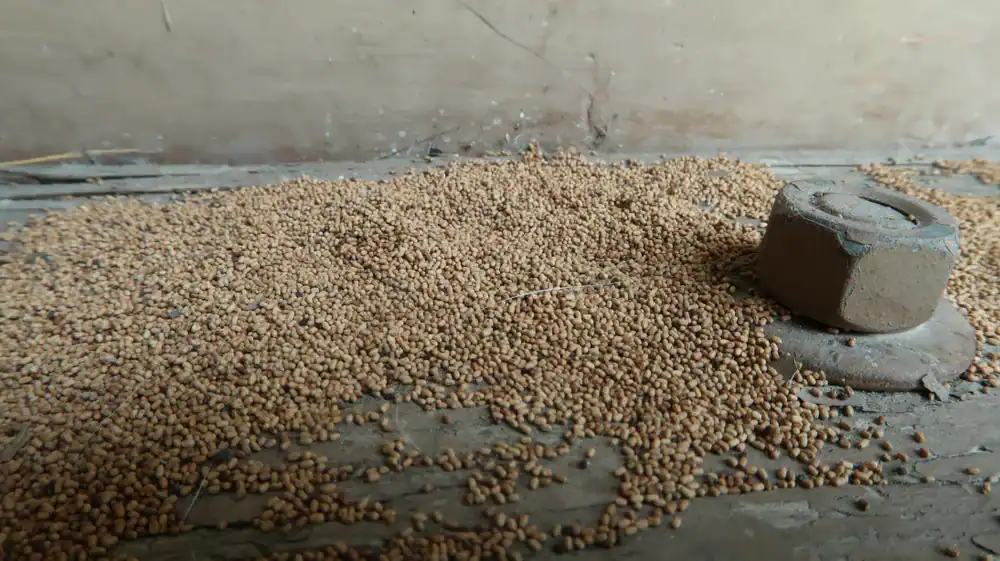
Beyond the noise, you’ll start noticing other signs. Droppings show up in the attic, along baseboards, or near food storage areas. Fresh droppings are dark, shiny, and about half an inch long with pointed ends. You might also find gnaw marks on wood, plastic, or even electrical wires. Rats have to chew constantly to keep their teeth from overgrowing, and they’re not picky about what they chew on.
Greasy rub marks along walls or rafters are another giveaway. Rats follow the same paths repeatedly, and the oils from their fur leave dark smudges. If you’re finding chewed food packaging, torn insulation, or shredded paper tucked away in corners, that’s nesting material. And if you’re smelling something foul that you can’t quite place, it could be urine or a rat that died somewhere you can’t reach.
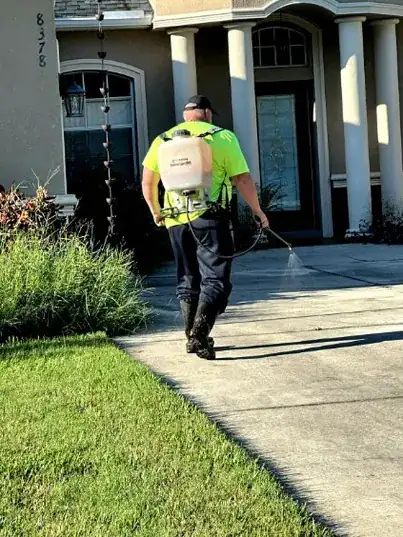
Florida’s climate is perfect for roof rats. Warm weather year-round means they don’t slow down the way they do in colder states. They stay active, they keep breeding, and they’re always looking for food and shelter. Spring Hill’s mix of residential neighborhoods, fruit trees, and older homes with accessible entry points makes it easy for them to move in.
Roof rats are climbers. They’re not like Norway rats that burrow underground. These guys scale trees, fences, and utility lines to get onto your roof. From there, they look for gaps around soffits, roof vents, or where pipes and cables enter the house. Even a half-inch opening is enough. Once they’re inside, your attic offers everything they need. It’s warm, it’s quiet, and there’s insulation to nest in.
A lot of homes in Pasco County and Hernando County have fruit trees in the yard. Citrus, mango, avocado—roof rats love them. When the fruit’s gone or the weather shifts, they move indoors. They’ll also go after pet food left outside, birdseed, or anything else that’s easy to access. The problem doesn’t start in your attic. It starts in your yard. But once they find a way in, they settle fast.
People don’t realize how quickly this escalates. A single female can have multiple litters a year, and each litter can have up to eight pups. Within weeks, you’ve got a colony. That’s why acting early matters. The longer you wait, the more damage they cause and the harder it becomes to get them out.
Rats don’t just live in your attic. They destroy it. Chewing is how they survive, and they’ll gnaw through almost anything. Electrical wiring is a big one. When rats chew through insulation on wires, it creates a fire hazard. It’s not a scare tactic—it’s a documented risk. Thousands of electrical fires each year are suspected to be caused by rodents.
Then there’s the insulation. Rats burrow into it, compress it, and contaminate it with urine and droppings. That reduces its effectiveness, which means your energy bills go up. It also creates health risks. Rodent waste carries bacteria and pathogens that can become airborne, especially if the attic isn’t well-ventilated.
Structural damage adds up too. Rats chew on wood beams, drywall, and anything else in their way. They’ll damage HVAC ducts, plumbing pipes, and even stored belongings. If you’ve got holiday decorations, old paperwork, or anything cardboard up there, it’s all fair game for nesting material.
And let’s not forget the smell. Rat urine has a strong, musky odor that lingers. If a rat dies in your wall or attic, the decomposition smell can last for weeks. You can’t just spray air freshener and call it good. The source has to be removed, and that’s not always easy to locate.
The financial cost of repairs can be significant. Replacing chewed wiring, contaminated insulation, or damaged ductwork isn’t cheap. And if the infestation has been going on for a while, the scope of the damage only grows. That’s why catching it early and addressing it properly makes a difference.
Want live answers?
Connect with a Around The Clock Pest Service expert for fast, friendly support.
A lot of people try to handle rodent problems on their own. Traps from the hardware store, poison bait, maybe some steel wool stuffed in a gap they found. It makes sense to try. But here’s the reality: DIY methods rarely solve the problem. They might catch a rat or two, but they don’t address why the rats are getting in or how many are already inside.
Traps work if you know where to place them, what to bait them with, and how to set them safely. Most people don’t. Rats are smart. They avoid new objects in their environment, and if a trap isn’t positioned along their regular path, they’ll just ignore it. Poison is even trickier. Rats that eat poison don’t die immediately. They go back to their nest—often somewhere you can’t reach—and die there. Now you’ve got a dead rat decomposing in your wall, and good luck finding it.
The bigger issue is entry points. You can trap every rat in your attic, but if the holes they used to get in are still open, new rats will move in. It’s not a one-and-done situation. Exclusion is the only way to stop the cycle, and that requires identifying every gap, crack, and opening around your roofline, vents, and foundation. It’s detailed work, and it has to be done right.
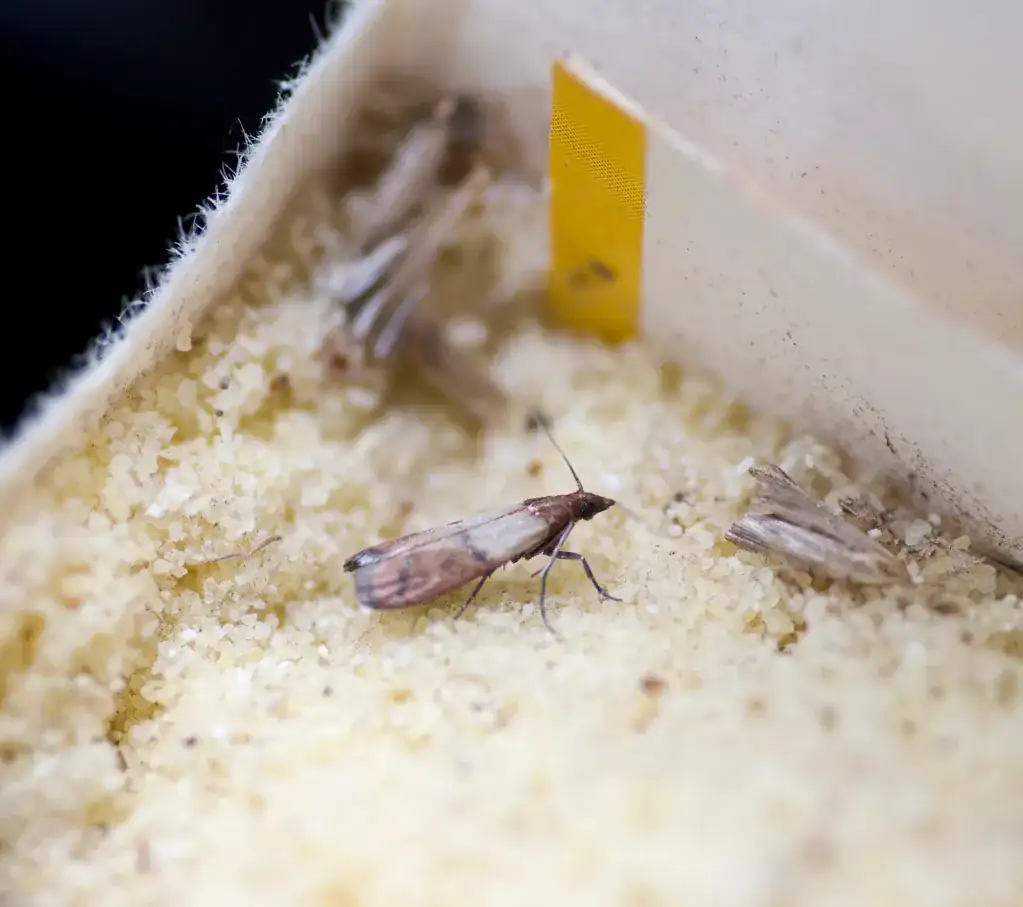
Professional rodent control starts with an inspection. Not a quick walk-through—a real assessment of your property. That means checking the roofline, soffits, vents, chimneys, and anywhere utilities enter the house. It also means looking at the yard. Are there tree branches touching the roof? Overgrown shrubs near the foundation? Bird feeders or pet food left out? All of that gets noted.
Once the entry points are identified, the next step is exclusion. This isn’t about stuffing gaps with foam or mesh that rats can chew through in a day. It’s about using materials that actually hold up—steel mesh, heavy-duty caulk, and hardware cloth. Every opening gets sealed properly. That includes spots most homeowners wouldn’t think to check, like gaps around AC lines, cable entry points, or where the roof meets the walls.
While exclusion is happening, trapping takes care of the rats already inside. Professional-grade traps are placed in high-activity areas based on droppings, rub marks, and travel patterns. Bait stations might be used in exterior locations to intercept rats before they even try to get in. The goal is removal, not just reduction.
After the rats are out, cleanup is critical. Contaminated insulation, droppings, and nesting material need to be removed safely. Attics are often treated and sanitized to eliminate odors and bacteria. Some situations call for insulation replacement, especially if the infestation was severe or long-term.
The whole process is designed to be permanent. You’re not just getting rid of the rats you have. You’re making sure new ones can’t get in. That’s the difference between a temporary fix and a real solution. And it’s why working with someone who knows what they’re doing matters.
When you’re hearing scratching in the walls at two in the morning, you don’t want to wait until Monday to get help. That’s where around-the-clock availability makes a difference. A service that answers calls 24/7 means you can reach someone when the problem is happening, not days later when you’ve already lost sleep and the rats have had more time to settle in.
Fast response time matters for a few reasons. First, rodents breed quickly. A delay of even a week can mean the difference between a small issue and a full infestation. Second, the longer rats are in your attic, the more damage they cause. Chewed wires, contaminated insulation, and structural harm all add up. Third, there’s the stress factor. Knowing someone is coming out soon gives you peace of mind.
We’ll give you a clear plan upfront. That includes what we’re going to inspect, how we’ll trap and remove the rats, what exclusion work needs to be done, and what the timeline looks like. Transparency is key. You should know what you’re paying for and why each step matters.
You should also expect follow-up. Rodent control isn’t always a one-visit job, especially if the infestation is established. There might be multiple trap checks, additional sealing work, or monitoring to make sure no new activity pops up. We stand by our work and make sure the problem is actually solved, not just covered up.
And here’s something that often gets overlooked: education. We’re willing to explain what attracted the rats in the first place and what you can do to reduce the risk going forward. That might mean trimming tree branches, storing pet food differently, or keeping up with small maintenance tasks. Prevention is part of the solution, and you should leave the conversation knowing more than you did before.
Working directly with the owner of a family-run business often means better communication and accountability. When the person answering your call is the same person doing the work, you’re not getting passed around or dealing with a call center. You’re talking to someone who cares about their reputation and wants to make sure you’re taken care of.
Getting rid of rats is only half the job. Keeping them out is what makes the difference long-term. Once your home is sealed and the current infestation is handled, staying vigilant helps you avoid going through this again. Simple habits go a long way.
Keep tree branches trimmed back from your roofline. Roof rats use them as highways. If branches are touching or even close to your house, they’ll use them to get up there. Aim for at least six to eight feet of clearance. Store food properly, including pet food and birdseed. Rats are opportunistic. If it’s easy to access, they’ll go for it. Airtight containers make a difference. Check your home’s exterior regularly for new gaps or damage, especially after storms or heavy wind.
If you’ve had rodent problems before, you’re at higher risk of having them again. That’s not because your home is dirty or poorly maintained. It’s because the conditions that attracted them the first time—location, landscaping, nearby food sources—are still there. Professional monitoring or periodic inspections can catch issues before they become full infestations.
We work with homeowners throughout Pasco County and Hernando County to provide rodent control that actually lasts. With 24/7 availability, direct owner contact, and a focus on permanent exclusion solutions, we’re built to handle the specific challenges Florida properties face. If you’re dealing with scratching sounds, droppings, or any other signs of rodent activity, don’t wait for it to get worse. Reach out and get it handled the right way.
Summary:
Article details:
Share: