
Fast, reliable pest control from Hernando County’s most trusted family-owned team—with most quotes given over the phone.
Contact Info
Fast, reliable pest control from Hernando County’s most trusted family-owned team—with most quotes given over the phone.
Contact Info
You’re not dealing with a problem yet. That’s the point.
Termite prevention in Bayonet Point means catching activity before you see sagging floors, before you’re pulling out drywall, and before you’re writing checks for five-figure repairs. Florida’s humidity keeps termites active all year, and in older homes like most around here, the risk isn’t theoretical.
Prevention gives you detection technology that spots early signs you’d never notice on your own. It gives you treatment methods that create barriers termites can’t cross. And it gives you regular monitoring so if anything changes, you know about it fast.
The alternative is waiting until there’s visible damage. By then, you’re not preventing anything. You’re paying to rebuild.
We’re a family-run operation serving Hernando and Pasco County since 2020. You work directly with George, the owner, not a call center or rotating techs.
We’re licensed by the Florida Department of Agriculture through 2027, BBB accredited with an A+ rating, and we’ve built our reputation on being available when you need us—including weekends, no extra charge. Most quotes happen over the phone because we’re not trying to upsell you in person.
Bayonet Point has a lot of homes built in the 60s and 70s. That means wood that’s been sitting in Florida humidity for decades. We’ve seen what happens when termites go unnoticed in older construction, and we’d rather help you avoid it than profit from fixing it later.
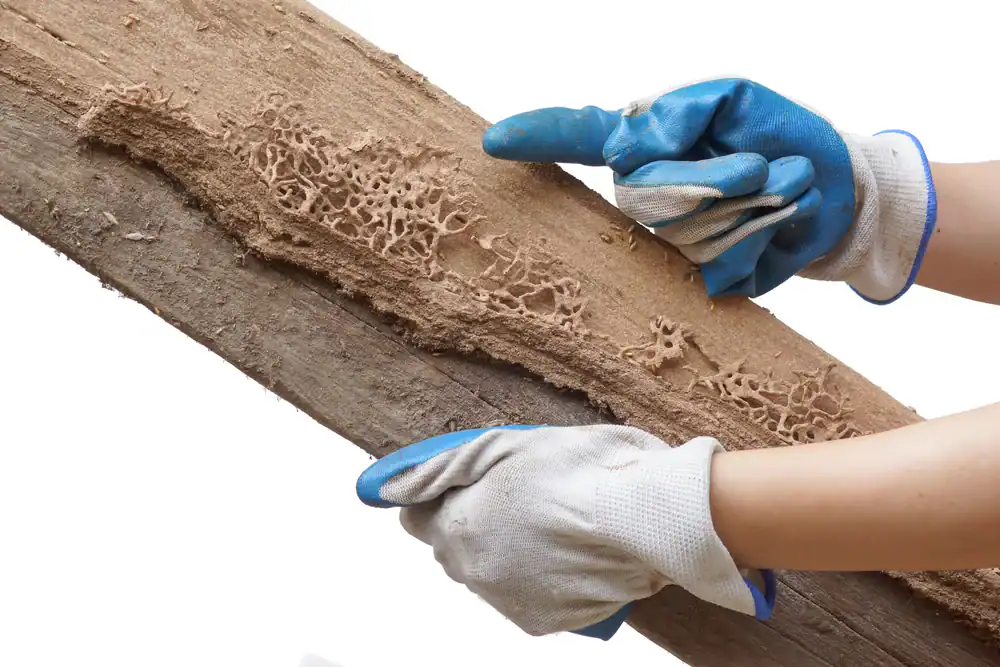
First, we inspect. That means checking your foundation, crawl spaces, attic, anywhere moisture collects or wood contacts soil. We’re looking for mud tubes, frass, soft spots, and early warning signs most people miss.
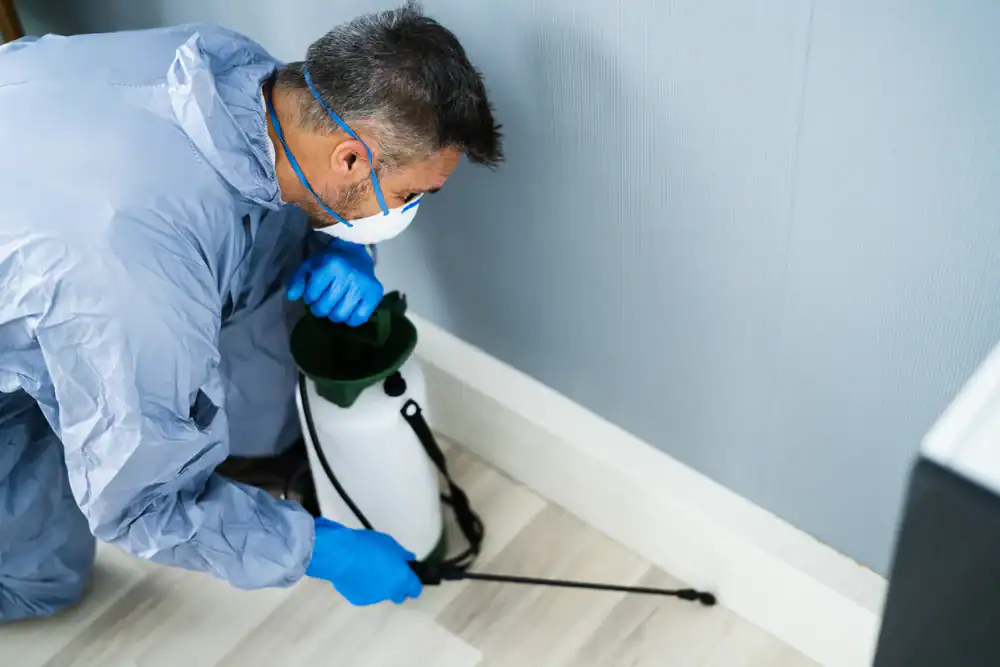
If we find activity, we treat it. If we don’t, we set up prevention. That could mean liquid treatments that create a barrier in the soil around your foundation, or bait systems that eliminate colonies before they reach your home.
Then we monitor. An annual termite protection plan means regular check-ins to make sure barriers are intact and no new activity has started. You’re not guessing whether you’re protected. You know.
If something comes up between visits, you call. We respond within 24 hours, usually same-day. No runaround, no waiting a week for an appointment slot.

Ready to get started?
You get a full property inspection with detailed reporting on risk areas and current conditions. You get treatment that’s appropriate for your home’s construction, soil type, and the termite species active in this area—subterranean and Formosan are the big ones around Bayonet Point.
You get an annual termite protection plan that includes regular monitoring visits and retreatment if needed. You’re not paying per visit or per incident. You’re covered.
Florida’s climate means termites don’t slow down in winter like they do up north. They’re active year-round, and they can chew through a 2×4 in about six months if conditions are right. Formosan termites, which are increasingly common in Florida, work even faster. That’s why ongoing monitoring matters here more than in most states.
You also get direct access to someone who answers the phone and knows your property. If you see something that worries you, you’re not filling out a web form and waiting three days. You call, we respond.
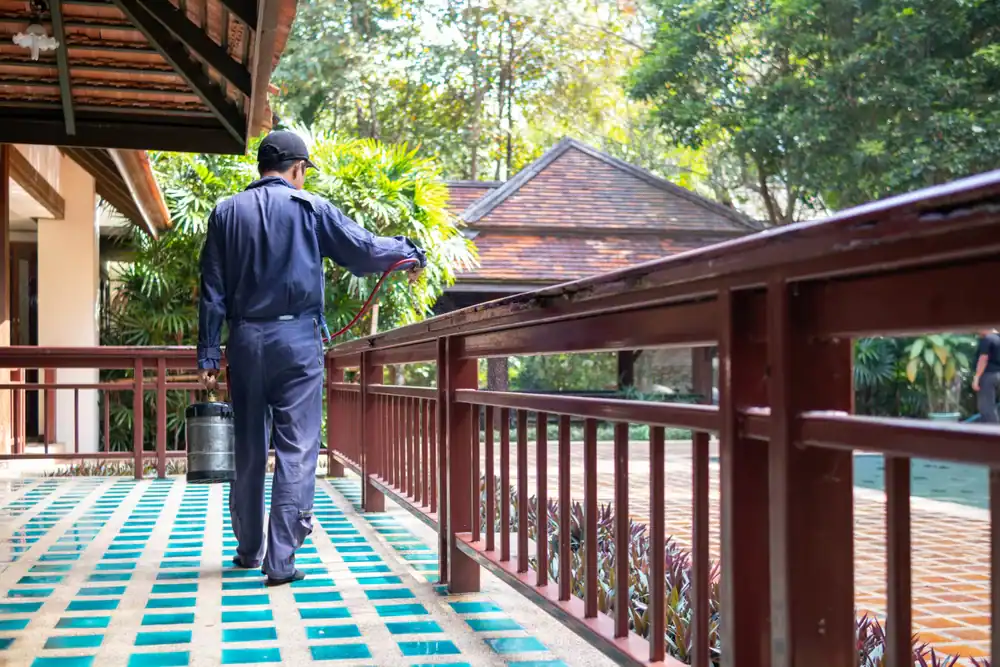
Prevention typically runs a few hundred dollars per year depending on your home’s size and the treatment method. Termite damage repairs in Florida average between $3,000 and $12,000, with severe cases exceeding $20,000.
That’s not including the hit your property value takes if you ever try to sell a home with a termite history. Buyers either walk away or demand serious price reductions, often around 20% of the home’s value.
Your homeowner’s insurance won’t cover termite damage because it’s considered preventable. That means every dollar of repair cost comes out of your pocket. Prevention isn’t an expense—it’s the cheapest option you have.
An inspection is a snapshot. We check for current activity and risk factors, then give you a report. It’s useful for real estate transactions or if you suspect a problem, but it doesn’t protect you going forward.
Prevention is continuous. After the initial inspection and treatment, you’re on a monitoring schedule that catches new activity early. Termites don’t invade once and call it done—colonies expand, new swarms move in, and conditions change. Prevention means you’re watching for those changes instead of discovering them after damage has happened.
Think of an inspection like checking your oil level. Prevention is changing the oil on schedule so your engine doesn’t seize up. Both matter, but only one keeps you out of trouble long-term.
That’s exactly when you need it. By the time you see signs—mud tubes, hollow-sounding wood, sagging floors—termites have usually been feeding for months or longer. Visible damage means the problem is already serious.
Bayonet Point’s older housing stock and year-round humidity create ideal conditions for termites. They don’t need an invitation, and they don’t announce themselves. Subterranean termites build colonies underground and access your home through cracks in the foundation you’d never notice. Formosan termites are even more aggressive and can establish aerial colonies inside your walls.
Prevention means you’re ahead of the problem instead of reacting to it. You’re not waiting to see if termites show up. You’re making sure they can’t establish themselves in the first place.
Most homes need annual monitoring and retreatment as needed, but the exact schedule depends on your treatment type and risk factors. Liquid barrier treatments typically last 5-10 years but require annual inspections to confirm they’re still effective. Bait systems need monitoring every few months to check stations and replace bait if it’s been hit.
Florida’s climate keeps termites active all year, unlike northern states where cold weather slows them down. That means your protection needs to be consistent. A treatment that works in January needs to still be working in August when humidity peaks and termite activity increases.
We set up a schedule based on your home’s specific needs, then stick to it. You’re not guessing when your next visit should be or wondering if you’re still protected. We track it and reach out when it’s time.
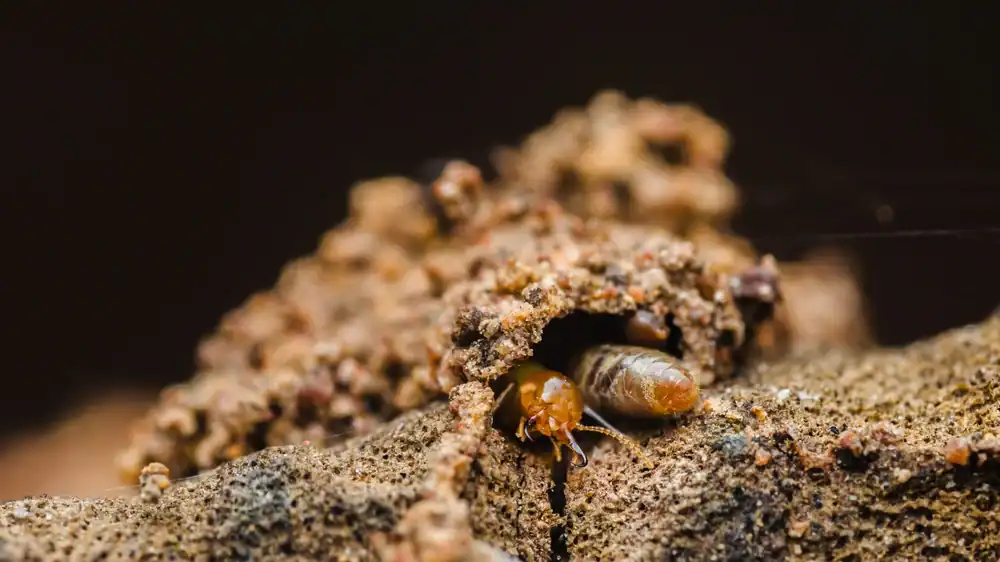
Subterranean termites are the most common and cause the majority of damage in Florida. They live in underground colonies and build mud tubes to access wood above ground. They need moisture, which is why they thrive in Florida’s climate and why homes with drainage issues or wood-to-soil contact are especially vulnerable.
Formosan termites are the more aggressive species and are spreading throughout Florida. They’re sometimes called “super termites” because their colonies are huge—up to several million insects—and they consume wood about seven times faster than native subterranean species. They can even establish colonies inside structures without ground contact, which makes them harder to detect and control.
Both species are active year-round in this area. Both cause serious damage if left unchecked. And both require professional treatment because DIY methods don’t reach the colony, they just scatter the workers and make the problem harder to track.
You can reduce risk with maintenance—fixing leaks, improving drainage, removing wood debris from around your foundation, keeping mulch away from your home’s exterior. Those steps help, and they’re worth doing regardless of whether you have professional service.
But you can’t effectively treat or monitor for termites on your own. Termite colonies live underground or inside wall voids where you can’t see them. Over-the-counter products kill the termites you spray directly, but they don’t eliminate the colony, which means the problem continues. Professional treatments use products and application methods that aren’t available to homeowners, and they’re designed to reach the source.
Detection is the bigger issue. You don’t know where to look, what early signs look like, or how to tell the difference between termite damage and other wood deterioration. By the time damage is obvious enough for you to spot it, you’re already looking at serious repairs. Professional monitoring catches problems while they’re still small and cheap to fix.
Other Services we provide in Bayonet Point