
Fast, reliable pest control from Hernando County’s most trusted family-owned team—with most quotes given over the phone.
Contact Info
Fast, reliable pest control from Hernando County’s most trusted family-owned team—with most quotes given over the phone.
Contact Info
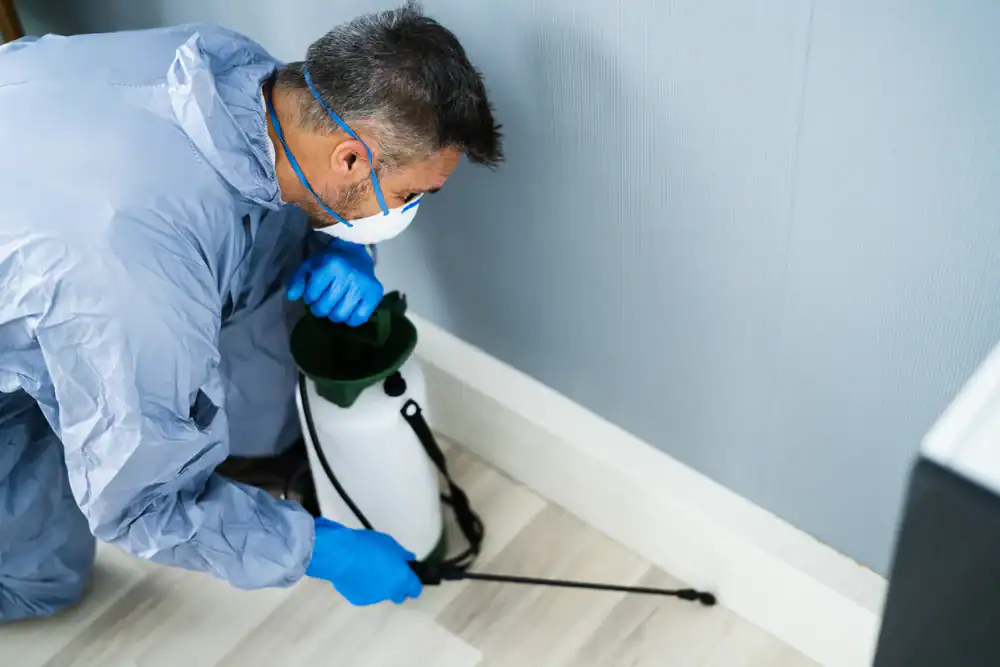
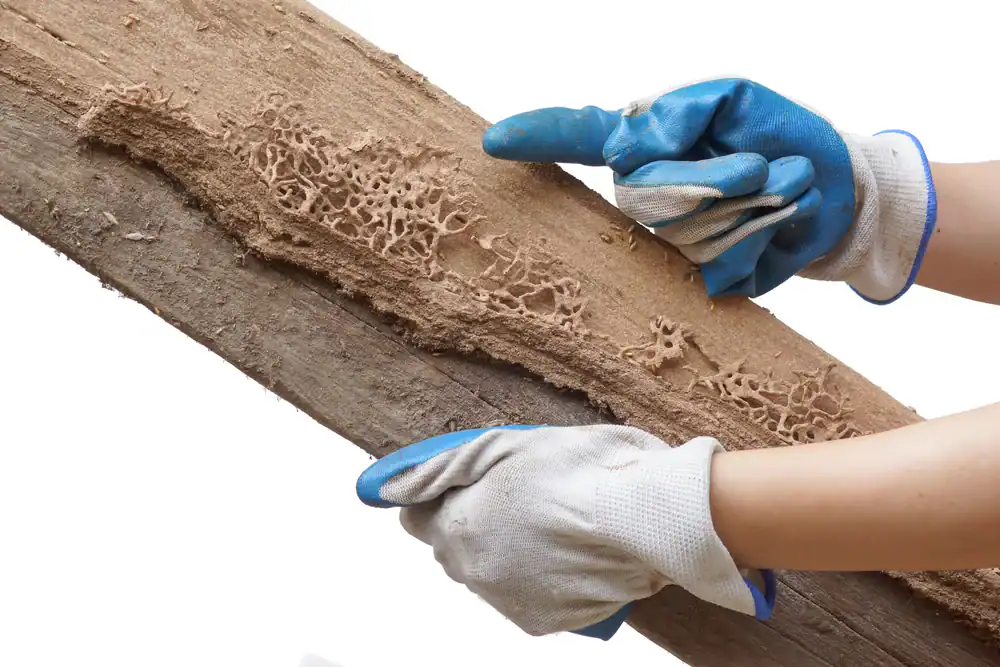
You stop worrying about silent destruction happening behind your walls. That’s the real outcome here—peace of mind that comes from knowing your home has a barrier between it and the 13 termite colonies per acre that exist in Florida soil.
Termite damage in this area averages $8,000 to $12,000 per incident. That’s money you’ll never get back from insurance because standard policies don’t cover it. Prevention costs a fraction of that, and it keeps you from discovering hollowed-out studs or sagging floors three years too late.
With annual termite protection in Cooglers Beach, you’re not just getting an inspection and a prayer. You’re getting moisture control recommendations, targeted barrier treatments, and someone who’ll actually pick up the phone when you call with a question. The termites don’t take weekends off in Florida’s climate, and neither do we.
Around The Clock Pest Service is a family-owned business serving Cooglers Beach and the surrounding Hernando County area. When you call, you’re talking to the person who’ll show up at your property—not a scheduler three states away who’s never seen a Formosan termite.
We’ve built over 100 five-star Google reviews by doing what we say we’ll do: answering calls 24/7, responding within 24 hours even on weekends, and giving you most quotes right over the phone. No runaround. No bait-and-switch pricing when we show up.
Florida’s termite pressure is relentless, especially in coastal areas like Cooglers Beach where humidity stays high and wood stays vulnerable. We’re state-certified, we know the difference between subterranean and drywood termite damage, and we’re not trying to sell you more than you need.
First, we talk through what you’re seeing or worried about. Most of the time, we can give you a phone quote based on your home’s size and construction type. If we need to see the property first, we’ll schedule that fast—usually same-day or next-day.
During the inspection, we’re looking for active termite signs, conducive conditions like moisture problems or wood-to-ground contact, and entry points. Termites can squeeze through cracks 1/32nd of an inch wide, so we’re thorough. We’ll also identify which species you’re dealing with, because treatment approaches differ.
Treatment typically involves liquid termiticide barriers around your foundation, targeted applications in vulnerable areas, and recommendations for reducing moisture or removing wood debris. For ongoing protection, annual inspections catch new activity before it becomes expensive. You’ll get a call before your renewal is due, and we’ll walk the property again to make sure nothing’s changed.
If you’re buying or selling, we also handle WDO inspections for real estate transactions. Those reports need to be accurate and fast, and we turn them around quickly so closings don’t get delayed.

Ready to get started?
You get a full property inspection that covers the interior, exterior, and accessible crawl spaces or attics. We’re checking for live termites, mud tubes, frass piles, damaged wood, and moisture issues that attract them. In Cooglers Beach and throughout Hernando County, high humidity means you’re dealing with both subterranean termites that build mud tubes and drywood termites that don’t need soil contact.
Treatment includes liquid barrier applications using products that last, not the watered-down stuff some companies use to cut costs. We treat the soil around your foundation, any pier supports, and other vulnerable wood-to-ground contact points. If we find active drywood termites, that’s a different approach—usually localized treatments or fumigation depending on the extent.
You also get moisture control advice, because termites need water to survive. That might mean fixing a gutter, grading soil away from your foundation, or addressing a crawl space ventilation issue. We’re not going to ignore the “why” behind the infestation just to sell you a treatment that doesn’t last.
Annual follow-ups keep your protection current. Florida’s year-round termite season means you can’t just treat once and forget it. We’ll contact you when it’s time for your next inspection, and if we find new activity between visits, we’ll come back out. Military families and new homeowners get special pricing, because we’d rather see you protected than priced out.
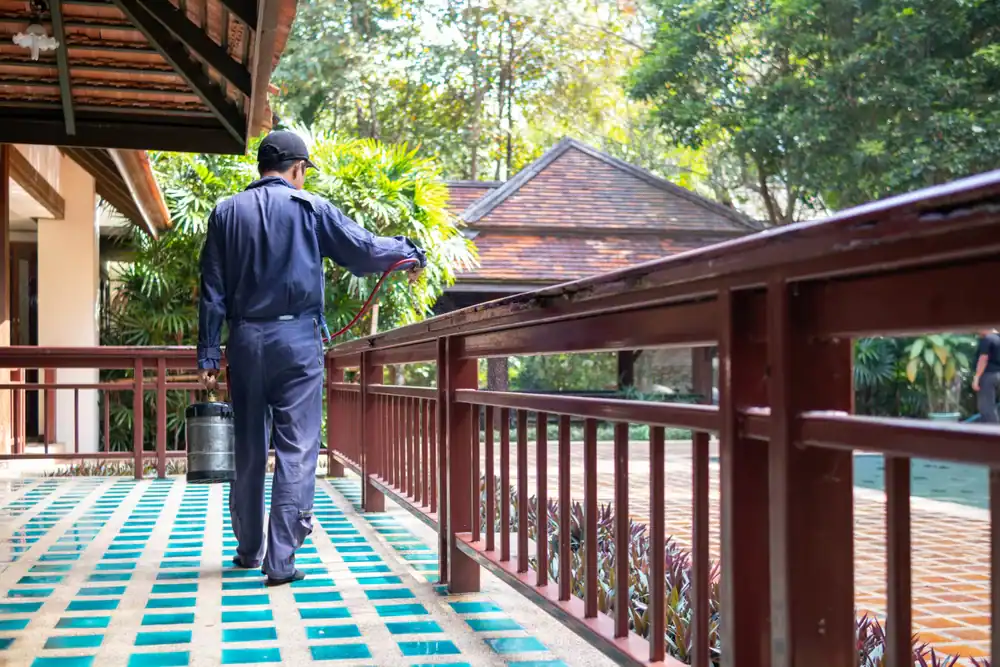
Most residential termite prevention services in Hernando County run between $400 and $800 for initial treatment, depending on your home’s size, construction type, and whether we’re treating for subterranean termites, drywood termites, or both. Annual renewal inspections and retreatments typically cost less—usually $200 to $400.
We give phone quotes for most jobs, so you’ll know the cost before we schedule anything. If your situation is unusual—like a pier-and-beam foundation with extensive crawl space access issues, or a large property with multiple structures—we’ll need to see it first. But we’re not going to lowball you on the phone and then surprise you with add-ons when we arrive.
Compare that to the $8,000 to $12,000 average repair cost for termite damage in Florida, and prevention makes financial sense. Your homeowner’s insurance won’t cover termite damage, so every dollar you spend on prevention is protecting money you’d otherwise lose.
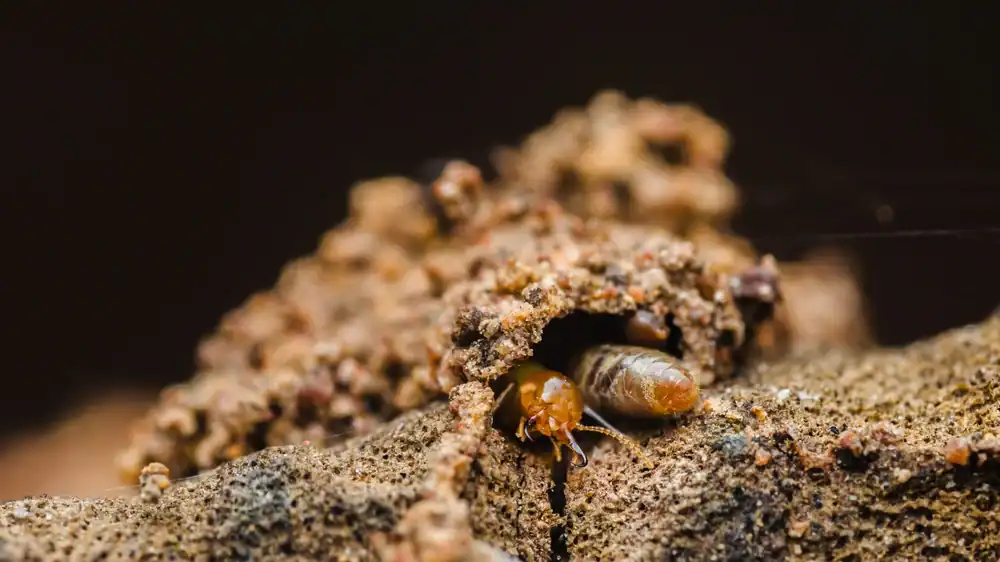
Subterranean termites live in the soil and build mud tubes to reach wood above ground. They’re the most common type in Cooglers Beach and need moisture to survive, so they’re often found near leaky pipes, poor drainage areas, or wood that’s in direct contact with soil. Treatment involves liquid barriers in the soil around your foundation.
Drywood termites don’t need soil contact or as much moisture. They infest the wood directly—often in attics, window frames, or furniture—and leave behind small piles of pellet-shaped droppings. You’ll sometimes see tiny holes in wood where they’ve kicked out the frass. Treatment usually requires localized applications or, in severe cases, fumigation.
Both types are active year-round in Florida’s climate, and both can cause serious damage if left untreated. The key difference for you as a homeowner is that subterranean termites are easier to prevent with barrier treatments, while drywood termites require more vigilance and sometimes more aggressive treatment methods. We’ll identify which type you’re dealing with during the inspection and recommend the right approach.
Annual inspections are the standard recommendation in Florida, and it’s not just pest control companies saying that—it’s based on how fast termites work in this climate. Florida’s warm, humid weather means termites stay active year-round and can consume wood up to seven times faster than in cooler regions.
Termites can feed on your home’s structure for three to five years before you notice visible damage. By the time you see sagging floors, hollow-sounding wood, or mud tubes on your foundation, they’ve already done thousands of dollars in damage. Annual inspections catch new activity early, when treatment is simpler and cheaper.
If you’re in a high-risk area—near water, with a history of termite problems, or in an older home with wood-to-ground contact—you might want inspections twice a year. We’ll recommend what makes sense for your specific property during the initial visit. And if you’re buying or selling a home, you’ll need a WDO inspection for the real estate transaction regardless of when your last regular inspection happened.
No. Standard homeowner’s insurance policies in Florida specifically exclude termite damage, along with other wood-destroying organism damage. Insurance companies consider termite damage preventable through regular maintenance and inspections, so they won’t pay for repairs.
That’s why prevention is essential, not optional. When termite damage costs $8,000 to $12,000 on average—and can exceed $20,000 in severe cases—you’re covering that entire bill out of pocket if you skip prevention and hope for the best.
Some people assume their home warranty or insurance will help, but those policies almost never cover termites. The only financial protection you have is preventing the problem before it starts. Annual termite protection plans cost a fraction of what you’d pay for repairs, and they give you documentation that you’ve maintained the property—which matters if you ever need to prove you weren’t negligent.
Mud tubes on your foundation or exterior walls are the most obvious sign of subterranean termites. These pencil-width tunnels protect termites as they travel between soil and wood. You’ll usually find them in corners, along cracks, or where the foundation meets the siding.
Inside, look for hollow-sounding wood when you tap on baseboards, door frames, or window sills. Termite-damaged wood sounds different because they eat the interior and leave a thin shell. You might also see sagging floors, stuck windows or doors, or small holes in drywall where swarmers emerged.
Drywood termites leave piles of tiny pellets that look like sawdust or coffee grounds, usually below the infested wood. You might also notice discarded wings near windows or doors after a swarm, which happens when new termite colonies are forming. If you see any of these signs in your Cooglers Beach home, don’t wait—termites work fast in Florida’s climate, and the damage compounds quickly. Call us for an inspection so we can assess how far the infestation has spread and what treatment approach will work.
You can reduce termite risk with maintenance—fixing leaks, keeping gutters clear, removing wood debris from around your foundation, and making sure soil slopes away from your house. Those steps help, and we’ll recommend them during inspections. But they won’t stop termites from finding their way to your home.
Professional treatment creates a chemical barrier that termites can’t cross or eliminates colonies that are already active. The products we use aren’t available at hardware stores, and the application method matters—if the barrier has gaps, termites will find them. We’re trained to identify vulnerable areas, apply treatments at the right concentration and depth, and address both current infestations and future prevention.
DIY termite treatments usually fail because homeowners don’t know where to apply product, how much to use, or which termite species they’re dealing with. You end up spending money on products that don’t work, and the termites keep eating your house while you think you’re protected. In Florida’s high-pressure termite environment, professional treatment isn’t overkill—it’s the only approach that consistently works. We’ll give you a phone quote so you know exactly what it costs before you decide.
Other Services we provide in Cooglers Beach