
Fast, reliable pest control from Hernando County’s most trusted family-owned team—with most quotes given over the phone.
Contact Info
Fast, reliable pest control from Hernando County’s most trusted family-owned team—with most quotes given over the phone.
Contact Info
You’re not dealing with repair bills that average $8,000 to $12,000. That’s what most homeowners in Hernando County pay when termites go undetected for just a few years.
You’re not scrambling to find coverage when your insurance company reminds you that termite damage isn’t covered. It almost never is in Florida because insurers consider it preventable.
You’re not watching a real estate deal fall apart because a WDO inspection found active termites during closing. You’re not explaining to buyers why there’s structural damage in the crawl space. You’re just living in your home, knowing it’s protected year-round by someone who actually answers the phone when you call.
Around The Clock Pest Service isn’t a call center or a franchise. When you call, you’re talking directly to the owner—not a scheduler, not a sales rep.
We’ve built our reputation in Hernando County and surrounding areas on over 100 five-star Google reviews because we show up, do the work right, and answer every call personally. Even on weekends.
Masaryktown homeowners deal with the same termite pressure as the rest of Florida—13 subterranean colonies per acre, year-round activity, and humidity that makes your home a termite buffet. We’ve been handling termite prevention services in Spring Hill, FL and throughout the region long enough to know what works and what’s just expensive theater.
First, we inspect your property. Not a quick walk-around—a real inspection of your foundation, crawl spaces, wood structures, and any area where termites typically enter. Termites only need a crack 1/32nd of an inch wide to get inside, so we’re looking at the details most people miss.
Then we apply a treatment barrier designed for both subterranean and drywood termites. Florida has both species, and they behave differently. Subterranean termites come up from the soil. Drywood termites fly in and nest inside your wood. Your treatment plan covers both.
After that, we monitor. An annual termite protection plan isn’t a one-and-done service. We come back, check for new activity, and adjust treatment as needed. If you’re buying or selling, we also provide WDO reports required for VA, FHA, and most conventional loans in Florida.

Ready to get started?
You get a full property inspection with attention to the areas termites actually target—not just the visible ones. We’re checking under your home, around your foundation, near moisture sources, and anywhere wood meets soil.
You get treatment that’s designed for Florida’s climate. Masaryktown sits in one of the highest termite-pressure zones in the country. Termites here consume wood up to seven times faster than they do in cooler states. Your treatment reflects that reality.
You get ongoing monitoring as part of your annual plan. A small colony of 60,000 termites can eat through a square foot of wood every month. We’re catching problems early, not after years of damage. And if you need a WDO inspection for a real estate transaction, we handle that too—fast, thorough, and state-certified.
You also get direct access to the owner, military and new homeowner discounts, and a 24-hour response commitment. Most quotes happen over the phone. No waiting, no runaround.
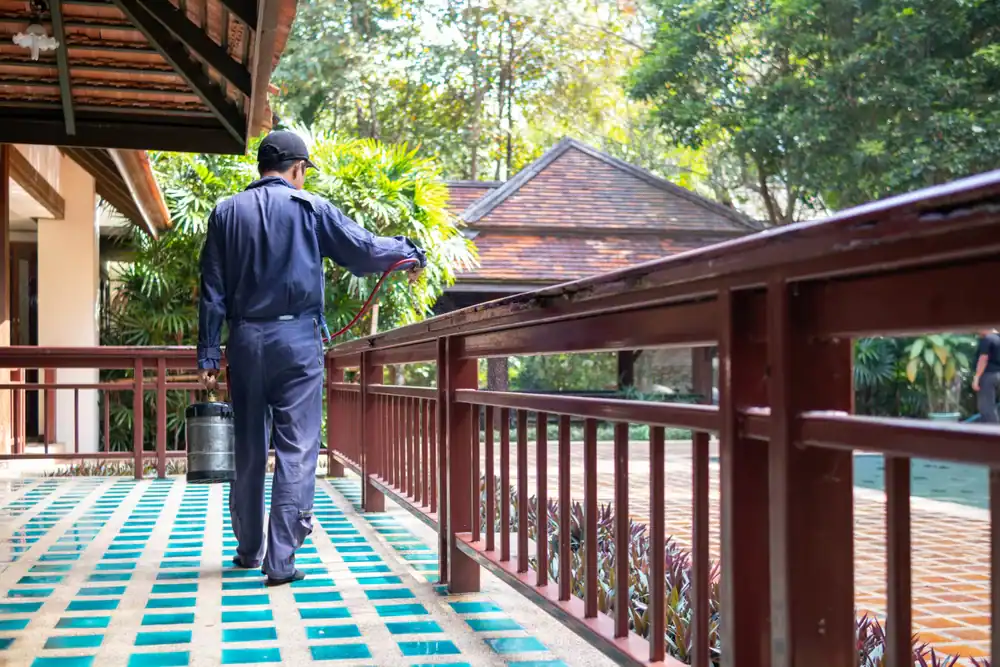
Prevention costs a fraction of what you’ll pay in repairs. The average termite damage repair in Florida runs between $8,000 and $12,000. Severe cases can exceed $20,000, and in extreme situations, homes can become uninhabitable in under two years.
An annual termite protection plan typically costs a few hundred dollars per year depending on your property size and treatment needs. That’s less than most homeowners spend on lawn care, and it’s protecting an asset worth hundreds of thousands of dollars.
The math is simple. You either pay a small amount now to prevent termites, or you pay a massive amount later to fix what they destroyed. And remember—your homeowner’s insurance won’t cover it. Termite damage is considered preventable, so you’re paying out of pocket either way.
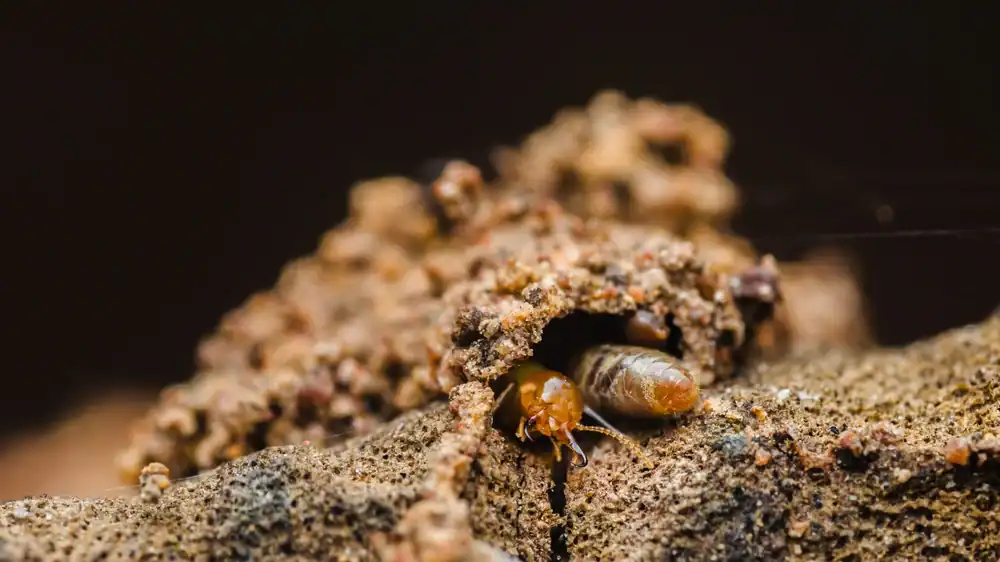
Subterranean termites live in the soil and build mud tubes up to your home’s wood structures. They’re the most common type in Masaryktown and throughout Hernando County. They need contact with soil for moisture, so they’re usually found around foundations, crawl spaces, and anywhere wood touches the ground.
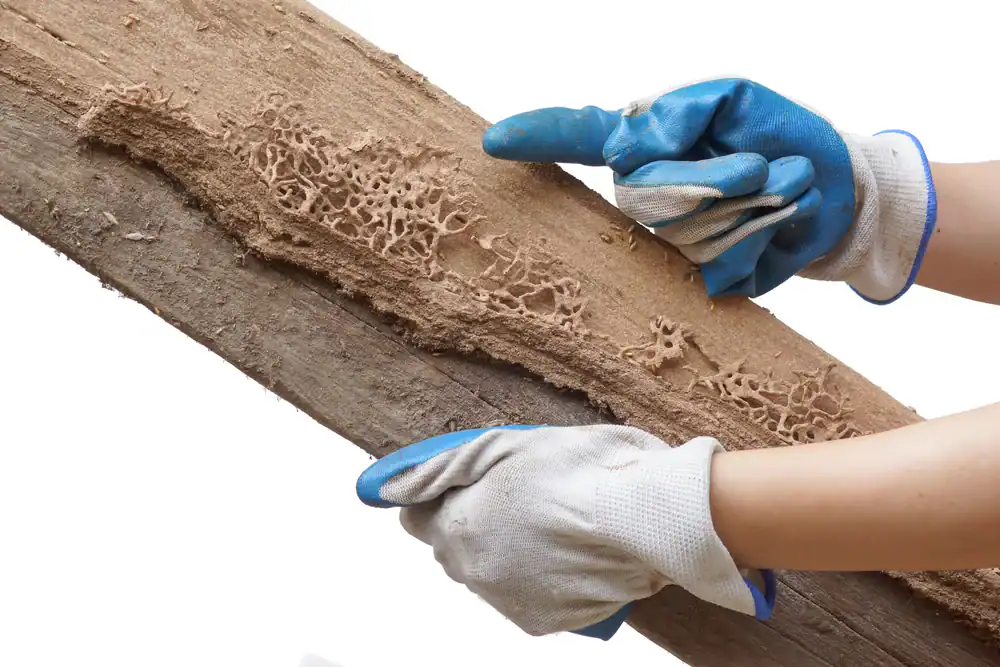
Drywood termites don’t need soil contact. They fly in, burrow into your wood, and live entirely inside the structure. You’ll find them in attics, window frames, and furniture. They’re harder to detect because they don’t leave mud tubes, but they’re just as destructive.
Florida has both species, which is why professional termite protection in Florida requires treatment designed for both types. A barrier that stops subterranean termites won’t necessarily stop drywood termites from flying in and nesting in your attic. You need comprehensive coverage, not just a one-size-fits-all approach.
At minimum, you need an annual inspection. Florida’s warm, humid climate means termites stay active year-round. There’s no “off season” where they slow down or go dormant like they do in colder states.
If you don’t have a preventative treatment plan in place, you should probably inspect more often—every six months isn’t overkill in high-pressure areas like Masaryktown. Termites can do serious damage in just a year or two, and by the time you see visible signs, they’ve usually been feeding for three to five years.
If you’re buying or selling a home, you’ll need a WDO inspection regardless of when your last one was. Lenders require it for VA loans and often for FHA and conventional financing. Even if it’s not required, most buyers won’t close without one. It’s just part of doing real estate in Florida.
No. Insurance companies in Florida very rarely cover termite damage because they classify it as preventable. If you maintain regular inspections and treatment, the logic goes, you shouldn’t have termite damage in the first place.
That’s why prevention is so critical. You’re not going to file a claim and have your insurance cut you a check for $10,000 in repairs. You’re paying for it yourself, and if the damage is severe enough, you might also be dealing with a drop in your home’s value and difficulty selling later.
Some policies might cover damage if it’s tied to a sudden, unforeseeable event—like a pipe burst that created conditions for termites—but that’s rare and hard to prove. The default assumption is that termite damage is your responsibility as a homeowner, which means the cost of prevention is always cheaper than the cost of ignoring it.
A WDO inspection checks for wood-destroying organisms—termites, carpenter ants, wood-boring beetles, and fungi. It’s required for VA financing and commonly required for FHA and conventional loans in Florida. Even when it’s not required, most buyers request one.
We inspect the entire property, including areas that aren’t part of a standard home inspection—crawl spaces, attics, basements, and any wood-to-soil contact points. We’re looking for active infestations, past damage, and conditions that could lead to future problems.
After the inspection, you get a written report that details what we found. If there’s active termite activity, that usually has to be treated before closing. If there’s old damage, buyers and sellers negotiate who pays for repairs. The inspection itself is fast—usually done within a day—and the report follows shortly after. It’s one of the most important steps in a Florida real estate transaction, and it can make or break a deal if issues are found.
Most professional treatments last about a year, which is why annual termite protection plans are standard in Florida. The treatment creates a barrier that termites can’t cross, but Florida’s heavy rain, humidity, and soil conditions can break down that barrier faster than in other states.
Some treatments last longer—liquid termiticides applied to the soil can remain effective for several years if conditions are right. But “if conditions are right” is doing a lot of work in that sentence. Florida’s weather is unpredictable, and what works for three years in Arizona might only work for one year here.
That’s why monitoring matters. Even with a long-lasting treatment, you need someone checking periodically to make sure it’s still working. Termites are persistent, and if they find a weak spot in your barrier, they’ll exploit it. An annual plan means you’re not guessing—you’re getting regular confirmation that your home is still protected.
Other Services we provide in Masaryktown