
Fast, reliable pest control from Hernando County’s most trusted family-owned team—with most quotes given over the phone.
Contact Info
Fast, reliable pest control from Hernando County’s most trusted family-owned team—with most quotes given over the phone.
Contact Info
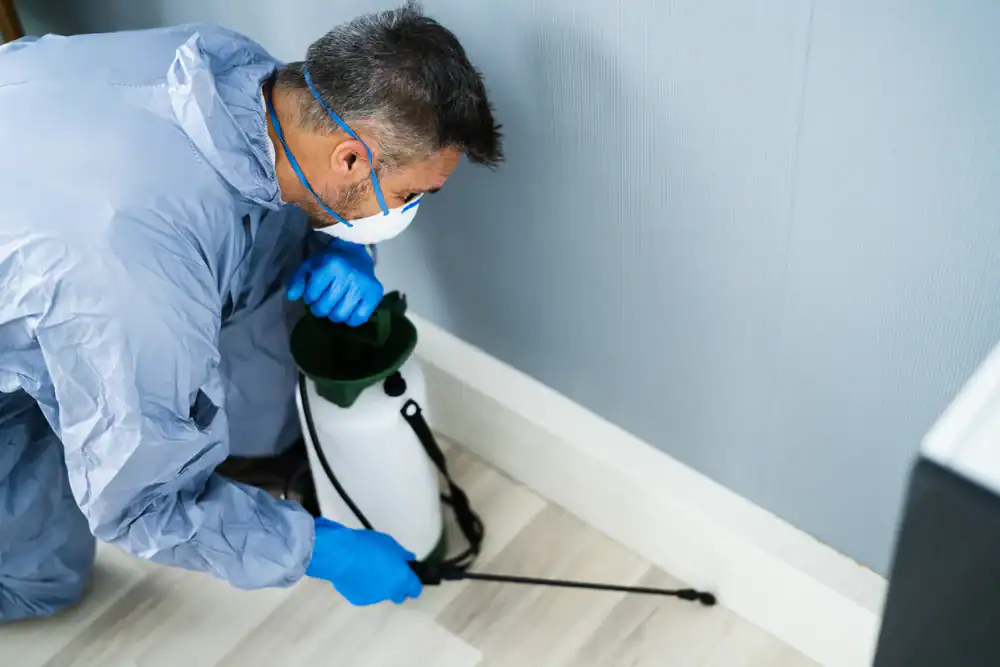
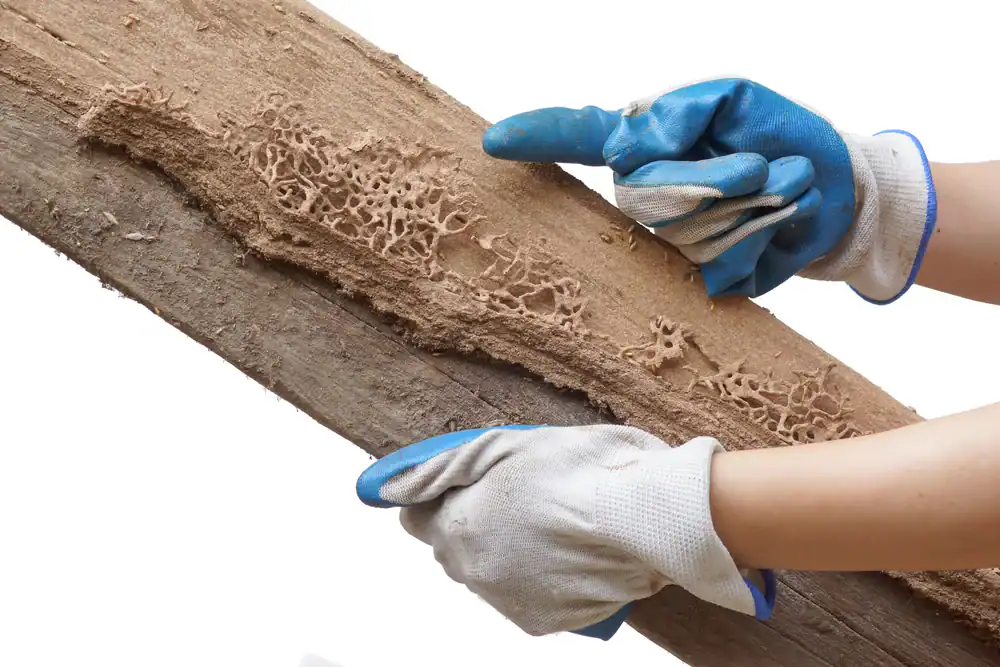
Termites cause over $500 million in damage to Florida homes every year. That’s more than fires, floods, and storms combined. The average repair bill runs $8,000 to $12,000 per incident.
Your insurance won’t cover it. Most policies exclude termite damage entirely because insurers consider it preventable.
Professional termite protection Florida homeowners rely on costs far less than fixing what termites destroy. You get year-round monitoring, treatment barriers that actually work, and direct access to someone who answers the phone when you call. No automated systems. No waiting days for a callback.
Nobleton’s warm, humid climate means termites don’t take a break. Subterranean colonies—13 per acre in Florida—will find your home. They need a crack just 1/32nd of an inch to get inside. Once they’re in, they can feed on your structure for three to five years before you notice anything’s wrong.
Prevention stops that cycle. You protect your investment before the damage starts, not after you’re staring at a five-figure repair estimate.
Around The Clock Pest Service is a family-run operation serving Hernando County and neighboring Florida counties. You work directly with the owner. No middleman. No call center.
George and Mary built this business on honest communication and 24/7 availability. That means weekends, early mornings, and direct responses within 24 hours. Over 100 five-star Google reviews back that up.
Nobleton homeowners deal with the same termite pressure as the rest of Southwest Florida—constant activity, multiple species, and climate conditions that let termites consume wood up to seven times faster than in cooler regions. You need someone who understands that and responds like it matters. Not someone reading from a script.
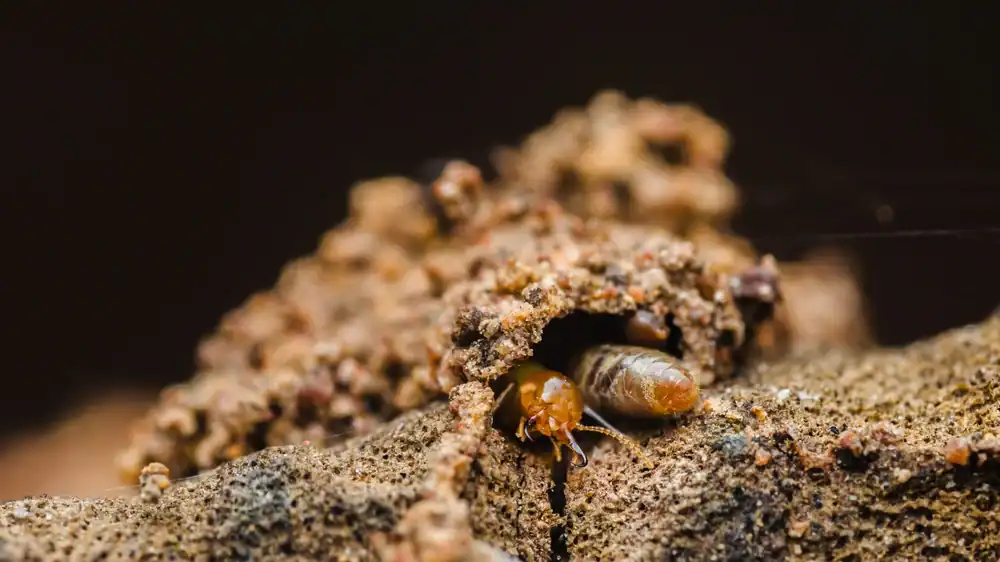
First, we inspect your property. That means checking the foundation, crawl spaces, moisture-prone areas, and any visible wood structures. We’re looking for active termites, signs of past damage, and conditions that invite future problems.
If we find termites, we treat them. If we don’t, we set up barriers to keep them out. Treatment methods depend on what your property needs—liquid barriers, bait systems, or targeted applications for drywood termites.
After the initial treatment, you get ongoing monitoring. Termites don’t stop trying to get in just because you treated once. Annual termite protection plans in Nobleton, FL include regular inspections and retreatment if needed.
You also get direct access to the owner. Questions about what you’re seeing around your property? Call. Need a WDO inspection for a real estate transaction? We handle those too. Most quotes happen over the phone because we’re not trying to upsell you on things you don’t need.
The goal is simple: keep termites out, catch problems early if they show up, and give you one less thing to worry about.

Ready to get started?
Residential termite defense in Pasco County and Hernando County covers subterranean, drywood, dampwood, and Formosan termites. All four types are active in this region. All four can cause serious damage.
Subterranean termites are the most common. They live in the soil and build mud tubes to reach wood. Formosan termites are more aggressive—larger colonies, faster feeding, and harder to eliminate once they’re established. Drywood termites don’t need soil contact. They infest attics, furniture, and framing.
Your protection plan includes inspections that check for all of them. We look at the areas most vulnerable to each species. We treat based on what’s actually happening at your property, not a one-size-fits-all approach.
Florida hosts 20 established termite species. Six are invasive and considered major structural pests. Nobleton sits in a zone where termite activity never stops. Winter doesn’t slow them down. Rain doesn’t drive them away. They’re a constant.
That’s why ongoing protection matters. One-time treatments don’t account for new colonies moving in or conditions changing around your property. Annual plans do. You get regular check-ins, retreatment if termites show up, and someone who knows your property’s history.
Special discounts are available for new homeowners and military families. If you just bought a home in Nobleton, FL, getting termite prevention services in place early saves you from inheriting someone else’s problem.
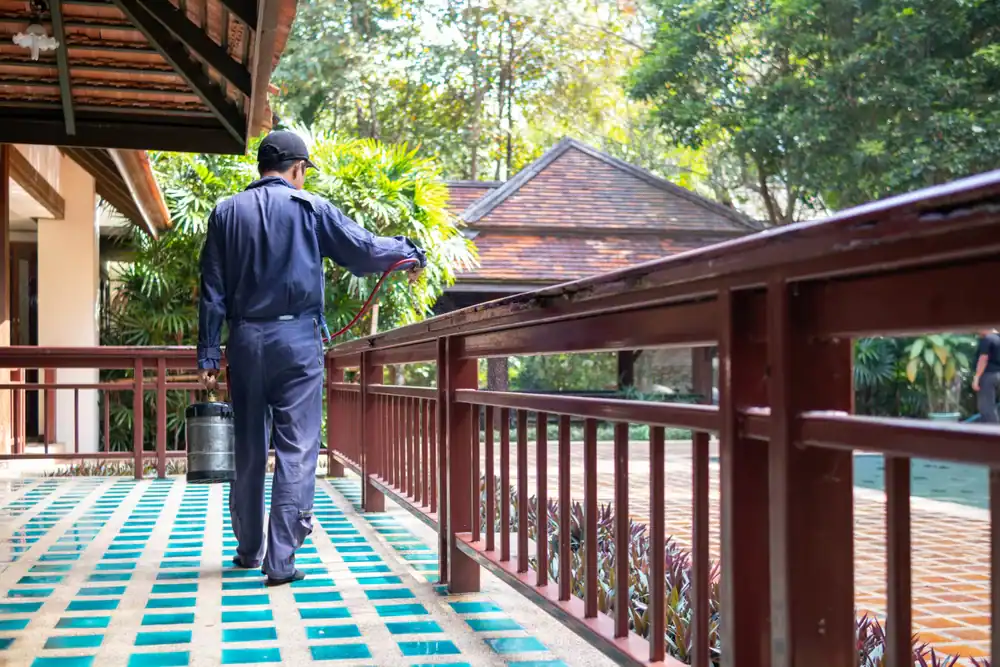
Prevention costs a few hundred dollars per year depending on your property size and treatment type. Repairing termite damage costs $8,000 to $12,000 on average in Florida. Severe cases run higher.
Insurance won’t cover termite damage. Policies exclude it because insurers consider termites preventable. That means you’re paying out of pocket for every repair, every board replacement, every structural fix.
Prevention stops the damage before it starts. You’re paying for barriers, monitoring, and treatment that keeps termites out. Repairs mean you’re paying for damage that’s already done—and hoping it didn’t spread further than you can see.
Subterranean termites live in the soil and need moisture. They build mud tubes to travel between the ground and wood. They’re the most common type in Nobleton, FL. Florida has 13 subterranean termite colonies per acre.
Drywood termites don’t need soil contact. They infest dry wood—attics, framing, furniture. They’re harder to detect because they don’t leave mud tubes. You usually find them when you see frass (termite droppings) or hear hollow-sounding wood.
Both types cause serious damage. Subterranean termites work faster because colony sizes are larger. Drywood termites are sneakier because they’re harder to spot early. Professional termite protection Florida homeowners use addresses both. You need inspections that check soil lines and interior wood, plus treatment methods that target each species where they live.
Yes. Most lenders require a WDO (Wood Destroying Organism) inspection before closing. Even if your lender doesn’t require it, you should get one. Termites can be feeding on a structure for three to five years before visible damage shows up.
A WDO inspection checks for active termites, past damage, and conditions that attract future infestations. If the inspector finds problems, you can negotiate repairs with the seller or walk away from the deal. Without an inspection, you’re buying blind.
We handle WDO inspections for real estate transactions throughout Hernando County. We provide the documentation your lender needs and give you a clear picture of what you’re buying into. If treatment is needed, we can handle that too—before you move in.
Once a year at minimum. Florida’s climate keeps termites active year-round. New colonies move in. Conditions around your property change. Moisture problems develop. Annual inspections catch issues early.
If you’re in a high-risk area—near wooded lots, wetlands, or properties with past termite activity—twice a year makes sense. Termites don’t wait for convenient timing. The faster you catch them, the less damage they cause.
Annual termite protection plans include regular inspections as part of the service. You’re not scheduling and paying for each visit separately. It’s built in. If termites show up between inspections, you call and we come out. No extra trip fees. No runaround.
DIY termite treatment usually makes the problem worse. Homeowners who spray store-bought products often scatter the colony. Termites sense the chemical and move to other parts of the house. Now you’ve got 25,000 termites spreading through areas you can’t see.
Professional treatment uses methods that eliminate the colony, not just the termites you can see. That means liquid barriers that termites can’t cross, bait systems that termites carry back to the nest, or targeted applications for drywood species inside walls and attics.
You also need the right equipment. Treating subterranean termites requires trenching around the foundation and injecting product into the soil. Drywood termites require drilling into wood and applying treatment under pressure. Most homeowners don’t have that equipment or the license to buy professional-grade products. We handle the treatment correctly the first time so you’re not paying twice to fix a DIY attempt that didn’t work.
If you’re on an annual termite protection plan, we come back and retreat at no additional cost. Termite prevention isn’t a one-and-done service. It’s ongoing protection that adapts to what’s happening at your property.
New colonies move in. Barriers break down over time. Conditions change—maybe you had a plumbing leak, or landscaping added mulch too close to the foundation. Those changes create new entry points.
Regular monitoring catches those changes before termites get established. If they do show up, we treat them as part of your plan. You’re not paying for a whole new service. You’re covered. That’s the difference between a one-time treatment and actual termite prevention services in Spring Hill FL and surrounding areas. One leaves you exposed after the first year. The other keeps working.