
Fast, reliable pest control from Hernando County’s most trusted family-owned team—with most quotes given over the phone.
Contact Info
Fast, reliable pest control from Hernando County’s most trusted family-owned team—with most quotes given over the phone.
Contact Info
You’re not dealing with termites because you did something wrong. You’re dealing with them because you live in Florida, where 13 subterranean termite colonies exist per acre and the warm, humid climate lets them feed year-round.
The difference between catching termites early and catching them late is about $8,000 to $12,000 in repair costs. That’s the average damage bill for Florida homeowners who didn’t know they had a problem until the structure was already compromised. Termites only need a crack 1/32nd of an inch to get inside, and they can feed on your home for three to five years before you notice anything.
Professional termite prevention in Rital, FL means scheduled inspections, state-certified treatments, and a protection plan that actually keeps up with how termites behave in Hernando County. You get early detection, documented coverage for real estate transactions, and the kind of protection your homeowner’s insurance won’t provide—because termite damage isn’t covered.
We’re a family-run business serving Rital, FL and the surrounding Hernando County area. When you call, you talk directly to the owner—not a call center, not a salesperson. You get a real quote over the phone, same-day or next-day service, and someone who treats your home like it’s their own.
We’re state-certified for termite inspections and WDO reports, which means we can handle everything from preventive treatments to the documentation you need when buying or selling a home. We’ve built our reputation on over 100 five-star Google reviews, a BBB A+ rating, and the kind of response time that actually matters when you’re worried about what’s happening inside your walls.
We offer military discounts and special pricing for new homeowners because we know what it’s like to stretch a budget while trying to protect what you’ve worked for.
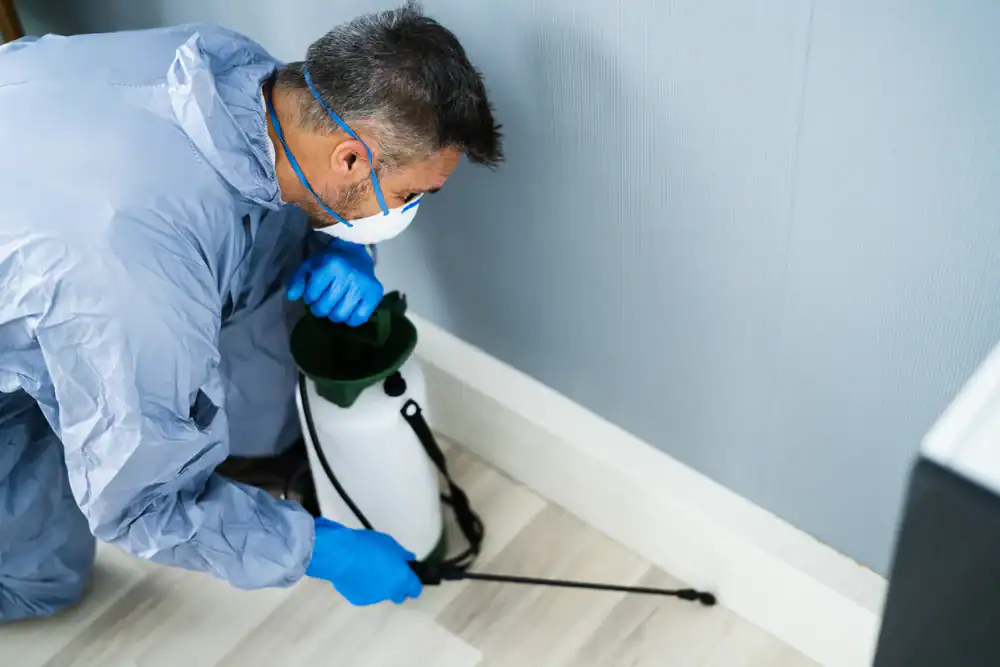
First, we do a full property inspection—inside, outside, crawl spaces, attic, anywhere termites are likely to enter or nest. We’re looking for active infestations, signs of past damage, conditions that attract termites, and entry points you might not know exist.
If we find termites, we’ll explain what species you’re dealing with, where they are, and what kind of treatment makes sense for your situation. Subterranean termites and drywood termites require different approaches, and we don’t use a one-size-fits-all method. Treatment might include liquid termiticides applied to the soil around your foundation, bait stations monitored over time, or localized treatments for drywood termites in specific areas.
After treatment, we set up an annual termite protection plan in Rital, FL that includes regular inspections and retreatment if needed. You’ll get documentation for your records, and if you ever need a WDO inspection for a real estate transaction, we handle that too. The goal is simple: catch problems early, treat them correctly, and keep your home protected year-round.

Ready to get started?
Your annual termite protection plan includes scheduled inspections timed to Florida’s termite activity patterns—especially during late winter and early spring when winged adults swarm and start new colonies. We inspect the exterior perimeter, interior vulnerable areas, and any structural wood that’s accessible.
You’ll get a written report after every visit that documents what we found, what we treated, and what to watch for. If termites show up between scheduled visits, we come back and handle it—that’s part of the protection plan. We also provide WDO (Wood Destroying Organism) inspection reports required by most mortgage lenders in Florida, so you’re covered whether you’re buying, selling, or refinancing.
In Hernando County, the combination of sandy soil, high humidity, and year-round warmth makes residential termite defense in Rital, FL more than a one-time treatment. It’s an ongoing process. Termites don’t take breaks, and neither does effective prevention. Our job is to stay ahead of them so you don’t end up with structural damage that could’ve been avoided.
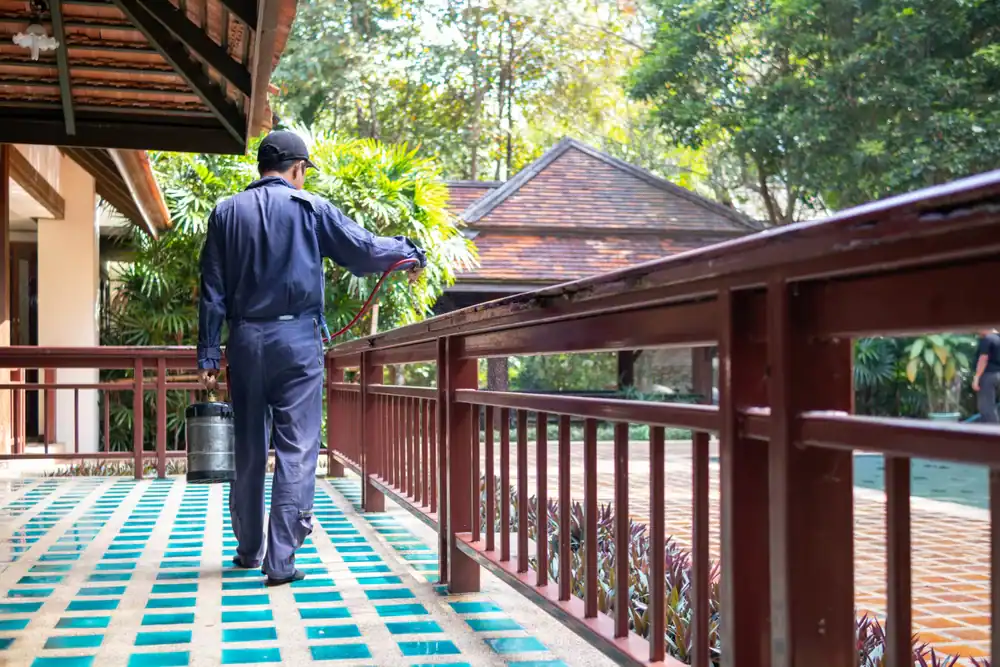
Termite prevention typically costs a few hundred dollars per year depending on your home’s size and the type of treatment plan you choose. Termite damage repair in Florida averages between $8,000 and $12,000 per incident, with severe cases exceeding $20,000. That’s the cost of replacing damaged floor joists, wall studs, roof framing, or subflooring—none of which is covered by homeowner’s insurance.
Prevention is always cheaper than repair, but the bigger issue is that termite damage doesn’t happen all at once. By the time you notice sagging floors, hollow-sounding wood, or visible tunnels, termites have usually been feeding for years. A professional termite protection plan in Rital, FL catches the problem during the inspection phase, before it becomes a structural issue.
Most homeowners don’t realize how fast termites work in Florida’s climate. They can consume wood up to seven times faster here than in cooler regions, which means a small colony can cause significant damage in less time than you’d expect.
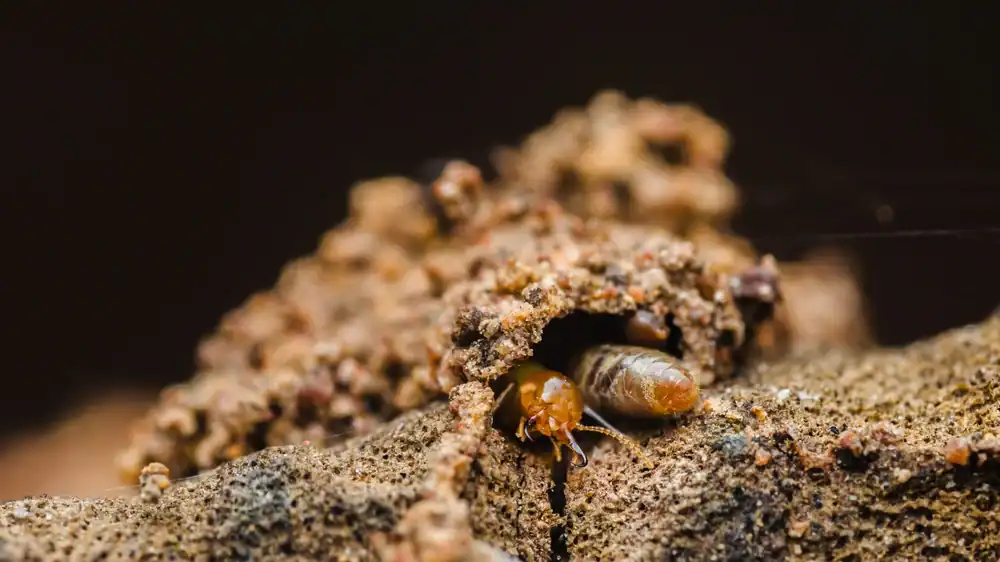
Subterranean termites live in the soil and build mud tubes to travel between their colony and your home’s wood. They need moisture to survive, so they’re usually found near the foundation, in crawl spaces, or anywhere wood contacts soil. These are the most common termites in Hernando County, and they’re responsible for the majority of structural damage in Florida.
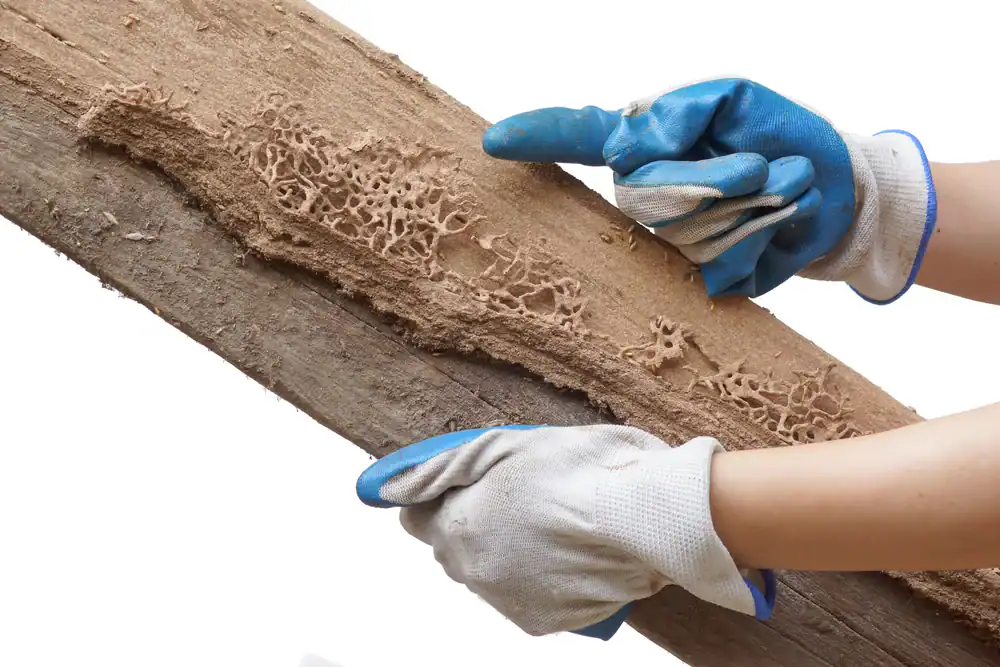
Drywood termites don’t need soil or moisture. They live entirely inside the wood they’re eating, which means they can infest attics, furniture, door frames, and window sills. You’ll usually find them by spotting small piles of fecal pellets that look like sawdust, or by noticing tiny holes in the wood surface.
The treatment approach is different for each species. Subterranean termites are typically treated with liquid termiticides applied to the soil or bait systems placed around the property. Drywood termites require localized treatments like wood injections or fumigation in severe cases. A proper inspection identifies which species you’re dealing with so the treatment actually works.
Yes. Most mortgage lenders in Florida require a WDO (Wood Destroying Organism) inspection before they’ll approve a home loan. Even if your lender doesn’t require it, you should get one anyway—termite damage is expensive, and it’s not something a standard home inspection always catches.
A WDO inspection is more thorough than a general pest inspection. It specifically looks for termites, carpenter ants, wood-boring beetles, and fungus that damages wood. The inspector checks the attic, crawl spaces, garage, exterior wood, and any area where wood is vulnerable. You’ll get a written report that documents any findings, which you can use to negotiate repairs or treatment before closing.
If you’re selling a home, having a recent WDO inspection report ready can speed up the transaction and show buyers that you’ve been proactive about maintenance. We provide state-certified WDO inspections in Rital, FL with same-day or next-day availability, so you’re not waiting weeks for an appointment.
Annual inspections are the standard recommendation in Florida, but some situations call for more frequent checks. If you’ve had termites before, if your home has a crawl space, or if you’re in an area with high termite activity, twice-a-year inspections make sense.
Termites can establish a colony and start causing damage within a single year, especially in Florida’s climate where they stay active all twelve months. An annual inspection catches new activity before it turns into structural damage. It also gives you documentation that shows you’ve been maintaining the property, which matters for insurance claims, resale value, and your own peace of mind.
Spring is the most important time to inspect because that’s when termite swarms happen. Winged termites leave established colonies to start new ones, and if they land near your home, they can get inside and start feeding within weeks. A pre-spring inspection identifies vulnerable areas and treats them before swarming season starts.
Mud tubes on your foundation or exterior walls are the most obvious sign of subterranean termites. These tubes are about the width of a pencil and run from the soil up to the wood. Termites build them for protection while they travel between the colony and their food source.
Hollow-sounding wood is another indicator. If you tap on a baseboard, door frame, or window sill and it sounds hollow or papery, termites may have eaten through the interior. You might also notice wood that looks blistered or damaged, even though there’s no water leak or visible rot.
Drywood termites leave small piles of fecal pellets that look like tiny grains of sand or sawdust. You’ll usually find these piles below infested wood, near window sills, door frames, or in corners of rooms. Discarded wings near windows or doors during spring and early summer mean a swarm happened nearby, and new termites may be looking for a place to nest. If you see any of these signs, call for an inspection right away—the sooner termites are treated, the less damage they cause.
No. Standard homeowner’s insurance policies specifically exclude termite damage from coverage. Insurance companies consider termites a preventable maintenance issue, not a sudden or accidental event, which means repairs come out of your pocket.
This is why termite prevention in Rital, FL is so important. You can’t rely on insurance to cover the cost of replacing damaged floor joists, wall studs, or roof framing. The average repair bill is $8,000 to $12,000, and that’s assuming the damage is caught relatively early. Severe infestations that compromise structural integrity can cost $20,000 or more.
Some insurance policies offer optional termite damage riders, but they’re rare and usually come with strict requirements like proof of regular professional inspections and treatments. Even with a rider, coverage is often limited. The most reliable way to protect your investment is with an annual termite protection plan that includes regular inspections and treatment if termites show up.