
Fast, reliable pest control from Hernando County’s most trusted family-owned team—with most quotes given over the phone.
Contact Info
Fast, reliable pest control from Hernando County’s most trusted family-owned team—with most quotes given over the phone.
Contact Info
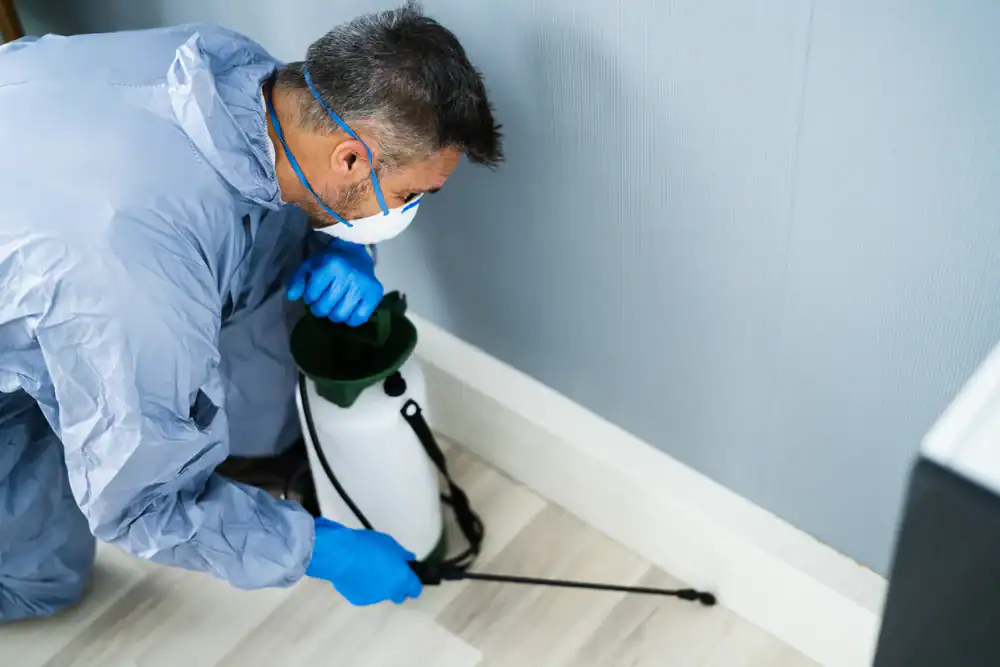
You’re not looking for a one-time spray and a handshake. You need real protection against termites that stay active 365 days a year in Florida’s climate.
That’s what an annual termite protection plan actually does. It creates a barrier around your property, monitors for early warning signs, and catches activity before it turns into structural damage. You get scheduled inspections, treatment adjustments as needed, and direct access to someone who knows your property.
Most homeowners in Seven Springs don’t realize termites can feed on a structure for three to five years before anyone notices. By then, the damage is done. Prevention stops that clock from starting. It’s the difference between spending $195 a year on protection or $12,000 on repairs that come out of your pocket—not your insurance company’s.
Around The Clock Pest Service is a family-run business serving Seven Springs, Spring Hill, and Hernando County. When you call, you’re talking to Mary or George—the owners. When someone shows up, it’s George doing the work.
We’ve been doing this for over 14 years because we answer the phone, show up on time, and tell you what’s actually happening at your property. No upselling. No runaround. We’re licensed by the Florida Department of Agriculture, A+ rated with the BBB, and we’ve earned over 100 five-star reviews by treating people’s homes the way we’d want ours treated.
Seven Springs sits in an area where sandy soil and year-round humidity make termite pressure constant. We know the local conditions, the species you’re dealing with, and what actually works here.
First, we’ll talk through what you’re seeing or concerned about. Most quotes happen over the phone because we’re not trying to get into your house to pressure you. If an inspection makes sense, we’ll schedule it fast—usually same-day or next-day.
During the inspection, George walks your property inside and out. He’s looking for mud tubes, wood damage, moisture issues, and conducive conditions. You’ll get a clear explanation of what’s there, what’s not, and what needs to happen. If treatment is needed, we explain the process, the products, and the cost before anything starts.
For ongoing prevention, we set up an annual termite protection plan. That includes an initial treatment to establish a protective barrier, then scheduled follow-ups to monitor and retreat as needed. You’re not locked into some contract you can’t get out of—this is about keeping your home safe, not keeping you stuck.
We also handle WDO inspections for real estate transactions if you’re buying or selling. Those are done on your timeline and reported clearly for lenders and title companies.

Ready to get started?
Our termite prevention services in Seven Springs, FL include a full property inspection, identification of termite species and activity level, and a treatment plan based on what’s happening at your home—not a one-size-fits-all approach.
We use liquid termiticides applied to the soil around your foundation, creating a treated zone that kills termites on contact and repels new colonies. For active infestations, we treat the affected areas directly and address conducive conditions like moisture problems or wood-to-ground contact that invite termites in.
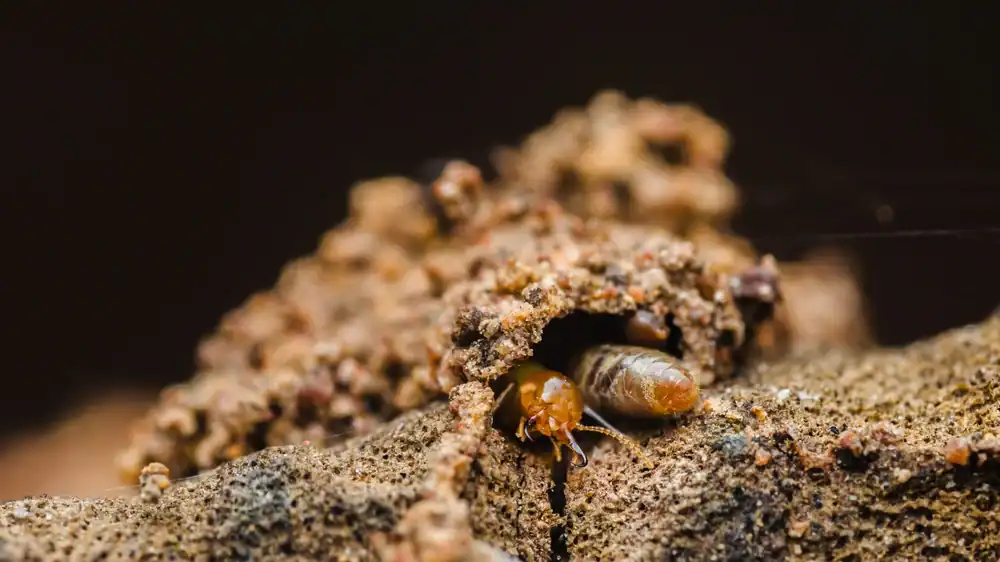
Florida has 20 established termite species, but subterranean termites cause the most damage in Hernando County. These termites build colonies in the soil—up to 13 colonies per acre in some areas—and travel underground to feed on your home’s wood. They’re active year-round here, and they work fast. In Florida’s heat and humidity, they can consume wood seven times faster than in cooler climates.
That’s why ongoing monitoring matters. We come back to check the barrier, look for new activity, and retreat if needed. You also get phone support anytime—even at 3 a.m. if you spot something and need to know if it’s urgent.
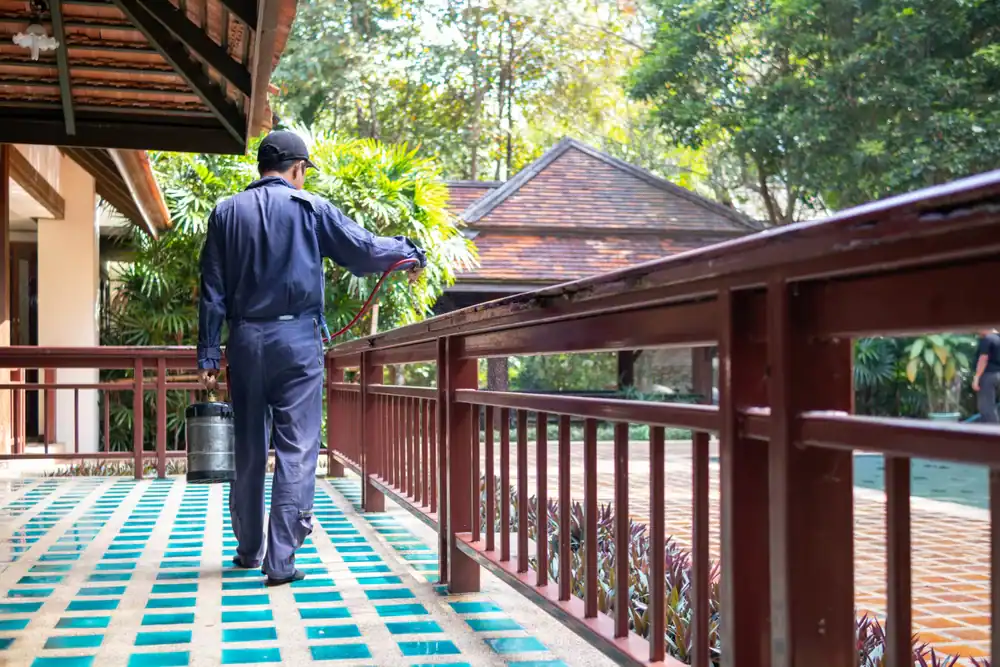
Annual termite protection plans start at $195 per year for most homes in Seven Springs. That covers your initial treatment, scheduled inspections, and follow-up treatments as needed throughout the year.
The actual cost depends on your home’s size, the level of termite pressure in your area, and whether there’s existing damage that needs treatment first. We give quotes over the phone in most cases, so you know what you’re looking at before anyone drives out.
Compare that to the average termite damage repair in Florida: $8,000 to $12,000 per incident. Severe cases can run over $20,000. And none of that is covered by homeowner’s insurance—it’s considered preventable damage. Spending a couple hundred a year to avoid spending thousands out of pocket is about as straightforward as it gets.
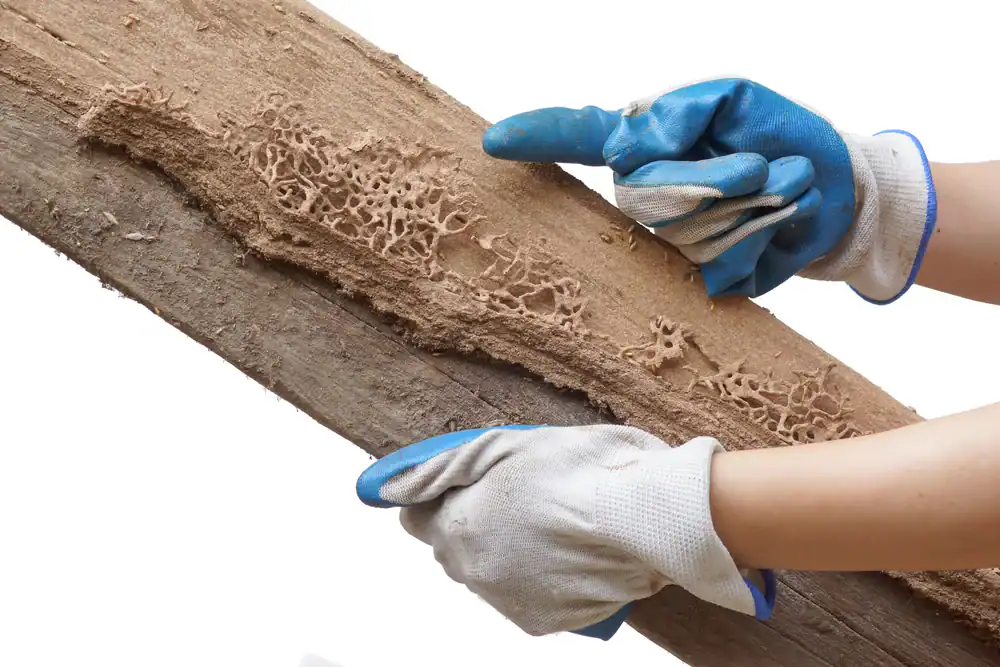
The most common sign is mud tubes running up your foundation or along baseboards. Subterranean termites build these tunnels to travel between the soil and the wood they’re feeding on. They’re about the width of a pencil and usually brown or tan.
You might also see wood that sounds hollow when you tap it, sagging floors or ceilings, or small piles of what looks like sawdust near wooden structures. During spring and early summer, you may notice swarmers—winged termites that look like flying ants. If you see swarmers inside your home, there’s likely an active colony nearby.
Here’s the problem: most people don’t see any signs until the damage is already serious. Termites eat from the inside out, so by the time the surface wood shows damage, they’ve been feeding for years. That’s why scheduled inspections catch things early, when treatment is simpler and cheaper.
A professional liquid termiticide treatment typically lasts three to five years when applied correctly. But Florida’s climate, soil conditions, and high termite pressure mean you shouldn’t wait that long between inspections.
We recommend annual inspections and retreatment as part of an ongoing protection plan. That way, if the barrier breaks down in a specific area—due to heavy rain, landscaping changes, or new construction nearby—we catch it before termites do.
Termites don’t take breaks in Florida. They’re active year-round, and they’re always looking for a way in. An annual plan keeps the barrier strong and gives you someone checking for new activity before it becomes a bigger problem. It’s not about selling you more service—it’s about not letting a $200 prevention plan turn into a $10,000 repair bill because we waited too long.
Yes. Most lenders require a WDO (Wood Destroying Organism) inspection before they’ll approve your mortgage. Even if they don’t, you should get one anyway.
A WDO inspection checks for termites, wood-boring beetles, and carpenter ants—anything that damages the structure. If the inspector finds active termites or previous damage, you’ll know before you close. That gives you leverage to negotiate repairs, ask the seller to treat the property, or adjust your offer.
We do WDO inspections for real estate transactions all the time in Seven Springs and surrounding areas. The inspection is thorough, the report is clear, and we work on your timeline so it doesn’t hold up closing. If treatment is needed, we can handle that too—but the inspection itself is separate and unbiased. You’re getting the truth about what’s there, not a sales pitch.
You can reduce the risk by fixing moisture problems, keeping mulch away from your foundation, and removing wood debris from your yard. Those steps help. But they don’t stop subterranean termites that are already in the soil around your home.
Professional termite prevention uses products and application methods you can’t buy or do yourself. We’re licensed to apply liquid termiticides that create a treated zone in the soil—termites that cross it die, and new colonies avoid it. The equipment, the chemicals, and the knowledge of where and how to apply them make the difference between hoping you’re protected and knowing you are.
DIY treatments you’ll find at hardware stores might kill termites you can see, but they don’t address the colony underground. And if you’re dealing with an active infestation, a surface spray isn’t going to cut it. You need someone who knows how termites behave in Florida, what species you’re dealing with, and how to treat the problem at the source.
Prevention is what you do before termites show up. It’s a protective barrier applied around your home that stops termites from getting in. Treatment is what happens after they’re already there—it kills the active infestation and addresses the damage they’ve caused.
Prevention costs less, takes less time, and saves you from dealing with repairs. Treatment costs more because we’re solving a bigger problem. If there’s already an infestation, we treat that first, then shift to prevention so it doesn’t happen again.
Most homeowners in Seven Springs don’t think about termites until they see damage. By then, you’re paying for treatment and repairs. An annual termite protection plan is prevention—it keeps you out of that situation. You’re spending a small amount every year to avoid spending a large amount all at once when the damage is done and the termites have already moved in.
Other Services we provide in Seven Springs