
Fast, reliable pest control from Hernando County’s most trusted family-owned team—with most quotes given over the phone.
Contact Info
Fast, reliable pest control from Hernando County’s most trusted family-owned team—with most quotes given over the phone.
Contact Info
Florida kitchens attract two main roach species: palmetto bugs and German cockroaches. Understanding the difference determines whether you need a one-time fix or professional intervention.
You flip on the kitchen light at 2 AM for a glass of water, and there it is. A roach. Maybe it’s huge and reddish-brown, scurrying toward the baseboards. Or maybe it’s small, tan, and lightning-fast. Either way, you’re awake now, and so is the question: is this a one-time visitor, or do you have a real problem?
In Florida, roaches aren’t just a nuisance. They’re a fact of life, especially in kitchens where warmth, moisture, and food create the perfect environment. But not all roaches are the same, and knowing what you’re dealing with makes all the difference. Professional roach control services focus on identifying the species, eliminating hidden nesting areas, and preventing reinfestation for long-term protection.
Let’s break down what’s actually happening in your kitchen, what works, and what doesn’t. The right treatment plan targets the source of the infestation—not just the roaches you see.
The term “palmetto bug” gets thrown around a lot in Florida, but it’s not always accurate. Most people use it to describe any large roach they see, but the real palmetto bug is actually the Florida woods cockroach. What you’re probably seeing is an American cockroach, the big reddish-brown ones that can fly and love damp, dark spaces.
German cockroaches are a completely different story. They’re smaller, tan or light brown, with two dark stripes running down their backs. They don’t fly much, but they reproduce fast and prefer to live indoors, especially in kitchens and bathrooms. If you’re seeing small roaches during the day, you likely have a German roach infestation, not just a stray palmetto bug.
The difference matters because palmetto bugs usually wander in from outside. They’re looking for food or shelter, but they don’t typically nest indoors in large numbers. German roaches, on the other hand, move in and multiply. One female can produce hundreds of offspring in her lifetime, and once they’re established, they’re incredibly hard to eliminate without professional help.
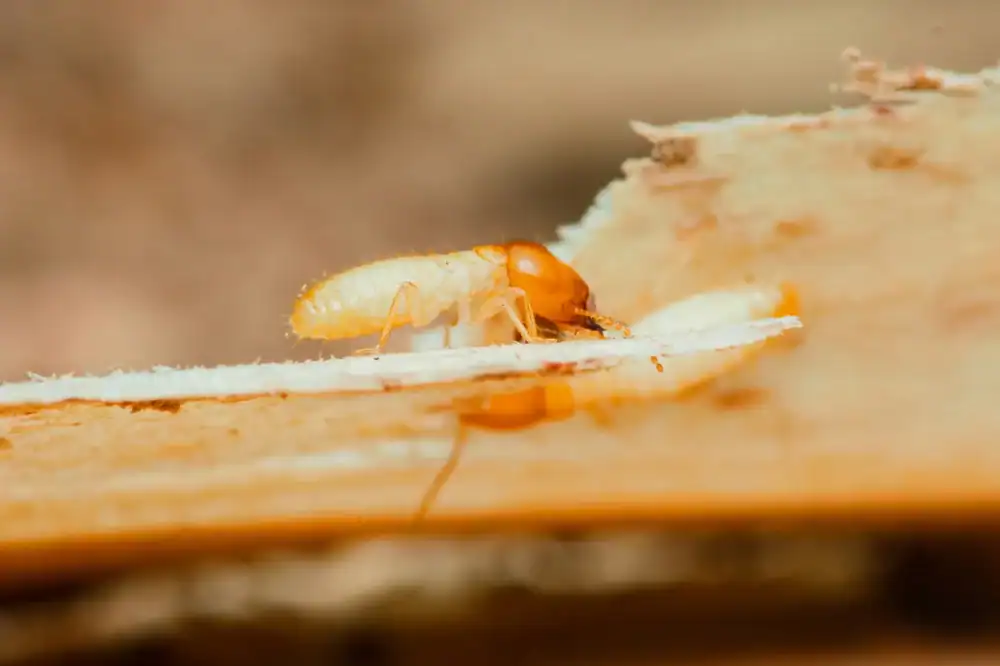
Florida’s climate is perfect for roaches. The heat, humidity, and year-round warmth mean these pests never go dormant like they do in colder states. Your kitchen offers everything they need: food crumbs, grease buildup, moisture from sinks and dishwashers, and plenty of hiding spots behind appliances and inside cabinets.
Roaches are drawn to water more than food. A leaky pipe under your sink, condensation behind the refrigerator, or even a damp sponge left on the counter can attract them. They’re also opportunistic feeders, meaning they’ll eat just about anything—crumbs, pet food, grease, even the glue on cardboard boxes. That’s why kitchens become ground zero for infestations.
Even clean kitchens aren’t immune. You can wipe down counters every night and still have roaches if there’s moisture, warmth, or tiny entry points they can squeeze through. Roaches can fit through cracks as thin as a credit card, so gaps around pipes, baseboards, or door frames are open invitations. And once they’re inside, they leave behind pheromones that signal to other roaches that your kitchen is a safe place to settle.
Florida’s outdoor roach population also plays a role. After a heavy rain, palmetto bugs get flushed out of their outdoor hiding spots and seek shelter indoors. They’re attracted to porch lights and can fly right toward your door or windows. If you’ve got gaps in your weather stripping or cracks in your foundation, they’ll find their way in. The key difference is that outdoor roaches like palmetto bugs usually don’t establish colonies inside your home. German roaches, however, are a different beast entirely.
Seeing one large roach doesn’t always mean you have an infestation. If it’s a palmetto bug—big, reddish-brown, and probably startled by the light—it may have just wandered in from outside. These roaches prefer living outdoors in mulch, woodpiles, or under decks. If you only see one occasionally, especially after rain, it’s likely a stray.
But if you’re seeing small roaches, especially more than one, you’ve got a problem. German roaches are nocturnal, so if you’re spotting them during the day, it usually means the population is large enough that they’re being forced out of their hiding spots. Look for other signs: tiny droppings that resemble coffee grounds or black pepper, egg casings (small, brown, and oval-shaped), or a musty odor in cabinets or under the sink.
Check behind your appliances. Pull out the stove, refrigerator, or dishwasher and look for droppings, shed skins, or live roaches. German roaches love the warmth and moisture these appliances provide, and they’ll nest in the tight spaces where you can’t easily reach them. If you find evidence of roaches in multiple spots, or if you’re seeing them regularly, you’re dealing with an infestation, not a one-off visitor.
Another telltale sign is seeing baby roaches, also called nymphs. These are smaller, darker versions of adult German roaches, and their presence confirms that adults are breeding inside your home. Nymphs don’t travel far from their nest, so if you’re seeing them, the colony is nearby—likely behind your cabinets, under the sink, or inside the walls. At this point, DIY methods won’t cut it. You need a targeted approach that eliminates the entire colony, not just the roaches you can see.
Want live answers?
Connect with a Around The Clock Pest Service expert for fast, friendly support.
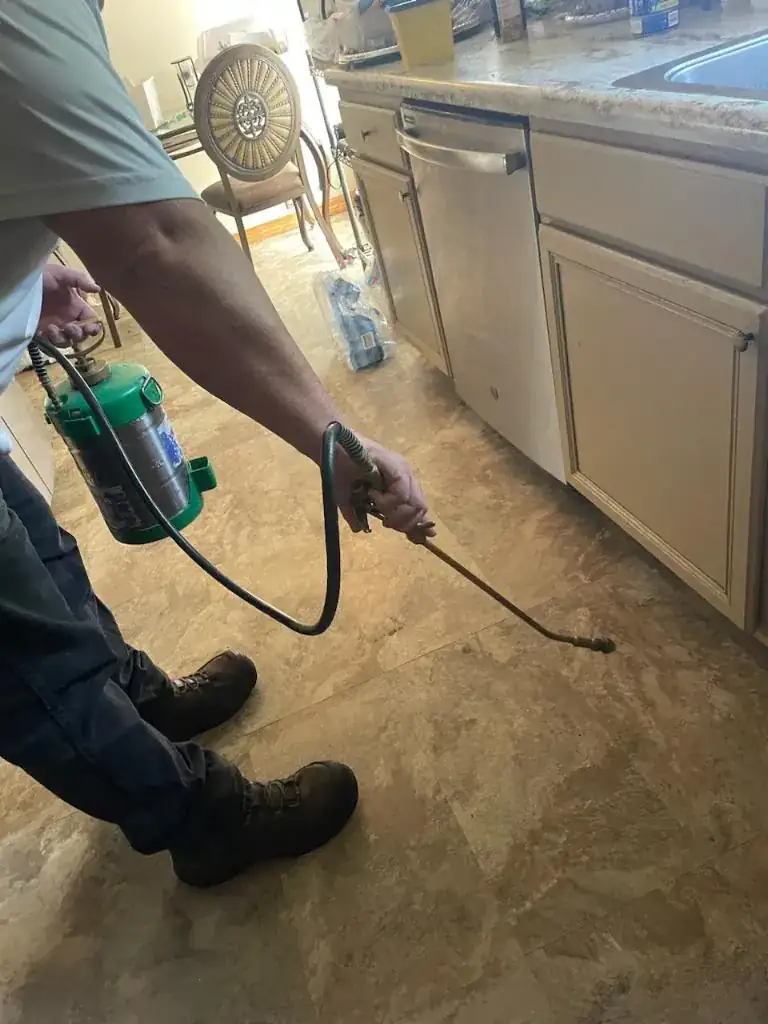
Walk into any hardware store in Florida and you’ll find an entire aisle dedicated to roach control. Sprays, traps, foggers, bait stations—it all promises fast results. And sure, you might kill a few roaches. But a few weeks later, they’re back. That’s because most DIY products only target the roaches you can see, not the ones hiding in your walls, behind your appliances, or inside your cabinets.
Sprays are the biggest offender. They kill on contact, which sounds great until you realize that roaches scatter when they sense danger. You’re not eliminating the colony; you’re just chasing them deeper into hiding. Worse, many sprays are repellent-based, meaning roaches will actively avoid treated areas. That doesn’t solve the problem—it just moves it somewhere else in your home.
Foggers, or “roach bombs,” are even less effective. They release a cloud of insecticide that settles on surfaces, but roaches spend most of their time in cracks, crevices, and voids where the fog can’t reach. You’ll kill a few stragglers, but the colony remains intact. Plus, foggers can be dangerous if not used correctly, and they often require you to leave your home for hours. For the effort and risk involved, the results are disappointing.

Professional roach baiting is different. Instead of trying to kill roaches on contact, bait works by attracting them to a food source laced with a slow-acting insecticide. The roaches eat the bait, return to their nest, and die. But here’s the key: before they die, they spread the insecticide to other roaches through their droppings and body fluids. This creates a cascading effect that wipes out the entire colony, including the roaches you never see.
The bait itself is designed to be more attractive than anything else in your kitchen. Roaches are picky eaters, and if they have access to crumbs, grease, or pet food, they’ll ignore cheap bait stations. Professional-grade baits use high-quality attractants that roaches can’t resist, even in a kitchen with other food sources. And because the insecticide is slow-acting, roaches have time to return to the nest and infect others before they die.
Placement matters just as much as the bait itself. We know where roaches hide—behind appliances, inside wall voids, under sinks, and along baseboards. We apply bait in small, targeted amounts in these high-traffic areas, ensuring maximum exposure. Store-bought bait stations, on the other hand, are often placed in the wrong spots or used in quantities that aren’t effective. You might see some results, but you won’t eliminate the colony.
Another advantage of professional baiting is the use of insect growth regulators, or IGRs. These chemicals disrupt the roaches’ reproductive cycle, preventing nymphs from maturing into adults. Even if some roaches survive the initial treatment, they can’t reproduce, which stops the infestation from bouncing back. This combination of bait and IGRs is what makes professional treatment so effective, especially for German roaches, which reproduce incredibly fast.
Professional treatment works best when your kitchen isn’t competing with the bait. Roaches are opportunistic, so if they have easy access to food and water, they’ll ignore even the best bait. Start by eliminating their food sources. Wipe down counters every night, sweep up crumbs, and don’t leave dirty dishes in the sink overnight. Store food in airtight containers—roaches can chew through cardboard and thin plastic, so glass or thick plastic is better.
Fix any leaks under the sink or around your dishwasher. Roaches need water to survive, and even a small drip can sustain a colony. Check the drip pan under your refrigerator, too—it’s a common hiding spot because it’s warm, damp, and out of sight. If you have pets, don’t leave their food and water bowls out overnight. Roaches love pet food, and it’s often left in easy-to-reach spots on the floor.
Seal up entry points. Check around pipes, baseboards, and door frames for gaps or cracks. Use caulk to seal them, paying special attention to areas where plumbing enters your home. Roaches can squeeze through incredibly small spaces, so even tiny gaps are worth sealing. If you have gaps under your doors, install door sweeps to block their entry.
Declutter your kitchen. Roaches love cardboard because it’s easy to chew through and provides a warm, moist hiding spot. If you’re storing items in cardboard boxes, switch to plastic bins with tight-fitting lids. Clear out cabinets and drawers, and check for signs of roaches—droppings, egg casings, or shed skins. The cleaner and less cluttered your kitchen, the easier it is for us to treat the problem effectively. These steps won’t eliminate an infestation on their own, but they’ll make professional treatment far more effective and help prevent future problems.
If you’re seeing roaches regularly, especially small ones during the day, it’s time to call for help. DIY methods might slow them down, but they won’t eliminate the colony. Professional roach baiting targets the entire infestation, not just the roaches you can see, and it’s the most effective way to get rid of German roaches for good.
At Around the Clock Pest Service, we understand Florida roaches. As a family-run business serving Pasco and Hernando counties, we offer honest advice, fast service, and professional-grade solutions that actually work. You’ll work directly with the owner, get quotes over the phone, and receive responses within 24 hours—even on weekends. We’re not here to sell you something you don’t need. We’re here to solve the problem and give you peace of mind.
If you’re tired of sharing your kitchen with roaches, reach out to us. We’ll walk you through what’s happening, explain your options, and help you take back your home.
Summary:
Article details:
Share: