
Fast, reliable pest control from Hernando County’s most trusted family-owned team—with most quotes given over the phone.
Contact Info
Fast, reliable pest control from Hernando County’s most trusted family-owned team—with most quotes given over the phone.
Contact Info
More Florida homeowners are scheduling spider control and rodent prevention before seeing a single pest. Discover the shift toward proactive protection.
Most people think of an exterminator as a “Ghostbuster”—someone you call only when a supernatural bug event occurs. You see a roach doing backflips in the kitchen or a spider the size of a dinner plate, and then you panic-dial. That’s the reactive approach, and it’s how people have done it for years.
But here’s the flaw in that logic. Pest activity doesn’t start the moment you scream—it starts weeks or even months earlier. By the time you spot one solitary mouse, there’s likely a three-generation family reunion happening in a wall void you can’t reach. By the time you see a web, the spiders have already claimed your attic as their own personal sovereign territory.
Preventive pest control flips the script. Instead of being the guy cleaning up the mess, you’re the bouncer at the door. You create barriers, seal the “secret passages,” and address the crumbs or leaks that attract them before your home becomes the neighborhood’s favorite “hot spot.”

Termites don’t exactly drop a “thank you” note before they start snacking on your structural beams. Rodents don’t ask for permission before they decide your electrical wiring looks like a delicious spaghetti dinner. Spiders don’t wait for a permit to turn your eaves into a silk factory.
This damage happens in total silence. You might not notice termite activity until your floor feels like a trampoline. You might not realize rodents are nesting until you smell something “suspicious” or your Wi-Fi dies because a rat chewed the cable. By then, the repair quote is going to make you want to lie down in a dark room.
Early pest control catches these issues while they’re still just “maintenance” and not “catastrophe.” A technician spots the early warning signs—like tiny mud tubes, gaps where a mouse could squeeze through (if their head fits, their body fits—it’s a terrifying superpower), or moisture pockets. Fixing a gap costs a few bucks; replacing a wiring harness costs a mortgage payment.
Florida homeowners are starting to view pest control like an oil change. You don’t wait for your engine to seize up on the Suncoast Parkway before you check the fluids. The same logic applies to your house. Prevention isn’t just cheaper; it’s the “smarter” play for anyone who likes keeping their money.
In a state where the bugs are basically on performance-enhancing drugs year-round, skipping prevention is a gamble. Rodents don’t take a “summer break.” Spiders don’t hibernate. Termites don’t respect the holidays. If you wait until you see them, you’re already playing a losing game of catch-up.
If you lived in a place where the air hurts your face for six months a year, the bugs would freeze. But this is Florida. Our warm, humid environment is basically a 5-star resort with an all-you-can-eat buffet for every creepy-crawly in the zip code.
Rodents here don’t need to huddle for warmth because it’s 75 degrees in December. Spiders think the humidity is “just right” for spinning. Termites are basically the hardest-working employees in the state, never taking a day off. Roaches and ants don’t go away—they just migrate between your mulch and your pantry depending on which one has better snacks.
This creates a “24/7 Pressure Cooker” of pest activity. There is no “off-season” where you can put your feet up. Every month is a new boss battle. Spring is “Swarm Season.” Summer is “Ant-pocalypse.” Fall is when the rodents realize your attic is drier than the woods. Winter? The spiders are still there, watching you from the corners.
Pasco and Hernando Counties are right in the “Sweet Spot” for this. Between the palm trees (which roof rats think are luxury apartments) and the moist soil (the subterranean termite’s favorite beverage), the pressure is constant. The bugs are comfortable; they’ve found the food, the water, and your spare bedroom.
Homeowners who wait for a visible problem are always the last to know. The pests have already settled in, unpacked, and started a family. Evicting them is always harder, messier, and more expensive than just keeping the door locked in the first place.
That’s why the shift to early control is so popular here. You’re not just reacting to the weather; you’re acknowledging that Florida is a bug’s world, and you’re just trying to keep your living room as a “human-only” zone. It’s about staying two steps ahead of creatures that have millions of years of experience in being annoying.
Want live answers?
Connect with a Around The Clock Pest Service expert for fast, friendly support.
Let’s say you find a “gift” from a mouse in the garage. Or you see a spider web that looks like it belongs in a haunted house. It’s tempting to say, “It’s just one little guy.” One mouse is cute in a cartoon, but in your walls, it’s a disaster in the making.
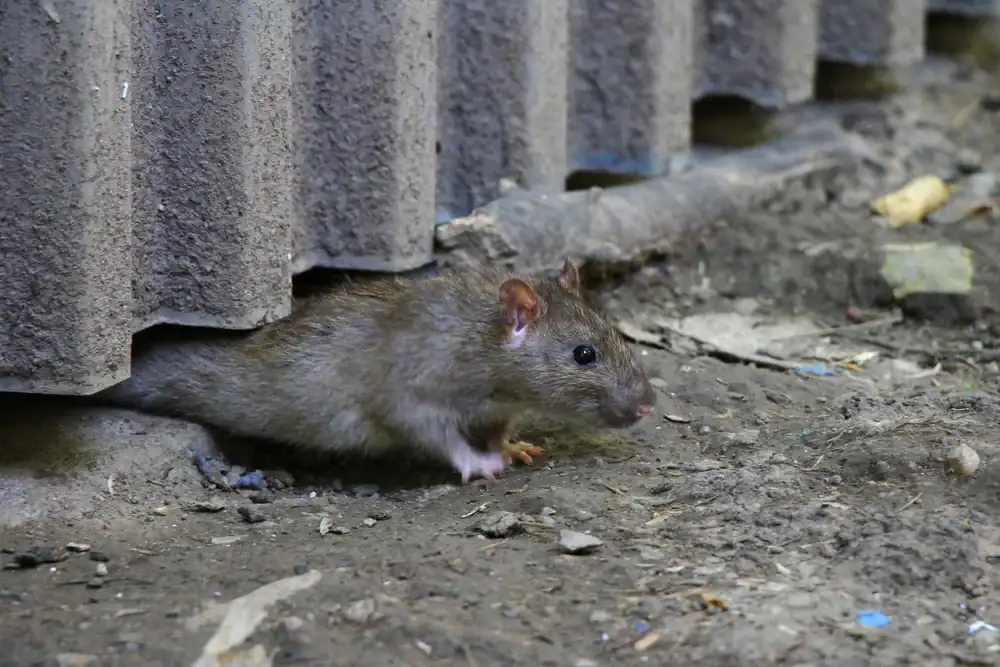
Because “one mouse” is almost never just one. They have a “the more the merrier” policy when it comes to reproduction. A single female can turn into a dozen in the blink of an eye. And they don’t stay in the garage—they move into the attic, the insulation, and the pantry, chewing through anything that isn’t made of steel.
Spiders might not eat your house, but they’re the “Check Engine” light for your home. If you have a lot of spiders, it’s because they found a great restaurant—meaning you have an undiagnosed insect problem they’re feeding on. If the spiders are happy, the roaches and ants are likely thriving right alongside them.

Calling an exterminator after you’re already infested is like calling a plumber after the house is underwater. You aren’t just paying to fix the leak; you’re paying for the restoration.
By the time you see a rodent, they’ve already established “territory.” They’ve been using your attic as a bathroom and your insulation as a nursery. The pro now has to do a lot more than just set a trap. We have to be “CSI: Pest Unit”—identifying every entry point, sealing gaps, disinfecting the mess, and coming back for multiple “wellness checks” to make sure the squad is truly gone.
That process isn’t a “one-and-done.” It takes time and effort. And even after the pests are gone, you might still be looking at bills for chewed wires or ruined insulation. It’s an expensive, multi-visit problem that nobody wants to deal with.
Compare that to the “Bouncer Approach” (prevention). We show up before the party starts. We check the perimeter, seal the “cracks in the armor,” and set up monitoring so if a mouse even thinks about entering, we know. You don’t have to deal with the nests, the smell, or the property damage. You just maintain the “No Vacancy” sign.
The math is simple: preventive treatments are routine, predictable, and a fraction of the cost of a full-scale “Search and Destroy” mission. Plus, you don’t have the stress of knowing you’re sharing your cereal with a rodent.
Then there’s the “Peace of Mind” factor. Nobody wants to live in a house where they’re second-guessing every noise in the ceiling at night. Prevention means you never have to play the “Is that a ghost or a rat?” game. You can just sleep, knowing the only things in your walls are the studs and the wires.
Pests are the ninjas of the animal kingdom. Rodents are nocturnal, meaning they do their best work while you’re dreaming about your next vacation. They nest in the VIP sections of your house—inside the walls, under the thickest insulation, or in that crawl space you haven’t looked at since 2012. You might hear a “bump” in the night and blame it on the house settling. By the time you realize the house doesn’t “settle” that loudly, they’ve already moved in the extended family.
Spiders are even low-key. A quiet corner and a few flies are all they need to set up shop. They build webs in the “blind spots”—behind the guest room dresser or along the roofline. You see one and think it’s a “loner.” But if you see them every day, you’ve got a thriving ecosystem that you didn’t approve of.
The problem is that they don’t need a key. They find a way in through a gap around a pipe or a vent that’s missing a screen. Once they’re in, they’re like tourists with a map—they find the water, find the food, and find the best place to hide from your broom.
Infestations aren’t an overnight event; they’re a “slow burn.” Conditions get just right, an entry point opens up, and suddenly the population explodes. By the time you see the evidence, they’re already “regulars.”
That’s why we train to see what you don’t. We check the dark corners, look for the “grease marks” along baseboards (rodent “skid marks,” essentially), and find the tiny gaps you’d never notice. Fixing it early stops the “slow burn” before it becomes a three-alarm fire.
Waiting until you see them means you’re already behind the curve. Dealing with an established colony takes more “firepower” and more visits than just preventing the move-in. This is especially true for termites—if you wait until you see the damage, the “bill” has already been running for years.
The shift to early pest control isn’t about being paranoid—it’s about being the smartest person in the room. Florida homeowners are realizing that waiting for an “invasion” costs more money, causes more grey hair, and leads to more problems than just being proactive.
Preventive pest control gives you the remote control to your house. You’re not jumping when you hear a noise. You’re not writing checks for structural repairs that could have been avoided with a little caulk and a professional eye. You’re just living your life in a house that belongs to you, not the bugs.
You’re choosing to work with pros who know exactly how Pasco and Hernando County pests think. We know their favorite hiding spots and their favorite “snacks.” At Around The Clock Pest Service, we provide that fast, transparent, and personal touch to stop pests before they even get a chance to be a nuisance. If you’re ready to fire the rodents and spiders before they even apply for the job, give us a call.
Summary:
Article details:
Share: