
Fast, reliable pest control from Hernando County’s most trusted family-owned team—with most quotes given over the phone.
Contact Info
Fast, reliable pest control from Hernando County’s most trusted family-owned team—with most quotes given over the phone.
Contact Info
Most Florida home loans require WDO termite inspections before closing. Here's what Hernando County buyers need to know about protecting their investment.
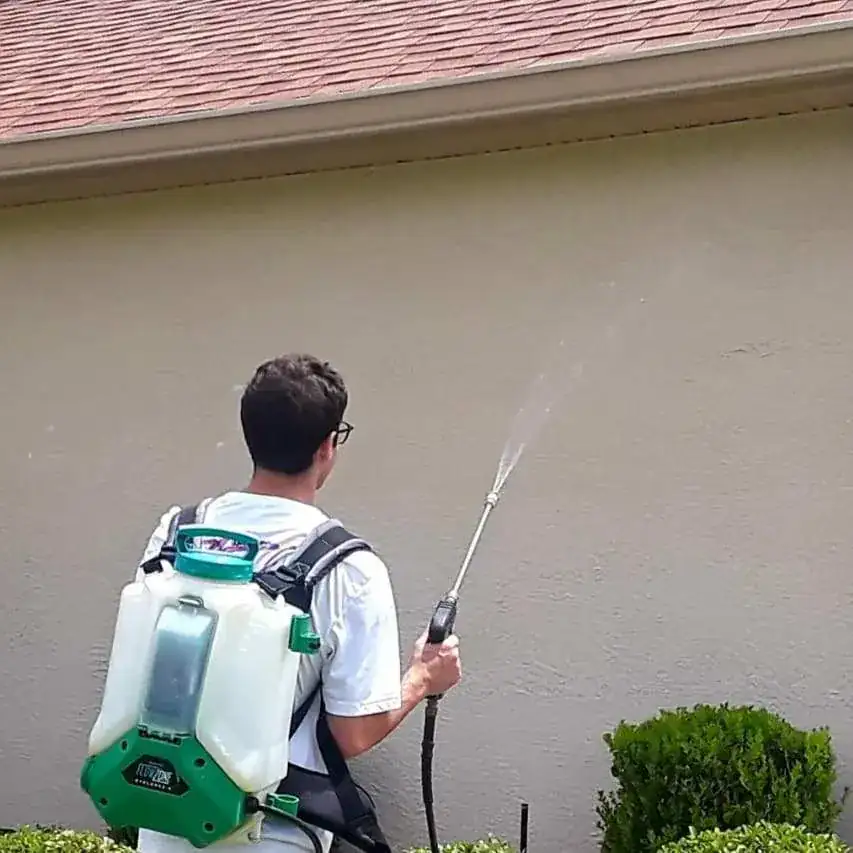
You’ve found the house. Made the offer. Got approved for financing. Now your lender is asking for something called a “WDO inspection” before they’ll release funds for closing.
If you’re not from Florida, this might be the first time you’ve heard the term. If you are local, you probably know someone with a termite horror story. Either way, this inspection isn’t optional for most buyers—and skipping it or delaying it can cost you the deal.
A professional termite inspection service identifies visible evidence of wood-destroying organisms, including termites, and provides the official documentation lenders require. Scheduling early helps prevent closing delays and ensures any issues are addressed before they become negotiating obstacles.
Here’s what you actually need to know about WDO termite inspections in Hernando County, why your lender requires one, and how to get it done right the first time.
A WDO inspection looks for wood-destroying organisms—termites, beetles, carpenter ants, and wood-decaying fungi. In Florida, these inspections must be performed by state-certified pest control operators, not general home inspectors.
Your lender isn’t asking for this to make your life harder. They’re protecting their investment. If termites have compromised the structure of a $330,000 home and you default on the loan, the bank is stuck with a property that needs tens of thousands in repairs.
FHA and VA loans require WDO inspections in Florida. Conventional lenders often do too, especially in high-risk counties like Hernando and Pasco. Even if your specific loan doesn’t mandate it, your homeowner’s insurance probably will before they’ll issue a policy.
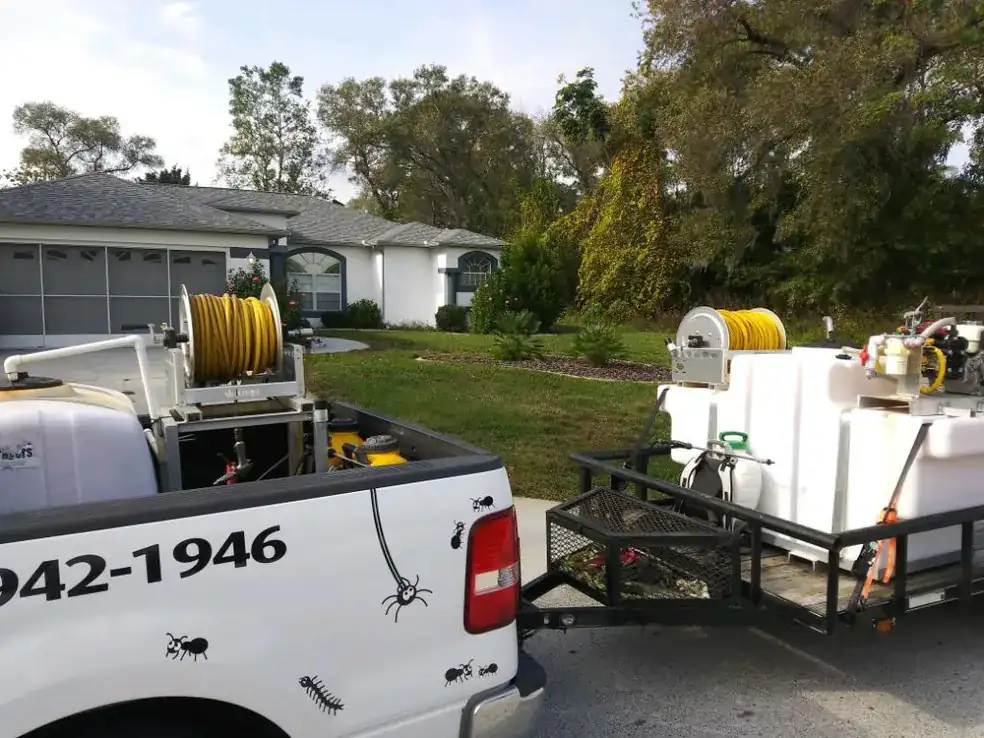
Florida isn’t just termite-friendly. It’s termite paradise. The state is home to 20 different termite species, and Hernando County sits in what the USDA calls “Region 1: Very Heavy” for termite infestation probability.
One in ten Florida homes will deal with termites at some point. That’s not a scare tactic—it’s data from environmental agencies tracking infestation rates statewide. And it’s not just old homes. Properties five to ten years old can harbor active colonies that go completely unnoticed until someone knows where to look.
Termites cause over $5 billion in property damage across the U.S. every year. More than 30% of that happens right here in Florida. Hernando County’s warm, humid climate and proximity to natural areas create ideal conditions for subterranean termites, drywood termites, and Formosan termites—the most destructive species in the state.
The average termite repair bill runs between $600 and $7,500. But here’s the kicker: most homeowner’s insurance policies don’t cover termite damage. Insurance companies consider it “routine maintenance,” which means if you buy a house with an existing infestation, you’re paying out of pocket to fix it.
That’s exactly why lenders require proof the home is clear before they’ll approve your loan. They’ve seen what happens when buyers skip the inspection and discover the damage six months later. By then, it’s your problem—not theirs.
A legitimate WDO inspection in Florida takes 30 to 60 minutes depending on the size of the property. The inspector examines every accessible area—attic, crawl spaces, exterior foundation, window frames, door frames, baseboards, and anywhere wood contacts soil.
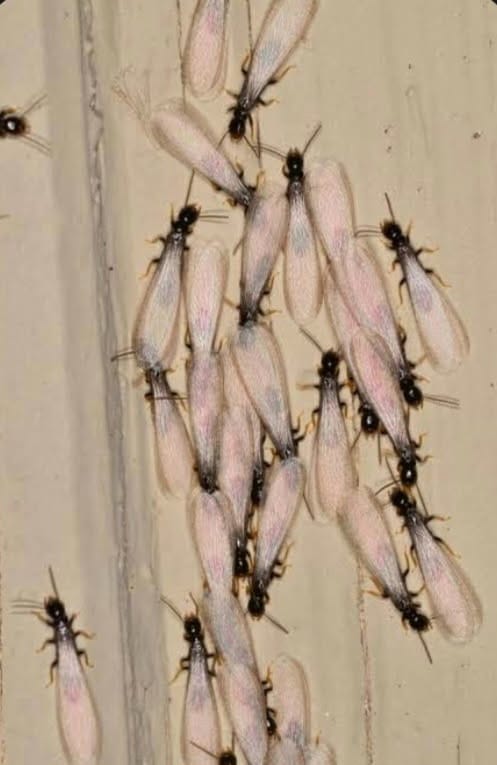
They’re looking for mud tubes, termite droppings (called frass), discarded wings, hollow-sounding wood, and visible damage to structural components. They’ll also check for wood-decaying fungi, which thrives in Florida’s humidity and weakens wood before termites even show up.
After the inspection, you’ll receive a Florida Department of Agriculture Form 13645—the official “Wood-Destroying Organisms Inspection Report.” This is the only form most lenders and insurance companies will accept. If your inspector hands you anything else, your lender might reject it and you’ll have to schedule another inspection.
The report breaks findings into three sections. Section 1 covers active infestations or visible damage. Section 2 lists conditions that could lead to future problems, like moisture issues or wood-to-ground contact. Section 3 notes areas the inspector couldn’t access—blocked crawl spaces, sealed attics, or anything obstructed by storage or landscaping.
Most lenders only require Section 1 items to be addressed before closing. If the report shows active termites or structural damage, you’ll need treatment and repairs completed, then a follow-up inspection to confirm the issue is resolved. That’s why timing matters. If you order the inspection two days before closing and termites are found, your closing gets delayed while treatment happens.
The inspection report is valid for 90 days. If your closing gets pushed past that window, you’ll need a new inspection. Plan accordingly.
Want live answers?
Connect with a Around The Clock Pest Service expert for fast, friendly support.
The most common mistake buyers make is waiting too long to schedule the WDO inspection. You don’t want to order it the week before closing and hope for a clean report. If issues are found, you’re now scrambling to coordinate treatment, repairs, and re-inspection while your lender, title company, and seller are all waiting.
Order the inspection early—ideally during your general home inspection period. That gives you time to address any findings without pushing back your closing date. If termites are discovered, you can negotiate with the seller to handle treatment, or at least know what you’re walking into.
Make sure your inspector is Florida state-certified. Not all pest control companies are licensed to perform WDO inspections, and not all home inspectors are qualified to diagnose wood-destroying organisms. You need someone with a valid pest control identification card issued by the Florida Department of Agriculture.
You want an inspector who understands Florida’s specific termite species and knows what lenders are actually looking for in the report. Someone who’s done hundreds of real estate inspections in Hernando and Pasco Counties and knows how to communicate findings clearly to buyers, agents, and underwriters.
Responsiveness matters. If you’re coordinating a closing, you can’t afford to wait three days for a callback. You need someone who picks up, provides a quote immediately, and can schedule the inspection within your timeline.
Ask about report turnaround time. Most inspections should result in a completed Form 13645 within 24 hours. Anything longer than that can create unnecessary delays, especially if your lender needs time to review findings and issue final approval.
Pricing should be transparent. In the Spring Hill and Hernando County area, WDO inspections typically run between $40 and $100 depending on property size and complexity. If someone won’t give you a ballpark figure over the phone, that’s a red flag.
Look for inspectors who work directly with you—not through a call center or rotating technicians. When you’re buying a home, you want to talk to the person who’s actually doing the inspection, not a sales rep reading from a script.
Family-owned local companies often provide better service than national chains because we have a reputation to protect in the community. We’re not trying to upsell you on treatments you don’t need or pad the report to justify additional services. We give you the facts and let you decide what to do next.
One question that comes up constantly: “Do I really need this if the home looks fine?” Yes. Termites eat wood from the inside out. By the time you see visible damage, the infestation has likely been active for months or years. A trained inspector uses tools like moisture meters and knows where termites hide—places you’d never think to check.
Another common concern: “What if termites are found? Does that kill the deal?” Not necessarily. It depends on the severity. Minor infestations can often be treated with localized spot treatments that cost a few hundred dollars. Extensive damage might require fumigation or structural repairs, which gets expensive. But finding out before you close gives you leverage to negotiate with the seller or walk away if the damage is too severe.
Buyers also ask whether they can use their general home inspector for the WDO report. In Florida, the answer is usually no. Home inspectors can note visible damage, but they’re not licensed to diagnose wood-destroying organisms or issue the official Form 13645 that lenders require. You need a state-certified pest control operator.
Timing questions come up too. “How close to closing should I schedule this?” As early as possible. If you’re in a 30-day escrow, schedule it during the first two weeks. That gives you a two-week buffer to handle any issues that come up. If you’re in a longer escrow, you can wait a bit, but don’t push it past the 90-day validity window.
Finally: “Who pays for the inspection?” That varies by contract. In some cases, the buyer pays. In others, the seller covers it as part of the transaction. For VA loans, the seller is typically required to pay. Either way, it’s a small cost compared to the risk of buying a home with hidden termite damage.
If you’re working with a lender, ask them exactly what they need. Some want the full Form 13645. Others accept the national NPMA-33 form. Knowing this upfront prevents confusion and ensures your inspector provides the right documentation the first time.
Buying a home is likely the biggest financial decision you’ll make. A WDO termite inspection isn’t just a box to check for your lender—it’s your chance to know exactly what you’re buying before you sign on the dotted line.
In Hernando and Pasco Counties, termite risk is real. The inspection is required for good reason. Getting it done early, by a qualified Florida-certified inspector, keeps your closing on track and protects you from expensive surprises down the road.
If you need a WDO inspection for a real estate transaction in Spring Hill, Brooksville, or anywhere in Hernando County, we provide state-certified inspections with fast turnaround and transparent pricing. Reach out directly for an over-the-phone quote and get your inspection scheduled without the runaround.
Summary:
Article details:
Share: