
Fast, reliable pest control from Hernando County’s most trusted family-owned team—with most quotes given over the phone.
Contact Info
Fast, reliable pest control from Hernando County’s most trusted family-owned team—with most quotes given over the phone.
Contact Info
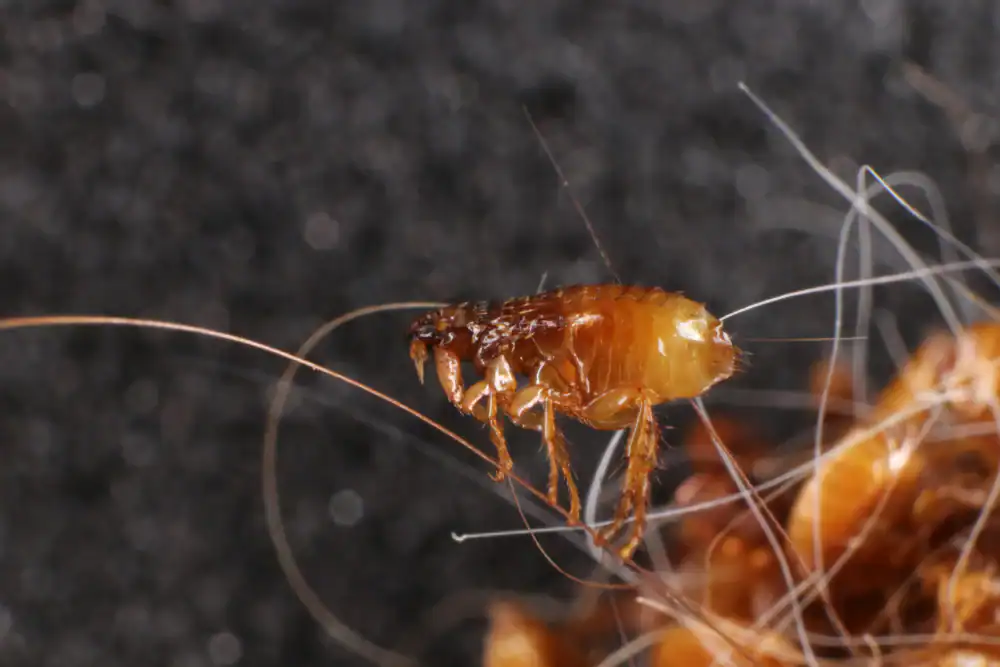
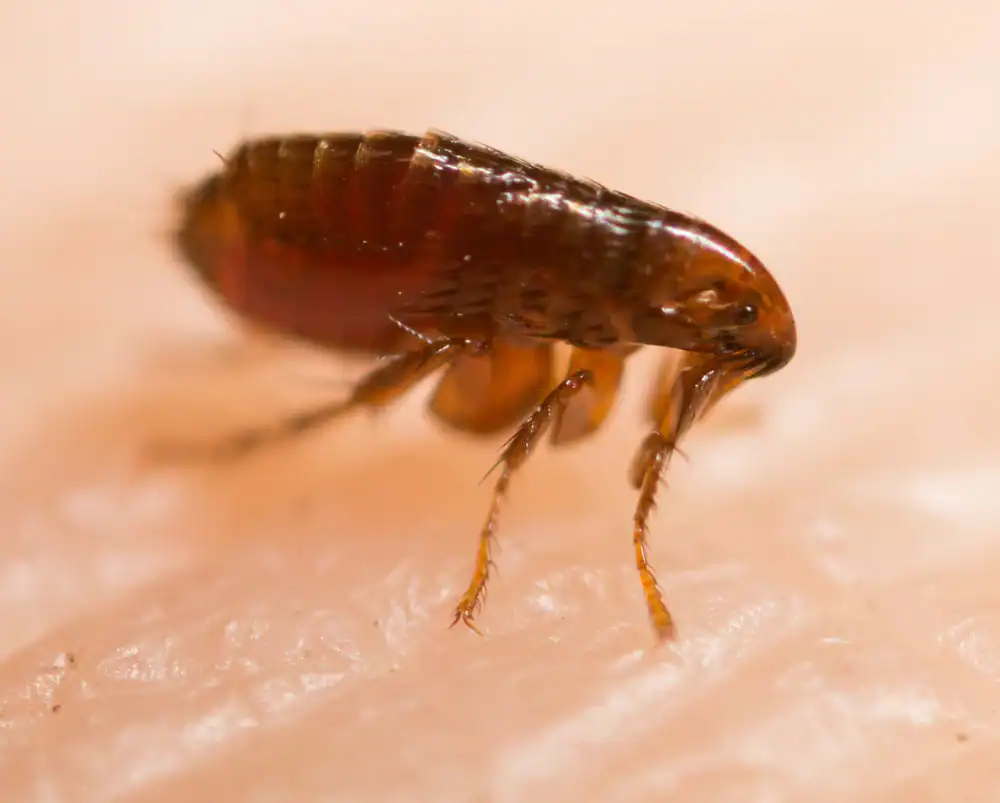
When flea control is done right, the first thing you notice is that the scratching stops — your dog settles down, your kids stop getting bitten at the ankles, and you stop dreading sitting on your own couch. That’s your home feeling like yours again.
In Gulf Pine, that outcome takes a little more work than it does in most places. Western Pasco County’s proximity to the Gulf means humidity stays high year-round, and high humidity speeds up the flea breeding cycle significantly. What might take three weeks to become a serious infestation somewhere else can spiral in under two weeks here — especially in the spring and summer months when heat compounds the problem. Getting ahead of it, or getting it handled fast when it starts, matters more in Gulf Pine than it would in an inland community.
The other piece that’s specific to this area is wildlife. Raccoons, opossums, and armadillos move through Gulf Pine yards regularly — and every one of them is a flea host. Your pet doesn’t have to go anywhere unusual to pick up fleas. They just have to walk through your own backyard. A treatment that only addresses the inside of your home leaves that cycle completely intact, which is why outdoor yard treatment isn’t optional here — it’s the part that actually stops the reinfestation.
We’ve been handling flea control and pest prevention across Hernando and Pasco County for over 14 years. Gulf Pine sits squarely in our service area — this isn’t a company stretching its reach into unfamiliar territory. The wildlife pressure along the US 19 corridor, the older housing stock in communities like Gulf Pine and Beacon Square, the way Gulf Coast humidity accelerates pest activity — that’s not textbook knowledge here, it’s firsthand experience built over a decade and a half of showing up.
What makes us different from the bigger names you’ll see in search results is simple: when you call, you get George. Not a call center. Not a scheduling bot. The owner. He’ll give you a price over the phone in most cases, tell you honestly what you’re dealing with, and get someone out fast. Over 100 five-star reviews from verified Hernando and Pasco County homeowners back that up — and we hold multiple active FDACS licenses through 2027, so your home is in fully certified hands.

It starts with a phone call. George will ask you a few straightforward questions — how long you’ve had the problem, whether you have pets, what you’ve already tried — and in most cases he can give you a quote right there. No waiting for a sales visit, no vague estimates. You know what it costs before anyone comes to your door.
When treatment begins, we focus on every stage of the flea life cycle — not just the adults you can see. Professional-grade products are applied to carpets, baseboards, furniture, and pet resting areas indoors, combined with an insect growth regulator that prevents eggs and larvae from developing into new adults. That second part is what store-bought products almost never include, and it’s the reason DIY treatments fail. In Gulf Pine specifically, outdoor treatment is almost always part of the picture too. The shaded, mature yards common in this part of western Pasco County — and the wildlife that moves through them — mean the yard needs to be addressed at the same time as the interior, or the problem will keep restarting.
After treatment, you’ll be told exactly what to expect. Some flea activity in the first one to two weeks is normal — dormant pupae that were already in cocoons when treatment was applied will hatch as they detect movement. That’s not a sign something went wrong. It’s the life cycle playing out, and it ends. Follow-up visits are scheduled to catch those emerging adults and confirm the infestation is fully resolved.
Ready to get started?
Flea control in Gulf Pine isn’t a one-room job. A complete treatment covers the full environment — inside and out — because that’s what it takes to actually stop the cycle rather than just knock it back temporarily.
Indoors, we target carpets, rugs, upholstered furniture, baseboards, and anywhere your pets spend time resting or sleeping. The products we use combine an adulticide to kill live fleas on contact with an insect growth regulator to stop eggs and larvae from maturing. This dual-action approach is what separates professional treatment from anything available at a hardware store, and it’s what makes the results last. All products are applied by FDACS-certified technicians and are selected with pet and child safety in mind — you’ll know exactly what was used and when it’s safe to re-enter.
Outdoors, flea and tick yard treatment in Gulf Pine, FL focuses on the areas where flea pressure originates: shaded spots under trees and decks, along fence lines, and in the groundcover zones where wildlife traffic is heaviest. In a community like Gulf Pine — with mature landscaping and regular wildlife movement through residential yards — skipping the outdoor treatment is one of the most common reasons infestations come back. If you’re also dealing with biting midges or what locals call sand fleas after trips to the Hudson waterfront or Bayonet Point area, that’s a different pest entirely and can be identified and addressed separately. We handle both.

This is the most common concern after treatment, and it almost always has the same explanation. Flea pupae — the cocoon stage — are completely resistant to insecticides. No product on the market can penetrate a flea cocoon, which means any pupae that were already in that stage when treatment was applied will survive and eventually hatch. When they detect movement and vibration in your home after treatment, that’s what triggers them to emerge. It can look like the treatment failed, but it’s actually the life cycle finishing out on its own timeline.
In Gulf Pine’s climate, this window can stretch a bit longer than in drier environments because humidity keeps conditions favorable for development. The important thing is that the insect growth regulator we applied during treatment will prevent those newly hatched fleas from reproducing, so the population can’t rebuild. Follow-up treatment is scheduled specifically to address this hatch window and eliminate any remaining adults before the cycle can restart. If you’re still seeing significant activity past three to four weeks, that’s when a follow-up call makes sense.
Yes — and it’s a fair question to ask upfront, not something you should have to dig for after booking. The products we use in professional flea control are applied at concentrations and with methods that are specifically designed to be effective against fleas while remaining safe for pets and people when applied correctly. You’ll be given a clear re-entry window — typically a few hours after treatment — and told exactly what was applied so your vet has that information if needed.
What matters most is that the application is done by someone who’s actually certified to do it. We hold multiple active FDACS licenses, which means every treatment is performed by a state-certified technician who knows which products are appropriate, how to apply them safely, and how to adjust for homes with multiple pets or young children. If you have a pet with specific sensitivities or a health condition, mention it when you call. George will factor that into the treatment plan before anyone sets foot in your home.
There’s no true off-season for fleas in Gulf Pine. Florida’s humid subtropical climate keeps temperatures and humidity levels high enough for flea activity in every month of the year — and Gulf Pine’s position in western Pasco County, close to the Gulf Coast, means ambient moisture stays elevated even in the cooler months. The peak window runs from roughly April through September, when heat and humidity are at their highest and breeding cycles move fastest. But October through March doesn’t give you a clean break the way it would in a northern state.
This matters practically because a lot of Gulf Pine homeowners let their guard down after summer and get caught off guard by a late-fall or winter infestation. It also means that if you’re on a quarterly pest prevention plan, flea pressure should be factored in year-round — not just treated as a warm-weather problem. The wildlife that carries fleas into your yard doesn’t hibernate either, so the introduction pathway stays active regardless of the season.
This comes up a lot for residents in western Pasco County, especially anyone who spends time near the water in Hudson or Bayonet Point. What most people call sand fleas in coastal Florida are actually biting midges — also known as no-see-ums — and they’re a completely different insect from the cat flea that infests your home and pets. Biting midges are tiny flying insects that tend to bite around the ankles and lower legs, usually outdoors near water or at dawn and dusk. They don’t live in your carpet or on your dog.
Cat fleas, on the other hand, are what cause indoor infestations. They hitch a ride on your pet, lay eggs in your carpet and furniture, and build populations inside your home. If you’re coming home from a beach trip with bites on your ankles, that’s likely midges. If your dog is scratching constantly and you’re finding tiny jumping insects in your carpet, that’s cat fleas. We can identify which pest you’re dealing with and treat accordingly — the two problems require completely different approaches.
Professional flea treatment generally runs between $150 and $400 for a standard single-family home, depending on the size of the home, the severity of the infestation, and whether indoor-only or combined indoor and outdoor treatment is needed. Most Gulf Pine homeowners dealing with a moderate infestation in a mid-size home land somewhere in the $200 to $300 range for a full treatment. If the infestation has been building for a while or the yard needs significant attention, it may be toward the higher end of that range.
The best way to get an accurate number is to call and describe the situation. We give most quotes over the phone — you don’t have to wait for someone to come out and assess before you know what you’re looking at. That transparency matters, especially if you’ve already spent money on DIY products that didn’t work and you want to know what you’re committing to before booking. Military families and new homeowners in the Gulf Pine area can also ask about available discounts when they call.
For most Gulf Pine homes, outdoor treatment isn’t optional — it’s the part that determines whether the problem actually stays gone. The mature, shaded yards common in this part of western Pasco County are ideal flea habitat: cool, humid, and full of leaf litter and groundcover where eggs and larvae can develop undisturbed. Add in the regular wildlife traffic — raccoons, opossums, and armadillos are common in this corridor — and your yard is constantly being reseeded with new flea activity regardless of what’s happening inside the house.
If only the interior is treated, your pets will keep picking up fleas from the yard and reintroducing them indoors within days or weeks. The outdoor portion of flea and tick yard treatment in Gulf Pine, FL targets the shaded zones, fence lines, and areas with the highest wildlife traffic — the places where the cycle actually starts. Treating both environments at the same time is what makes the results hold. It’s also worth noting that Gulf Pine’s unincorporated status means there are no municipal restrictions on what products we can use in residential yards — treatment is governed by Florida state FDACS standards, which we are fully licensed and certified to meet.