
Fast, reliable pest control from Hernando County’s most trusted family-owned team—with most quotes given over the phone.
Contact Info
Fast, reliable pest control from Hernando County’s most trusted family-owned team—with most quotes given over the phone.
Contact Info
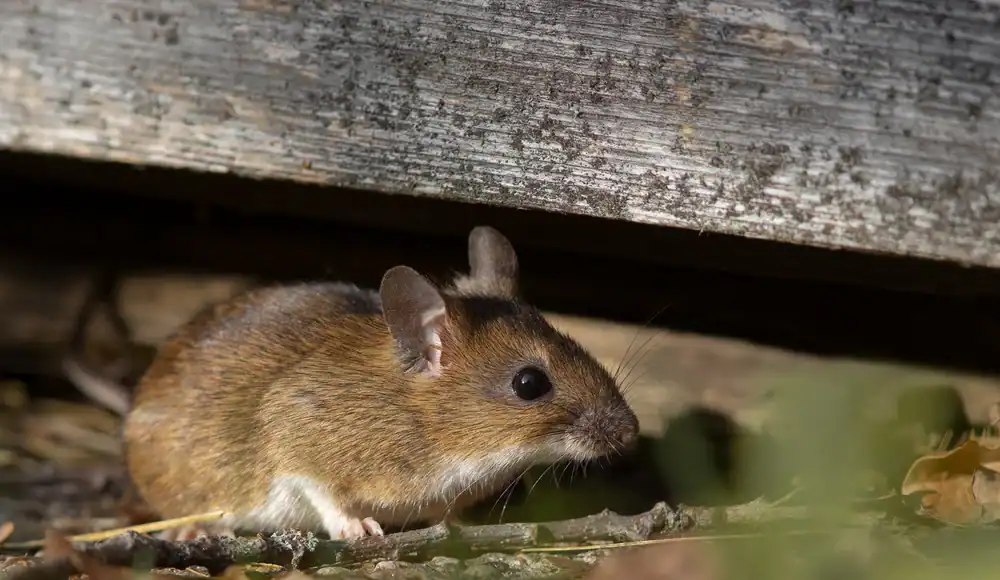
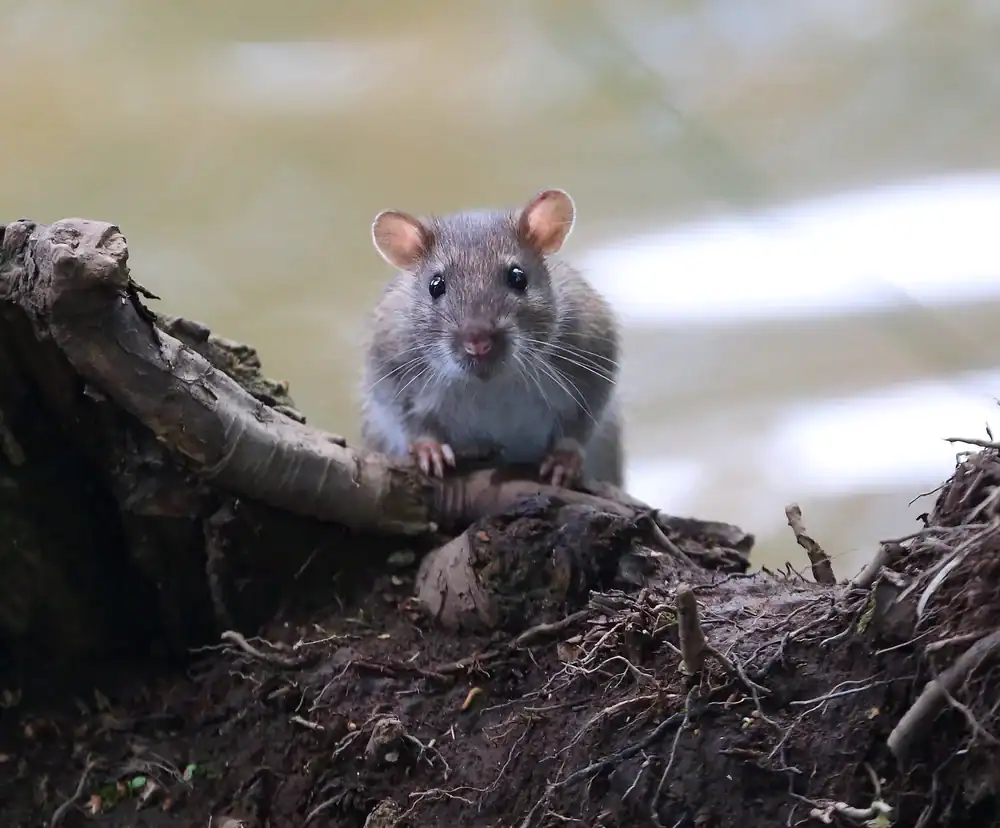
You sleep through the night again. That’s not a small thing. For a lot of Bayport homeowners, the scratching in the attic starts quietly — maybe just once or twice a week — and then it’s every night, right around dusk, just as things get quiet. That’s roof rat behavior. They’re active at night, they’re excellent climbers, and they’ve got the palm trees, the marsh edge, and the dense vegetation along the Weekiwachee Preserve to thank for giving them a comfortable home right next to yours.
Once the problem is handled correctly — not just trapped, but fully addressed — the difference is immediate. No more sounds. No more wondering what’s up there. No more waking up at 2 AM trying to figure out if that was the house settling or something moving through your insulation. But beyond the sleep, there’s something more important: your attic stops being a health risk. Rodent waste in attic insulation doesn’t just sit there. In Florida’s summer heat, it gets pulled through your HVAC system and into your living space. Getting that cleaned out matters as much as removing the animals themselves.
For homes near the estuary and the preserve, the rodent pressure doesn’t come from one direction — it comes from all around. A real fix accounts for that. It finds every entry point, eliminates the scent trails that would guide the next wave in, and leaves your home actually protected, not just temporarily quieter.
We’re a family-owned operation serving Hernando and Pasco County — which means Bayport is home territory, not a far-flung service call. When you reach out, you’re talking directly to the owner. Not a call center, not a scheduling bot, not whoever happens to be available. The owner picks up, listens to what’s going on, and in most cases can give you a quote right there on the phone — no waiting days for someone to come out just to tell you what it costs.
That matters here. Bayport sits at the end of the road, and some companies treat it that way — as an afterthought. We don’t. We hold multiple FDACS licenses under Chapter 482 of Florida Statutes, carry a BBB A+ rating, and have built a track record of over 100 five-star Google reviews from real customers across Hernando County. Military families and new homeowners also receive special discounts — because this business was built around the community, not just the revenue.
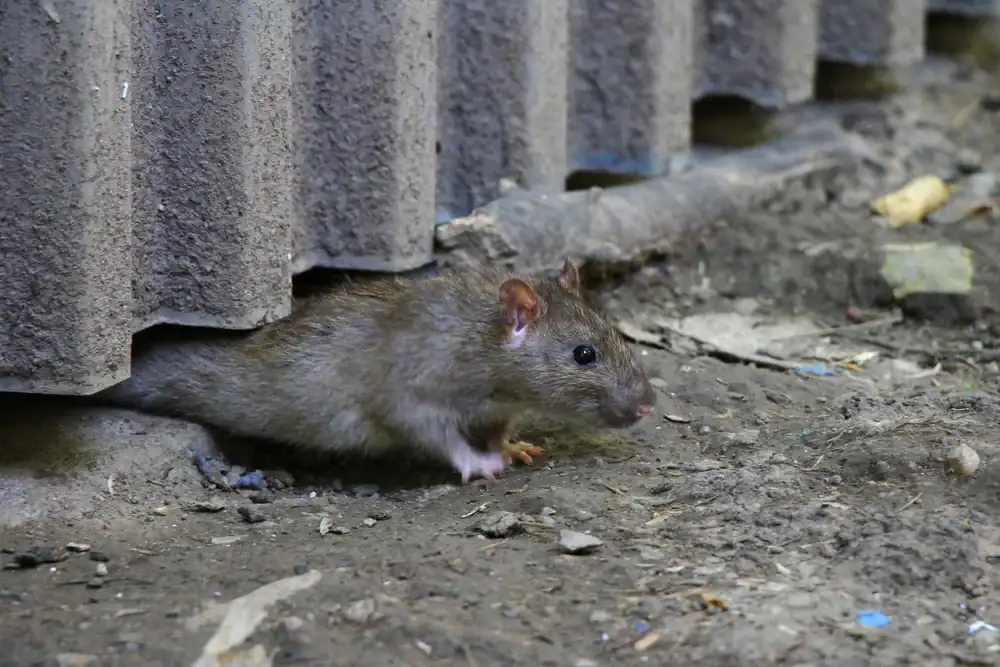
It starts with a thorough inspection. Not a quick walkthrough — a real look at every place a rodent could be getting in. That means the roofline, the soffits, the fascia boards, the utility line penetrations, the vents, and any gap that’s opened up over time. Older homes near the Gulf Coast tend to accumulate these vulnerabilities quietly. Salt air, heat, and humidity work on soffits and fascia faster than most homeowners realize, and a roof rat only needs a half-inch gap to get through.
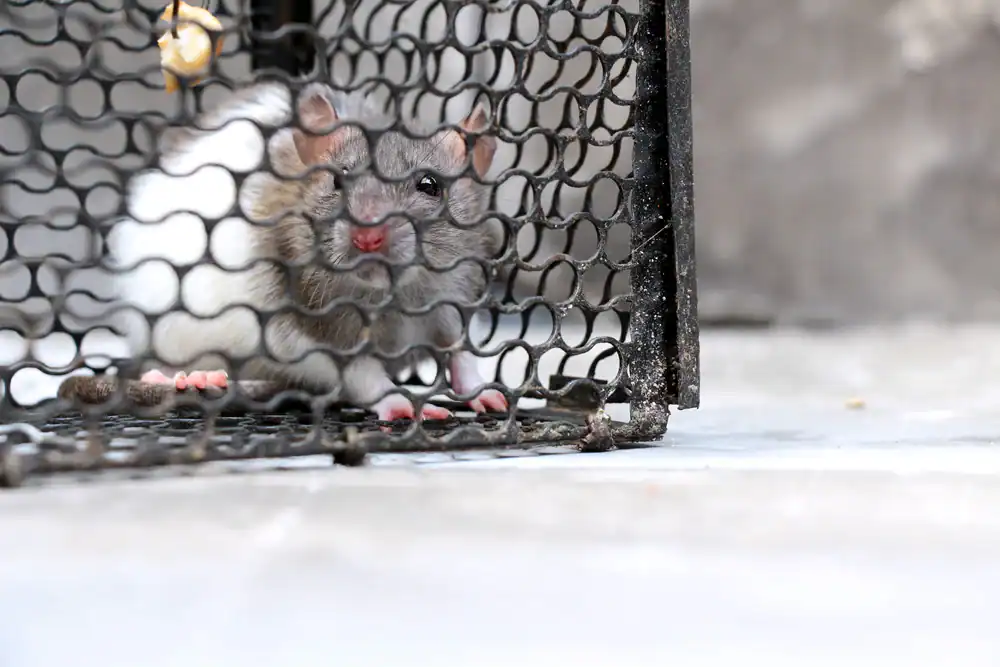
Once the entry points are identified and documented, we place traps — not bait stations, not rodenticide. Mechanical traps placed in the attic, crawl spaces, and wall voids. This is a deliberate choice. A poisoned rat doesn’t die at the trap. It crawls somewhere inside your walls or your attic and dies there, and then you spend weeks dealing with the smell. More importantly, in a community like Bayport where osprey, herons, and river otters are part of the daily landscape, a poisoned rodent that makes it outside is a real secondary poisoning risk to wildlife and pets. Traps eliminate that entirely.
After removal, we sanitize the scent trails. This step is what separates a lasting fix from a temporary one. Rodents follow chemical markers left by previous animals — if those trails aren’t eliminated, the next wave finds the same entry points just as easily. For homes bordering the Weekiwachee Preserve, where the surrounding habitat continuously replenishes the local rodent population, this step isn’t optional. Attic decontamination is also available for homes where waste has accumulated in the insulation — which, in Florida’s summer heat, becomes an air quality issue, not just a cleanliness one.
Ready to get started?
Rodent control in Bayport, FL isn’t a one-size-fits-all service, and we don’t treat it like one. Every job starts with a full structural inspection — every exterior surface, every potential entry point — and ends with a complete picture of what was found, even for items outside the scope of what pest control addresses. You’ll know exactly where your home is exposed and what needs attention, whether that’s a pest issue or a structural repair you’ll want to schedule separately.
Our core service covers professional trap placement in all the spaces rodents use — attics, crawl spaces, wall voids, and any harborage areas identified during inspection. Scent trail sanitization is included because removing the animals without removing the chemical signals that led them there is an incomplete job. For homes where attic contamination has built up — droppings, urine, and compromised insulation — attic decontamination is available as part of the service, and it’s worth taking seriously. When your HVAC system runs through the same space where rodents have been living, what’s in that insulation eventually ends up in your air.
We also serve Hernando Beach, Weeki Wachee, and the surrounding western Hernando County communities, so if you’re not sure whether your address falls within our service area, just call. Most of the time, a quick phone conversation is all it takes to get a quote and get on the schedule — no inspection required before pricing is discussed.
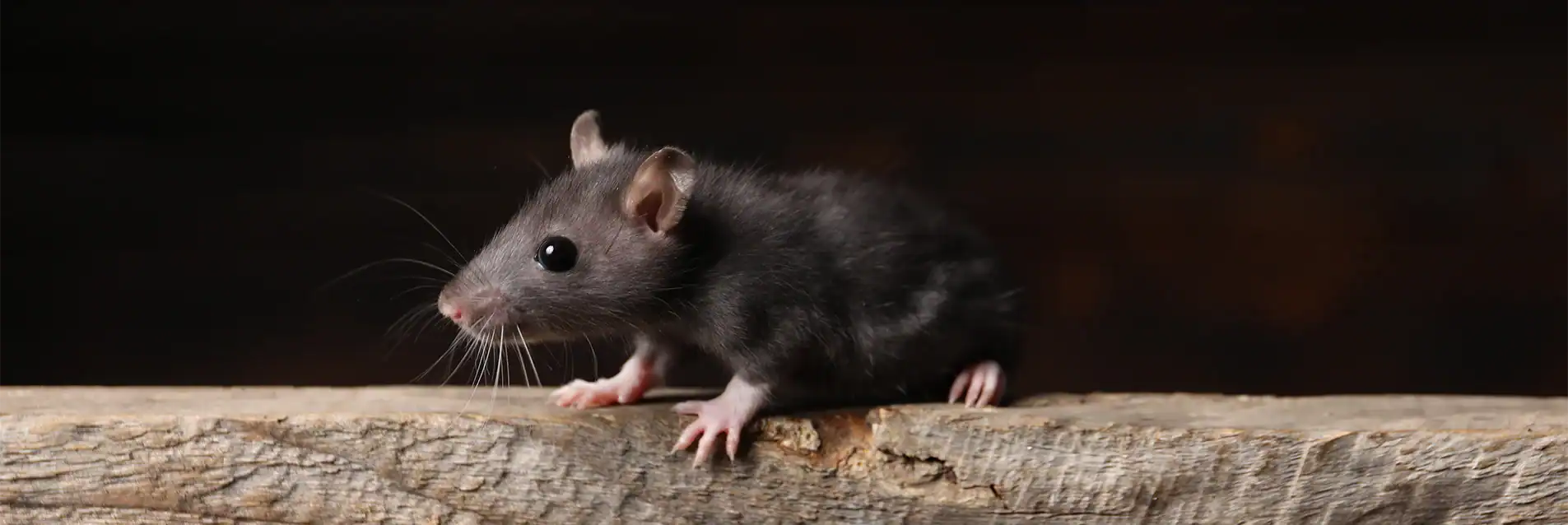
That sound — usually starting right around dusk and running through the early morning hours — is almost always roof rats. They’re the dominant rodent species in coastal Florida, and Bayport’s environment is essentially ideal for them. Palm trees, dense marsh vegetation, the scrub and hardwood habitat along the Weekiwachee Preserve — these are exactly the conditions roof rats prefer. They’re agile climbers, they move through the canopy, and they access homes through the roofline, not the ground level.
The nocturnal timing is the giveaway. Roof rats are most active between dusk and dawn, which is when you’ll hear the movement in the attic or the walls. If it’s happening consistently, it’s not a one-off animal that wandered in — it’s an established presence. The longer it goes unaddressed, the larger the population gets. A female can produce multiple litters in a single season, so what starts as a small family group can become a full colony faster than most people expect.
This is one of the most important questions for anyone living along the Nature Coast, and the honest answer is: it’s a real risk, and one worth taking seriously. Secondary poisoning happens when a predator — an osprey, a red-tailed hawk, a river otter, a household dog or cat — consumes a rodent that has already ingested rodenticide. In a community like Bayport, where those animals are visible from your backyard on a regular basis, that’s not a theoretical concern. It’s a practical one.
We use mechanical traps, not rodenticide bait stations, specifically because of this. Trapped rodents are removed — they don’t crawl off into the yard or into the preserve to die. There’s no secondary exposure risk to the wildlife that makes living near the Weeki Wachee River estuary worth it in the first place. If you’ve been told that bait stations are the standard approach, that’s worth questioning. For a coastal, preserve-adjacent community, trap-based removal is the right call — for your family, your pets, and the surrounding ecosystem.
The short answer is: through gaps you probably haven’t noticed yet. Roof rats need an opening no wider than half an inch. Mice can squeeze through something the size of a dime. In older homes along Florida’s Gulf Coast — and most of Bayport’s housing stock falls into this category — those openings accumulate over time. Salt air and humidity accelerate the deterioration of soffits, fascia boards, and roof vents faster than in inland communities. What looks intact from the ground often has gaps that are obvious from the roofline.
Common entry points include deteriorating soffit panels, worn or missing roof vent covers, gaps around utility line penetrations, and spaces where the fascia board has pulled away from the roofline. Homes with palm trees or large oak branches overhanging the roof give rodents a direct highway from the canopy to the structure. A thorough inspection covers all of these — and documents everything found, even items that fall outside what pest control addresses. You’ll leave the inspection knowing exactly where your home stands.
Most standard rodent removal jobs in the Hernando County area fall somewhere in the range of $200 to $700, depending on the size of the home, the extent of the infestation, and what the inspection turns up. Attic decontamination, if needed, is typically a separate cost on top of the removal service. Professional treatment at that price range costs considerably less than what rodent damage leads to — chewed electrical wiring, compromised insulation, or structural repairs from prolonged activity inside wall cavities.
We provide most quotes over the phone, which means you don’t have to wait for a sales visit before you know what to expect. If you can describe what you’re hearing, where you’re hearing it, and what your home looks like — single story, two story, approximate age — a phone call is usually enough to get a ballpark figure and get on the schedule. No commitment required to have that conversation.
Most infestations are resolved within one to three service visits. The timeline depends on how established the population is and how thoroughly the entry points are addressed. Trapping removes the active animals, but the follow-through — sanitizing scent trails and sealing or flagging every entry point — is what determines whether the problem comes back. In a community like Bayport, where the surrounding preserve and coastal marsh continuously replenish the local rodent population, that follow-through matters more than it does in an inland subdivision.
Florida’s year-round warmth means there’s no seasonal slowdown in rodent activity. There’s no cold snap in western Hernando County that suppresses breeding and gives you a natural reset. That’s why addressing the entry points and the scent trails at the same time as the removal is the only approach that holds. A trap-and-leave method without the structural and sanitation follow-up is a short-term fix in a long-term environment.
Yes — we offer military discounts, and so do we for new homeowners. Bayport and the surrounding western Hernando County communities have a meaningful number of residents with military backgrounds, and this is one way we acknowledge that directly. It’s not a footnote — it’s a standing part of how we operate, and it applies to new clients who qualify.
If you’ve recently purchased a home in the Bayport area and you’re dealing with a rodent issue for the first time — which is common, especially in older homes that may not have had a recent pest inspection — that new homeowner discount is worth asking about when you call. The owner answers directly, so there’s no runaround to get to someone who can actually confirm it. Just ask when you call, and it gets sorted out on the spot.