
Fast, reliable pest control from Hernando County’s most trusted family-owned team—with most quotes given over the phone.
Contact Info
Fast, reliable pest control from Hernando County’s most trusted family-owned team—with most quotes given over the phone.
Contact Info
The scratching stops. The smell fades. You stop wondering what’s moving around above your ceiling at 2 a.m. That’s the most immediate thing — but it’s not the only thing that changes when rodent control in New Port Richey, FL is done right.
Most homes along the Cotee River corridor and throughout South New Port Richey were built between the 1960s and 1980s. That means aging soffits, worn roof vents, and gaps around utility lines that roof rats have been using as doorways for years without anyone noticing. Once those entry points are identified and the active population is removed, you’re not just solving today’s problem — you’re cutting off the route for the next wave.
There’s also the air quality issue that most companies don’t talk about. New Port Richey summers push attic temperatures well past 100 degrees, and when rodent droppings are sitting in your insulation, that heat forces odors and contaminants straight through your HVAC system into your living space. Clearing the infestation and sanitizing the contaminated areas isn’t optional — it’s what actually makes your home safe again, not just quieter.
Around The Clock Pest Service is a family-owned operation serving Hernando and Pasco counties throughout the Gulf Coast region. When you call about a rodent problem in New Port Richey, you’re not reaching a call center or a scheduling coordinator — you’re talking directly to the owner. That means straight answers, real quotes over the phone, and someone who actually knows what roof rat activity looks like in New Port Richey homes with mature oak canopies and older rooflines.
We hold active FDACS licensure under Chapter 482 of Florida Statutes, carry a BBB A+ rating, and have earned over 100 five-star Google reviews from real customers. Discounts are available for military families and new homeowners — and if you just closed on a home near downtown New Port Richey or off US-19 and discovered a rodent problem you didn’t know about at closing, that matters. We guarantee response within 24 hours, including weekends.
It starts with a thorough inspection. Every accessible area gets checked — attic, wall voids, crawl spaces, soffits, roof vents, utility penetrations, and anywhere else a roof rat or mouse is likely to enter or nest. In New Port Richey’s older housing stock, that list is usually longer than homeowners expect. Mobile and manufactured homes, which make up a notable share of housing in this area, get the same detailed walkthrough with attention to skirting gaps and under-unit access points that standard inspections often miss.
From there, we place professional-grade mechanical traps in the locations where activity is confirmed. No rodenticides. No poison bait that sends a rat into your wall to die and decompose. The traps are positioned where the animals are actually moving, not just where it’s convenient to place them, which is the difference between a fast result and a prolonged one.
After removal, the scent trails get sanitized. This step is the one most companies skip — and it’s the reason infestations come back. Roof rats use urine-based chemical markers to navigate, and those trails stay active long after the animals are gone. Without sanitizing them, you’re essentially leaving a welcome sign for the next group traveling along the same tree branches and utility lines that run through your neighborhood. You also receive a full map of every entry point found during inspection, so you know exactly what needs to be sealed.
Ready to get started?
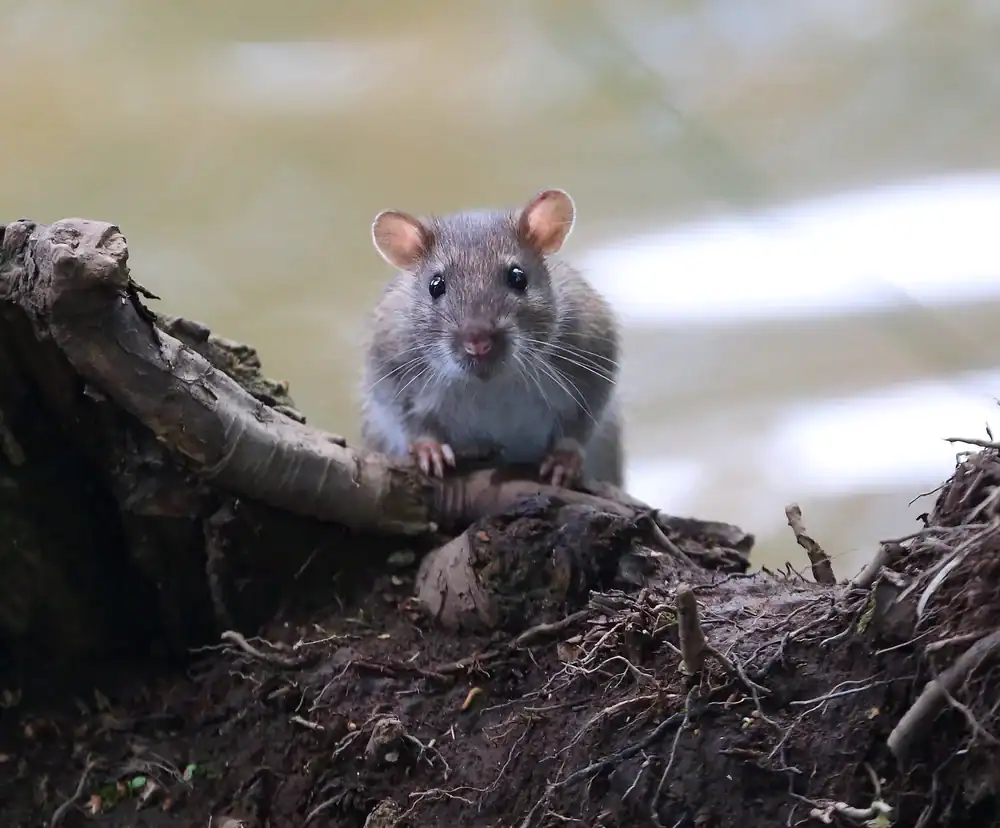
Roof rats are the dominant rodent pest in New Port Richey. They’re aerial animals — they don’t burrow up through your foundation, they climb. The mature oaks, palms, and utility lines that line residential streets throughout the city are their highways, and the aging rooflines of homes built decades ago are their destinations. Our service is built around that reality.
What you get is a complete inspection covering every potential entry point relevant to your specific structure, mechanical trap placement in attics and wall voids where activity is confirmed, sanitization of contaminated areas and scent trails to eliminate the chemical markers that guide new rodents in, and a documented list of every vulnerability found. We do not perform structural repairs, but you’ll leave with a clear, specific picture of what needs to be addressed and where — not a vague recommendation to “seal up gaps.”
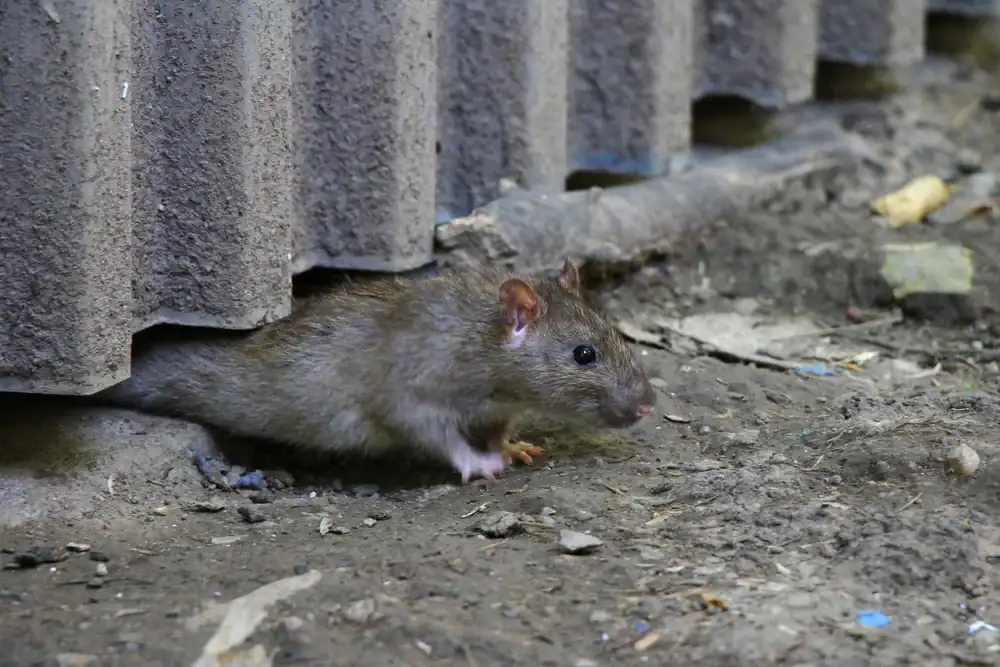
For homeowners in Flor-A-Mar or near the Cotee River where Norway rat pressure from ground-level moisture is also a factor, the inspection accounts for both aerial and ground-level entry. For residents in Heritage Lake or other manufactured home communities, the inspection adapts to the structural specifics of that housing type. The service is the same regardless of your zip code within New Port Richey — thorough, direct, and focused on getting it right the first time.
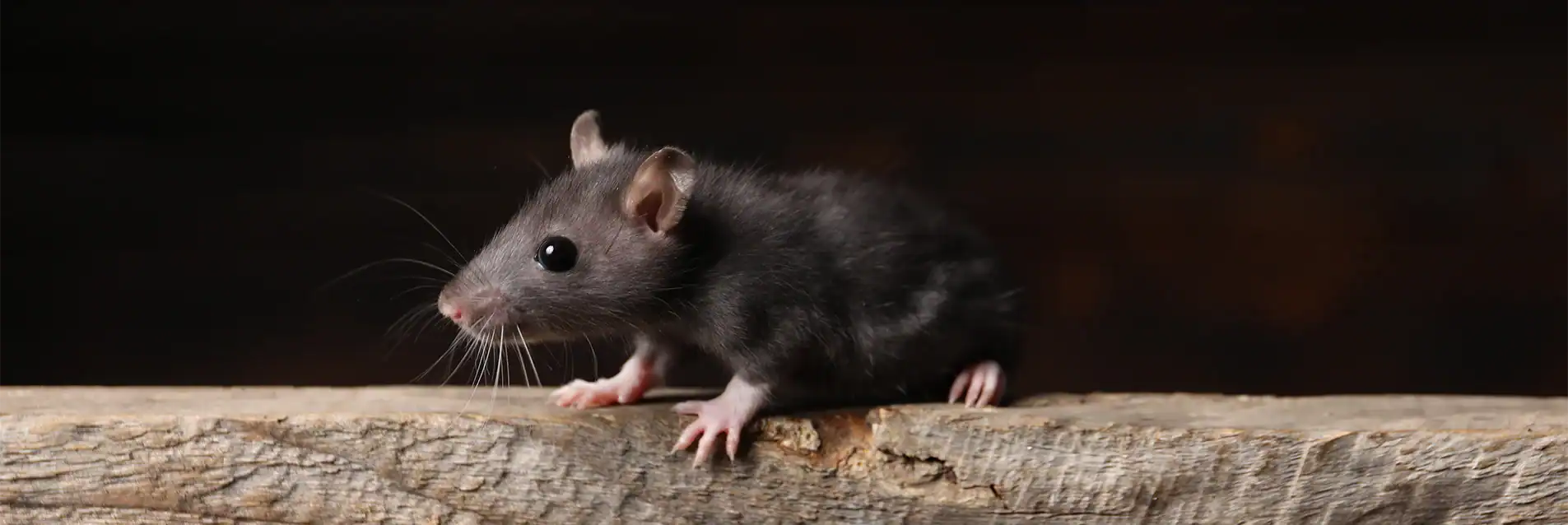
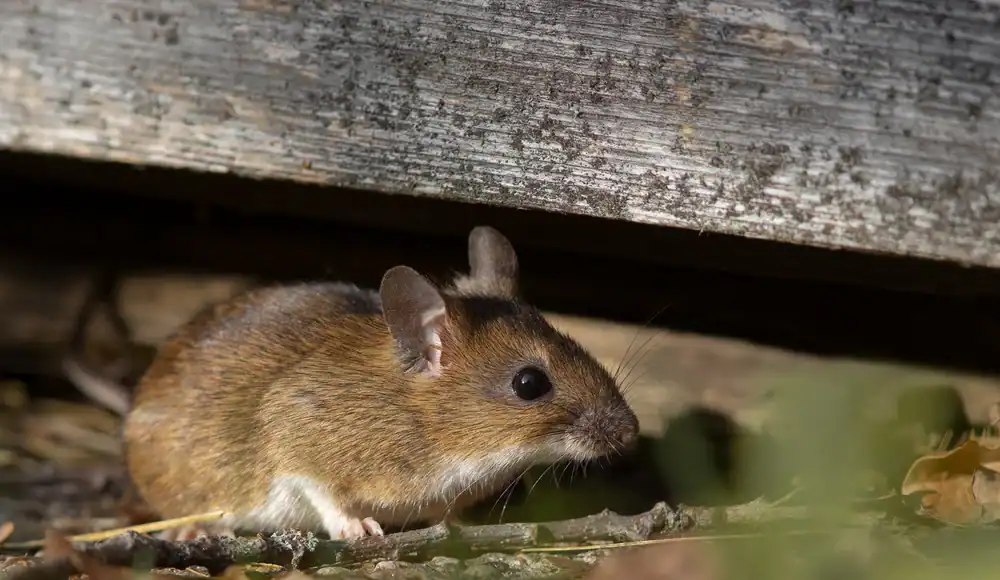
The signs are different enough that you can usually tell before anyone comes out. Roof rats leave droppings that are roughly half an inch long with pointed ends, and you’ll typically hear them in the attic or ceiling — not in the walls or near the floor. They’re active at night, so the scratching, rolling, and movement sounds tend to start after dark. Mice leave smaller droppings, closer to a quarter inch, and are more likely to show up in kitchen cabinets, behind appliances, or along baseboards.
In New Port Richey specifically, roof rats are by far the more common call. The city’s mature tree canopy — the oaks and palms lining residential streets throughout South New Port Richey and the downtown area — gives them direct access to rooflines. If your home is near the Cotee River or has significant vegetation close to the structure, roof rats are the more likely culprit. A proper inspection will confirm the species and the active entry points, which matters because trap placement and inspection focus differ between the two.
Rodenticides work — but they come with two problems that most homeowners don’t fully think through before using them. The first is secondary poisoning. If a rat or mouse eats the bait and your dog or cat finds it before it dies, your pet can be poisoned too. That’s not a rare edge case — it’s a documented and real risk, especially in households with animals that spend time outdoors or in garages where bait stations are typically placed.
The second problem is where the animal dies. Poison doesn’t kill rodents instantly. They often retreat into wall cavities, insulation, or other inaccessible spaces before they die, and then you’re dealing with a decomposing animal inside your walls — a smell that can last one to three weeks and sometimes requires opening drywall to locate. We use mechanical traps only, which means the animal is captured in an accessible location and removed cleanly. For a home in New Port Richey with pets, grandchildren visiting, or simply a layout where wall access is limited, that distinction is worth understanding before you decide how to handle it.
The most common reason DIY trapping doesn’t hold is that it addresses the animals you can see or catch without addressing the conditions that keep attracting new ones. Roof rats leave urine-based scent trails that act as navigation markers — essentially a chemical signal to other rats that says this route is safe and this structure is accessible. Those trails stay active long after the original animals are gone, and without sanitizing them, you’re continuously inviting the next group in through the same paths.
The second issue is entry points. If you’re catching rats but not finding and documenting how they’re getting in, you’re managing a symptom rather than solving the problem. In New Port Richey’s older homes — particularly the 1960s through 1980s construction common throughout the city — there are often multiple entry points that aren’t obvious without a trained inspection. A gap around a utility line, a deteriorating soffit, a roof vent with a compromised screen: roof rats need less than half an inch to get through. Trapping without locating and mapping those points means you’ll be resetting traps indefinitely.
If there’s been an active rodent population in your attic, there are droppings, urine saturation, and potentially nesting material in your insulation. In a New Port Richey summer, attic temperatures can exceed 130 degrees Fahrenheit. That heat doesn’t neutralize the contaminants — it amplifies them, pushing odors and airborne particles from dried droppings through your HVAC system and into the living areas below. Roof rats can carry leptospirosis, murine typhus, and salmonella, all of which can be transmitted through contaminated surfaces or inhaled particles.
Decontamination involves sanitizing the affected areas to eliminate both the biological hazard and the scent markers that attract new rodents. Whether you need full insulation removal depends on the severity and duration of the infestation — a recent, contained problem may require targeted sanitization, while a long-standing infestation with heavy contamination throughout the insulation is a different situation. During the inspection, you’ll get a clear assessment of what’s actually present so you can make an informed decision, not a blanket recommendation designed to maximize the invoice.
The inspection covers every area where entry is structurally possible — roofline, soffits, fascia boards, roof vents, gable vents, utility penetrations, pipe chases, and any gap or opening where the exterior envelope has deteriorated or was never fully sealed. In homes built in the 1960s through 1980s, which describes a significant portion of New Port Richey’s residential stock, these vulnerabilities are common and often numerous. Homes with detached garages, alleys, or mature trees growing close to the roofline get additional attention because those features create more access vectors.
After the inspection, you receive a documented list of every entry point found. We do not perform the structural sealing itself — that’s handled by a contractor or handyman — but you’ll have a specific, actionable list of what needs to be addressed and where, rather than a general suggestion to “check the roof.” Knowing exactly which vent screen is compromised or which soffit section has a gap is the difference between a repair that actually closes the problem and one that misses the actual entry point the rats are using.
Yes — and both are relevant to New Port Richey’s community. The city has attracted a steady wave of first-time buyers in recent years, partly because home prices here run significantly below the Tampa metro average. Buying a home is already a major financial commitment, and discovering a rodent problem in the first few months of ownership — especially in an older home where the issue may have been present before closing — adds an unexpected expense on top of everything else. We offer a new homeowner discount as a direct acknowledgment of that situation.
The military discount reflects the same straightforward thinking. New Port Richey’s proximity to the Tampa Bay area means a meaningful number of residents have military connections, and we extend that discount as a matter of course — not as a promotional angle, but because it’s the right thing to do for families who’ve already given enough. If either applies to you, just mention it when you call. The owner answers directly, quotes are provided over the phone for most situations, and there’s no pressure or obligation involved in getting the information you need.
Other Services we provide in New Port Richey