
Fast, reliable pest control from Hernando County’s most trusted family-owned team—with most quotes given over the phone.
Contact Info
Fast, reliable pest control from Hernando County’s most trusted family-owned team—with most quotes given over the phone.
Contact Info
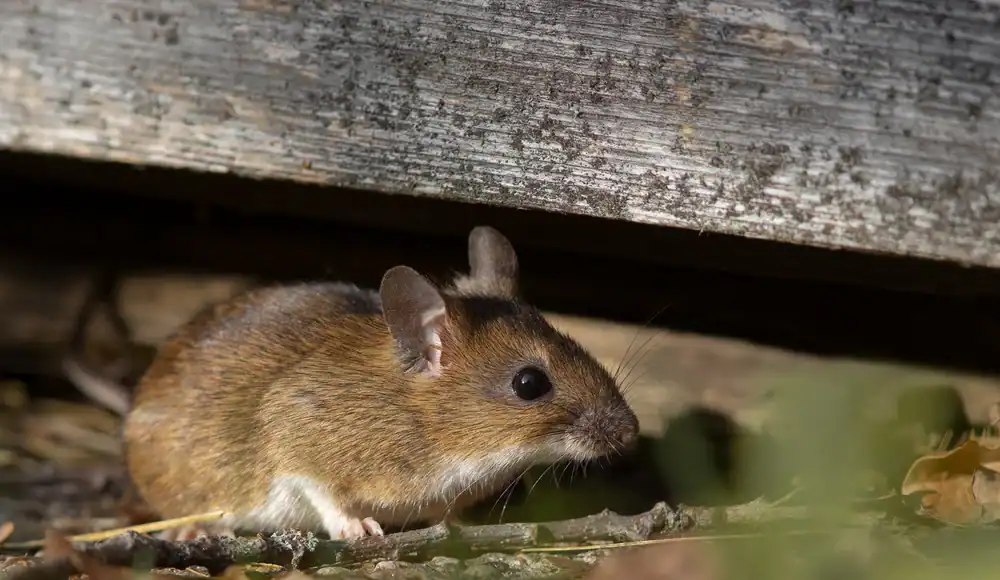
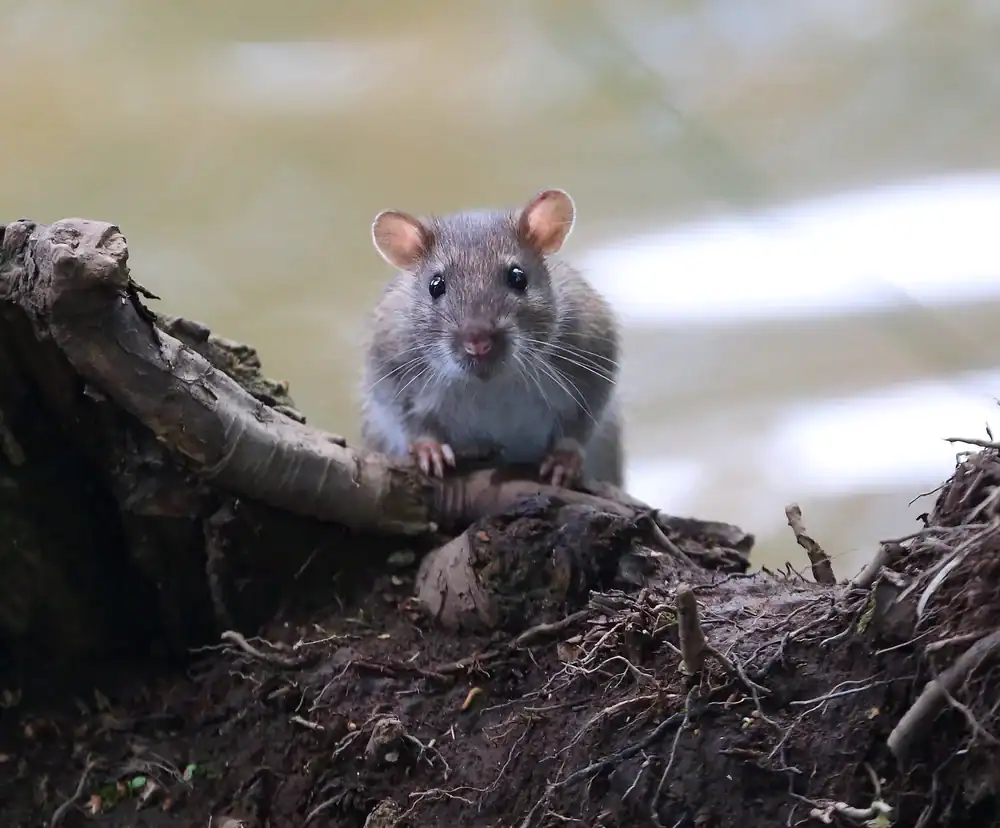
That sound in your attic at night — the one that starts around 2 a.m. and stops right when you sit up to listen — that’s not the house settling. Roof rats are nocturnal, and Saint Joseph’s mix of older rural homes, fruit trees, and wide-open acreage makes your property one of the most attractive targets in Pasco County. Once they’re in, they don’t leave on their own.
What changes after the problem is actually solved isn’t just the silence. It’s sleeping through the night without wondering what’s being chewed up there. It’s not having to keep your dogs away from the yard because you put bait stations out. It’s knowing the wiring in your attic — already carrying the wear that comes with older rural construction — isn’t being gnawed on by something that breeds year-round in Florida’s climate.
Saint Joseph properties are different from a Wesley Chapel subdivision. Large lots, outbuildings, aging soffits, citrus trees dropping fruit in the fall — all of it creates conditions that keep rodent pressure high and persistent. Getting the problem handled the right way means understanding that environment, not just setting a few traps and calling it done.
We’re a family-owned operation serving Hernando and neighboring Pasco County — including the rural communities along St. Joe Road and the broader northeastern Pasco area. There’s no call center routing your job to whoever’s available. When you call, the owner picks up. That means you get a straight answer, a real quote over the phone, and someone who’s actually accountable for the outcome.
With an active FDACS structural pest control license through 2027, a BBB A+ rating, and over 100 five-star Google reviews from real customers across Hernando and Pasco County, the track record is there before you ever make a decision. Military families and new homeowners also receive special discounts — not as a marketing line, but because this business was built on the idea that the people who make up communities like Saint Joseph deserve straightforward, honest service.
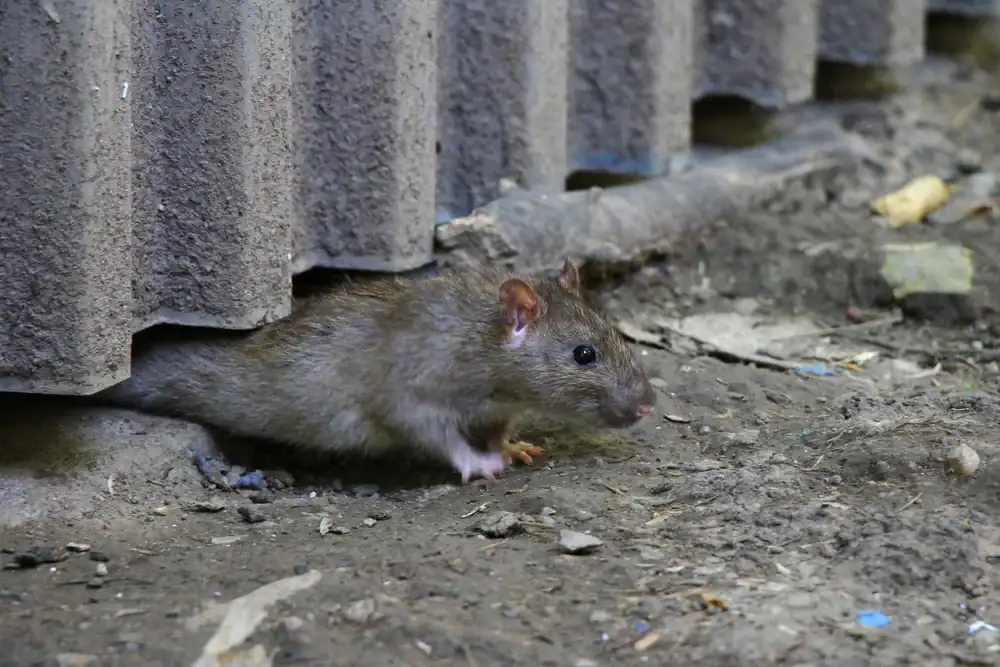
It starts with a thorough inspection — not a quick walk-through, but a real look at your attic, crawl space, roofline, soffits, and any outbuildings where activity might be staging. On rural Saint Joseph properties, that often means checking areas that suburban pest control companies rarely think to assess: detached sheds, equipment storage, older utility penetrations that haven’t been properly sealed in years. Roof rats need a gap half an inch wide. Mice need the size of a dime. Those openings get documented, every one of them.
From there, we place professional-grade mechanical traps in the active areas — attic, wall voids, crawl space — based on where the inspection shows the most evidence. We do not use rodenticide bait. That’s a deliberate choice, not a limitation. Poison-based approaches risk a dead rodent decomposing inside a wall cavity for weeks, and on a property with dogs, chickens, barn cats, or horses, the secondary poisoning risk is real and documented. Traps eliminate both problems.
Once the rodents are removed, the work isn’t finished. Scent trails — the chemical pathways rodents leave in urine — are sanitized to prevent new animals from following the same routes back in. You also receive a complete inventory of every identified entry point so you know exactly what needs to be sealed. We don’t perform structural repairs, but you’ll leave the process knowing precisely what to address and why. In Florida’s year-round breeding climate, that follow-through is what separates a solved problem from a recurring one.
Ready to get started?
Rodent control in Saint Joseph covers the full sequence — not just the trapping phase. Our service includes the initial inspection, mechanical trap placement, active monitoring, rodent removal, and attic rodent decontamination to eliminate the scent trails and contaminated material left behind. In a Florida attic during summer, temperatures can exceed 130 degrees. Contaminated insulation doesn’t just sit there — it releases odor more aggressively as heat builds, and if your HVAC system pulls air from that space, you’re circulating it through your living areas. That’s not a minor issue.
For Saint Joseph homeowners with older construction — farmhouses, mid-century ranch homes, manufactured homes on acreage — the inspection phase often turns up more entry points than expected. Deteriorating soffits, aging roof vents, gaps around pipe penetrations that were never properly sealed: these are common findings on rural properties that have been through decades of Florida weather. Every identified vulnerability gets documented and handed to you so nothing is left as a mystery.
Mice extermination services in Saint Joseph follow the same process. The species matters — roof rats and mice behave differently, travel differently, and require different trap placement strategies. The inspection determines which you’re dealing with and where the activity is concentrated, so the approach is based on what’s actually happening in your home, not a one-size-fits-all treatment plan.
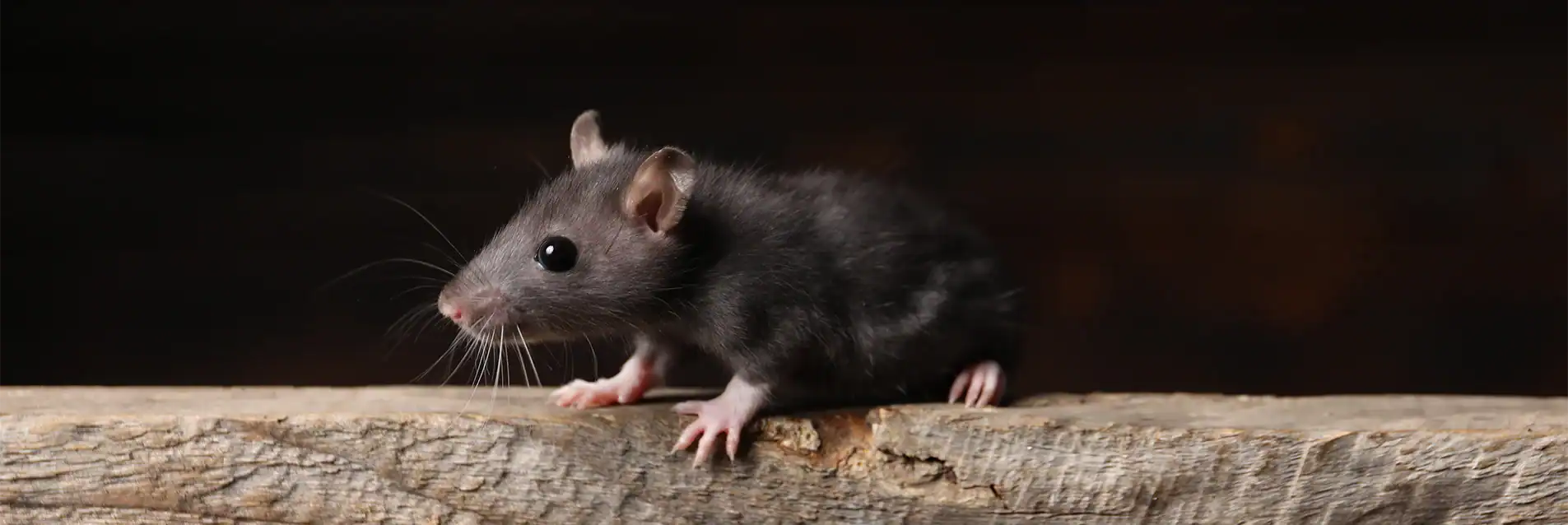
Roof rats are nocturnal, which is why the noise almost always shows up after dark. They’re active, they move fast, and they tend to travel the same routes repeatedly — along rafters, through insulation, inside wall cavities. The scratching, scurrying, or rolling sound you’re hearing is usually consistent with roof rat activity, and it’s one of the most reliable early indicators that you have an active infestation rather than a single stray animal.
In Saint Joseph specifically, the combination of fruit trees — citrus, kumquats, and similar plantings that are part of the area’s agricultural heritage — and older rural housing stock creates near-ideal conditions for roof rats to establish a colony. They feed outside, then shelter inside. The attic is warm, protected, and often undisturbed for long stretches. By the time the scratching becomes noticeable enough to keep you up at night, the population is usually larger than one or two animals. Getting an inspection scheduled quickly matters because Florida’s year-round climate means there’s no off-season — they breed continuously.
This is one of the most important questions Saint Joseph homeowners ask, and the honest answer is that rodenticide bait carries real secondary poisoning risk for any animal that might eat a poisoned rodent. Dogs, cats, chickens, and barn cats are all documented victims of secondary poisoning. A rat that ingests bait doesn’t die immediately — it typically takes one to several days, during which it may become slow-moving and easy for a pet or predator to catch and eat. The toxin transfers.
We use mechanical traps exclusively — no poison in your home, no poison in your yard. For a rural Saint Joseph property where animals are part of daily life, that’s not just a preference, it’s the only approach that doesn’t introduce a new risk while solving the original one. Trap-based removal is also cleaner in terms of outcome: a trapped rodent stays where it’s placed. A poisoned rodent can crawl into a wall cavity and decompose there for weeks, creating an odor problem that’s difficult and expensive to address after the fact.
The signs overlap, but there are a few reliable differences. Roof rats tend to be found in elevated spaces — attics, rafters, upper wall voids — and their droppings are roughly the size and shape of an olive pit with pointed ends. Mice are smaller, tend to stay lower, and leave smaller, rod-shaped droppings. Roof rats are also more likely to be the culprit when the activity is clearly in the attic or roofline, which is the most common presentation on Saint Joseph properties given the area’s tree canopy and older housing stock.
That said, the inspection is what determines it definitively. Trap placement, monitoring approach, and entry point assessment all vary depending on which species you’re dealing with. Treating for roof rats when you actually have mice — or vice versa — leads to wasted time and an infestation that doesn’t resolve. The inspection isn’t a formality; it’s the step that makes everything else work correctly. Most homeowners are surprised by how clear the evidence is once someone trained in rodent identification walks through the space.
For most residential jobs in the Saint Joseph area, professional rodent removal runs somewhere between $200 and $700 depending on the size of the infestation, the number of traps needed, and how accessible the affected areas are. Attic rodent decontamination — which includes sanitizing contaminated insulation and eliminating scent trails — typically adds $600 to $1,000. If entry point sealing is part of the scope, that can range from $200 to $2,000 depending on how many vulnerabilities are identified and their complexity.
We provide most quotes over the phone, which means you’re not waiting for a technician to schedule a consultation before you even know what you’re looking at. For Saint Joseph homeowners on rural acreage with older structures, getting a realistic number upfront matters — especially when the alternative is absorbing the cost of chewed wiring, damaged insulation, or structural repairs that a rodent infestation left untreated will eventually cause. The pest control cost is almost always significantly less than the damage cost.
This is a real concern for Saint Joseph homeowners, and it deserves a straight answer: yes, ongoing pressure from fruit trees and agricultural surroundings means reinfestation is possible without the right follow-through. Roof rats are documented citrus feeders — they’re drawn to the fruit, and properties with kumquats, oranges, or other citrus have a persistent food source that keeps attracting new animals from the surrounding landscape. That pressure doesn’t disappear after a single treatment.
What prevents reinfestation is a combination of two things: eliminating the scent trails left by the previous colony and sealing the entry points those animals used to get inside. Our process includes attic decontamination to remove the chemical markers that guide new rodents back into established harborage areas. You’ll also receive a complete inventory of every identified entry point. Sealing those gaps is what closes the door on the next wave. For properties with active citrus trees, a quarterly prevention program is worth considering — not as an upsell, but because the food source in your yard is a year-round draw and the maintenance approach should match that reality.
Yes — we offer special discounts for military families and new homeowners. Saint Joseph has a strong community identity rooted in families who’ve worked this land for generations, and it also draws new residents who are specifically choosing rural Pasco County over the suburban growth happening in places like Wesley Chapel or Zephyrhills. New homeowners in particular often discover rodent issues shortly after moving in — sometimes in the attic, sometimes in outbuildings — and are dealing with the financial weight of a recent purchase at the same time.
The military discount reflects a straightforward acknowledgment of service, and the new homeowner discount recognizes that discovering a rodent problem in the first few months of owning a rural property is both stressful and common. If either applies to you, mention it when you call. Quotes are provided over the phone for most jobs, so you’ll know where you stand before anyone schedules a visit. That transparency is how we operate — not just for first-time callers, but for every conversation.
Other Services we provide in Saint Joseph