
Fast, reliable pest control from Hernando County’s most trusted family-owned team—with most quotes given over the phone.
Contact Info
Fast, reliable pest control from Hernando County’s most trusted family-owned team—with most quotes given over the phone.
Contact Info
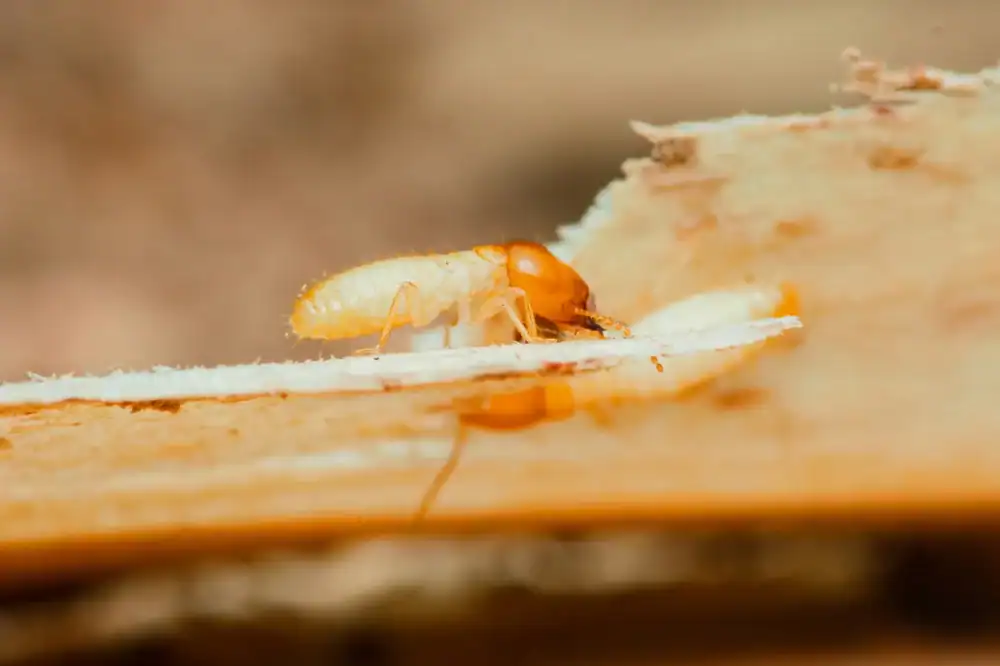
When you’re buying or already own a home in Powell, the stakes are different than in a typical Spring Hill subdivision. The properties out here tend to sit on larger lots — sometimes with wood outbuildings, old fence posts, mature trees, and soil conditions that have been holding moisture for decades. It’s just the reality of what subterranean termites look for, and the Powell Road corridor has plenty of it.
A professional termite inspection in Powell, FL gives you a clear picture of what’s actually going on — not just in the main structure, but in the surrounding environment that feeds the problem. Subterranean termites can feed on a home for three to five years before you see a single sign. By the time mud tubes show up on your foundation or you notice hollow-sounding wood, the damage is already done. And your homeowner’s insurance won’t cover it.
For buyers using VA or FHA financing, a licensed WDO inspection isn’t optional — it’s a required step before closing. We issue the official FDACS Form 13645, which is the specific document your lender needs. Not a generic inspection report, not a third-party referral. The real form, from a licensed operator, handled in-house from start to finish.
Around The Clock Pest Service is based in Spring Hill, FL — connected to Powell directly by County Road 572, which is Powell Road itself. When you call, you’re not reaching a regional dispatch center routing someone from two counties over. You’re talking to George Lundin, the owner, who knows Hernando County’s soil, its building stock, and the specific termite pressures that come with living in the rural interior east of the Suncoast Parkway.
We launched in 2020 with a straightforward premise: answer every call personally, give honest quotes over the phone, and show up when we say we will — including weekends. Over 100 five-star Google reviews from Hernando and Pasco County residents back that up. We hold FDACS License #LF286842 (valid through June 2027), carry BBB A+ accreditation, and use no subcontractors. The inspector who walks your property is the same team that answered your call.

It starts with a phone call. You describe the property — the size, the age, whether there are outbuildings or a wood deck — and in most cases, you’ll get a quote right there on the call. No sales visit required just to find out what it costs. That matters when you’re on a real estate timeline or just don’t want to waste half a day waiting for someone to show up.
Once you book, a certified Around The Clock technician comes out to the property and conducts a full WDO inspection — that’s Wood-Destroying Organism, which covers subterranean termites, drywood termites, wood-boring beetles, and wood-decaying fungi. For rural properties along Powell Road, that means looking beyond the interior of the home. The inspection accounts for the full exposure picture: crawl spaces, foundations, accessible outbuildings, wood-to-soil contact points, and moisture conditions in the surrounding environment.
After the inspection, you receive the official FDACS Form 13645 — the state-mandated report accepted by VA, FHA, and conventional lenders throughout Florida. If you’re closing on a home near Hernando Oaks or anywhere along the Powell Road corridor, this is the document that keeps your timeline on track. The whole process is straightforward, and if anything concerning is found, you’ll hear about it plainly — not buried in fine print.

Ready to get started?
Florida law limits who can legally conduct and report a WDO inspection. Only FDACS-licensed pest control operators can issue the Form 13645 that lenders require — and penalties for unlicensed reporting start at $5,000 per offense. That’s worth knowing when you’re comparing options and someone offers a cheaper inspection through a home inspector or an unlicensed third party. It may look like the same service on paper, but it won’t hold up at closing.
The WDO inspection we provide covers all five categories required under Florida statute: subterranean termites, drywood termites, wood-boring beetles, powderpost beetles, and wood-decaying fungi. For properties in Powell — where older rural homes sit on agricultural land with high soil moisture and mature tree canopy — that full scope matters. Drywood termites don’t need soil contact, meaning exposed wood on a detached garage or a covered porch is just as much a target as the main structure’s foundation.
Annual termite monitoring in Powell, FL is the professional standard for this type of property, and semi-annual checks are increasingly recommended in high-pressure zones like central Hernando County. If you’re a new homeowner, a military family using VA financing, or a long-term Powell Road resident who hasn’t had a professional inspection in a few years, the cost of a WDO inspection — typically $75 to $300 depending on property size — is a straightforward investment against repair bills that routinely run $8,000 to $12,000 or more.
It depends on how you’re financing the purchase. If you’re using a VA loan, a WDO inspection is mandatory in Florida — no exceptions. FHA lenders frequently require it as well, and many conventional lenders will request one if there’s any indication of wood-destroying organism activity noted during the general home inspection. Given the volume of buyers entering the Powell Road corridor right now — including the developments near the US 41 intersection — this question comes up constantly at closing.
Even if your lender doesn’t require it, skipping the inspection on a rural Hernando County property is a financial risk. Termites can be actively feeding on a structure for years before any visible sign appears. The average repair cost in Florida runs $8,000 to $12,000 per incident, and standard homeowner’s insurance doesn’t cover termite damage. A WDO inspection is one of the few pre-closing steps that protects you — not just the lender.
FDACS Form 13645 is the official Wood-Destroying Organism inspection report required by the Florida Department of Agriculture and Consumer Services. It’s the specific document that VA, FHA, and most conventional mortgage lenders in Florida require before a real estate transaction can close. Only FDACS-licensed pest control operators are legally authorized to produce it — a home inspector, a general contractor, or an unlicensed pest company cannot issue a legally valid version of this form.
When your lender asks for a termite inspection report in Powell, FL, this is what they’re asking for. Not a general inspection summary, not a letter from a pest company — the actual Form 13645 from a licensed operator. We hold FDACS License #LF286842, valid through June 2027, and issue this form directly as part of every WDO inspection. If you’ve already received a report from someone else and your lender rejected it, that’s usually why.
The professional standard in Florida is once per year at minimum. For rural properties in Hernando County — especially those with agricultural surroundings, mature trees, wood outbuildings, or high soil moisture — semi-annual inspections are increasingly the recommendation. The conditions along and east of Powell Road create an elevated baseline risk: moisture-retaining soil from former ranch and farm use, decaying organic matter, and wood-to-soil contact points that are common on larger rural parcels.
What makes the annual standard important here specifically is that Florida’s climate doesn’t give termites an off-season. Unlike states where winter temperatures slow or stop colony activity, Hernando County’s subtropical climate keeps subterranean and drywood termites active year-round. A colony can establish and grow for two to three years before you notice anything. By the time swarmers show up inside your home or you find hollow-sounding baseboards, the damage has already been building. Consistent annual monitoring is how you catch it early — not after the fact.
Yes. We offer a discount specifically for military families, and it applies to termite inspections. Hernando County has a significant veteran population, and a meaningful number of buyers in Powell are purchasing with VA loans — which require a WDO inspection before closing. The discount is a straightforward acknowledgment of that reality.
If you’re a veteran or active-duty service member buying near Hernando Oaks, along Powell Road, or anywhere in the surrounding Hernando County area, mention it when you call. George will apply the discount to your inspection. The military discount is also available to new homeowners, which covers a lot of buyers entering this market right now as development along the US 41 and Powell Road corridors continues to bring new residents into the community.
Absolutely — and this is one of the most overlooked aspects of termite risk on rural properties. Subterranean termites don’t limit themselves to the main structure. Any wood that has contact with or proximity to moist soil is a potential target: fence posts, wood sheds, covered equipment storage, wood decks, detached garages, and even firewood stacked near the house. On a typical Powell Road property with an acre or more of land, the total exposure surface is significantly larger than a standard suburban lot.
Drywood termites add another layer. Unlike subterranean species, they don’t need soil contact or moisture — they enter directly through exposed wood above ground. A wood-framed outbuilding, an older barn structure, or a covered porch can all be entry points. A thorough WDO inspection for a rural Hernando County property accounts for the full picture, not just the main house. That’s exactly how we approach inspections in this area.
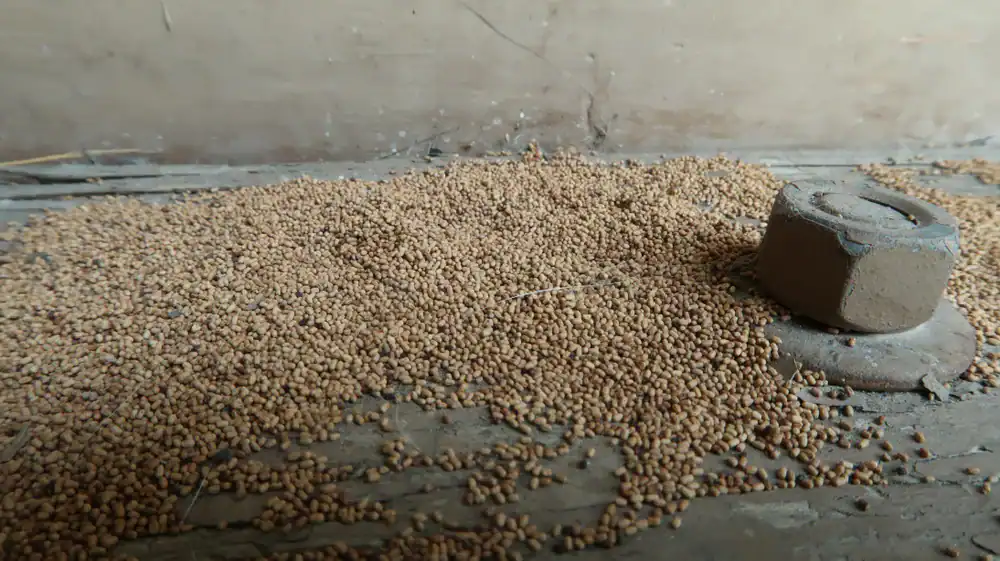
The most visible signs of subterranean termite activity are mud tubes — pencil-thin tunnels of soil and debris running along your foundation, concrete block walls, or interior framing. These are the highways termites build to travel from the soil to the wood they’re feeding on without exposing themselves to open air. If you see them, activity is either current or recent. Other signs include hollow-sounding wood when you knock on it, paint that bubbles or blisters without an obvious moisture source, and small piles of what looks like sawdust near baseboards or window frames — that’s often frass from drywood termites.
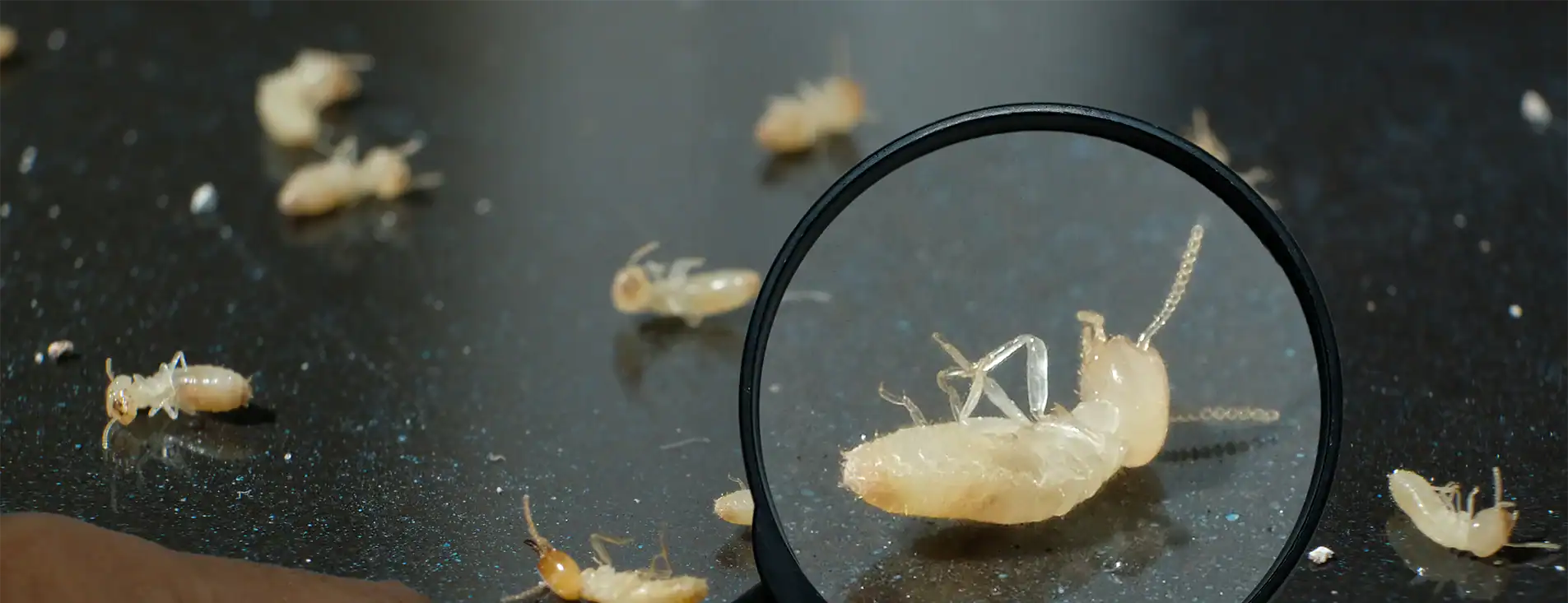
In Powell specifically, the combination of older rural home construction, high soil moisture from agricultural land use, and year-round subtropical humidity means the conditions for undetected activity are consistently favorable. Termite swarmers — winged reproductives that emerge in spring and early summer, often after rain — are another signal worth taking seriously. Finding a swarm inside your home doesn’t necessarily mean the damage is catastrophic yet, but it does mean a colony is established nearby. That’s the point at which calling for a professional termite inspection in Powell, FL stops being optional.