
Fast, reliable pest control from Hernando County’s most trusted family-owned team—with most quotes given over the phone.
Contact Info
Fast, reliable pest control from Hernando County’s most trusted family-owned team—with most quotes given over the phone.
Contact Info
You’re looking at a problem most Florida homeowners don’t see until it’s too late. Termites can feed on your home’s structure for three to five years before you notice anything wrong. By then, you’re facing repair bills that insurance won’t cover—because in Florida, termite damage isn’t an insurable event.
That’s the reality in Elfers. With 13 subterranean termite colonies per acre in Florida and 21 different termite species statewide, your home is under constant pressure. The warm, humid climate here creates ideal conditions year-round, not just during spring swarm season.
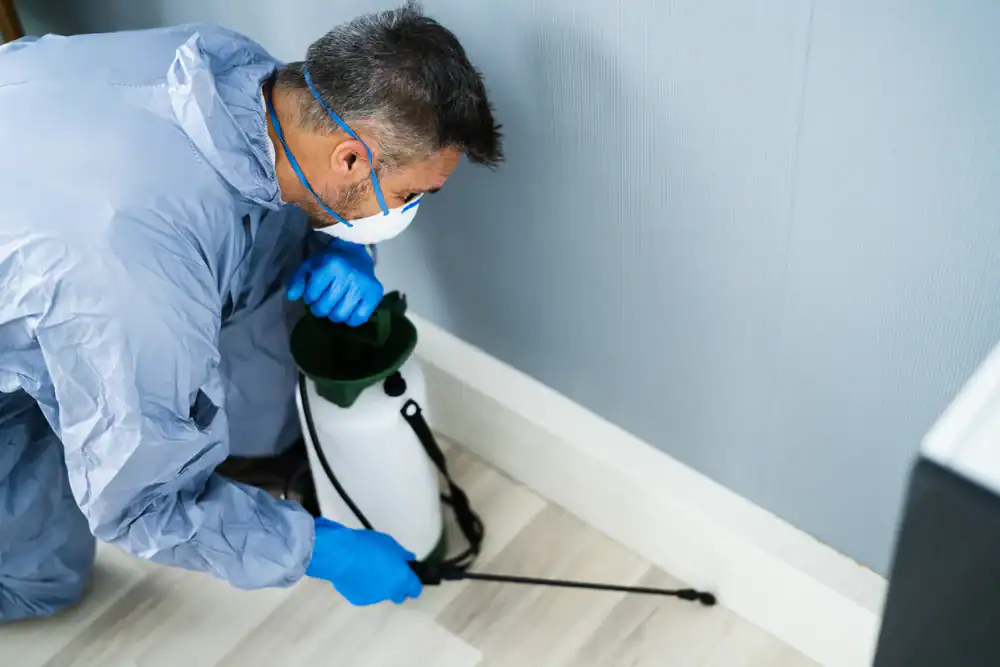
Professional termite protection Florida residents need starts with prevention, not reaction. You get a thorough inspection of your property’s vulnerable points, treatment designed specifically for your home’s construction and landscape, and ongoing monitoring that catches problems early. The goal isn’t just to kill termites—it’s to create a barrier they can’t cross and maintain it so your home stays protected.
When you invest in termite prevention services Spring Hill FL homeowners rely on, you’re protecting the equity you’ve built. You’re avoiding the scenario where you discover damage during a real estate transaction or refinance. You’re making sure the structure your family depends on stays sound.
Around The Clock Pest Service is a family-run operation serving Elfers, Spring Hill, and Hernando County. You work directly with George and Mary, the owners—not a rotating crew of technicians who don’t know your property. We’re state-certified, licensed through 2027, and BBB accredited.
What makes us different is availability. You can reach us 24/7, even on weekends. Most quotes happen over the phone because we believe in transparent pricing, not high-pressure sales visits. We’ve built our reputation on over 100 five-star Google reviews from homeowners who needed honest answers and fast service.
We understand Elfers specifically—the older homes in established neighborhoods, the way pests move from yard to yard in high-density areas, the seasonal patterns that bring swarms in spring and keep colonies active through winter. When you call, you’re talking to someone who knows your street, not a call center three states away.
The process starts with a thorough inspection of your property. We’re looking for active termite activity, previous damage, and vulnerable entry points—because termites only need a crack 1/32nd of an inch wide to get inside. This includes checking your foundation, crawl spaces, wood-to-ground contact points, and moisture areas where termites thrive.
Once the inspection is complete, you get a clear explanation of what we found and what needs to happen. If you need treatment, it’s tailored to your specific situation—liquid barrier treatments for perimeter protection, baiting systems for ongoing monitoring, or localized treatments for active infestations. No cookie-cutter approach.
After treatment, you’re set up with an annual termite protection plan that includes regular monitoring and re-treatment as needed. Termites don’t take a break in Florida, so your protection shouldn’t either. You get follow-up visits, direct access to us if you spot swarmers or have concerns, and the peace of mind that comes from knowing someone’s watching your biggest investment.
The entire process is designed around transparency. You know what’s happening, why it’s happening, and what it costs before any work begins.

Ready to get started?
Your termite prevention service includes a comprehensive property inspection that identifies risk factors specific to Elfers homes—older construction, landscaping that holds moisture, wood mulch near foundations, and the sandy soil that subterranean termites love. You’re not getting a quick walk-around. You’re getting a detailed assessment.
Treatment options depend on what your property needs. Liquid termiticides create a barrier in the soil around your foundation that termites can’t cross. Baiting systems provide ongoing monitoring and eliminate colonies at the source. Both methods are proven effective for residential termite defense Pasco County homeowners face.
You also get WDO (Wood Destroying Organism) inspections required for real estate transactions. If you’re buying or selling in Elfers, this inspection is mandatory for closing. It’s a detailed report that satisfies lender requirements and gives buyers confidence. We provide same-day service for urgent WDO needs because we know real estate timelines don’t wait.
Spring Hill and Elfers have active real estate markets with older homes that need extra attention. Termite swarms typically start in early March and continue through summer here, with different species swarming at different times. Formosan termites, one of the most aggressive species, are active in this area and can cause significant damage quickly. Your protection plan accounts for these local patterns and adjusts monitoring accordingly.
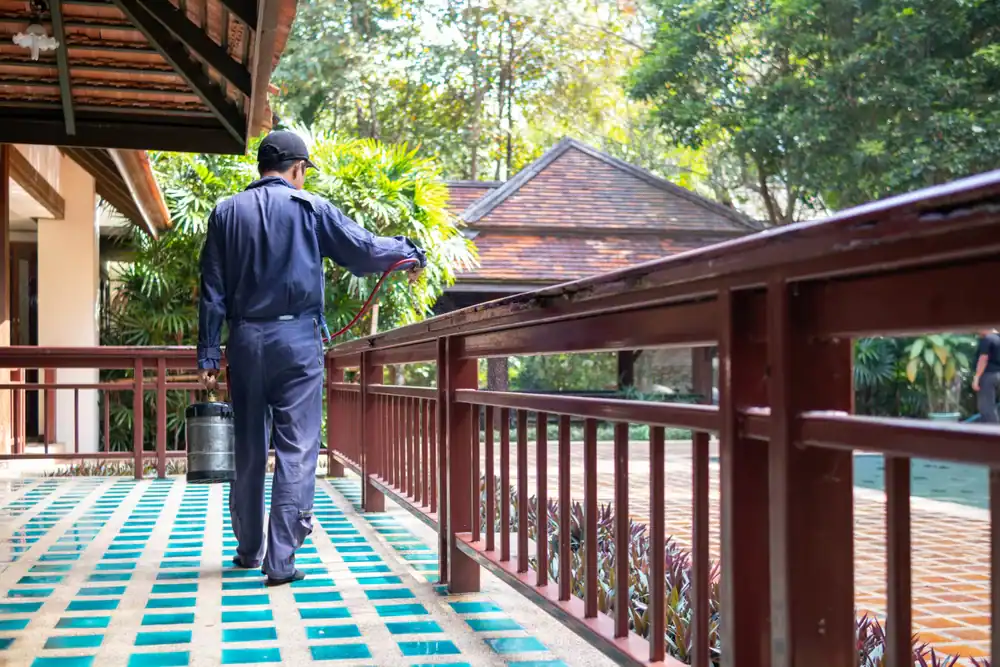
Most termite prevention services in Elfers range from $500 to $1,500 for initial treatment, depending on your home’s size, construction type, and the extent of protection needed. Annual termite protection plans typically run $300 to $600 per year for ongoing monitoring and re-treatment.
We provide most quotes over the phone because we believe in transparent pricing. You’ll get a clear breakdown based on your specific property—square footage, soil type, existing termite pressure, and whether you need perimeter treatment, baiting systems, or both.
Keep in mind that prevention costs a fraction of what you’d pay for termite damage repairs. The average termite damage repair in Florida runs $3,000 to $8,000, and severe infestations can exceed $20,000. Your homeowner’s insurance won’t cover any of it. When you look at prevention as protecting tens of thousands in potential repair costs, the investment makes sense.
Termite treatment addresses an active infestation—you’ve got termites in your home right now, and they need to be eliminated. Prevention creates a protective barrier before termites get inside, stopping the problem before it starts.
Treatment is reactive. You’re dealing with damage that’s already happening, and you’re racing to minimize how much worse it gets. This usually involves more aggressive chemical applications, localized treatments in walls or crawl spaces, and follow-up visits to confirm the colony is eliminated.
Prevention is proactive. We apply barrier treatments around your foundation, install monitoring stations, and conduct regular inspections to catch termite activity before it becomes an infestation. In Elfers, where termite pressure is constant year-round, prevention is the smarter financial move. You’re avoiding the scenario where termites feed undetected for years before you discover them during a renovation or real estate inspection.
You should have your home inspected for termites at least once a year in Florida. Given the state’s climate and the fact that we have more termite species than anywhere else in the continental U.S., annual inspections are the minimum standard for responsible homeownership.
If you’re in an area with known termite activity—which includes most of Elfers and Spring Hill—quarterly inspections as part of a comprehensive pest prevention plan make more sense. Termites can establish a colony and begin causing damage within months, not years. The earlier you catch them, the less expensive the fix.
You also need inspections for specific events: buying or selling a home (WDO inspection required for closing), refinancing (many lenders require it), or if you notice signs like discarded wings, mud tubes on your foundation, or wood that sounds hollow when tapped. We offer same-day inspections when you need fast answers, which matters during time-sensitive real estate transactions.
Yes. Florida’s mild winters don’t stop termite activity the way cold weather does up north. While termites may burrow deeper into the soil or stay inside wall voids during cooler months, the colonies remain active and continue feeding on your home’s structure.
In Elfers, winter temperatures rarely drop low enough to force termites into true dormancy. You might not see swarms in December like you would in April, but the workers are still tunneling, still eating wood, still expanding the colony. That’s why year-round protection matters here—there’s no “off season” where you’re safe.
Homeowners who only think about termites during spring swarm season are missing 75% of the year when damage is happening silently. The termites you see swarming are reproductives looking to start new colonies. The ones you don’t see are the workers that have been feeding on your floor joists for the past three years. Prevention plans account for this year-round activity with regular monitoring and barrier maintenance that doesn’t lapse during winter months.
The most obvious sign is swarmers—winged termites that emerge in spring and summer, usually after rain. If you see discarded wings near windows, doors, or light fixtures, you’ve got an active colony nearby. Swarmers themselves don’t cause damage, but they indicate a mature colony that’s been feeding for years.
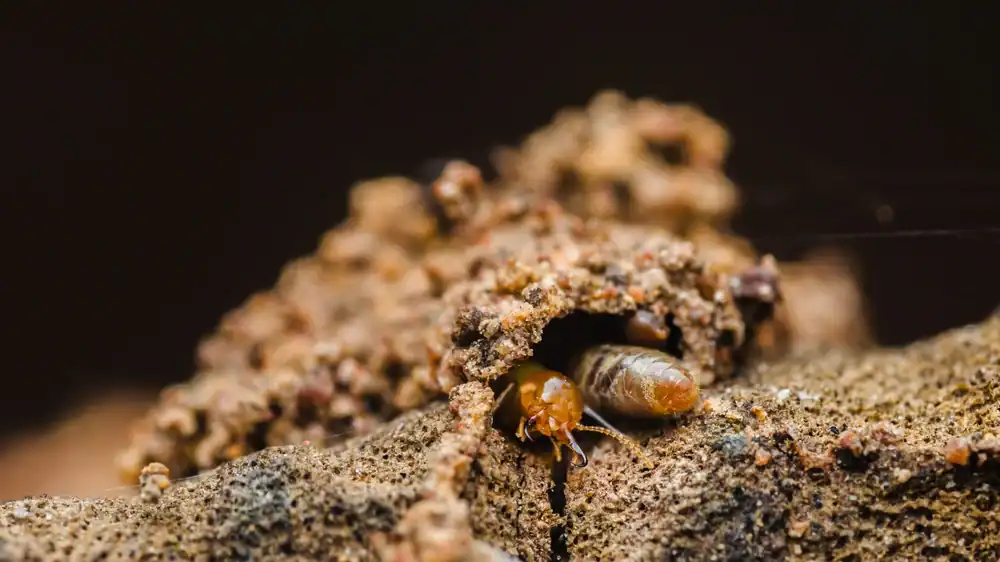
Mud tubes on your foundation or exterior walls are another clear sign. Subterranean termites build these pencil-thin tunnels to travel between soil and wood while staying protected from air and light. If you see mud tubes, you have active termites. You can break open a section to check—if you see white, ant-like insects inside, that’s confirmation.
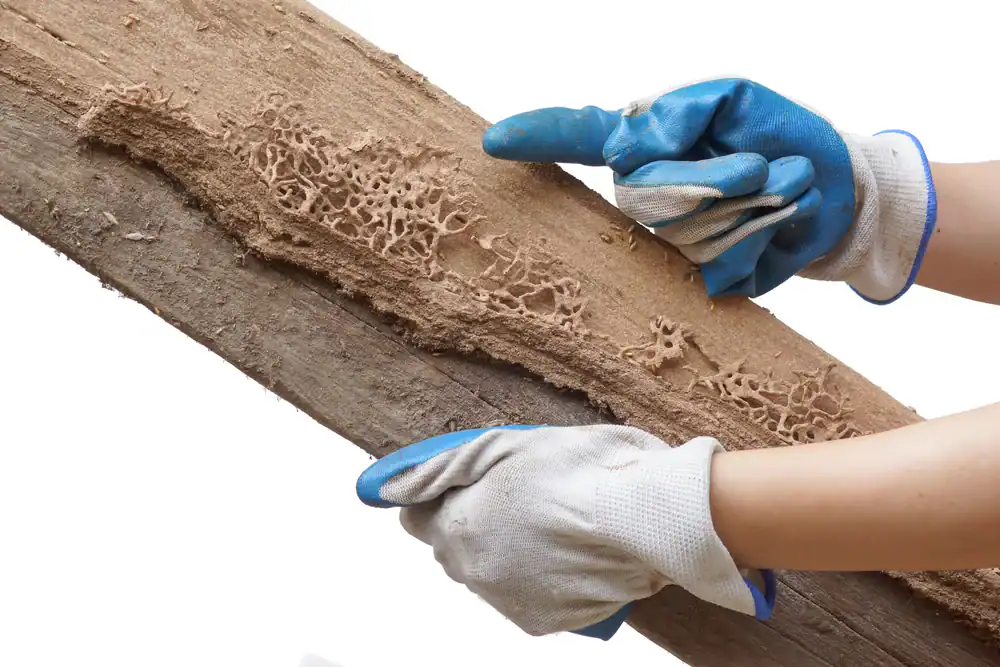
Wood damage is harder to spot because it happens inside-out. Termites eat wood from the interior, leaving a thin veneer on the surface. Tap wooden beams, door frames, and window sills with a screwdriver handle. If it sounds hollow or the screwdriver pushes through easily, you’ve got damage. You might also notice floors that feel soft or spongy, doors that suddenly stick, or drywall that appears water-damaged when you don’t have a leak. By the time these signs appear, termites have been feeding for years.
Insurance companies classify termite damage as preventable, which means it’s your responsibility as the homeowner to stop it before it happens. Unlike sudden events like fire or storm damage, termite infestations develop slowly over years. Insurers argue that regular inspections and preventive treatment would have caught the problem early, so they don’t cover the cost of repairs.
This is why termite prevention is critical in Florida. You’re not just protecting your home—you’re protecting your financial investment without any safety net from insurance. When termite damage costs Florida homeowners over $500 million annually and none of it is covered, prevention becomes the only financially smart option.
The good news is that prevention costs far less than repairs. An annual termite protection plan runs a few hundred dollars. Repairing structural damage from a mature termite infestation can cost $10,000 or more. We structure our prevention plans specifically to help Elfers homeowners avoid the scenario where they’re facing massive repair bills with no insurance help. You’re paying a small amount now to avoid a catastrophic expense later.