
Fast, reliable pest control from Hernando County’s most trusted family-owned team—with most quotes given over the phone.
Contact Info
Fast, reliable pest control from Hernando County’s most trusted family-owned team—with most quotes given over the phone.
Contact Info
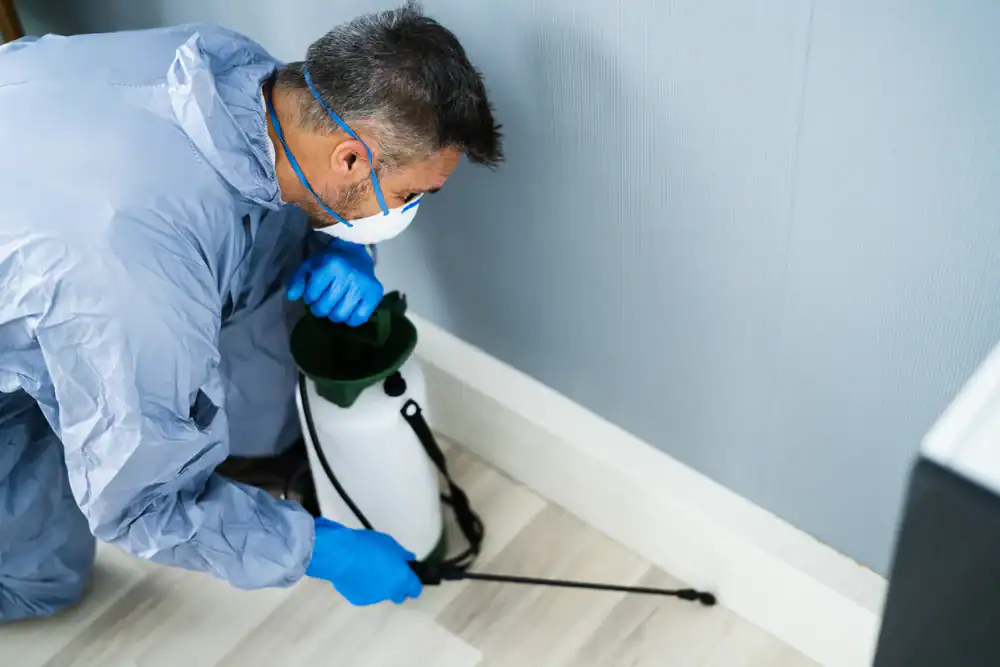
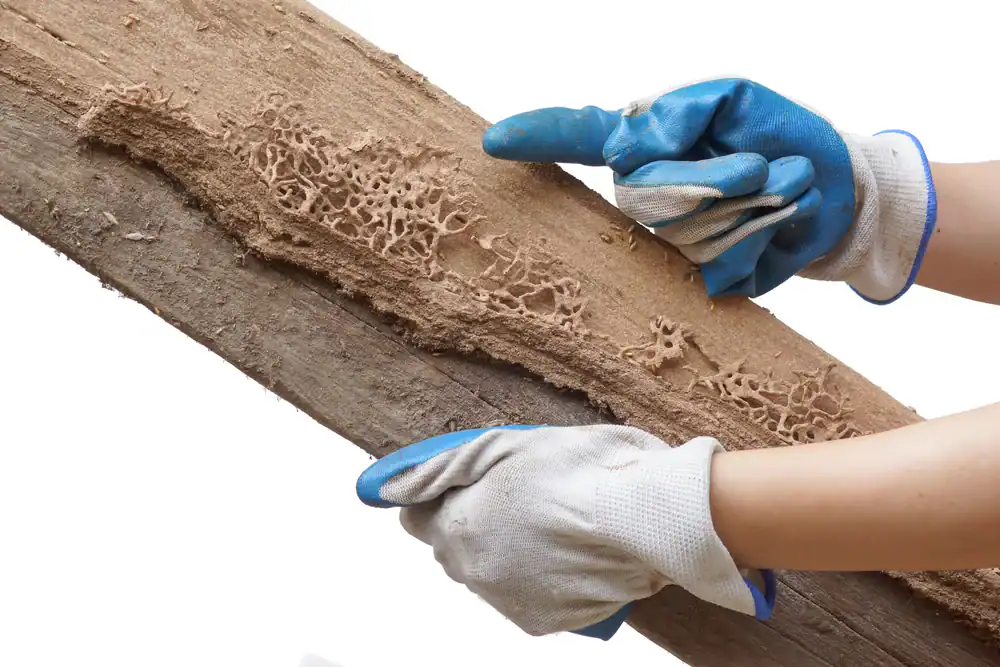
Termites don’t take breaks in Florida. They’re active every month of the year, and in Land O’ Lakes, the warm, humid climate makes your property a prime target. You could have a colony feeding on your home right now and not know it for three to five years.
By the time you see visible damage, the repair bill is already climbing into the thousands. Most homeowners don’t realize their insurance won’t cover it either—termite damage is considered preventable maintenance, which means you’re paying out of pocket if you wait too long.
Professional termite prevention in Land O’ Lakes gives you a barrier that works around the clock. You get regular inspections, treatments customized to your property, and the confidence that someone’s actually watching for early signs before they become expensive problems. It’s not about fear—it’s about not gambling with the biggest investment you’ll ever make.
Around The Clock Pest Service is a family-run operation serving Land O’ Lakes and the surrounding Hernando County area. You work directly with the owner, not a call center or a rotating crew. That means faster responses, transparent pricing, and someone who actually picks up the phone—even on weekends.
We’re state-certified, locally focused, and built on repeat clients who trust us to show up and do the work right. Over 100 five-star Google reviews back that up. We’re not the biggest company in the area, but that’s the point—you’re not a ticket number here.
Land O’ Lakes has its own pest pressures. The mix of older homes, new construction, and natural wetlands creates the perfect environment for subterranean termites. We know the area, we know the species, and we know what works long-term.
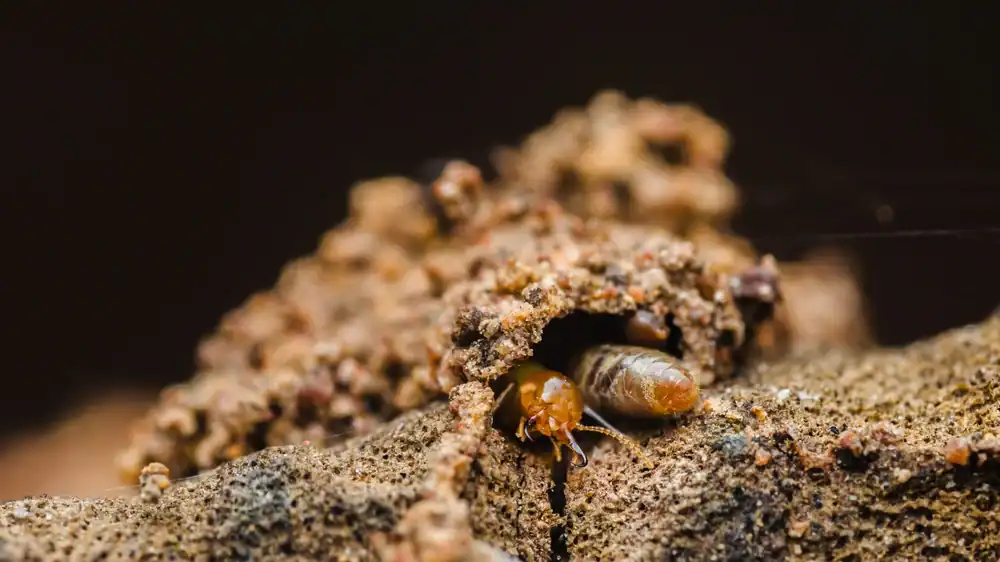
First, we inspect your property. That means checking the foundation, crawl spaces, wood-to-soil contact points, and any areas where moisture builds up. Termites need three things: wood, moisture, and access. We’re looking for all three.
Once we know what we’re dealing with, we recommend a treatment plan. That could be liquid termiticide applied around your foundation, bait stations installed at key points, or a combination depending on your property layout and the termite species we’re targeting. We explain the options, the costs, and what each one actually does—no upselling, no pressure.
After treatment, you’re covered under an annual termite protection plan. We come back for follow-up inspections, monitor bait stations, and reapply treatments as needed. If termites show up during that period, we handle it under warranty. You’re not starting from scratch every time.
Most quotes happen over the phone once we ask a few questions about your property. If we need to see it in person first, we’ll tell you that upfront. Either way, you’ll know what you’re paying before we start.

Ready to get started?
Your annual termite protection plan includes an initial inspection, customized treatment based on your property’s needs, and scheduled follow-ups throughout the year. We’re not just treating once and disappearing—we’re monitoring for activity, checking bait stations, and making sure the barrier stays effective.
In Land O’ Lakes, subterranean termites are the main concern, but drywood termites show up too. Subterranean colonies live in the soil and build mud tubes to reach wood above ground. Drywood termites infest the wood directly and don’t need soil contact. The treatment approach is different for each, and we adjust based on what’s actually threatening your home.
You also get access to us 24/7. If you see swarmers, find mud tubes, or just want to ask a question, you’re calling the owner directly. We respond within 24 hours, even on weekends. That kind of access matters when you’re dealing with something that can quietly cost you tens of thousands of dollars.
Florida homeowners spend over $500 million a year on termite damage and prevention combined. The cost of prevention is always lower than the cost of repair. Always.
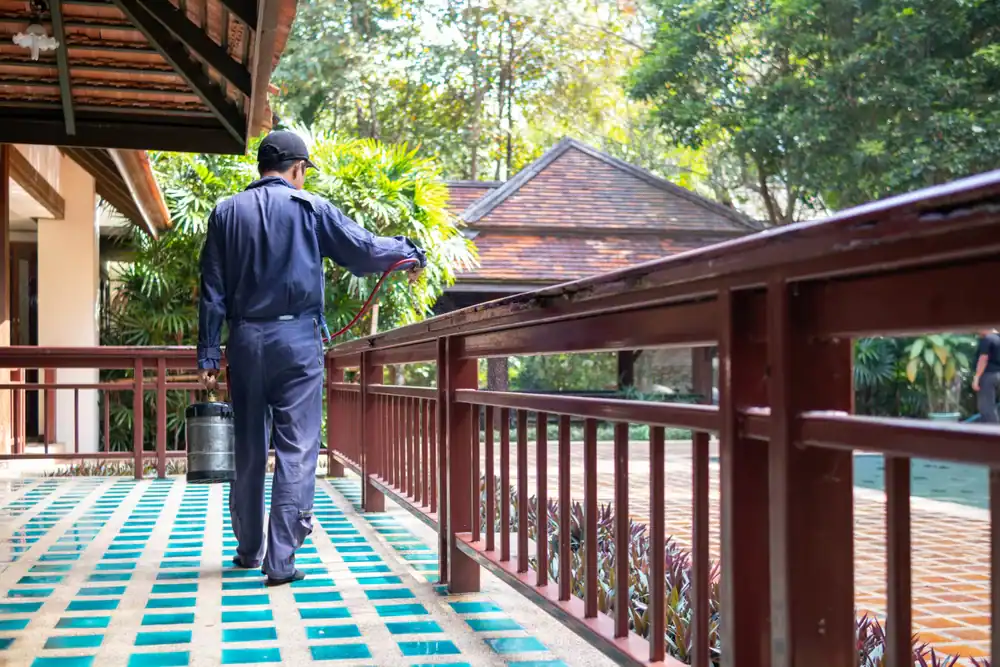
Most termite prevention services in Land O’ Lakes range between a few hundred to over a thousand dollars depending on your property size, the treatment method, and whether you’re starting fresh or renewing an existing plan. Liquid treatments tend to cost more upfront but provide a continuous barrier. Bait stations are often less expensive initially and work well for ongoing monitoring.
We provide most quotes over the phone after asking about your home’s square footage, foundation type, and any previous termite history. If your property has unique features—like a crawl space, slab foundation, or heavy landscaping near the house—we might need to see it in person to give you an accurate number.
The real cost comparison isn’t between companies—it’s between prevention and repair. Termite damage repair in Florida averages around $3,000, but it can easily climb into the tens of thousands if the infestation goes undetected for years. Your homeowners insurance won’t cover it because it’s considered preventable. Spending a fraction of that annually to avoid the problem makes financial sense.
Annual inspections are the standard recommendation in Florida, and in Land O’ Lakes specifically, that’s not overkill—it’s necessary. Termites stay active year-round here. There’s no winter slowdown like you’d see in colder states. That means a colony can establish, grow, and cause damage without seasonal interruption.
An annual termite protection plan includes scheduled inspections as part of the service. We’re checking for new activity, monitoring bait stations, and making sure treatments are still effective. If you’re buying or selling a home, you’ll also need a WDO (Wood Destroying Organism) inspection as part of the real estate process.
If you’re not on a protection plan, you should still inspect your property yourself a few times a year. Look for mud tubes along your foundation, hollow-sounding wood, discarded wings near windows or doors (a sign of swarmers), and any soft spots in wood structures. Catching it early saves money. A professional catches it earlier.
Liquid termiticide creates a chemical barrier in the soil around your foundation. Termites can’t cross it without dying, and it lasts for years if applied correctly. It’s a more immediate, defensive approach—think of it as a perimeter that keeps termites out. This method works well for homes with active infestations or high-risk areas.
Bait stations are installed around your property at strategic points. They contain material that attracts termites, and once termites feed on the bait, they carry it back to the colony. It’s a slower process, but it targets the entire colony, including the queen. Bait stations also give us ongoing monitoring data—we can see where termite activity is happening and adjust accordingly.
Some properties benefit from both. If you’ve had termites before, or if your home has soil-to-wood contact points that are hard to treat with liquid alone, combining methods gives you layered protection. We’ll recommend what makes sense for your property, not what’s easiest for us to install.
You can take some preventive steps on your own—fixing leaks, keeping mulch away from your foundation, removing wood debris from your yard, and making sure your gutters drain properly. Those actions reduce moisture and eliminate food sources, which makes your property less attractive to termites.
But DIY termite prevention rarely addresses the full scope of the problem. Termites can enter through cracks as small as 1/32nd of an inch. They can be feeding inside your walls for years before you notice. And if you’re applying store-bought treatments without knowing where the colony is or what species you’re dealing with, you’re guessing.
Professional termite prevention services in Land O’ Lakes come with proper equipment, state certifications, and access to treatments that aren’t available over the counter. More importantly, you get trained eyes that know what to look for and where to look. Termites are silent and hidden by nature—if you’re seeing them, they’ve already been there a while. We find them before you do.
The most common sign is mud tubes running along your foundation, basement walls, or crawl space. Subterranean termites build these tunnels to travel between soil and wood while staying protected from air and light. They’re about the width of a pencil and usually brown or tan.
You might also see discarded wings near windowsills, doors, or light fixtures. Termite swarmers shed their wings after mating, and finding piles of them indoors means a colony is nearby. Swarms typically happen in spring and summer in Florida, but termites don’t stop feeding after swarming season ends.
Hollow-sounding wood is another indicator. Tap on baseboards, door frames, or window sills—if it sounds hollow or feels soft, termites may have eaten through the interior. You might also notice small holes in drywall, sagging floors, or doors and windows that suddenly stick. By the time you’re seeing structural changes, the damage is already significant. That’s why regular inspections catch problems before they reach that point.
No, most homeowners insurance policies in Florida do not cover termite damage. Insurers classify it as preventable maintenance, similar to roof wear or plumbing leaks you ignored. If you didn’t take steps to prevent termites and they caused damage, you’re responsible for the repair costs.
There are rare exceptions—if termites cause sudden structural collapse, some policies might cover the collapse itself, but not the termite damage that led to it. That’s a gray area, and you’d be fighting with your insurance company to prove it qualifies. It’s not a scenario you want to rely on.
This is why professional termite protection in Land O’ Lakes isn’t optional if you want to protect your investment. The average repair bill is $3,000, but severe infestations can cost $10,000 or more depending on how much structural wood needs replacing. An annual protection plan costs a fraction of that and includes a warranty—if termites show up while you’re covered, we handle it. That’s the safety net your insurance won’t provide.