
Fast, reliable pest control from Hernando County’s most trusted family-owned team—with most quotes given over the phone.
Contact Info
Fast, reliable pest control from Hernando County’s most trusted family-owned team—with most quotes given over the phone.
Contact Info
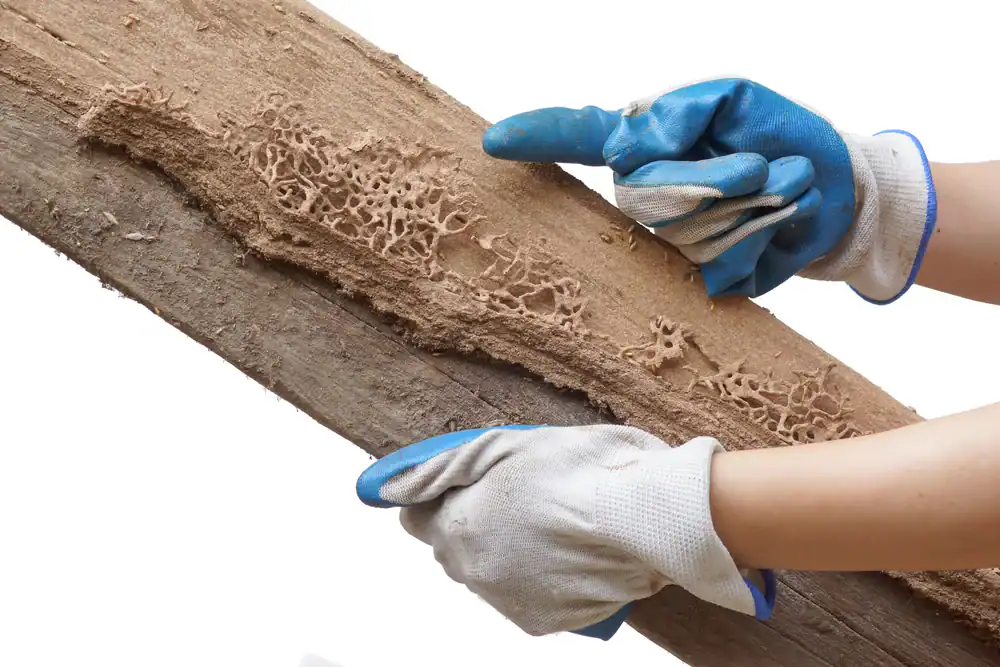
You’re looking at termite prevention because you know what happens when you don’t. The average termite repair in Florida runs $8,000 to $12,000. Your homeowner’s insurance won’t cover a dollar of it because insurers consider termites preventable.
That’s the reality in Lumberton, FL and throughout Hernando County. With 13 subterranean termite colonies per acre in Florida and year-round warm weather, termites don’t take breaks. They feed on wood structures 24/7, and by the time you notice damage, they’ve been eating for three to five years.
Professional termite protection Florida homeowners invest in isn’t about fear. It’s about math. Spending a fraction of repair costs now means you’re not scrambling to find $10,000 later when support beams are hollowed out.
You get a barrier that actually works, applied by state-licensed technicians who know exactly where termites enter Lumberton homes. You get annual protection that covers multiple termite species. And you get direct access to the owner, not a call center, if anything ever looks off.
Around The Clock Pest Service is a family-run operation serving Lumberton, FL and surrounding Hernando County communities. You work directly with the owner on every job. That means real answers, not scripts, and someone who picks up at 3 AM if you spot something concerning.
We’re licensed by the Florida Department of Agriculture (LF286842) and BBB Accredited since 2022. Over 100 five-star Google reviews back up what we do, and most of those mention the same things: fast response, honest pricing, and technicians who explain what’s happening in plain language.
Lumberton sits in an area where termite pressure is constant. We’ve worked in enough homes here to know the common entry points, the soil conditions that attract subterranean termites, and how drywood termites behave in Florida’s climate. That local knowledge matters when you’re protecting a structure long-term.
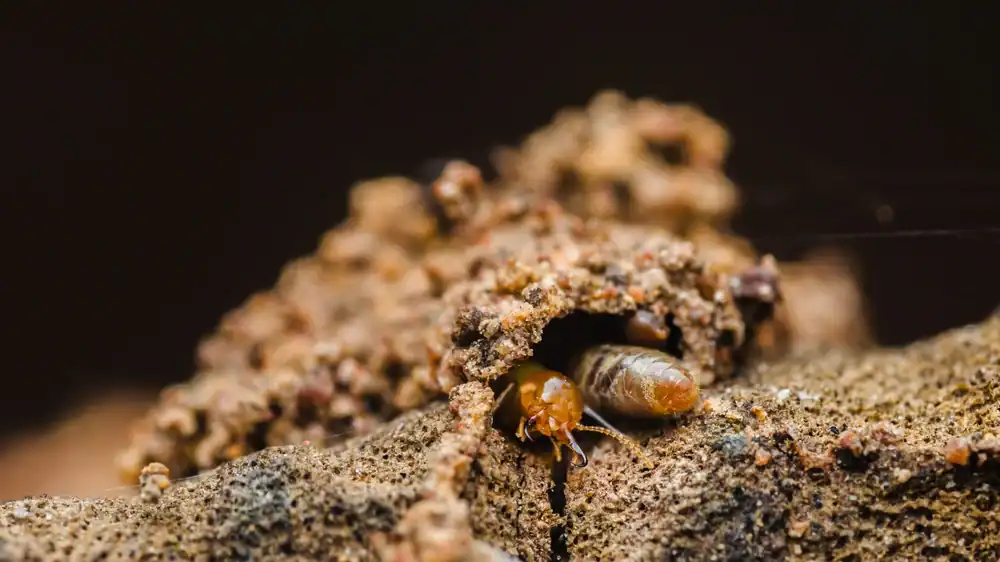
First, we inspect your property to identify current termite activity and vulnerable entry points. Termites need only a crack 1/32nd of an inch wide to get inside, so we’re looking at foundation gaps, soil-to-wood contact, moisture issues, and areas where previous treatments may have worn down.
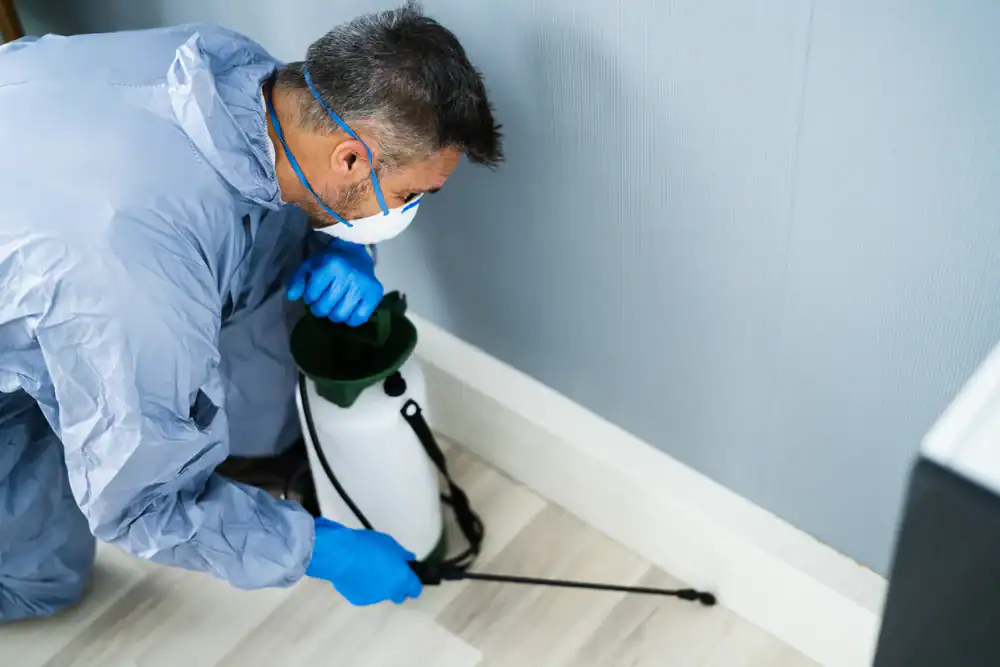
Next, we apply a liquid termiticide barrier around your home’s perimeter and any interior areas where termites are active. This creates a treated zone in the soil that termites can’t cross without exposure. For ongoing protection, we may also install monitoring stations that let us track termite movement and apply targeted treatments before colonies reach your structure.
You’ll get a clear explanation of what we found, what we’re treating, and what to expect over the next 12 months. Most termite prevention services in Spring Hill, FL and Lumberton include annual inspections to make sure your barrier stays effective. If termites breach that barrier during your coverage period, we retreat at no additional cost.
The whole process is transparent. You’ll know what products we’re using, where we’re applying them, and why. No upselling, no scare tactics, just the treatment your home actually needs based on what we see during inspection.

Ready to get started?
Your annual termite protection plan covers comprehensive treatment and monitoring for subterranean and drywood termites, the two species most active in Lumberton, FL. You get an initial inspection, full perimeter treatment, and follow-up visits to ensure your barrier remains intact.
Florida’s climate keeps termites active year-round, which is why one-time treatments don’t hold up. Our annual plans include re-inspection and re-treatment if termites are detected within your coverage period. That’s not a separate charge, it’s part of what you’re paying for upfront.
We also provide WDO (Wood Destroying Organism) inspections for real estate transactions. If you’re buying or selling a home in Hernando County, lenders and buyers typically require a WDO report before closing. We can complete that inspection and provide documentation the same day in most cases.
Lumberton sits in a high-risk zone where University of Florida research projects that half of all structures will face termite threats by 2040. Miami and Tampa already rank in the top three most termite-infested cities in the country, and Hernando County is right in that pressure zone. An annual termite protection plan isn’t overkill here, it’s the baseline for responsible homeownership.
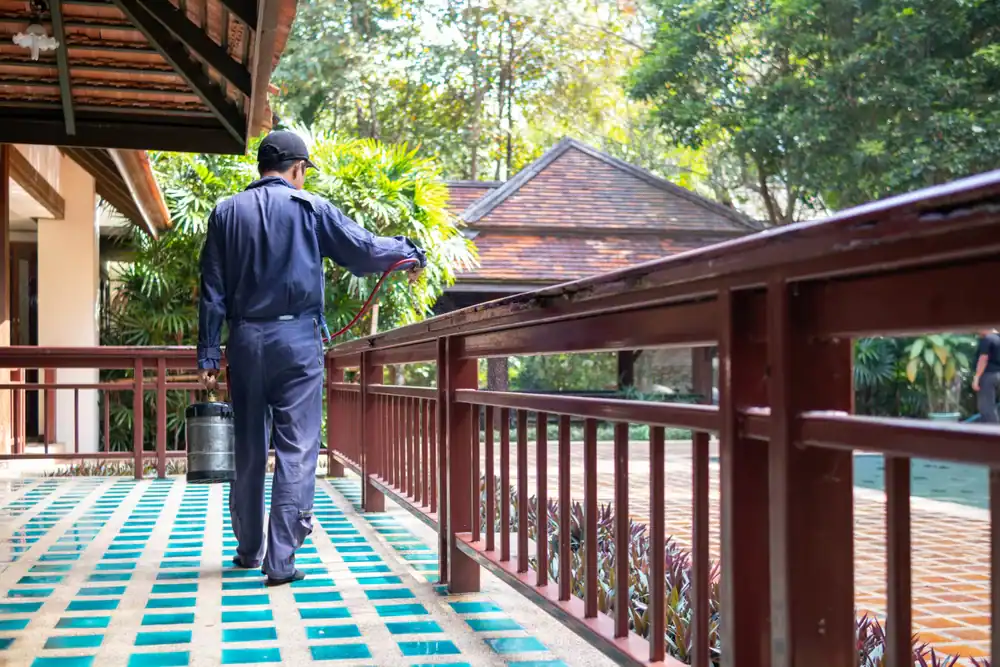
Termite prevention typically costs a few hundred dollars annually, while termite damage repairs average $8,000 to $12,000 per incident in Florida. That’s the real cost comparison you’re looking at.
Most homeowners in Lumberton, FL spend between $400 and $800 for initial termite treatment and $200 to $400 per year for ongoing protection, depending on home size and treatment type. That annual cost is roughly what you’d pay for a single plumbing repair, but it’s protecting you from five-figure structural damage.
Here’s what makes prevention worth it: termites cause over $500 million in damage annually in Florida alone, and your homeowner’s insurance won’t cover any of it. Insurers classify termites as preventable pests, which means you’re paying out of pocket for every repair. A $600 annual protection plan starts looking pretty reasonable when you’re comparing it to replacing floor joists, support beams, or sections of your home’s framing.
Subterranean termites live in the soil and build mud tubes to reach wood sources in your home. Drywood termites live entirely inside the wood they’re eating and don’t need ground contact. Both species are active in Lumberton, FL, and both require different treatment approaches.
Subterranean termites are more common in Hernando County and cause the majority of structural damage. They need moisture, which is why they build those mud tubes from soil to wood. You’ll often find them near foundations, crawl spaces, or anywhere wood touches soil. Treatment involves creating a chemical barrier in the soil around your home’s perimeter.
Drywood termites are less common but harder to detect because they don’t leave mud tubes. They enter through small cracks in exterior wood, attic vents, or roof eaves. You might notice small piles of wood-colored pellets near baseboards or window frames. Treatment usually involves localized applications or fumigation for severe infestations.
Both species work year-round in Florida’s climate, which is why comprehensive termite prevention in Lumberton, FL addresses both threats during initial inspection and treatment.
Most liquid termiticide barriers last three to five years under normal conditions, but Florida’s heavy rainfall, sandy soil, and year-round termite activity can reduce that timeframe. That’s why annual inspections matter more here than in other states.
Professional termite protection in Florida typically includes annual monitoring because environmental factors affect treatment longevity. Heavy rains can dilute soil treatments. Root growth can create gaps in your barrier. New construction or landscaping changes can expose previously protected areas.
During annual inspections, we’re checking for signs of termite activity and verifying that your barrier is still intact. If we find evidence of termites or barrier breakdown, we retreat those areas at no additional cost under most protection plans. That ongoing monitoring is what separates a one-time treatment from actual long-term protection.
The goal isn’t to sell you treatment every year. It’s to catch problems when they’re small, before you’re looking at major repairs. In Lumberton’s high-pressure termite environment, that annual checkup is the difference between a $300 retreat and an $8,000 repair bill.
You can buy termite treatment products at hardware stores, but applying them correctly requires knowing where termites enter, how to create a continuous barrier, and which products work for Florida’s termite species. Most DIY attempts fail because homeowners miss critical entry points or don’t apply enough product to create an effective barrier.
Subterranean termites in Lumberton, FL can enter through cracks as narrow as 1/32nd of an inch. They don’t just come through obvious spots like foundation cracks. They’ll exploit gaps around plumbing penetrations, expansion joints, concrete pours, and anywhere soil meets structure. We use specialized equipment to inject treatment into those hidden zones.
There’s also the licensing issue. Florida requires pest control operators to be state-licensed and certified to apply restricted-use termiticides. The products available to homeowners are generally less effective and shorter-lasting than professional-grade treatments. You might save money upfront, but you’re not getting the same level of protection.
If you’re serious about preventing termite damage, professional treatment is the only approach that comes with accountability. If termites breach a professional barrier during your coverage period, we retreat at no cost. If your DIY treatment fails, you’re paying for both the failed treatment and the resulting damage.
The most common signs are mud tubes on foundation walls, hollow-sounding wood when tapped, discarded termite wings near windows or doors, and small piles of wood-colored pellets near baseboards. But here’s the problem: by the time you notice these signs, termites have usually been feeding for years.
Mud tubes are the easiest indicator for subterranean termites. They’re about the width of a pencil and run from soil to wood along foundation walls, piers, or other vertical surfaces. Break open a tube and you might see worker termites inside, though they’ll quickly retreat if exposed to light.
Drywood termites leave different evidence. You’ll find small piles of six-sided pellets that look like sawdust but are actually termite droppings. These piles usually appear below the wood they’re infesting. You might also notice small holes in wood surfaces where termites have kicked out pellets.
Discarded wings near windows, doors, or light sources indicate a termite swarm, which means a mature colony is nearby and new colonies are forming. Swarms typically happen in spring, but in Lumberton’s climate, they can occur almost any time of year.
The challenge is that termites do most of their damage inside walls, under floors, and in other hidden areas. A professional inspection catches infestations before visible damage appears. That’s why we focus on prevention and early detection rather than waiting for obvious signs.
Most termite protection plans cover retreatment if termites breach your barrier during the coverage period, but they don’t typically cover structural repair costs. That’s an important distinction to understand before you sign up for any plan.
What you’re paying for is ongoing protection and monitoring. If our annual inspection finds termite activity or if you notice signs between visits, we come back and retreat at no additional charge. That retreatment is included in your annual plan cost.
Structural damage coverage is different and usually requires a separate damage warranty, which costs more and comes with specific conditions. Some companies offer repair guarantees up to a certain dollar amount, but those warranties typically require that you’ve had continuous coverage with no gaps and that you’ve followed all inspection schedules.
The reality is that proper termite prevention in Lumberton, FL should stop damage before it happens. If your barrier is maintained and inspected annually, termites shouldn’t be getting through to cause structural damage in the first place. That’s the whole point of prevention.
If you want damage coverage, ask us specifically about repair warranties and read the terms carefully. Most homeowners find that consistent prevention is more valuable than damage coverage because it actually stops the problem rather than just paying for it after the fact.