
Fast, reliable pest control from Hernando County’s most trusted family-owned team—with most quotes given over the phone.
Contact Info
Fast, reliable pest control from Hernando County’s most trusted family-owned team—with most quotes given over the phone.
Contact Info
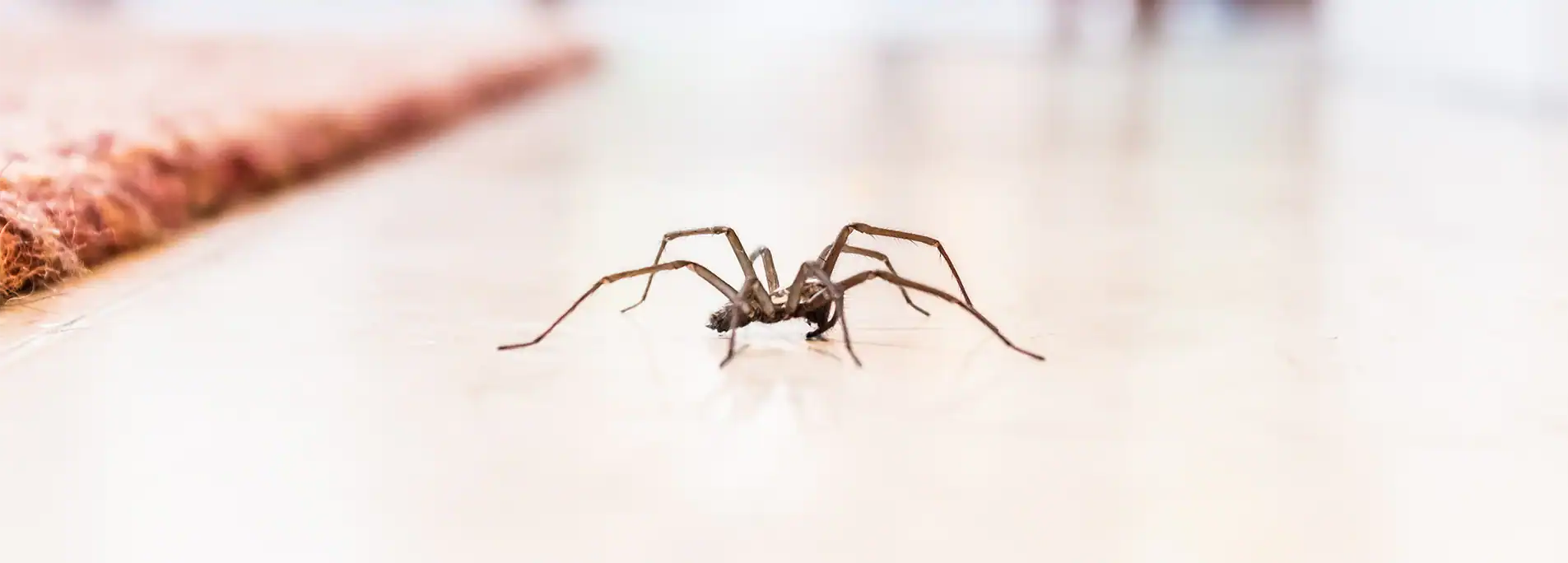
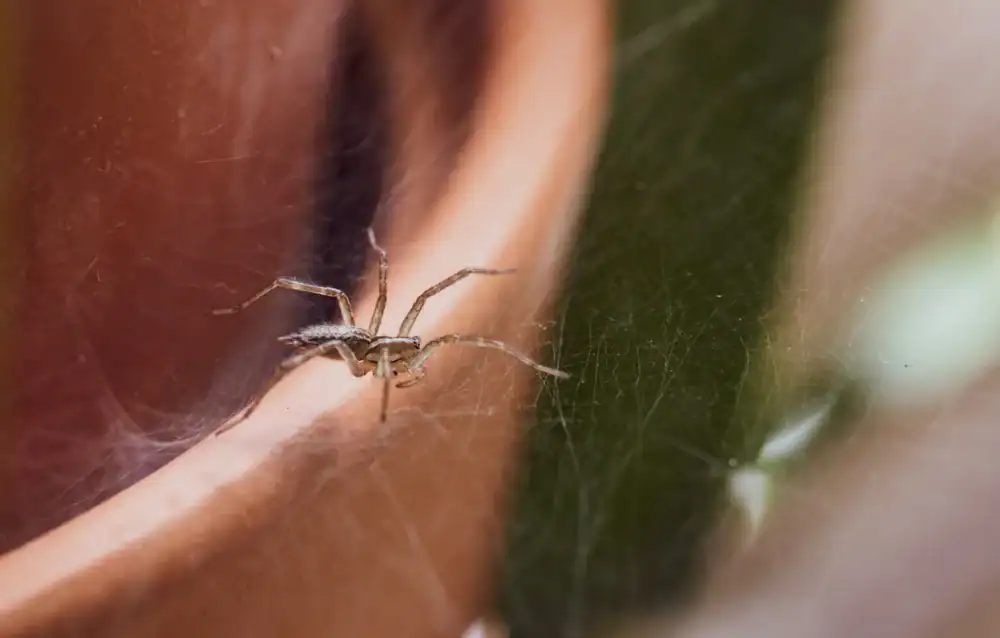
Finding a black widow under your patio chair or a wolf spider sprinting across your living room floor isn’t just unsettling — it’s a sign that something in or around your home is drawing them in. Once that’s addressed properly, you stop reacting and start living in your space without that constant background awareness.
Forest Hills sits within the Holiday area of western Pasco County, close enough to the Gulf and the Anclote River that humidity here runs higher than most inland communities. That moisture feeds the insect populations that spiders follow. Homes on and around Forest Hills Drive — many built in the 1950s, 60s, and 70s — have aging soffits, older block foundations, and weather stripping that’s long past its prime. Those aren’t just maintenance issues. They’re open invitations.
Then there’s the vacancy factor. Roughly one in five properties in this neighborhood sits empty at any given time. Those unoccupied homes don’t get treated, their landscaping grows unchecked, and spider populations build up and spread outward — straight toward your property. A targeted spider barrier treatment in Forest Hills isn’t optional maintenance. For a lot of homeowners here, it’s the only thing standing between your home and what’s building up next door.
Around The Clock Pest Service is a family-owned, owner-operated pest control company licensed by the Florida Department of Agriculture and Consumer Services (FDACS license LF286842). That license covers Pasco County — which means Forest Hills is home territory, not a stretch of the service map.
When you call, you’re talking to the owner. Not a dispatcher, not a call center rep, not whoever happens to be available. The same person who answers your call is the one who shows up, assesses your home, and does the work. For homeowners in Forest Hills — where a lot of residents have been burned by rotating chain-company technicians who don’t know the area — that consistency matters.
Over 109 verified five-star Google reviews back that up. BBB Accredited since 2022. And a straightforward promise: every inquiry gets a personal response within 24 hours, seven days a week, including weekends and holidays.

It starts with a phone call. Most quotes for spider control in Forest Hills are handled over the phone — no in-home sales visit required, no pressure, no inflated estimates after someone walks through your door. You describe what you’re seeing, where you’re seeing it, and the owner gives you a straight answer on what it’s likely going to take and what it’s going to cost.
When treatment day comes, the first step is a thorough inspection of the areas where spiders are most active — eaves, soffits, garage entry points, crawl spaces, and any outdoor structures where webs have accumulated. In older Forest Hills homes, this matters more than people expect. Decades of undisturbed eave space and aging exterior gaps create harborage zones that a quick perimeter spray won’t reach. Spider de-webbing comes before treatment, not after — removing existing webs eliminates the harborage that keeps drawing new spiders back to the same spots.
From there, an outdoor spider barrier is applied around the foundation, windows, doors, and key entry points. Because western Pasco County doesn’t have a real cold season, that barrier needs to be maintained over time — not just applied once and forgotten. We’ll be honest with you about what a one-time treatment can and can’t do, and what a prevention schedule actually looks like for a home in this area.

Ready to get started?
Spider control in Forest Hills covers the full picture — not just the spiders you can currently see. That means spider de-webbing services to clear existing web buildup from eaves, soffits, corners, and entry points. It means an outdoor spider barrier applied around the exterior of your home to stop new spiders from migrating in. And it means a real assessment of where spiders are entering, not a generic treatment that ignores the structural realities of your specific property.
For Forest Hills homeowners dealing with venomous species, that assessment includes identifying black widow and brown widow activity — both of which are active in Pasco County year-round. These aren’t rare finds in this neighborhood. Widow spiders are commonly discovered in garages, under outdoor furniture, around pool equipment, and in the kind of low-traffic exterior spaces that older homes tend to have more of. Wolf spider extermination is also a frequent need here, particularly during and after heavy rain events when ground-dwelling spiders get pushed out of saturated soil and move toward structures.
If you’ve recently purchased an older Forest Hills home, we offer special pricing for new homeowners — and the owner will give you an honest phone assessment of what your property likely needs before anyone shows up. No upsell theater, no worst-case framing. Just a clear picture of what you’re dealing with and what it takes to fix it.
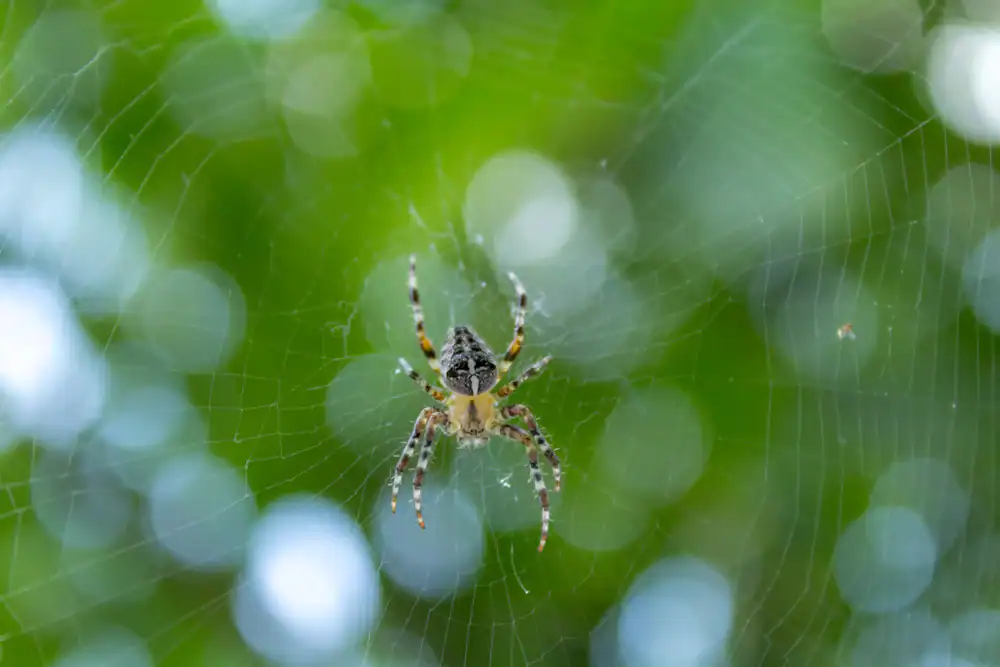
The species you’re most likely to encounter in Forest Hills fall into a few clear categories. Black widows and brown widows are both active in Pasco County and are regularly found in garages, under patio furniture, around pool equipment, and in low-traffic exterior spaces — exactly the kind of areas that older homes in this neighborhood tend to have more of. Wolf spiders are another frequent find, especially inside the home. They don’t build webs — they hunt actively, which means if one is inside your house, it followed an insect population that’s already there.
Orb weavers and daddy long legs are common on the exterior, particularly around eaves and porch lighting where insects gather at night. These species aren’t venomous threats, but heavy web accumulation on older soffits and fascia boards becomes a harborage problem that keeps attracting more spiders season after season. Knowing which species you’re dealing with matters — it changes where you look, what treatment approach makes sense, and how urgently you need to act.
Brown widows are venomous, and their venom is considered more potent than a black widow’s on a per-bite basis — but they’re generally less aggressive and less likely to bite unless directly handled or threatened. That said, “less aggressive” isn’t the same as harmless, and finding one in a garage or under outdoor furniture near children or pets is a legitimate concern that warrants professional attention.
What makes brown widows particularly relevant in Forest Hills is how well they thrive in the older exterior structures common to this neighborhood. They favor sheltered, undisturbed spots — the underside of patio chairs, inside rolled-up hoses, around outdoor storage, and in the gaps of aging wood or block construction. Their egg sacs are distinctive (spiky, almost spherical) and easy to identify once you know what you’re looking for. If you’re seeing those egg sacs, you’re not dealing with one spider — you’re dealing with an established presence that needs to be addressed properly.
Consumer-grade spider sprays work on contact — meaning they only affect the spiders you can see and reach at the moment of application. They don’t create a lasting barrier, they don’t address the entry points spiders are using, and they don’t eliminate the web harborage that keeps drawing new spiders back to the same locations. You spray, the visible spiders die or scatter, and within a few weeks the same spots are populated again.
In Forest Hills specifically, the issue is often structural. Homes built in the 1960s and 70s have developed gaps at the roofline, around the foundation, and at window and door frames that weren’t there originally. Spiders aren’t coming in through one obvious hole — they’re using a dozen small pathways that a can of store-bought spray will never address. A professional treatment starts with identifying those pathways, removing existing web harborage so spiders aren’t drawn back to the same spots, and then applying a residual barrier that actually holds. That’s a fundamentally different approach than what you get from a shelf product.
One treatment will make a significant difference — you’ll see a clear reduction in spider activity after a professional service. But whether it’s enough long-term depends on your property and your neighborhood. Forest Hills sits in western Pasco County’s Gulf Coast corridor, where there’s no real winter to suppress pest populations. Spiders, their prey, and their egg sacs remain active in every month of the year. A single treatment doesn’t account for the continuous pressure of new spiders migrating in from surrounding vegetation, neighboring vacant properties, or the mature landscaping that’s typical of this older neighborhood.
For most Forest Hills homeowners, quarterly prevention is the approach that actually holds results over time. It’s not a sales pitch — it’s the honest answer for a 12-month subtropical pest environment where the conditions that create spider pressure never fully go away. The owner will tell you upfront what your specific situation warrants, and won’t push a recurring plan if a one-time treatment genuinely fits your needs.
A standard spider treatment applies a residual insecticide to key surfaces and entry points to kill spiders on contact and deter new ones from crossing treated areas. That’s an important part of the process — but it’s not the whole picture. Spider de-webbing is the physical removal of existing webs from eaves, soffits, corners, door frames, outdoor structures, and other harborage areas. It’s done before treatment, not after, and it matters more than most people realize.
Here’s why: an old web — even one that looks abandoned — is still a harborage signal. It tells the next generation of spiders that this spot has worked before, and it provides a ready-made anchor point for new web construction. On older Forest Hills homes with decades of undisturbed eave space, web accumulation can be substantial. Removing it eliminates the physical harborage that keeps drawing spiders back to the same locations on your home year after year. De-webbing and treatment together produce lasting results. De-webbing alone doesn’t treat the problem. Treatment alone doesn’t remove what’s already there.
Yes — we offer special pricing for new homeowners and military families. In Forest Hills, the new homeowner discount is particularly relevant. A lot of the homes in this neighborhood were built in the 1950s, 60s, and 70s and have changed hands multiple times. When you buy an older property that hasn’t had professional pest control in years — or ever — you’re often inheriting accumulated web buildup, established spider populations in crawl spaces or attic voids, and structural entry points that have never been assessed. That’s a different starting point than a newer home, and the pricing reflects that reality.
If you’re a veteran or active-duty military family in the Holiday area, the military discount applies to you as well. Both discounts are straightforward — no hoops, no fine print. Call the owner directly, mention your situation, and you’ll get a clear number over the phone before anyone comes out. That’s how we handle pricing across the board: honest, upfront, and without the in-home sales visit that other companies use to inflate estimates.
Other Services we provide in Forest Hills