
Fast, reliable pest control from Hernando County’s most trusted family-owned team—with most quotes given over the phone.
Contact Info
Fast, reliable pest control from Hernando County’s most trusted family-owned team—with most quotes given over the phone.
Contact Info
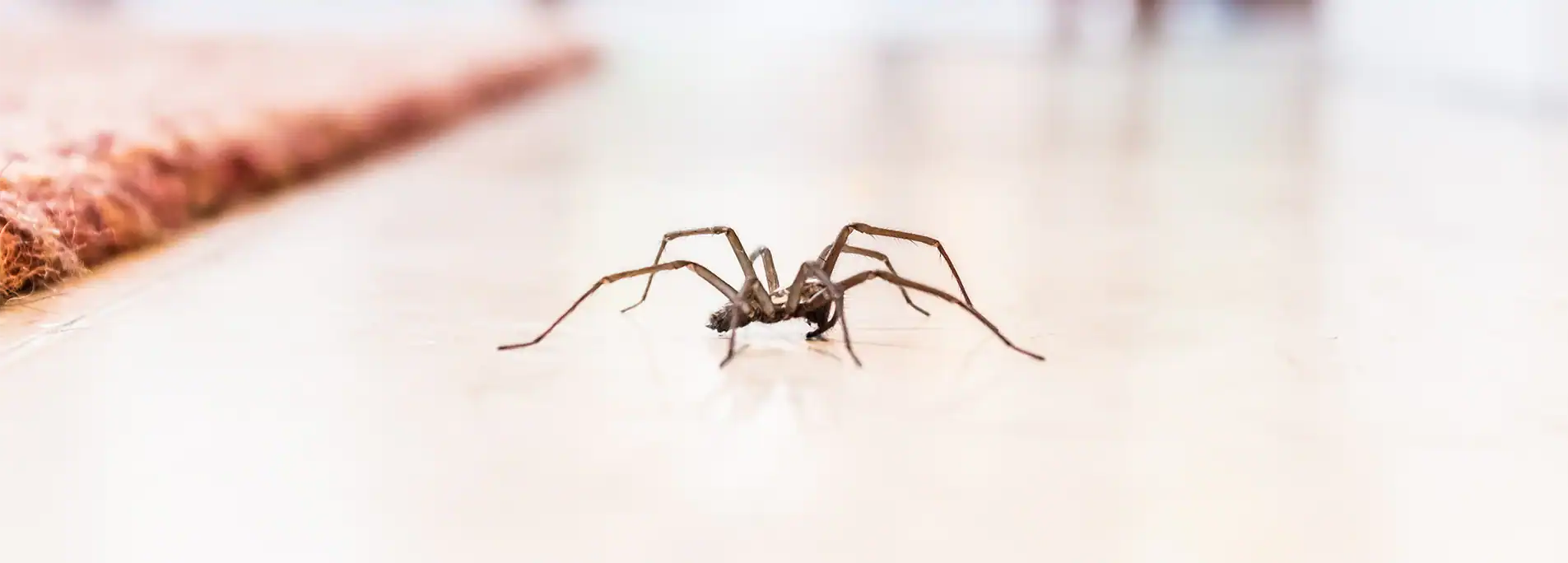
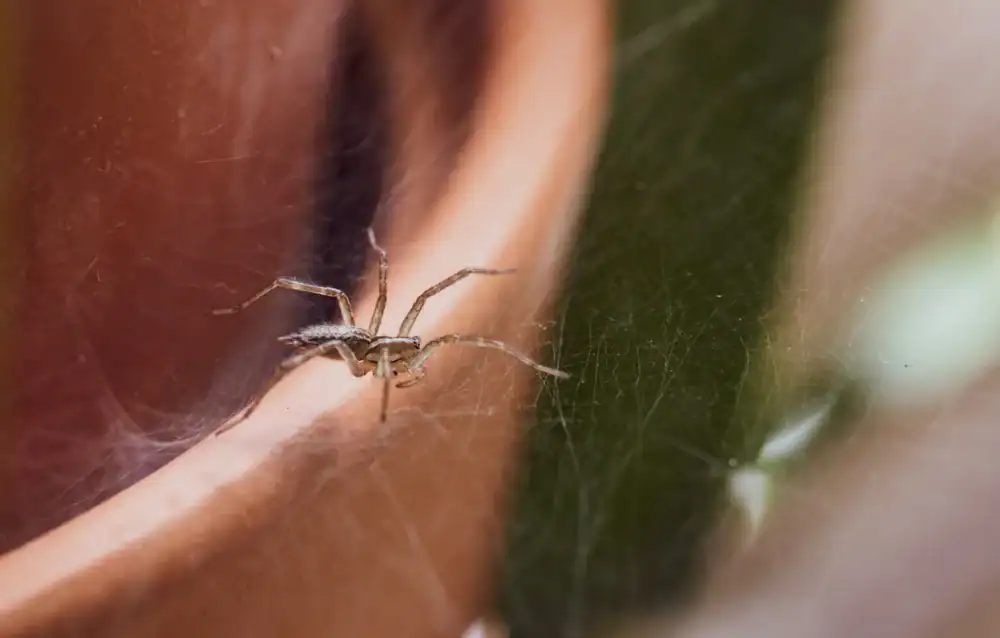
Living on or near the Weeki Wachee River is the whole point. The dock, the canal views, the evenings outside — that’s what you’re here for. What you’re not here for is ducking through webs every time you walk to your boat lift, or finding a widow spider tucked into a seawall crevice where your kid just reached.
Waterfront properties in Weeki Wachee Gardens carry a specific spider burden that most inland homes don’t. The river and surrounding canals generate constant insect activity — mosquitoes, gnats, midges — and spiders follow that food source directly onto your dock railings, boat canopies, eave overhangs, and outdoor storage areas. The Weeki Wachee Swamp to the east and the 12,000-acre Weekiwachee Preserve nearby act as permanent wildlife corridors, meaning spiders aren’t just visiting — they’re migrating in from undisturbed natural land that borders your neighborhood.
Once the problem is handled properly, the difference is immediate. Webs gone. Outdoor spaces usable again. And because a professional-grade outdoor barrier is applied to the areas that actually matter for your property — not just the front door — you’re not back to square one in two weeks. For homes still recovering from the flooding Hurricane Helene brought to the Weeki Wachee River corridor in September 2024, that kind of lasting control matters even more. Displaced spider populations from storm-disturbed ground don’t just disappear — they find your structure instead.
Around The Clock Pest Service is a family-owned, owner-operated pest control company serving Weeki Wachee Gardens and Hernando County. When you call about spider control, you’re not routed to a dispatcher or handed off to a rotating technician. You reach the licensed owner directly — the same person who will show up, assess your property, and handle the treatment.
That matters in a community like Weeki Wachee Gardens, where properties along Shoal Line Boulevard and the river canals have specific conditions that a generic service call won’t account for. We know this area. We’re familiar with the waterfront property layouts, the proximity to the Weeki Wachee Swamp, and the kind of spider pressure that comes with living steps from the Nature Coast.
We hold an active FDACS pest control license, maintain BBB Accreditation since October 2022, and carry a 5.0 rating across more than 109 verified Google reviews. Quotes are given over the phone — no pressure, no in-home sales pitch required. We respond within 24 hours, including weekends. That’s not a policy. That’s just how we work.

It starts with a phone call — and you’ll get a real answer, not a voicemail. Most quotes for spider control in Weeki Wachee Gardens are handled right there on the call, so you know what to expect before anyone sets foot on your property.
When the visit happens, the first thing we assess is where your spider pressure is actually coming from. For waterfront properties in Weeki Wachee Gardens, that usually means dock structures, boat lift canopies, covered slips, eave overhangs, seawall access points, and any outdoor storage adjacent to the canal or river. These are the harborage zones that keep getting skipped when someone does a basic perimeter spray — and skipping them is exactly why the webs keep coming back.
From there, we perform spider de-webbing services on the affected structural areas, physically removing webs and egg sacs from the locations that matter most. Then we apply an outdoor spider barrier around the foundation, entry points, eaves, and outdoor structures — using EPA-registered, professional-grade products formulated for Florida’s humidity and heat. Because Weeki Wachee Gardens sits in USDA Hardiness Zone 9b with no real cold season to suppress pest activity, a one-time treatment isn’t a long-term solution. We recommend quarterly prevention to keep the pressure managed year-round, especially with the preserve land and wetlands constantly reintroducing spiders from the outside in.

Ready to get started?
Spider control in Weeki Wachee Gardens covers the full range of common Florida spiders — and part of what you’re getting is accurate identification, which matters more than most people realize. The southern black widow and brown widow are both present in Hernando County. Brown widows in particular tend to nest in protected outdoor areas: dock structures, overturned containers, outdoor furniture, and seawall crevices are all typical spots. Wolf spiders are large, fast, and alarming when they turn up inside — but they’re not venomous in a medically serious way, and knowing that changes how the treatment is approached.
One thing worth clearing up: the brown recluse is not an established species in Florida. Most brown recluse concerns in Weeki Wachee Gardens turn out to be a misidentified native species. Getting that identification right means you’re not treating for the wrong thing — and that’s exactly the kind of clarity you get when you’re working with someone licensed and experienced in this specific region.
Our services include venomous spider removal, spider de-webbing from eaves and outdoor structures, black widow prevention treatments, wolf spider extermination, and outdoor spider barrier applications. For waterfront properties with dock access and canal-side structures, we adapt treatment to account for proximity to the Weeki Wachee River — products are applied responsibly and in compliance with Florida environmental regulations that govern treatment near protected waterways. We offer special discounts for new homeowners still learning what Florida pest pressure looks like, and for military families — a meaningful offer in a community with a notably strong veteran presence.
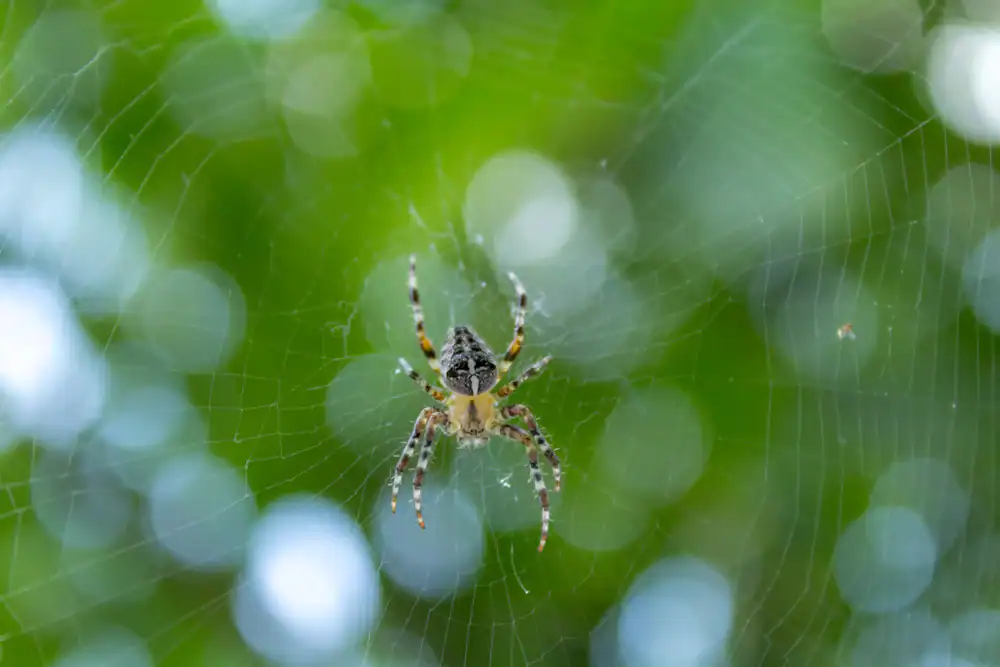
The two species that warrant real attention in Weeki Wachee Gardens are the southern black widow and the brown widow. Both are present in Hernando County, and both carry venom that can cause serious symptoms — particularly for children, elderly residents, or anyone with a compromised immune system. The southern black widow is glossy black with the recognizable red hourglass marking. The brown widow is lighter in color, often tan or brown, with an orange hourglass and a distinctively spiky egg sac. Brown widows tend to nest in sheltered outdoor areas — exactly the kind of spots that waterfront properties in Weeki Wachee Gardens have in abundance, like dock railings, boat lift frames, and seawall gaps.
The brown recluse, despite being the species most homeowners in Florida fear, is not native here and doesn’t maintain established populations in Weeki Wachee Gardens or anywhere else in the state. If you’ve found a brown spider you can’t identify, a professional inspection will tell you what it actually is — and that clarity is worth more than a generic treatment for the wrong species.
It comes down to food supply. The Weeki Wachee River and its connected canals generate significant insect activity — mosquitoes, gnats, midges, and other small flying insects thrive in and around moving water. Spiders are predators, and they build their webs where the prey is. Your dock railings, boat canopy frames, covered slip overhangs, and eave edges adjacent to the water are prime web-building locations because the insects are right there, flying in from the river every evening.
Knocking the webs down yourself helps temporarily, but it doesn’t remove the reason the spiders are there. Our spider de-webbing services physically remove webs and egg sacs from these structures, and when paired with an outdoor spider barrier treatment, the results hold significantly longer than anything you can do with a broom. For waterfront properties in Weeki Wachee Gardens specifically, the treatment has to account for the dock and canal-side structures — not just the front door perimeter.
Yes — when applied by a licensed professional who understands the regulations that apply near protected Florida waterways. The Weeki Wachee River is a spring-fed, ecologically sensitive waterway, and Florida has specific environmental guidelines that govern pesticide application in proximity to water bodies like this one. We hold an active FDACS pest control license and apply EPA-registered products in a manner that complies with those guidelines.
This is one of the more important reasons to hire a licensed operator rather than reaching for a retail product and applying it yourself near the canal or riverbank. Consumer-grade products applied without knowledge of waterway buffer requirements can create environmental liability — and they’re typically far less effective than professional-grade barrier treatments anyway. If your property borders the river or a connected canal, that detail is noted during the assessment and the treatment plan is adapted accordingly.
For many homeowners along the Weeki Wachee River corridor, yes. When Hurricane Helene hit in September 2024 and the river flooded — some properties took on close to six feet of water — it displaced spider populations from their natural ground-level harborage areas in the surrounding wetlands and vegetation. Spiders that would normally live in the Weeki Wachee Swamp or the preserve land adjacent to the community got pushed out of their habitat and moved toward elevated, dry structures: your attic, your garage, your eaves, your outdoor storage areas.
Homes that are still in the repair and restoration process face an additional layer of exposure. Open wall cavities, stored building materials, and disturbed soil around the foundation all create ideal spider harborage conditions. If your home was affected by Helene and you’ve noticed more spider activity since the storm, that’s not a coincidence — it’s a predictable consequence of the flooding. Targeted post-storm spider control addresses those displaced populations and the conditions that are keeping them around.
For most properties in Weeki Wachee Gardens, quarterly treatment is the honest answer. Florida doesn’t have a real winter season to suppress spider populations the way northern states do. Weeki Wachee Gardens sits in USDA Hardiness Zone 9b, which means temperatures rarely drop low enough to cause meaningful pest die-off. Spiders are active here in every month of the year — and with the Weekiwachee Preserve and the Weeki Wachee Swamp bordering the community, there’s a continuous source of spiders migrating in from undeveloped natural land.
A single treatment will knock down the current population, but without a maintained outdoor barrier, recolonization happens faster than most homeowners expect — especially on waterfront properties where insect activity near the river keeps spider populations well-fed and motivated to stay. Quarterly visits keep the barrier active, address any new activity before it becomes a visible problem, and are significantly more cost-effective than reactive treatments after a full infestation has taken hold.
Yes, and both apply directly to this community. Weeki Wachee Gardens has a notably strong veteran population — particularly Vietnam-era veterans who have lived here for decades. We offer a military discount to active-duty military and veteran households without conditions or fine print.
The new homeowner discount applies to residents who have recently purchased a home in Weeki Wachee Gardens and are navigating Florida’s pest environment for the first time. Waterfront properties along the river and canals come with a learning curve — the spider pressure, the insect activity, the proximity to the swamp and preserve land — and getting a professional assessment early means you’re not spending months trying products that don’t address the root issue. Both discounts are available when you call, and the pricing is given clearly over the phone before any commitment is made.
Other Services we provide in Weeki Wachee Gardens