
Fast, reliable pest control from Hernando County’s most trusted family-owned team—with most quotes given over the phone.
Contact Info
Fast, reliable pest control from Hernando County’s most trusted family-owned team—with most quotes given over the phone.
Contact Info
The moment you stop seeing roaches isn’t just relief — it’s your home feeling like yours again. No more flipping on the kitchen light and bracing yourself. No more wondering what’s behind the refrigerator or under the sink. That’s the actual goal here, and it’s completely achievable with the right treatment.
Here’s the thing about living off CR 572 in Powell: the wooded land, the moisture from the Spring Lake area, and the older housing stock along the corridor create year-round pressure from both German cockroaches and Palmetto bugs. German roaches build colonies inside your appliances and wall voids. Palmetto bugs push in from outside when rain displaces them or dry season drives them toward moisture. These are two different problems that need two different approaches — and treating them the same way is exactly why most DIY attempts fail.
Once the right treatment is in place, you’ll notice the difference fast. Cockroach activity drops significantly within the first few days. A follow-up schedule keeps reinfestation pressure from the surrounding environment from undoing that progress. For Powell homes — especially those near wooded areas or on larger lots — that ongoing protection isn’t optional, it’s what makes the results last.
Around The Clock Pest Service is a family-owned operation based in Spring Hill, just a straight shot west down Powell Road from where you’re sitting right now. George — our licensed owner — has been treating homes across Hernando County for over 14 years, including the rural stretches along the CR 572 corridor in Powell, the Sterling Hill community, and the properties closer to Spring Lake where pest pressure from outdoor sources is real and consistent.
When you call, George picks up. He gives you a quote over the phone for most jobs — no waiting for a van to show up before you find out what it costs. He holds four active FDACS licenses under Florida Chapter 482, carries a BBB A+ rating, and has over 100 five-star Google reviews from Hernando County families who can tell you exactly what happened after he showed up. That track record isn’t a marketing line. It’s just what 14 years of doing the job right looks like.

It starts with a phone call. George talks through what you’re seeing — where the roaches are showing up, how long it’s been happening, what you’ve already tried. Most quotes are given right there on the call, so you know what you’re looking at before anyone drives out to Powell Road.
When George arrives, the first thing he does is identify the species. This matters more than most people realize. German cockroaches — the small, fast ones taking up residence in your kitchen — require professional gel baiting systems placed inside appliance voids, under sink cabinets, and along wall junctions. Insect growth regulators are used alongside the bait to stop nymphs from reaching reproductive maturity, which is what breaks the cycle. Palmetto bugs require a different approach: perimeter treatment and sealing the entry points they’re using to get inside, whether that’s a gap around a plumbing penetration, a worn door seal, or a foundation crack. In Powell’s rural environment — especially on properties near wooded land or agricultural parcels — those entry points matter.
After treatment, George walks you through what to expect over the next several days and what a follow-up schedule looks like. For most Powell homes, quarterly prevention is what keeps the results holding, given the ongoing environmental pressure from the surrounding area.

Ready to get started?
Every roach control service starts with a proper species identification — because the treatment for a German cockroach infestation in a Powell kitchen is not the same as the treatment for Palmetto bugs pushing in from the wooded edge of your property. Getting that wrong is expensive and frustrating, and it’s the most common reason people end up calling a professional after months of failed DIY attempts.
For German roach infestations, the treatment involves professional-grade gel bait applied in targeted crack-and-crevice locations — inside appliances, behind outlet plates, under sinks, along cabinet bases — combined with insect growth regulators that prevent surviving nymphs from reproducing. This is not a broadcast spray. It’s a precision placement system designed to eliminate the colony from the inside out, not scatter it deeper into your walls. For Palmetto bug problems, treatment shifts to exterior perimeter application and entry-point identification, with attention to the specific features of Powell-area homes — older construction gaps, mobile home floor penetrations, and the transition zones where wooded or agricultural land meets residential property.
We also offer quarterly prevention programs for Powell homeowners who want to stay ahead of reinfestation rather than react to it. If you’re a new homeowner along the CR 572 corridor or a military family in the area, ask George about the discounts available to you when you call.

The most common reason is that the products available at hardware stores use repellent chemistry — they push roaches away from the treated surface but don’t eliminate the colony. German cockroaches in particular will retreat deeper into wall voids, appliance motors, and cabinet interiors when they detect a repellent. The colony survives, continues reproducing, and resurfaces within days or weeks. You end up in a cycle of temporary suppression without ever actually solving the problem.
In Powell specifically, there’s also the environmental factor. The wooded surroundings along the eastern portion of Powell Road, the moisture from the Spring Lake area, and the mix of older and newer homes along CR 572 create persistent reinfestation pressure from outside sources. Even if you eliminate what’s inside, Palmetto bugs from the surrounding landscape will continue looking for entry points. Professional treatment addresses both the active infestation and the conditions allowing it to continue — which is why results from a licensed technician hold in a way that consumer products simply don’t.
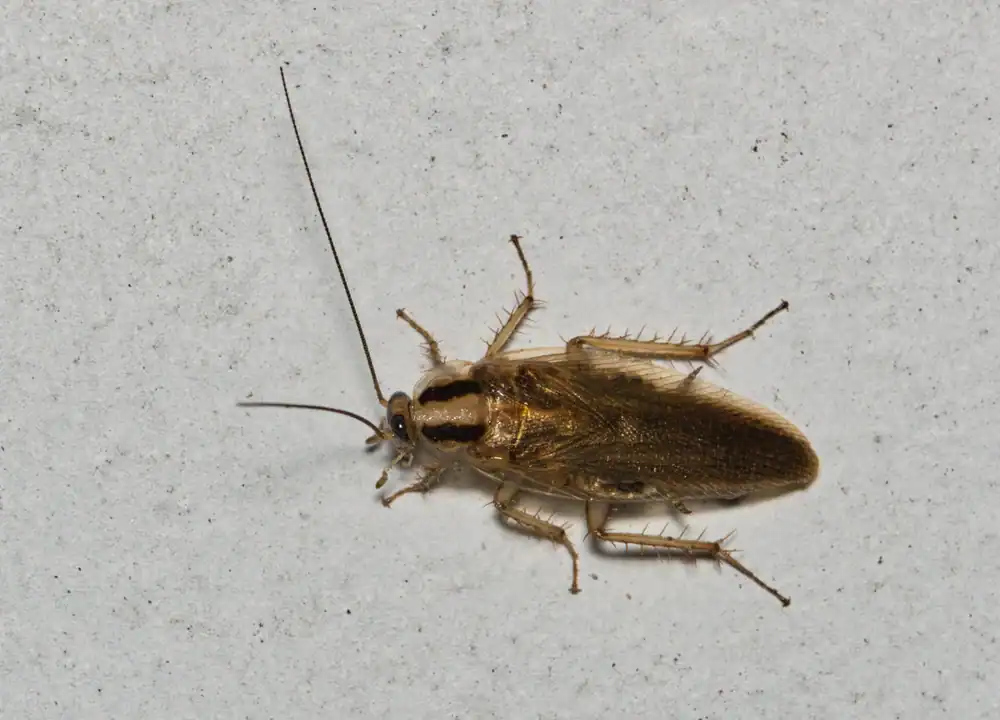
German cockroaches are small — about half an inch — tan to light brown, and almost always found indoors. They reproduce fast, with a single female capable of producing hundreds of offspring in her lifetime. They’re colony insects that establish harborage inside your home: inside the motor housing of your refrigerator, behind your dishwasher, under your kitchen sink, inside wall voids near plumbing. If you’re seeing small roaches in your kitchen, especially during the day, that’s almost certainly a German roach infestation.
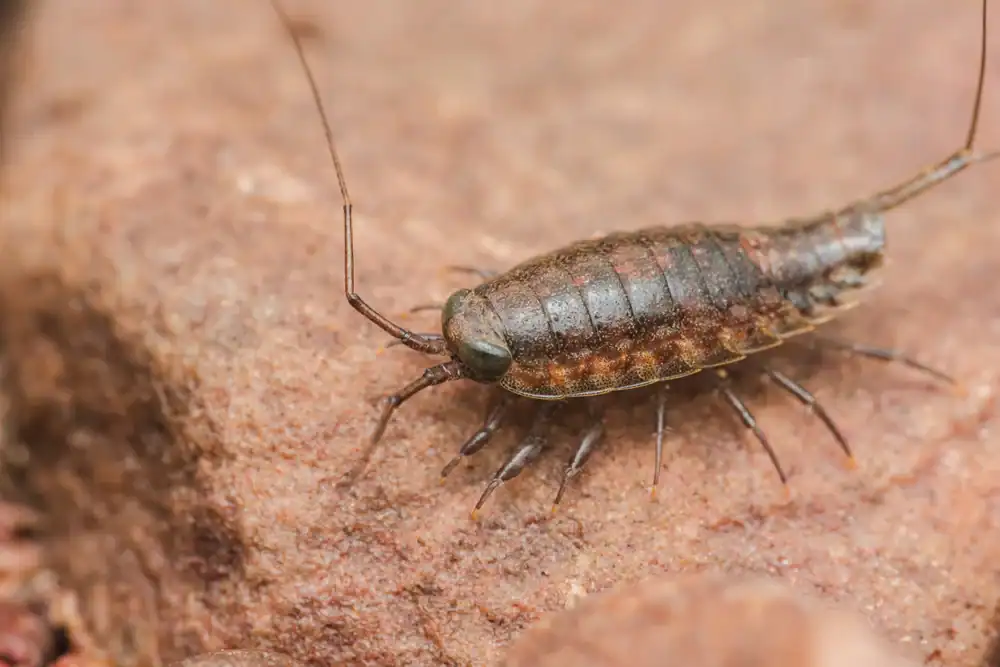
Palmetto bugs are American cockroaches — large, reddish-brown, and primarily outdoor insects that enter homes opportunistically. In Powell’s rural environment, they’re common in the wooded areas along the CR 572 corridor and push indoors during heavy rain (when they’re displaced from the ground) or during the dry season (when they’re seeking moisture). They’re startling but they’re not colony insects the way German roaches are. The treatment approach is completely different: German roaches need baiting systems and IGRs, Palmetto bugs need perimeter treatment and exclusion work. Knowing which one you’re dealing with is the first step to actually getting rid of them.
For German cockroach infestations, you’ll typically see a significant reduction in activity within 24 to 72 hours of treatment. The gel bait starts working quickly — roaches feed on it, return to the colony, and the effect spreads through the population. Insect growth regulators work on a longer timeline, preventing nymphs from maturing and reproducing, which is what stops the next generation from rebuilding the colony. Full elimination of an established infestation usually takes one to two weeks, depending on how large the colony was and how many harborage sites were involved.
For Palmetto bug problems, the timeline depends more on exclusion than chemistry. Perimeter treatment creates a barrier, but if entry points aren’t sealed, new individuals from outside will continue to find their way in. In Powell homes — particularly those on larger lots near wooded land or with older construction features — that exclusion work is part of what makes the treatment last. George will walk you through what was treated, what was sealed, and what to watch for during the follow-up window so you know exactly where things stand.
The gel baiting systems we use for German cockroach elimination are applied in targeted crack-and-crevice locations — inside appliance voids, under cabinet bases, along wall junctions — not broadcast across open surfaces. This means the product is placed where roaches travel and harborage, not in areas where children, pets, or outdoor animals would come into contact with it. The active ingredients in professional-grade bait formulations are used at concentrations that are highly attractive to cockroaches but pose minimal risk when applied correctly by a licensed technician.
For Powell homeowners with outdoor animals — dogs, chickens, or other livestock near the home — George will discuss the specific products being used, where they’ll be placed, and any precautions relevant to your property before treatment begins. Exterior perimeter treatments are applied to foundation zones and entry points, and George will tell you how long to keep animals away from treated areas before it’s safe. Transparency about what’s being used and why is standard practice, not something you have to push for.
Florida doesn’t have a true cold season, and that’s the core issue. In northern states, winter temperatures drop low enough to interrupt the cockroach reproductive cycle — populations decline naturally, and infestations that weren’t addressed in summer often become manageable by January. That doesn’t happen in Hernando County. Powell’s subtropical climate keeps temperatures warm enough year-round for German cockroaches to continue breeding without interruption, which means an untreated infestation in October is just as active in February as it was in July.
Seasonal patterns do shift the type of pressure you’re dealing with. During the wet season — roughly June through September — heavy rainfall displaces outdoor Palmetto bug populations, and you’ll see more of them pushing inside. During the dry season, they seek moisture and warmth indoors. German roach activity is consistent year-round but tends to intensify during the holidays when kitchen activity increases and more food is being prepared and stored. A quarterly prevention program is the most cost-effective way to stay ahead of both patterns rather than reacting to each new wave.
Yes — we offer special pricing for new homeowners and for military families. The Powell Road corridor has seen active residential development, with new homes going up along CR 572 and families moving into communities like Sterling Hill. If you’ve recently bought a home in Powell and you’re dealing with a roach problem in a house you just moved into — whether it’s a German roach infestation left behind by the previous occupant or Palmetto bugs finding their way in through gaps in older construction — new homeowner pricing applies to your first service.
Hernando County also has a meaningful veteran and military community, and we recognize that with a straightforward discount for active-duty and veteran military families. There’s no complicated process to access either of these — just mention it when you call. George handles every call personally, so you’re not navigating a phone tree or submitting a form to find out if you qualify. It’s a direct conversation, a real price, and a clear answer.