
Fast, reliable pest control from Hernando County’s most trusted family-owned team—with most quotes given over the phone.
Contact Info
Fast, reliable pest control from Hernando County’s most trusted family-owned team—with most quotes given over the phone.
Contact Info
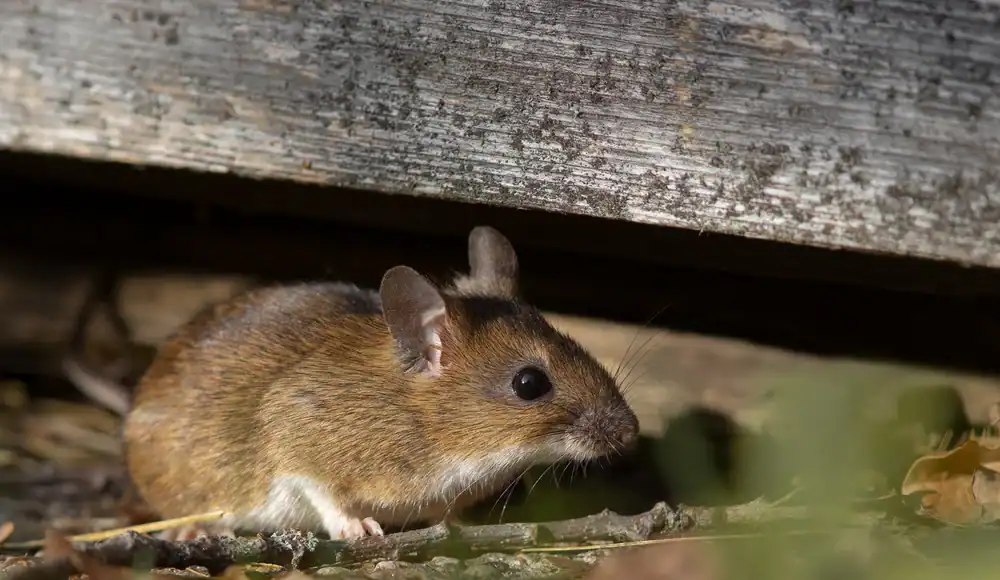
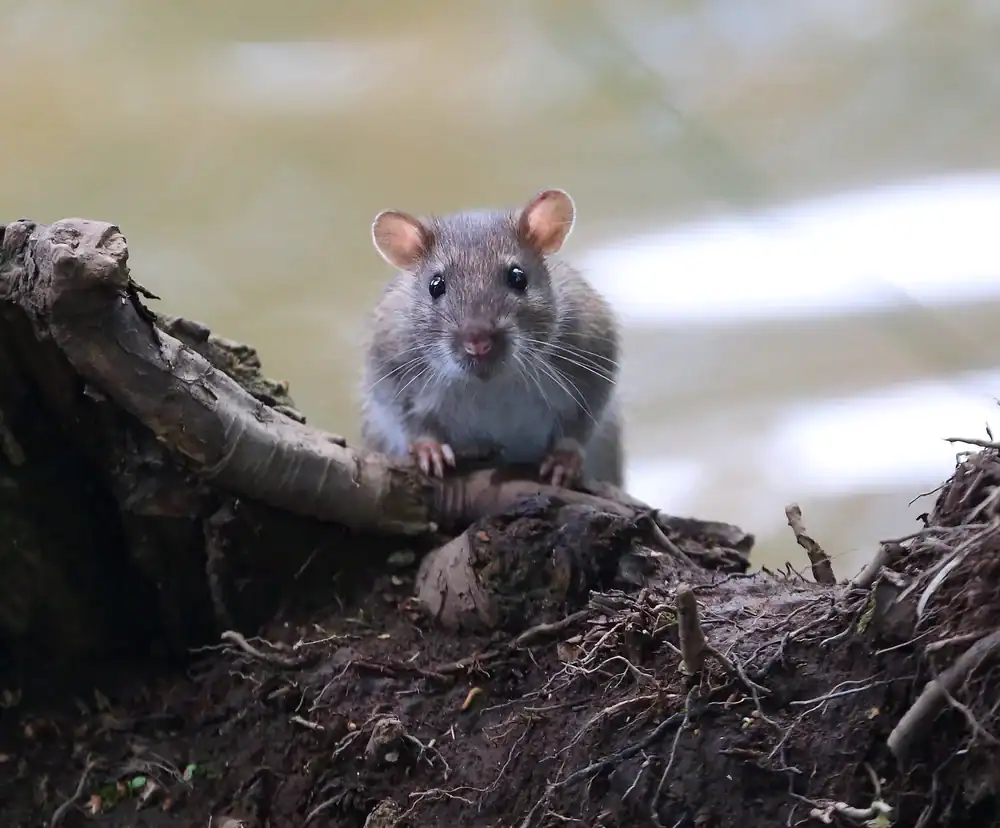
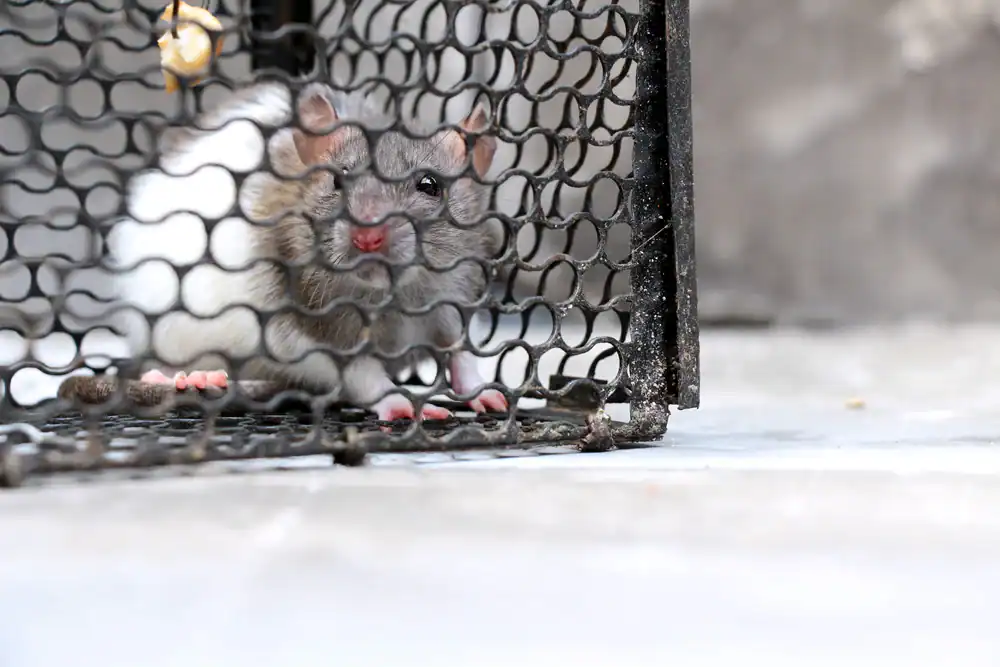
The first thing most Crystal Springs homeowners notice is the sound — something moving in the ceiling after dark. By the time it’s loud enough to keep you up, you’re usually not dealing with one or two rodents. Roof rats breed fast, and Florida’s warm climate means there’s no slow season. A small fall infestation left alone becomes a full attic colony by spring.
What makes Crystal Springs different from a typical suburban pest problem is the source. The Crystal Springs Preserve — all 530 acres of it — sits directly adjacent to residential properties along Crystal Springs Road and SR-39. That woodland, those wetlands, that river corridor: it’s prime roof rat habitat. Those animals travel through tree canopy, land on rooflines, and squeeze through a gap half the size of a quarter. Your attic is warm, dry, and quiet. From their perspective, it’s ideal.
Here’s what changes after we handle your rodent control: the noise stops, the entry points are identified and documented, and the scent trails that would lead new rodents back in are eliminated. If you have pets or livestock — which most Crystal Springs residents do — you also get the peace of mind that comes with trap-based removal, no poison, no risk of a dog or cat getting into a bait station, and no dead animal rotting inside a wall for three weeks.
We’re a family-owned business serving Hernando and Pasco County, and Crystal Springs is firmly in that territory. When you call, the owner picks up — not a call center, not a scheduler, not a technician who’s never seen your property. The owner. That means the person answering your question at 9 PM on a Saturday is the same person who knows what manufactured home skirting looks like from the outside and what a roof rat runway looks like in an attic.
That matters more in Crystal Springs than it does in most places. With more than 65% of local homes being manufactured or mobile homes, the rodent entry points here are different than in a site-built subdivision. Crawl space vulnerabilities, skirting gaps, utility penetrations — these are the spots that get missed when a company sends out a rotating crew that’s never worked this area. Over 100 five-star Google reviews from Pasco and Hernando County residents back up what we deliver: honest work, fast response, and no runaround.
It starts with a phone call — and most of the time, you’ll get a price range right there without needing to schedule a consultation first. The owner asks the right questions, gets a clear picture of what you’re dealing with, and sets up a time that works for you. No waiting three days just to find out what something costs.
When we inspect your property, it covers the full structure. In Crystal Springs, that means checking not just the attic — which is where most companies stop — but also the crawl space beneath the home, the skirting perimeter, every utility penetration, roof vents, soffits, and any overhanging tree branches that give roof rats a direct runway to your roofline. The preserve’s dense woodland creates constant arboreal pressure on properties in this area, so the inspection accounts for that specific dynamic, not just a generic checklist.
From there, we place professional-grade mechanical traps in the zones where rodent activity is confirmed. No rodenticide. No bait stations that put your pets or the preserve’s wildlife at risk. Once the population is eliminated, contaminated areas are sanitized to remove the scent trails that would otherwise guide new rodents right back in. Every entry point found during the inspection is documented so you know exactly what needs to be sealed. Most infestations in this area are fully resolved within one to three service visits when inspection, trapping, and sanitation are done together.
Ready to get started?
Rodent control in Crystal Springs isn’t a one-size-fits-all service, and the housing stock here makes that clear. Manufactured homes — which make up the majority of homes in this community — have crawl spaces, skirting, and utility connections that create entry points you won’t find in a standard site-built house. Our service accounts for all of it: full attic inspection, crawl space assessment, skirting perimeter check, and documentation of every gap, crack, or opening large enough for a mouse or rat to use.
Trap placement is strategic, not scattered. Traps go where the evidence is — runways, droppings, gnaw marks, grease trails along joists or rafters. After elimination, attic rodent decontamination addresses the contaminated insulation, urine, and nesting material left behind. In Florida’s summer heat, an untreated attic will push those odors directly through your HVAC system into the living space. Getting that cleaned out isn’t optional if you want the problem actually resolved.
All work is performed under an active Florida Department of Agriculture and Consumer Services (FDACS) structural pest control license, valid through 2027. Crystal Springs is an unincorporated Pasco County community — there’s no local municipal pest control oversight, which means the state license is the credential that matters. New homeowners in Crystal Springs also qualify for a discount, which is worth asking about on that first call. Given how much the community has grown in the last few years, a lot of current residents are encountering these conditions for the first time.
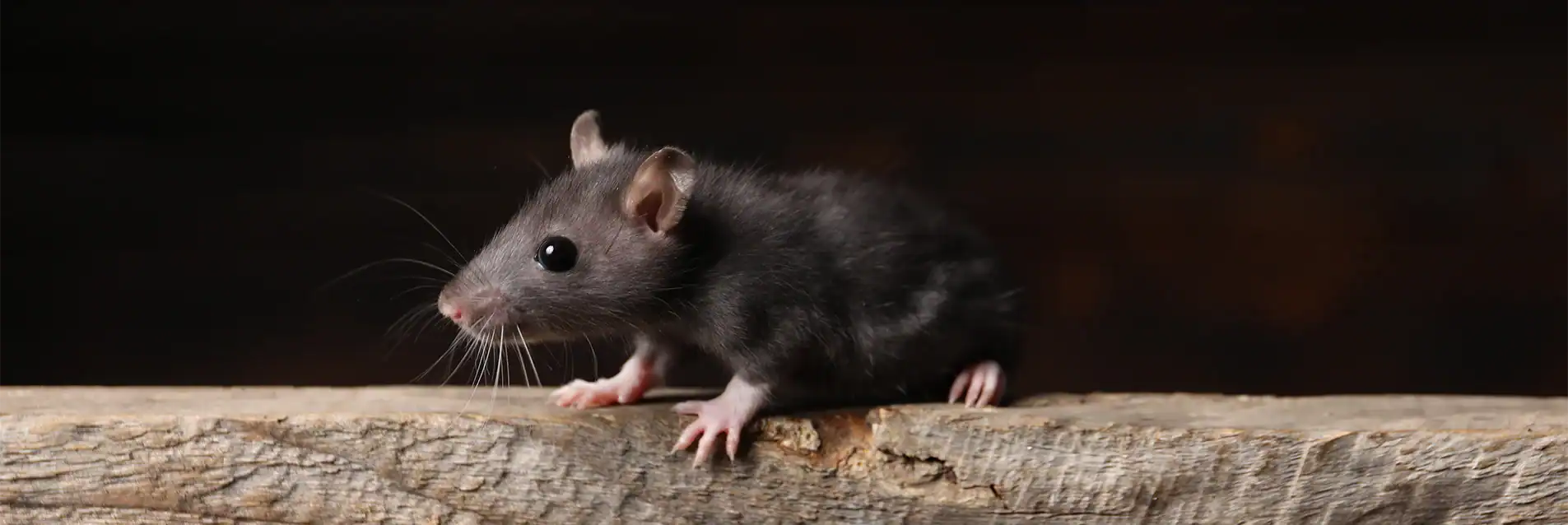
Yes — and it happens more often than most new residents in Crystal Springs expect. Roof rats are arboreal, meaning they live and travel in tree canopy. The dense pine trees and moss-covered oaks that shade properties along SR-39 and Crystal Springs Road give them a direct highway to your roofline. From there, they’re looking for any gap — a deteriorating soffit, an unscreened roof vent, a utility line entry point — and they only need about half an inch to get through.
The preserve’s 530 acres of woodland, wetland, and spring-fed habitat supports a large and stable rodent population year-round. Florida’s climate means there’s no winter die-off to reduce that pressure. Properties closest to the preserve boundary face the most consistent exposure, but even homes a few streets away deal with it because roof rats can travel significant distances through connected tree canopy. A professional inspection identifies exactly how they’re getting in so the entry points can be addressed — not just the rodents already inside.
Roof rats are almost entirely nocturnal and rarely come out in the open during daylight hours. By the time you’re hearing consistent scratching, gnawing, or movement sounds — usually between 10 PM and 2 AM — there’s almost always an established group, not a single animal. They nest in attic insulation, move through wall voids, and travel along the same routes repeatedly, which is why the sound tends to come from the same general area each night.
Finding them yourself is difficult because the entry points are typically at the roofline — soffits, ridge vents, fascia gaps — and the activity is concentrated in spaces most homeowners don’t access regularly. A professional inspection uses a combination of visual evidence: droppings, grease trails along joists and rafters, gnaw marks on wood or wiring, and compressed insulation where nesting has occurred. In Crystal Springs homes, especially manufactured homes where the crawl space is also a common nesting zone, that inspection needs to cover more than just the attic to get an accurate picture of what’s actually going on.
This is one of the most important questions to ask before any rodent control service starts. Rodenticide bait stations carry a real secondary poisoning risk — a rodent that eats the bait doesn’t die immediately. It typically dies somewhere else, often inside a wall cavity or crawl space, and any pet or wildlife that eats that carcass can be poisoned in turn. For Crystal Springs residents with dogs, outdoor cats, backyard chickens, or livestock, that risk is concrete and immediate, not theoretical.
We use mechanical trapping exclusively — no poison, no bait stations. The rodents are eliminated without introducing toxic material into your home’s structure or the surrounding environment. This also avoids the other major downside of rodenticide: the smell. A poisoned rat that dies inside a wall can take two to four weeks to fully decompose, and in a Florida summer, that odor becomes significant fast. Trap-based removal eliminates the animal and allows it to be removed from the structure, which is a meaningfully better outcome for everyone in the household — two-legged and four-legged alike.
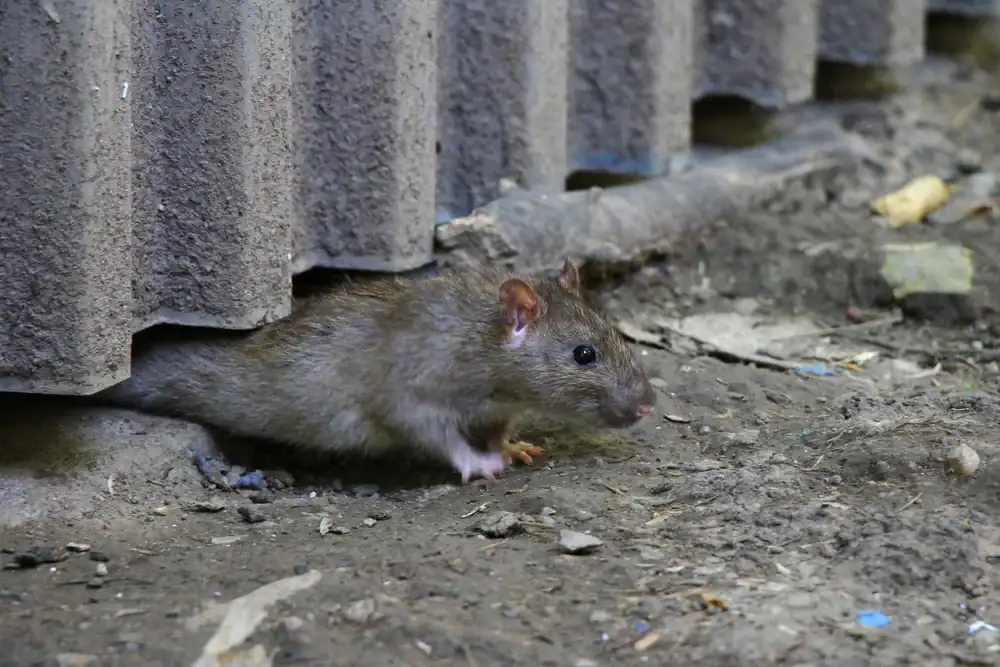
Yes, the entry points are different — and that distinction matters a lot in Crystal Springs, where the majority of homes are manufactured or mobile homes. The most common entry routes in a manufactured home are the skirting perimeter, which deteriorates over time and develops gaps at ground level; the crawl space beneath the home, which is a primary nesting zone for both Norway rats and mice; and utility penetrations where water lines, electrical conduits, and HVAC connections pass through the floor or walls. These are spots that a standard attic-focused inspection will miss entirely.
Norway rats, which burrow and prefer ground-level entry, are particularly common in manufactured home crawl spaces in Crystal Springs. The area’s flooding-prone terrain during Pasco County’s rainy season — June through September — displaces burrowing rodents from saturated ground and drives them directly into the dry, sheltered space beneath a manufactured home. A thorough inspection for a manufactured home in Crystal Springs needs to start at ground level and work upward, not the other way around. That’s exactly how we approach it.
For most infestations that are caught before they’ve been running for months, one to three service visits is a realistic and honest timeline — as long as the inspection, trapping, and sanitation are all done together rather than treated as separate steps. The first visit handles the inspection and trap placement. Follow-up visits check and reset traps, confirm the population has been eliminated, and complete the sanitation work on contaminated areas. Skipping the sanitation step is one of the most common reasons infestations come back — rodent urine contains pheromones that function as a chemical signal to other rodents, essentially advertising your home as safe passage.
In Crystal Springs, the ongoing wildlife pressure from the preserve means that even after a successful elimination, the conditions that attracted rodents in the first place haven’t changed. That’s why identifying and documenting every entry point during the inspection is so important — sealing those gaps is what converts a one-time fix into lasting protection. We provide that full entry-point documentation so you know exactly what needs to be addressed structurally, even if the sealing itself is handled separately.
Yes, and it’s genuinely relevant to this community. Crystal Springs has grown by more than 57% since the 2020 Census — a significant portion of current residents bought here recently, attracted by property prices that are still realistic compared to Tampa and the more built-out parts of Pasco County. A lot of those buyers are encountering rural Florida pest conditions for the first time: roof rats in the attic, rodents in a manufactured home crawl space, and the kind of persistent wildlife pressure that comes with living adjacent to a nature preserve.
The new homeowner discount is available to residents who have recently purchased in Crystal Springs and the surrounding area. It’s worth mentioning on your first call — which you can make any day of the week, including weekends, and the owner will pick up. If you’re a military family, there’s a separate discount available for that as well. The goal on that first call isn’t to sell you something — it’s to understand what you’re dealing with, give you honest information about what it’s going to take to fix it, and let you decide from there.
Other Services we provide in Crystal Springs