
Fast, reliable pest control from Hernando County’s most trusted family-owned team—with most quotes given over the phone.
Contact Info
Fast, reliable pest control from Hernando County’s most trusted family-owned team—with most quotes given over the phone.
Contact Info
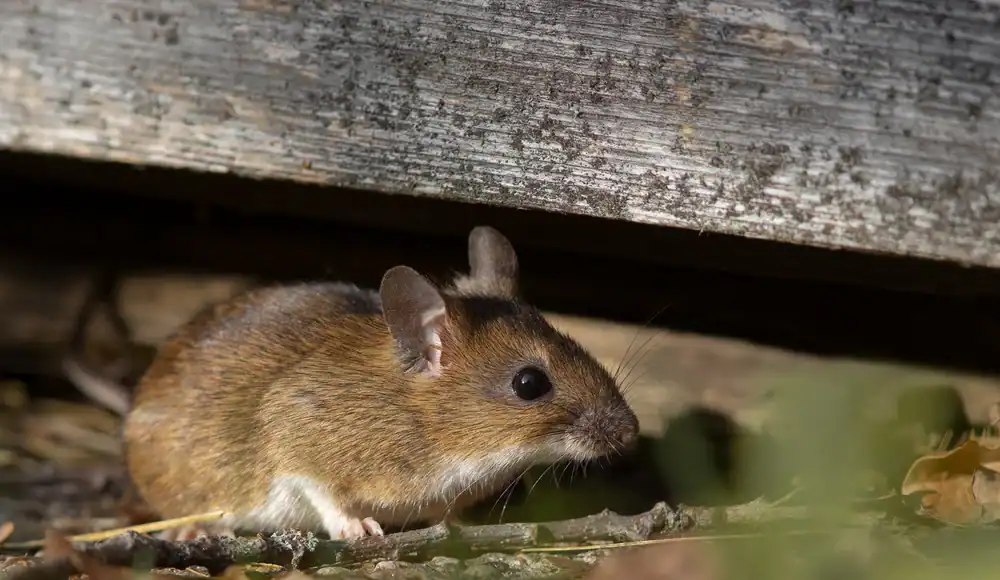
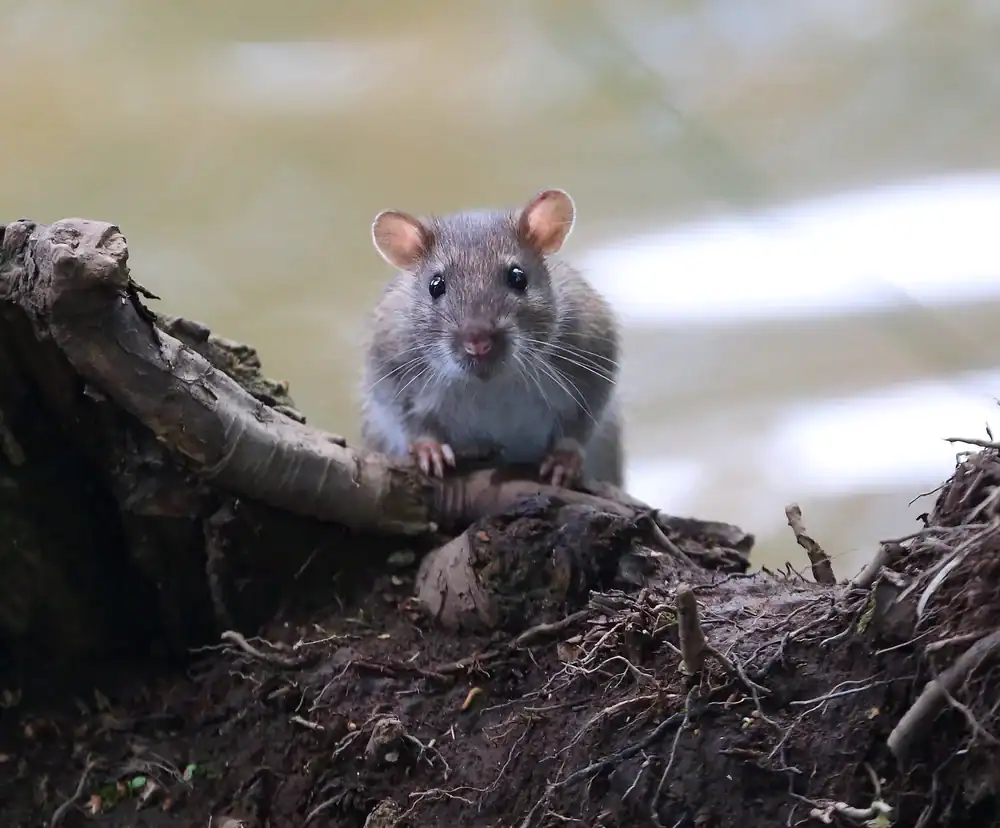
Roof rats in Dade City aren’t just a nuisance — they’re a fast-moving problem. Florida’s year-round warmth means there’s no cold season to slow them down. A small family group that settles into your attic in October can grow to fifteen or more by spring, chewing through wiring, contaminating insulation, and leaving behind scent trails that keep drawing more rodents in long after you think the problem is gone.
What makes Dade City specifically tricky is the landscape itself. The mature fruit trees and kumquat groves that give this town its character are exactly what roof rats — sometimes called citrus rats — are drawn to. Once they’ve found a food source in your yard, the attic is the next stop. And in the older homes throughout Dade City’s historic neighborhoods, getting in is easy. Aging soffits, worn fascia boards, and utility penetrations that haven’t been sealed in decades give them plenty of options.
After a proper treatment, what changes isn’t just the absence of noise. It’s knowing your wiring is no longer being chewed, your insulation isn’t soaked in urine, and your home isn’t quietly broadcasting a chemical invitation to every rat on the block. That’s what a complete rodent control job actually looks like — and it’s what we deliver.
We’re a family-owned operation serving Hernando County and the surrounding area, including Dade City and eastern Pasco County. When you call, the owner picks up — not a dispatcher, not a call center, not someone reading from a script. That’s not a tagline. It’s just how we run the business.
Dade City sits right on the Hernando County border, directly along US 301 — which means this isn’t a stretch-of-the-service-area call for us. It’s a natural part of the territory, and we know the conditions here: the older housing stock near the historic downtown, the fruit trees, the new construction pushing rodents out of cleared land near Prospect Road and into established neighborhoods.
With over 100 five-star Google reviews, a BBB A+ rating, and an FDACS license valid through 2027, the credibility is there. But more than credentials, what keeps clients coming back is straightforward service — honest answers, phone quotes without pressure, and someone who actually shows up accountable.
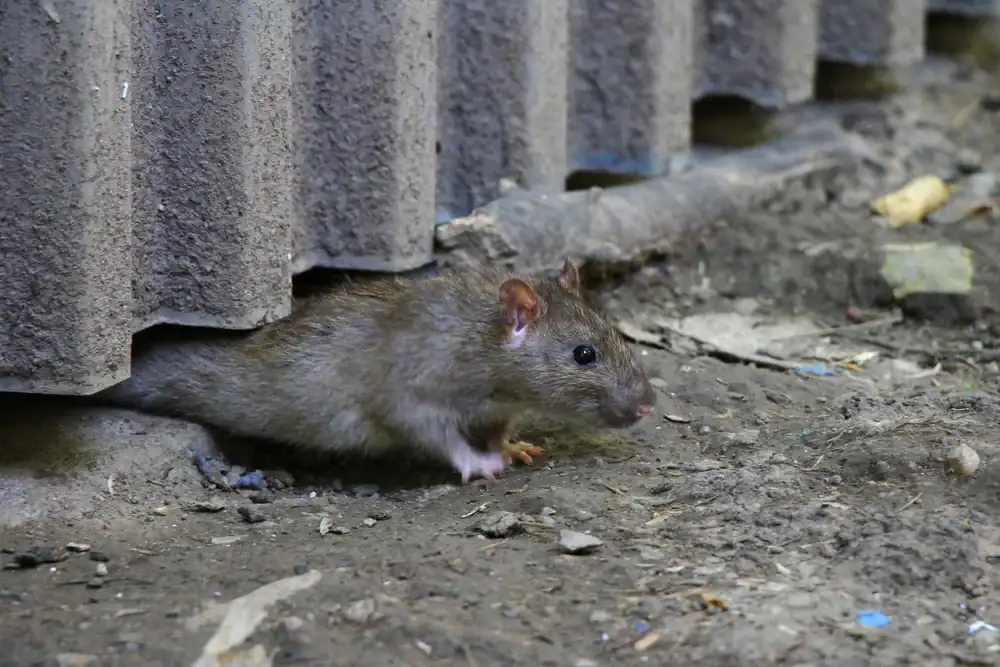
It starts with a thorough inspection — inside and out. Before anything gets set, we look at the exterior of your home first: the roofline, soffits, vents, utility lines, and any tree branches making contact with the structure. In Dade City, that exterior pass matters more than most people realize. A kumquat or citrus tree with branches touching your roofline is essentially a ramp. We identify that, document it, and factor it into everything that follows.
From there, we move into the attic and any other active areas. We use mechanical traps — not rodenticide bait stations. This is a deliberate choice. A poisoned rat that dies inside a wall cavity creates a weeks-long odor problem that often requires opening the wall to fix. In a home near Dade City’s historic downtown, where the walls may be decades old, that’s a serious secondary problem. Traps remove the rodents. Clean. Contained. No guessing where they ended up.
Once the active population is addressed, we sanitize the contaminated areas to eliminate scent trails — the invisible chemical signals that guide new rodents back to the same entry points. We also document every vulnerability we found during the inspection so you know exactly where your home needs attention, even if structural repairs are handled separately. No loose ends, no vague “you should probably get that looked at.”
Ready to get started?
Rodent control in Dade City, FL isn’t a single action — it’s a sequence. The inspection, the trapping, the sanitization, and the entry point documentation all work together. Skip one and the problem comes back. We handle each step as part of one cohesive service, not a series of upsells.
For homeowners in Dade City’s older neighborhoods — homes built in the 1920s through the mid-20th century — the attic decontamination piece is especially important. Rodent urine soaks into insulation over time, releasing ammonia compounds that get pulled through your HVAC system and into the living space. In Florida’s summer heat, that process accelerates. Removing the active rodents without addressing the contamination leaves a health and odor issue behind that most homeowners don’t connect back to the infestation until it’s been going on for months.
For newer construction homeowners near the active developments off Prospect Road and Handcart Road, the concern is different but just as real. Land clearing displaces established rodent populations into surrounding homes — often within the first year of occupancy, before new residents even know to look for the signs. Whether your home is a century old or brand new, the service adapts to what’s actually in front of us. Special discounts are available for new homeowners and military families — ask about current pricing when you call.
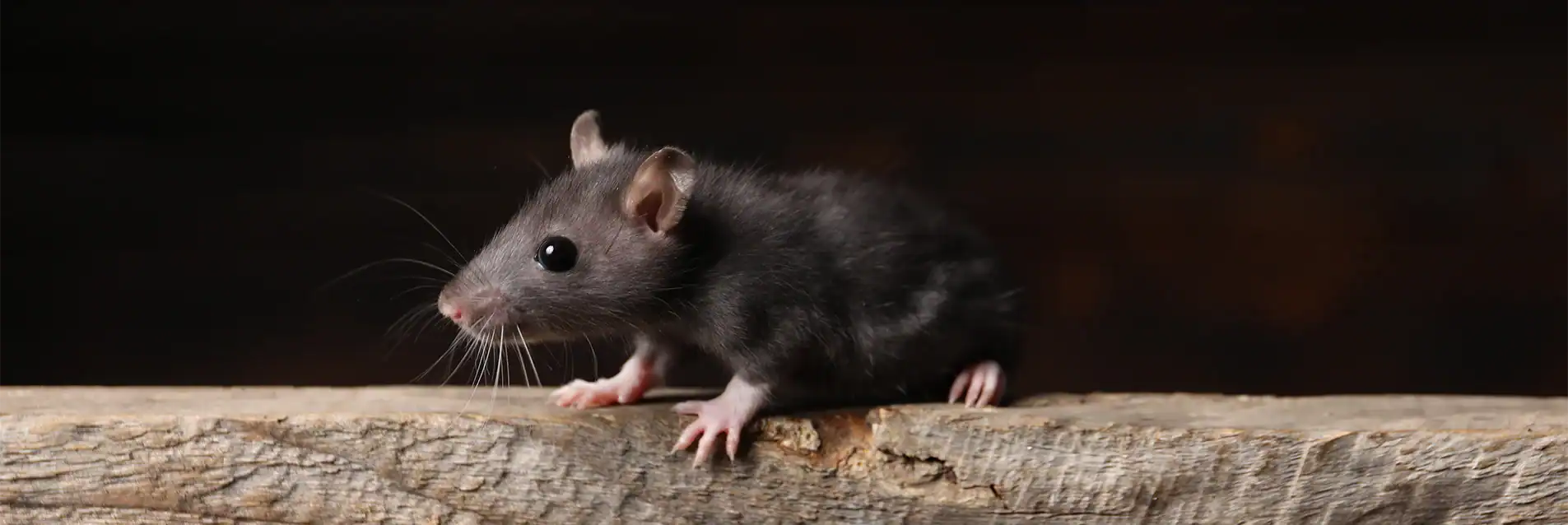
Cleanliness has very little to do with roof rat infestations in Dade City. These rodents aren’t coming inside because your home is dirty — they’re coming in because your home is warm, accessible, and close to a food source. If you have kumquat trees, citrus, or any fruit-bearing plants in your yard, that’s often the starting point. Roof rats feed on fruit, then follow the roofline looking for a way in.
In Dade City’s older residential neighborhoods, entry points are rarely obvious from the ground. A gap behind a soffit, a worn roof vent screen, or an unsealed utility penetration is all they need — roof rats can squeeze through an opening smaller than a quarter. The attic gives them shelter, warmth, and a safe place to breed. None of that has anything to do with how tidy your kitchen is.
The most reliable early indicator in Dade City is where the activity is happening. Roof rats, also called palm rats or citrus rats, almost always enter from above — attic spaces, soffits, and upper wall cavities are their preferred territory. If the scratching sounds you’re hearing are in the ceiling rather than the baseboards, roof rats are the far more likely culprit in this area.
Droppings tell you a lot too. Roof rat droppings are roughly half an inch long with pointed ends. Mouse droppings are smaller — about the size of a grain of rice. You might also find gnawed fruit still hanging on your citrus or kumquat trees, which is a very specific roof rat behavior. Mice tend to stay low and forage at ground level. If the evidence is up high and you have fruit trees in the yard, you’re almost certainly dealing with roof rats, which is the dominant species throughout eastern Pasco County and Dade City.
This is one of the most common concerns we hear, and it’s a legitimate one. Rodenticide bait stations carry two real risks that matter especially in Dade City. First, a poisoned rat doesn’t die at the trap — it wanders until it dies, which is often inside a wall cavity or deep in the attic. That creates a decomposition odor problem that can last weeks and sometimes requires opening walls to resolve. Second, secondary poisoning is a genuine danger. A dog or cat that finds and eats a poisoned rodent can be seriously harmed.
In a neighborhood where fruit trees attract wildlife and most households have pets, rodenticide is a poor fit. We use mechanical traps as the primary removal method specifically to avoid both of these outcomes. The rodents are caught and removed — not left to die somewhere inaccessible. It’s a cleaner result and a safer one for the rest of your household and yard.
For most residential jobs in Dade City, active trapping produces results within the first week. Roof rat populations in a typical attic are usually addressed within one to two service visits, depending on the size of the infestation and how long it’s been established. A colony that moved in recently and hasn’t had time to grow responds faster than one that’s been producing litters through the fall and winter.
What takes longer — and what most people don’t account for — is the follow-through. Removing the active rodents is step one. Sanitizing the scent trails and documenting the entry points are what prevent the same problem from recurring two months later. Florida’s year-round breeding cycle means there’s no natural reset. If the entry points aren’t identified and the scent trails aren’t eliminated, new rodents will find the same paths the previous ones used. The full process, done correctly, typically spans a couple of visits with a follow-up to confirm the population has been cleared.
Rodent control refers to removing the animals that are already present — through inspection, trapping, and sanitization. Rodent proofing, sometimes called exclusion, refers to physically sealing the entry points so new rodents can’t get back in. Both matter, but they address different parts of the problem.
We handle the control side — inspection, mechanical trapping, scent trail sanitization, and a full documentation of every entry point found. Structural repairs to seal those points, like replacing damaged soffits or installing new vent screens, are typically handled by a contractor or handyman separately. What we give you is a clear, specific list of exactly where your home is vulnerable so that work can be done right. For homeowners in Dade City’s older historic neighborhoods, that documentation is especially valuable — many of these homes haven’t had a thorough attic inspection in years, and the entry point audit alone often surfaces issues the homeowner didn’t know existed.
Yes — we offer discounts specifically for new homeowners and military families. In Dade City, that’s directly relevant right now. The city has grown significantly over the past few years, and thousands of new residents have moved in, many of them unfamiliar with Florida’s roof rat problem. If you’ve relocated from a state where rodent issues mean mice in the basement, the attic-dwelling citrus rat situation in central Florida can catch you off guard.
New homeowners are also inheriting whatever the previous occupants dealt with — including any existing entry points, scent trails, or early-stage infestations that weren’t disclosed or noticed during the sale. Getting an inspection early, before a minor issue becomes an established colony, is genuinely the most cost-effective move. The new homeowner discount is a straightforward way to make that easier. Military families in the area qualify as well. When you call, just mention it and we’ll apply it to your quote.