
Fast, reliable pest control from Hernando County’s most trusted family-owned team—with most quotes given over the phone.
Contact Info
Fast, reliable pest control from Hernando County’s most trusted family-owned team—with most quotes given over the phone.
Contact Info
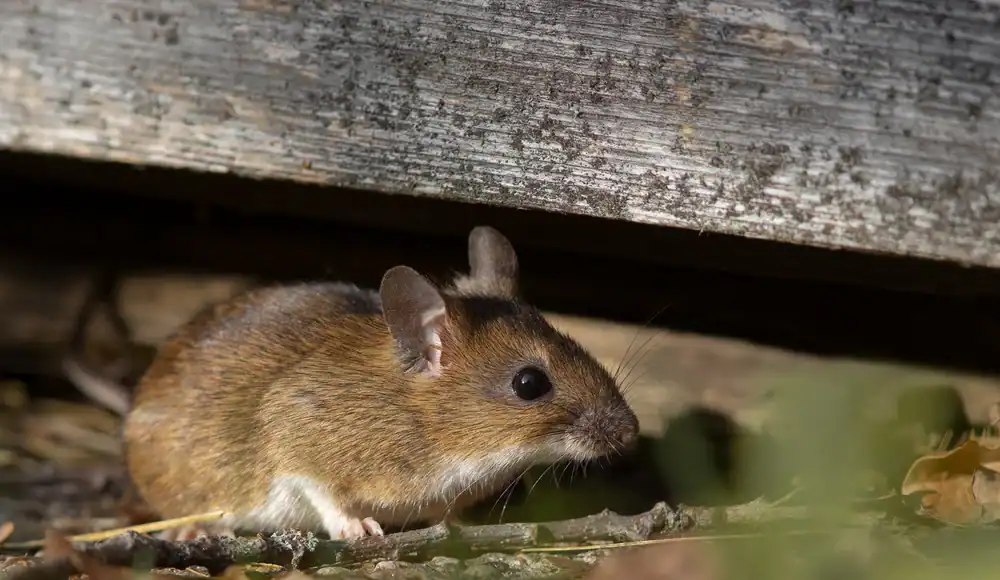

No more scratching at 2 AM. No more wondering if that smell coming through your vents is what you think it is. When rodent control is done right, the relief is immediate — and the long-term damage you were quietly accumulating stops.
Garden Grove’s housing stock tells part of the story. A lot of homes along and off US 41 have been here for decades, and older construction means older soffits, older fascia boards, and utility penetrations that have had years to develop gaps. Roof rats need an opening the size of a half-dollar coin. Most homeowners have no idea those gaps exist until something is already living in the attic.
The mature tree canopy throughout Garden Grove makes this worse. Roof rats are climbers — they use tree branches and utility lines to reach your roofline, and in a neighborhood with decades-old trees, those travel corridors are everywhere. Once we remove the colony and seal the entry points, you’re not just solving today’s problem. You’re protecting the home you’ve invested in from the next one.
Around The Clock Pest Service is a family-owned, owner-operated business serving Hernando County — and Garden Grove is squarely in our backyard, not a stretch into unfamiliar territory. The owner knows this area: the older homes near US 41, the wooded lots closer to the Brooksville–Tampa Bay Regional Airport boundary, the mix of established residents and newer homeowners discovering Florida’s rodent reality for the first time.
When you call, you reach the owner directly — not a call center, not a dispatcher, not a franchise rep. Most quotes are handled right over the phone so you know what you’re dealing with before anyone shows up. Over 100 five-star Google reviews from real Hernando and Pasco County homeowners, a BBB A+ rating, and FDACS licensure through 2027 back that up. We offer special discounts for new homeowners and military families in Garden Grove.
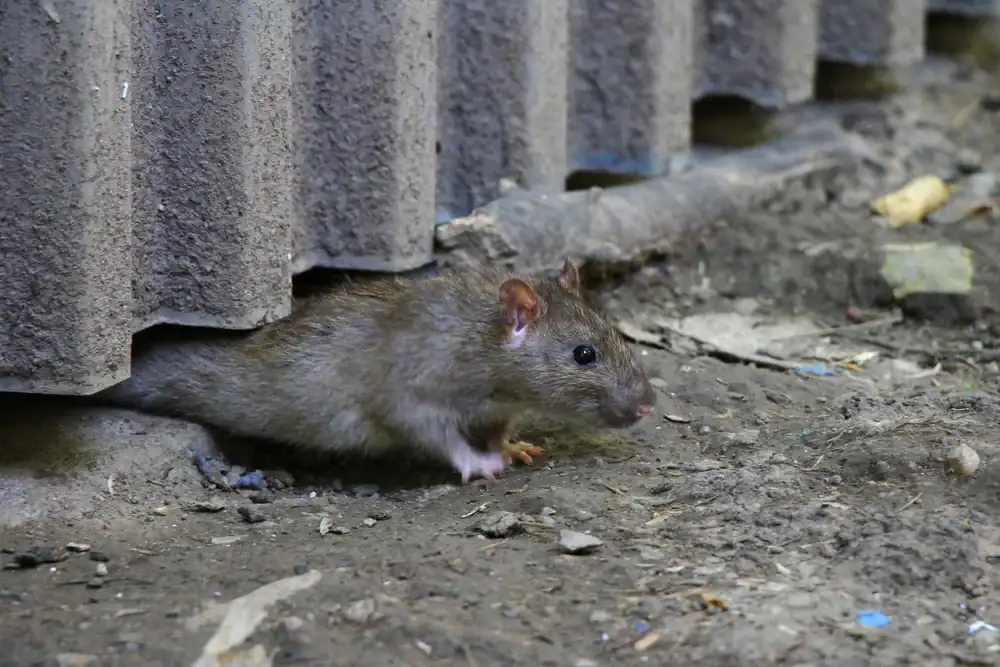
It starts with a phone call. You describe what you’re hearing or seeing, and in most cases, a quote can be provided right then — no waiting on a sales visit to find out what the job costs. Once you’re ready to move forward, an inspection is scheduled and the owner comes out personally.
The inspection covers the full property — interior and exterior. Every potential entry point gets identified and documented. Attic, crawl spaces, wall voids, roofline contact points where Garden Grove’s tree canopy meets your eaves — all of it gets looked at. We place professional-grade traps in the areas where activity is confirmed. This is a trap-based process, not a poison-based one, which matters if you have pets or livestock in the area.
After the rodents are removed, scent trail sanitization eliminates the chemical pathways that would otherwise guide new animals back to the same entry points. If the attic insulation has been contaminated — which is common in cases with established colonies — attic decontamination is addressed as part of the process. You’ll also receive a full report of every entry point found, so you know exactly where your home is exposed, even for repairs you handle separately.
Ready to get started?
Rodent control in Garden Grove, FL through Around The Clock covers the full scope of the problem, not just the part that’s easy to see. Our service includes a thorough inspection of the interior and exterior, professional trap placement in attics, crawl spaces, and wall voids, scent trail sanitization, attic rodent decontamination where contamination is present, and complete entry point documentation.
The decontamination step matters more than most homeowners realize. Garden Grove’s summer attic temperatures can reach 130°F or higher, and that heat accelerates the breakdown of rodent waste left behind in insulation. When your HVAC system runs, it pulls air from the attic space and circulates it through your living areas. Contaminated insulation isn’t just a structural issue — it’s an air quality issue affecting every room in your home.
The trap-based methodology is a deliberate choice. No rodenticide means no risk of a poisoned rat dying inside a wall cavity and creating a weeks-long odor problem. It also means no secondary poisoning risk for pets, dogs, cats, or any animals on your property. For Garden Grove households with pets or larger animals, that distinction is not a minor detail. It’s the reason many homeowners specifically seek out this approach after a bad experience with poison-based treatments.

Roof rats are climbers, and Garden Grove’s mature tree canopy gives them a built-in highway to your roofline. They travel along branches, utility lines, and fence tops to reach elevated entry points — gaps in soffits, deteriorated fascia boards, uncapped roof vents, and utility line penetrations. In a community where many homes have been standing since the mid-20th century or earlier, those vulnerabilities have had decades to develop.
A roof rat only needs a gap the size of a half-dollar coin to get inside. Most homeowners can’t see these openings from the ground, which is why a professional exterior inspection — including the roofline and eave contact points where trees meet the structure — is the only reliable way to know where your home is exposed. Once inside, they establish nesting areas in attics and wall voids quickly, and a small entry in the fall can become an established colony of 5 to 15 animals by spring.
The most common first sign is sound — scratching, scurrying, or gnawing coming from the attic or walls, usually at night since roof rats are nocturnal. In Garden Grove’s quieter, rural-suburban environment, that nighttime activity is often more audible than it would be in a denser neighborhood, which is actually useful — it means homeowners tend to catch it earlier.
Beyond sound, look for droppings along baseboards, in cabinets, or near attic access points. Grease trails — dark smear marks left by rodents repeatedly traveling the same path — are another reliable indicator. Chewed wiring, insulation damage, or nesting materials made from shredded fabric or paper in the attic are signs of an established infestation. If you’re noticing any musty or ammonia-like odors coming through vents, that’s a sign contaminated insulation may already be circulating through your HVAC system and worth addressing quickly.
This is one of the most important questions to ask before any rodent treatment, and the honest answer is that rodenticide bait carries real risk in households with pets — and in Garden Grove’s rural-suburban setting, that concern extends beyond dogs and cats. Many properties in the area have chickens, horses, or other animals that could encounter a poisoned rodent.
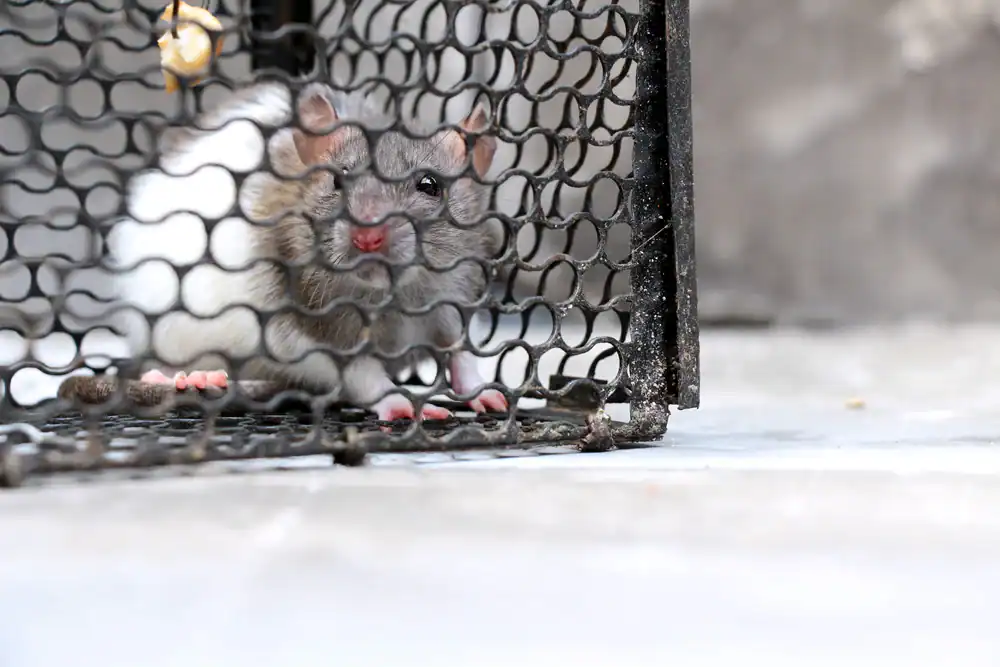
Secondary poisoning happens when a pet or wildlife animal eats a rodent that has consumed rodenticide. Depending on the bait used, the effects can be severe and sometimes fatal. There’s also the dead-in-walls problem: a poisoned rat that dies inside a wall cavity creates an odor that can last weeks, with no way to retrieve the carcass without opening the wall. Our trap-based approach eliminates both of these risks entirely. Mechanical traps contain the rodent at the point of capture, so you know exactly where it is, and there’s no chemical risk to anything else on your property.
Most rodent removal jobs in Florida fall in the range of $200 to $700, depending on the size of the infestation, the areas affected, and how many service visits are needed to fully resolve it. If attic decontamination is required — which is common in cases where the colony has been established for more than a few weeks — that adds roughly $600 to $1,000 to the overall cost.
The reason we handle most quotes over the phone is specifically to remove the uncertainty from that first conversation. You shouldn’t have to wait for a sales visit to find out what the job costs. Describe what you’re dealing with, and a straight answer comes back. What’s worth keeping in mind is the comparison cost: electrical repair from chewed wiring can run into the thousands, and attic insulation replacement is a significant expense on its own. Early professional treatment is almost always the cheaper path, and Florida homeowners insurance generally does not cover rodent damage — it’s treated as a maintenance issue, not a covered loss.
They can, if the entry points aren’t addressed. Removing the rodents without identifying and documenting where they got in is like bailing water without plugging the leak. Our inspection process maps every vulnerability on the exterior — gaps in soffits, deteriorated roof vents, utility penetrations, and roofline contact points where Garden Grove’s tree canopy meets the structure. You receive a full report of every entry point found.
The scent trail sanitization step is equally important for long-term results. Roof rats leave chemical pathways — pheromone trails — that guide other rodents back to the same access points even after the original colony is removed. Eliminating those trails breaks the cycle. Florida’s year-round warm climate means there’s no cold season to suppress rodent populations naturally, so in Hernando County, prevention isn’t optional — it’s the only thing standing between a resolved infestation and a recurring one.
Yes — and there’s a straightforward reason for it. Garden Grove is seeing steady population growth, and a meaningful number of new residents are moving into the area from more urban parts of the Tampa Bay market where rodent pressure in attics simply wasn’t something they dealt with as renters or in newer construction. Discovering a roof rat infestation in your first Florida home is a stressful experience, and the last thing a new homeowner needs is a pest control bill with hidden fees on top of everything else that comes with a new property.
The military family discount reflects the same thinking. Hernando County has a significant veteran and active-duty population, and we take that seriously — not as a promotional angle, but as a straightforward acknowledgment of the community. Both discounts are applied honestly, the pricing is discussed upfront on the phone, and there are no add-ons that appear after the work is done. If you’re a new homeowner or a military family in the 34604 area, mention it when you call.
Other Services we provide in Garden Grove