
Fast, reliable pest control from Hernando County’s most trusted family-owned team—with most quotes given over the phone.
Contact Info
Fast, reliable pest control from Hernando County’s most trusted family-owned team—with most quotes given over the phone.
Contact Info
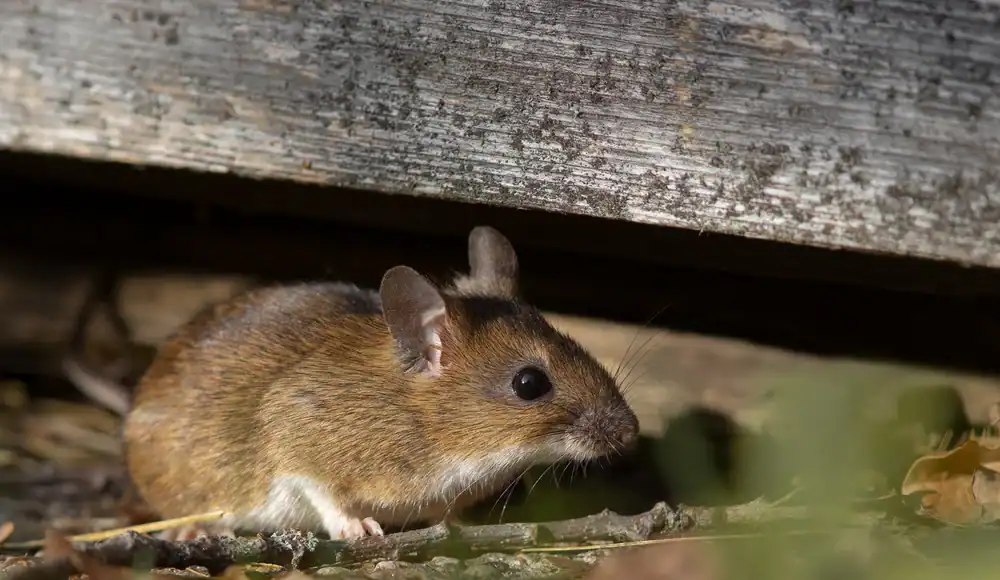
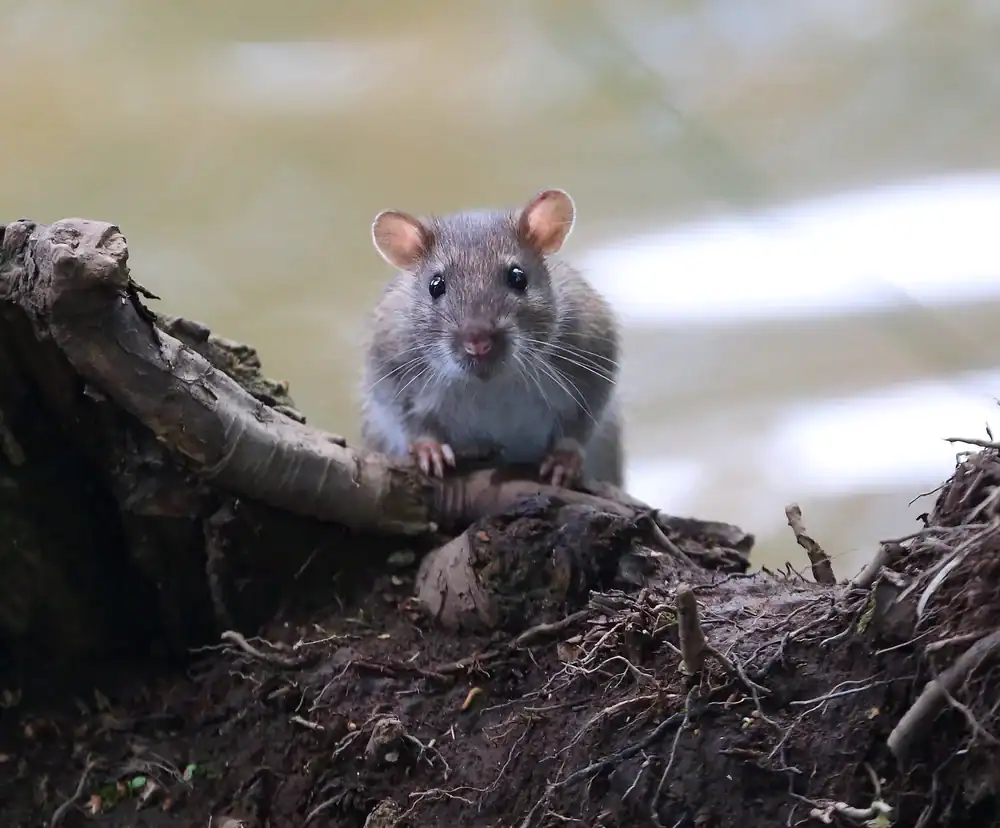
You sleep through the night again. You stop wondering what’s moving around above your ceiling at 2am. That’s the most immediate thing — the noise stops, the anxiety stops with it, and your home feels like yours again.
But in a rural community like Lumberton, the real outcome goes deeper than that. Homes in this part of eastern Pasco County sit close to agricultural land, fruit trees, and the kind of undeveloped corridors that rodents travel through constantly. When we remove the colony and identify every entry point it used, you’re not just solving today’s problem — you’re cutting off the route that the next wave would have used. That matters here more than it does in a subdivided suburb with six feet of concrete between every property line.
There’s also the health piece, which doesn’t get talked about enough. Rodent urine and droppings in attic insulation don’t just sit there quietly. Florida’s heat pulls those contaminants through the air in your living space. Getting the colony out and the attic properly decontaminated means the air your family breathes isn’t being filtered through whatever a rat family left behind over the last few months.
Around The Clock Pest Service is a family-owned, owner-operated pest control company serving Hernando and Pasco County — and Lumberton falls squarely in that territory. When you call, the owner picks up. When someone shows up to your property, it’s someone who’s accountable for the outcome, not a rotating technician working off a checklist.
That matters in a community like Lumberton, where homes near the Richland corridor tend to be older, more spread out, and surrounded by the kind of land that keeps rodent pressure high year after year. We know this service area well because we work in it constantly. It’s not a territory we’re stretching to cover — it’s one we understand from the ground up.
Over 100 five-star Google reviews from real customers in Hernando and Pasco County back that up. We’re FDACS licensed through 2027. BBB A+ rated. Both are publicly verifiable before you ever make a call.
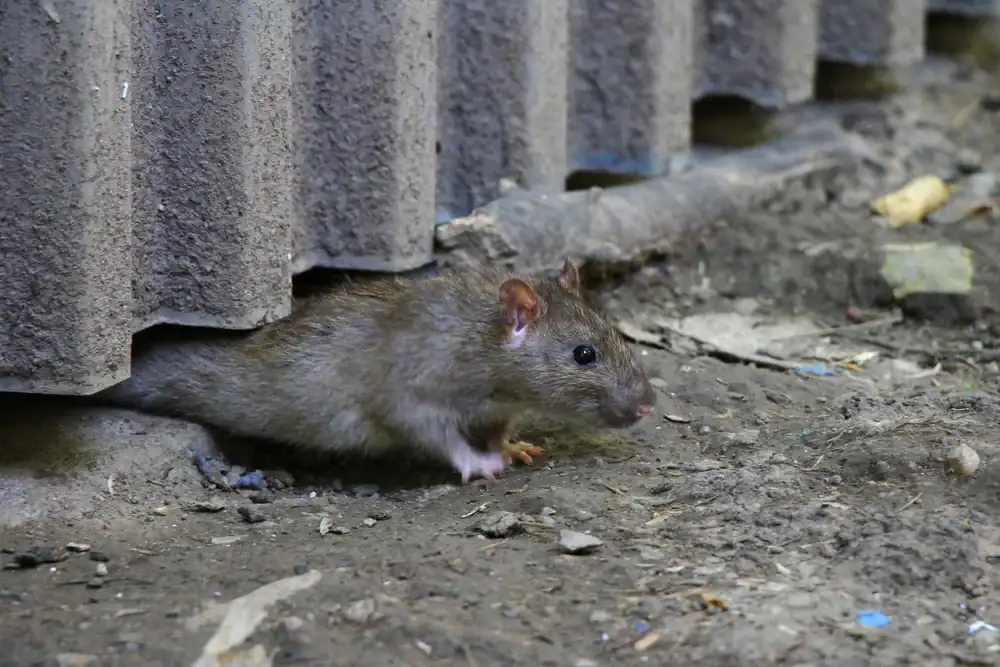
It starts with a thorough inspection — interior and exterior. That means the attic, crawl spaces, wall voids, the roofline, utility penetrations, and every place where your home’s structure meets the outside world. In older rural homes common to the Lumberton and Richland area, that list tends to be longer than most homeowners expect. Aging soffits, gaps around AC lines, deteriorating roof vents — these are the entry points that get missed when someone just sets a trap and calls it a day.
After the inspection, we place professional-grade mechanical traps at the locations where activity is confirmed or likely. No rodenticide. No bait stations. The reason is straightforward — poison-based methods create two problems that traps don’t: a dead rodent decomposing somewhere inside your walls, and a real secondary poisoning risk for any pet or animal that eats an affected rodent. For Lumberton homeowners with dogs, cats, chickens, or other animals on the property, that’s not a minor concern.
Once the colony is addressed, the scent trail sanitization happens. This step is what keeps the problem from coming back. Rodents leave chemical trails in attic insulation and along travel routes that signal to other rodents that this is a safe, established path. Without removing those trails, you’re essentially leaving a welcome sign up for the next wave. After that, you get a complete written report of every entry point we found — so you know exactly what needs to be sealed to close the door for good.
Ready to get started?
Rodent control in Lumberton isn’t a one-size situation, and our service reflects that. Every job includes the full inspection, trap placement, scent trail sanitization, and a written entry point report. What varies is the scope — because a home backing up to undeveloped land near the Upper Hillsborough Wildlife Management Area has a different risk profile than a property in a newer development closer to Zephyrhills.
If your attic insulation has been contaminated — droppings, urine saturation, nesting material — attic rodent decontamination in Lumberton is part of the conversation. That’s not an upsell. It’s a health issue, and it’s one that gets worse the longer it sits in a Florida attic during summer. The written entry point report you receive after every service is a real deliverable — especially useful if you’ve recently purchased a rural property in the area and aren’t sure what the previous owners may have left unaddressed.
Pricing is discussed on the phone before anyone comes out. Most jobs fall in the $200–$700 range for removal, with exclusion work varying based on what the inspection finds. New homeowners and military families receive discounts — not as a promotional gesture, but because those are the two groups most likely to be walking into a rodent situation they didn’t create and weren’t warned about. If you’re in that position, say so when you call.
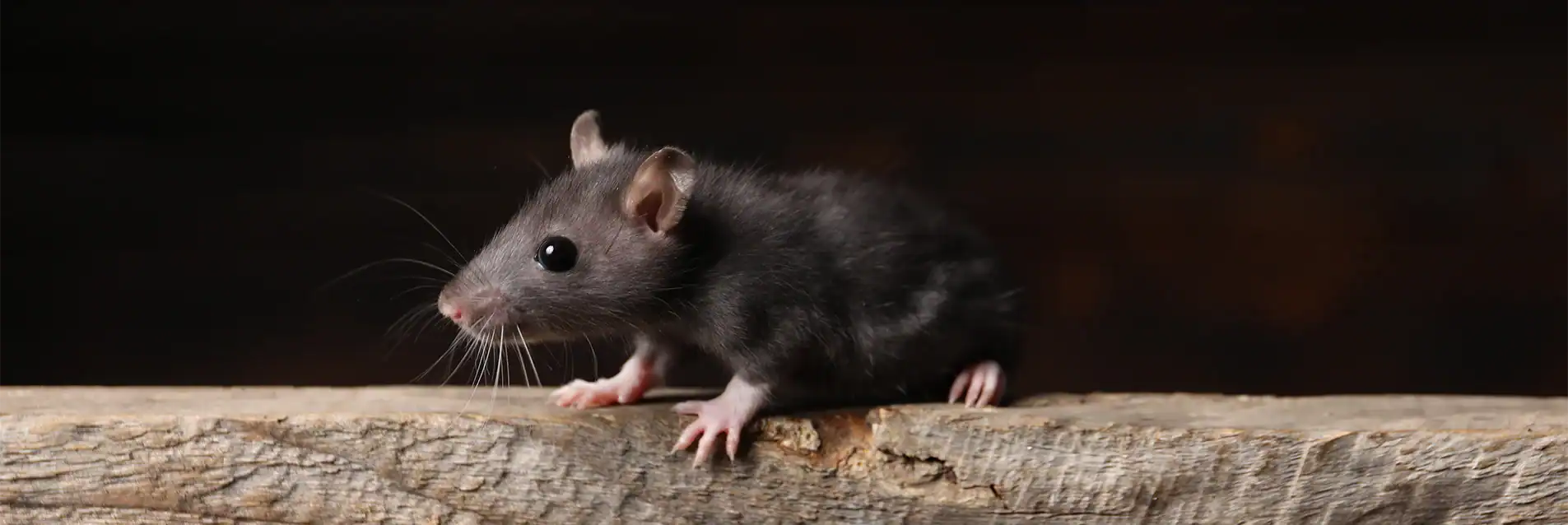
Lumberton sits in a part of eastern Pasco County where the conditions for roof rats are about as favorable as they get. You’ve got agricultural land, fruit trees, proximity to the Hillsborough River drainage corridor, and the Upper Hillsborough Wildlife Management Area all within the surrounding landscape. Roof rats — sometimes called citrus rats in Florida — thrive along exactly these kinds of edges between natural habitat and residential structures. They’re not wandering in randomly. They’re following food sources and established travel routes.
The Richland-Lumberton corridor has been citrus-growing country since Thomas Tucker planted Pasco County’s first orange grove here in 1845. If you have citrus, avocado, or any other fruit tree on your property, you’re providing a direct food source that draws roof rats to your yard before they ever look for a way into your home. Once they find a gap — and older rural homes in this area have more of them than newer construction — they move in fast and breed faster. A female roof rat can produce up to eight litters a year. One scratching sound in October can be a colony by spring.
The practical difference comes down to two things: where the rodent ends up, and what happens to anything that eats it. With rodenticide bait stations, a rodent ingests the poison and then goes somewhere to die — and that somewhere is often inside a wall cavity or deep in your attic insulation where you can’t reach it. The decomposition process in a Florida attic during summer is not subtle. You’ll know it’s there, and it’ll take weeks to resolve on its own.
The second issue is secondary poisoning. If a pet — or a chicken, or any other animal on your property — eats a rodent that died from rodenticide, that animal is at serious risk. For Lumberton homeowners with dogs, cats, or livestock, this isn’t a hypothetical. It’s a documented risk that’s entirely avoidable. Mechanical traps eliminate both problems. The rodent is captured, not poisoned. There’s no carcass decomposing in your walls, and there’s nothing toxic for an animal to ingest. It’s a cleaner method, and for rural properties with animals, it’s the right one.
The honest answer is that a lone rodent finding its way into a home is the exception, not the rule. Roof rats are social animals that live in family groups, typically five to fifteen individuals in an established attic colony. If you’re hearing scratching at night, finding droppings in your kitchen or garage, or noticing gnaw marks on food packaging or structural material, you’re almost certainly dealing with a group — not a single animal that wandered in through an open door.
The evidence of rodent infestation in Lumberton homes tends to show up in predictable places: attic insulation disturbed or compressed into nesting areas, droppings concentrated along wall edges and in cabinet corners, grease marks along baseboards where rodents travel the same paths repeatedly, and sometimes a faint ammonia smell from urine accumulation in enclosed spaces. If you’re seeing any of these signs, a professional inspection is going to tell you a lot more than a hardware store trap will. The inspection maps the full scope of the problem — where they’re entering, where they’re nesting, and how established the colony is — which is the only way to address it completely.
For the pest control service itself — inspection, trapping, sanitization — no local permit is required. Lumberton is an unincorporated community in Pasco County, which means there’s no city government and no municipal licensing layer to navigate. The only credential that matters for the pest control work is the state-level FDACS license under Chapter 482 of Florida Statutes, which governs structural pest control across Florida. We hold that license through 2027, and it’s publicly verifiable on the FDACS portal.
Where permits may come into play is on the structural repair side — if you’re replacing soffits, installing new roof vents, or doing any work that touches the building envelope to seal entry points, Pasco County building permits may be required depending on the scope. That’s separate from the pest control service itself. We don’t perform structural repairs, but the written entry point report provided after every inspection gives you a clear, specific list of what needs to be addressed — so if you’re working with a contractor to seal those gaps, you have an exact roadmap to hand them.
Most residential rodent infestations in this area are resolved within one to three service visits, depending on the size of the colony and the complexity of the structure. The first visit handles the inspection and initial trap placement. Follow-up visits confirm that the trapping has addressed the full colony and that no new activity is present. The timeline can stretch slightly for older homes in the Lumberton and Richland area where there are more entry points and more established travel routes to work through — but that’s exactly why the inspection phase is thorough rather than rushed.
What affects the timeline most is whether exclusion work gets done alongside the removal. If the entry points stay open while trapping is in progress, new rodents from the surrounding agricultural land and wildlife corridors can continue entering while you’re removing others. That’s a reason to take the entry point report seriously and move on sealing those gaps as quickly as possible after the colony is addressed. In Florida’s year-round climate, there’s no cold season to slow rodent movement down, so the sooner the structure is sealed, the better.
Yes, and in Lumberton specifically, it’s a discount that comes up often for a straightforward reason. Rural properties in the Richland-Lumberton corridor — especially older homes that have changed hands — frequently have rodent histories that weren’t disclosed or weren’t noticed during a standard real estate walkthrough. A new owner moves in, hears scratching within the first few weeks, and realizes they inherited a problem that was already established long before they signed the paperwork.
We offer discounts for new homeowners and military families because these are the two groups most likely to be dealing with a situation they didn’t create. Eastern Pasco County has a meaningful number of veterans and active-duty families who’ve settled in the area’s more affordable rural communities, and walking into an older property with unknown pest history is a common scenario. The discount isn’t a marketing hook — it’s a recognition that starting fresh in a new home shouldn’t mean immediately absorbing the full cost of a problem the previous owner left behind. Mention it when you call and it’ll be applied to your quote.