
Fast, reliable pest control from Hernando County’s most trusted family-owned team—with most quotes given over the phone.
Contact Info
Fast, reliable pest control from Hernando County’s most trusted family-owned team—with most quotes given over the phone.
Contact Info
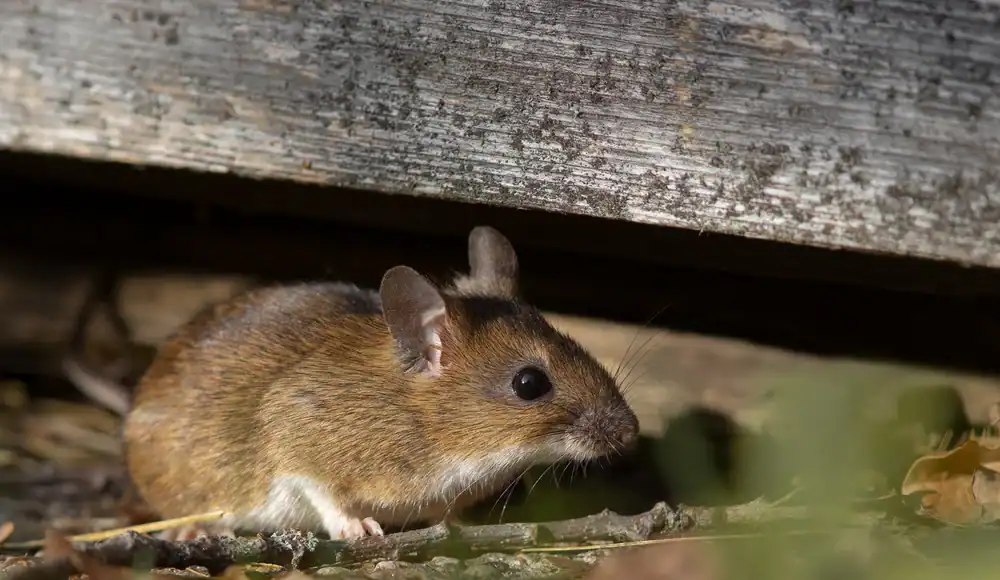

No more scratching sounds at 2 a.m. No more wondering what’s moving around in the ceiling above your bedroom. When rodent control is done right — not just a few traps thrown in an attic — you stop reacting and start feeling like your home is yours again.
For Pasadena Shores residents specifically, that peace of mind goes deeper than most people expect. The older homes in this neighborhood, many built in the 1950s through 1980s, have had decades for soffits to soften, roof vents to lose their screening, and small gaps to open up around utility lines. Roof rats — the dominant species in this coastal environment — only need a half-inch opening to get inside. Once the entry points are identified and addressed, the cycle stops.
There’s also the air quality piece that doesn’t get talked about enough. Contaminated attic insulation doesn’t just sit there — it gets pulled through your HVAC system into the rooms where you live. If you’re spending real time at home, which most Pasadena Shores residents are, that matters. Proper decontamination after removal isn’t optional; it’s the step that makes the rest of the work worth doing.
We’re a family-owned, owner-operated business serving Pasadena Shores and the surrounding Pinellas County area. When you call, the owner picks up — not a dispatcher, not a call center, not someone who’ll pass your information along and have a stranger show up at your door. You get a real answer, usually a price range, and a clear plan, right on that first call.
We hold a current Florida Department of Agriculture and Consumer Services (FDACS) license through 2027 and carry a BBB A+ rating — both publicly verifiable if you want to check before you commit to anything. Over 100 five-star Google reviews from real, named customers back up what the credentials say on paper.
Pasadena Shores’ coastal geography, the density of the condo communities along Boca Ciega Bay, the palm-lined streets — this isn’t a market we’re guessing about. The conditions here are specific, and our approach reflects that. Military families and new homeowners in the area receive special discounts, because this community has earned that kind of consideration.
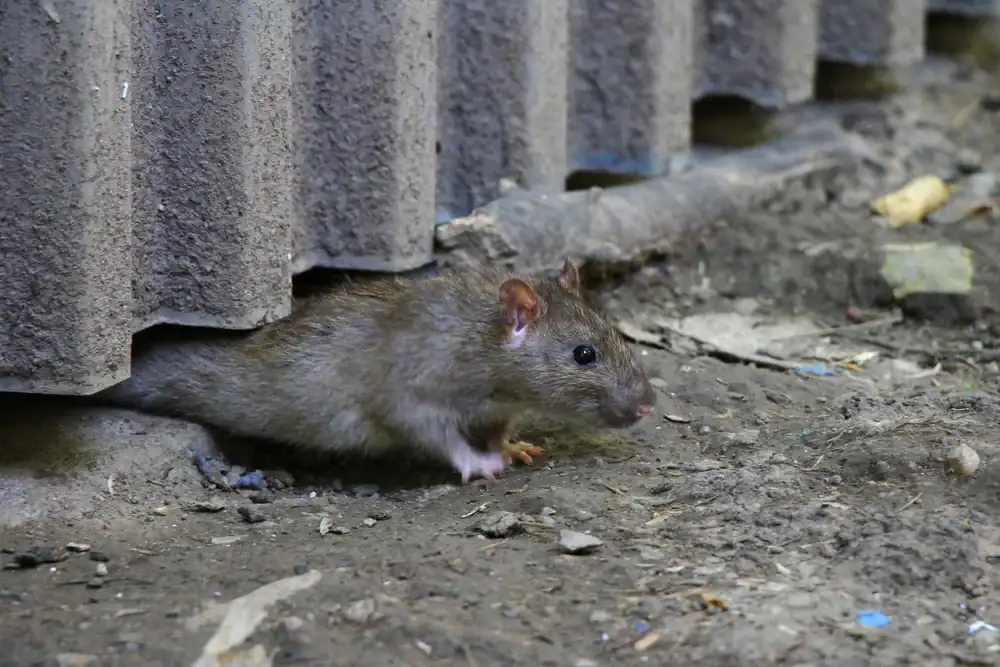
It starts with a thorough inspection — attic, crawl spaces, wall voids, and the exterior of the home. In Pasadena Shores, that exterior inspection pays particular attention to rooflines and soffits, because the mature palms and fruit trees common throughout this neighborhood give roof rats direct access to the top of your home. Overhanging branches, deteriorating fascia, gaps around pipe penetrations — these are the entry points that get missed when someone just sets a trap and leaves.
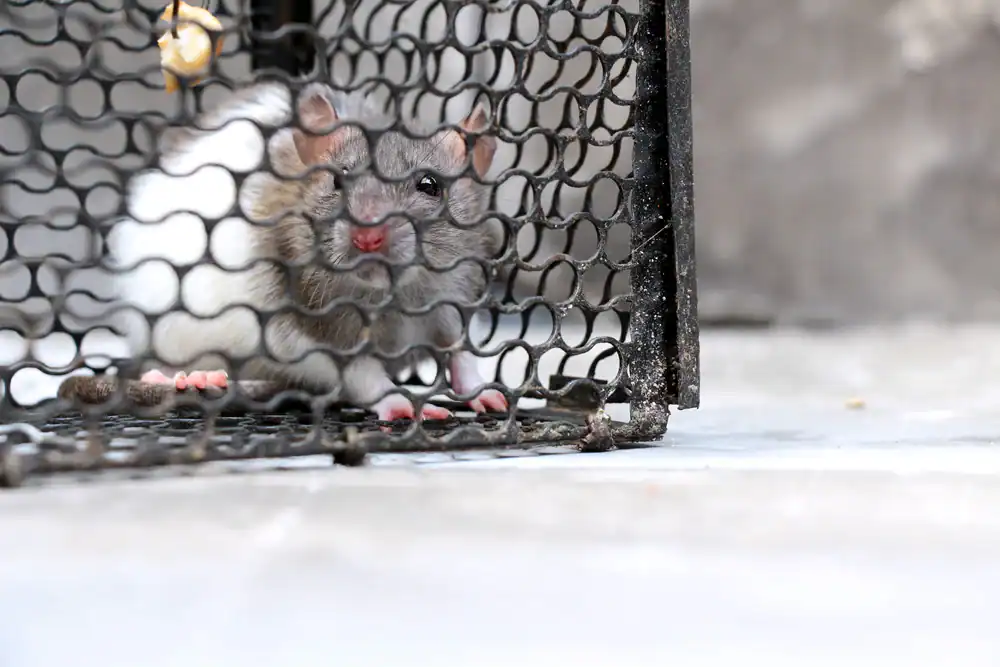
Once the inspection is complete, we place professional-grade mechanical traps in the locations where activity is confirmed. We do not use rodenticide bait stations. That’s a deliberate choice — not a marketing angle. Poison creates two real problems: a dead rodent decomposing inside a wall cavity, and the risk of secondary poisoning to any pet that encounters a poisoned animal. Traps eliminate both of those outcomes.
After the rodents are removed, the work isn’t done. Scent trails left behind in insulation and wall cavities are a biological signal to other rodents that your home is a safe route. Sanitization eliminates those trails. Every entry point found during the inspection is documented and communicated to you so you know exactly what needs to be addressed to keep the problem from starting over. We do not perform the structural repairs ourselves, but nothing gets left off the list.
Ready to get started?
Rodent control in a coastal neighborhood like Pasadena Shores isn’t a one-step job. Our service covers inspection, trap placement, active monitoring, removal, scent trail sanitization, and a full entry point assessment — because each of those steps addresses a different part of why the problem exists and why it comes back if any piece is skipped.
The attic decontamination component is especially relevant here. Pasadena Shores sits in a humid subtropical climate with no real dry season, and attic temperatures in the older housing stock throughout the area can push to extremes during summer months. Contaminated insulation in that environment becomes an active air quality issue — odors and particulates don’t stay in the attic when the HVAC system is drawing air through the same space. Decontamination addresses that directly.
For residents in the condo communities along Boca Ciega Bay — HarbourSide, Chateau Towers, Bay Island — the inspection process also accounts for the shared-structure reality of multi-unit buildings. Rodents don’t respect unit lines. They move through shared wall cavities and utility chases, which means the inspection needs to identify structural pathways, not just individual entry points. If you’re a new homeowner in Pasadena Shores or an active military family, ask about the discounts available — they apply here and they’re real.
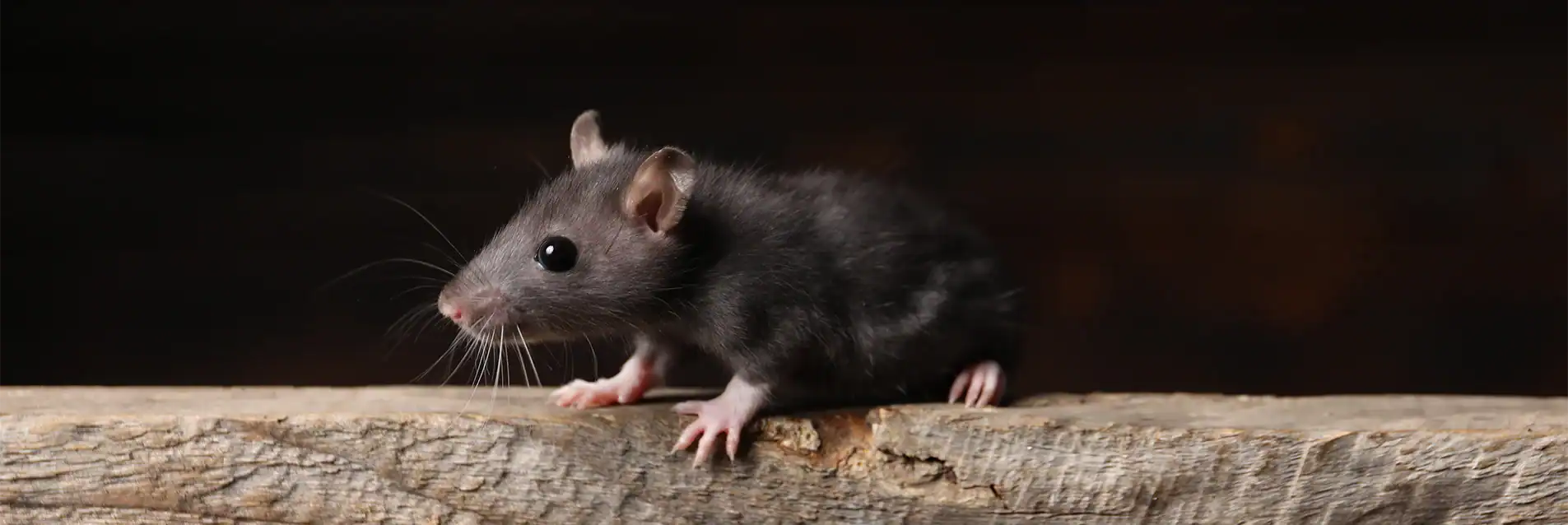
Roof rats thrive in exactly the kind of environment that defines Pasadena Shores — coastal, humid, densely vegetated, and full of older homes with aging rooflines. They’re also called palm rats for a reason: they nest in dense fronds, travel along tree canopies, and use overhanging branches as a direct path onto your roof. In Pasadena Shores, where mature palms line virtually every street and citrus trees are common in residential yards, the distance between “rodents in the trees” and “rodents in your attic” is often a single branch.
The peninsula geography of Pasadena Shores adds another layer. Surrounded by Boca Ciega Bay on multiple sides, the area has the consistent moisture and mild temperatures that allow roof rats to breed year-round without any seasonal population drop. There’s no winter here that suppresses the problem the way it would in a northern climate. If you’re hearing scratching in the ceiling and you live near the water or near mature palms — which in Pasadena Shores means almost everyone — roof rats are the most likely explanation.
Year-round, without question. Florida’s humid subtropical climate means there’s no cold season to slow rodent breeding down. Roof rats reproduce continuously in Pasadena Shores’ coastal environment — a small problem that goes unaddressed in October can become a well-established colony with multiple litters by spring. There’s no natural reset, no frost, no dry season that buys you time.
Pinellas County has also recorded significantly more natural disaster events than the national average, and storm activity during hurricane season has a direct effect on rodent pressure. When flooding or storm surge displaces established outdoor colonies, those animals move into the nearest available structure. Homes in Pasadena Shores — particularly older ones with compromised soffits or aging roof vents — are exactly what rodents look for when their outdoor habitat gets disrupted. Waiting until you hear something in the ceiling means the colony is already there. Proactive inspection and exclusion is the more cost-effective approach.
The most common early sign is sound — scratching, scurrying, or gnawing coming from the attic or walls, usually most noticeable at night when the house is quiet and the animals are active. Roof rats are nocturnal, so if you’re hearing movement in the ceiling after dark, that’s a meaningful signal. Droppings are another clear indicator: roof rat droppings are roughly half an inch long with pointed ends, and they’re typically found along travel routes — near walls, in cabinets, behind appliances, or in the attic.
Grease marks along baseboards and wall edges are caused by the oils in rodent fur and indicate an established travel route. Chewed materials — insulation, wood, wiring, food packaging — are also common findings during an inspection. Chewed electrical wiring is the detail that deserves the most attention: it’s a documented fire hazard, and in the older homes throughout Pasadena Shores, the wiring in attic spaces is often already aging. If you’re noticing any combination of these signs, the problem is almost certainly more developed than what’s visible on the surface.
Yes, and this is one of the most important things condo residents in Pasadena Shores need to understand. Rodents don’t recognize unit boundaries — they move through shared wall cavities, utility chases, plumbing runs, and HVAC infrastructure. An infestation that starts in one unit can reach adjacent units within days. Pasadena Shores is densely populated, and a significant portion of residents live in multi-unit buildings — HarbourSide, Chateau Towers, and similar communities along Boca Ciega Bay are all shared-structure environments where this dynamic applies.
DIY traps placed inside a single unit won’t solve a problem that exists in the building’s shared structure. Professional inspection in a multi-unit setting needs to identify the entry points and internal pathways that allow rodents to move through the building — not just catch the ones that happen to wander into a trap. If you’re in a condo in Pasadena Shores and you’re hearing or seeing signs of rodents, it’s worth notifying building management and getting a professional assessment of the structure, not just your individual unit.
Two reasons, and both of them matter to homeowners in Pasadena Shores. The first is what happens when a poisoned rodent doesn’t die outside — it dies inside a wall cavity or deep in your attic insulation, and then you have a decomposition problem that can last for weeks and is nearly impossible to address without opening walls. The second is secondary poisoning: a pet that eats a poisoned rodent can be fatally harmed. In a community where residents live close to their pets and close to the wildlife along Boca Ciega Bay, that’s not a theoretical risk.
Professional-grade mechanical traps eliminate both of those outcomes. The animal is caught and removed. There’s no poison in the home, no risk to your pets, and no dead rodent slowly decomposing somewhere you can’t reach. It’s a cleaner, more verifiable result — you know what was caught, where it was caught, and when. That transparency is part of how the process works, and it’s why the trap-based approach produces better outcomes than bait stations for residential settings like the ones throughout Pasadena Shores.
Yes — both. We offer discounts to military families and to new homeowners, and both apply in Pasadena Shores. The area has a notably large veteran population, and the military discount is a straightforward acknowledgment of that. It’s not tied to a promotion or a limited window — it’s part of how we operate.
The new homeowner discount is especially relevant right now given the development activity in the area. With Mattamy Homes’ SeaWinds community bringing 76 new homes to Pasadena — construction beginning spring 2026 — and additional residential projects proposed nearby, a meaningful number of people will be moving into homes in and around Pasadena Shores over the next few years. New construction in a land-constrained coastal area displaces established rodent populations, and that pressure lands on the existing homes nearby. Getting a professional inspection early — before a problem establishes itself — is the most cost-effective move a new homeowner in this area can make, and the discount makes that easier to justify.
Other Services we provide in Pasadena Shores