
Fast, reliable pest control from Hernando County’s most trusted family-owned team—with most quotes given over the phone.
Contact Info
Fast, reliable pest control from Hernando County’s most trusted family-owned team—with most quotes given over the phone.
Contact Info
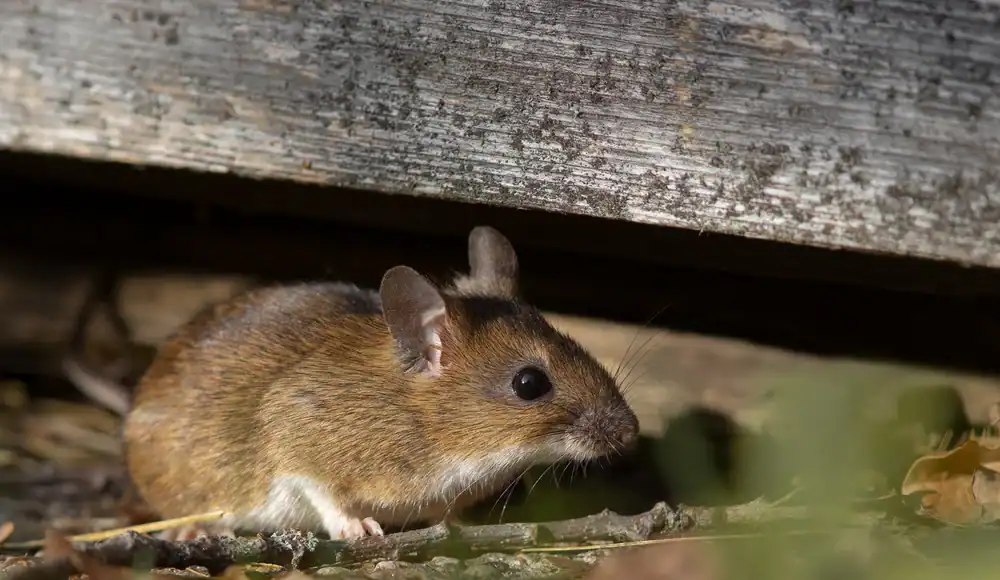
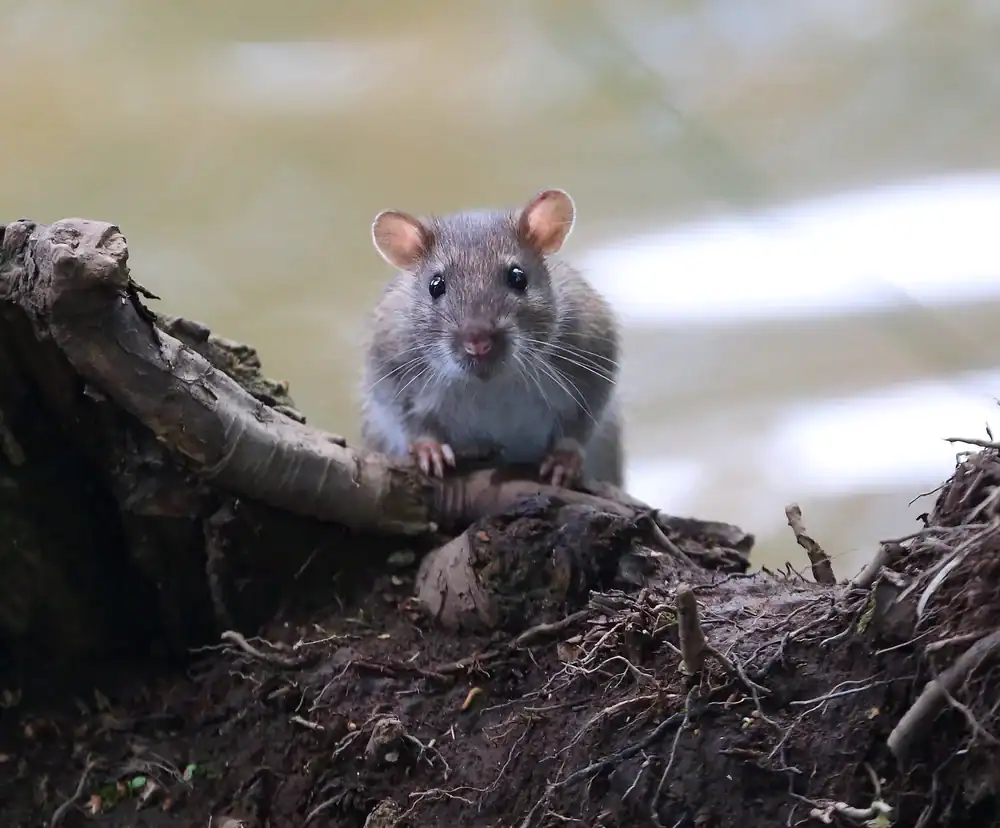
You sleep through the night again. That sounds simple, but if you’ve been lying awake listening to something move around above your ceiling, you know it’s not. Rodent control in Powell, FL isn’t just about getting rid of an animal — it’s about getting your home back. No more wondering what’s up there, no more putting it off, no more hoping it goes away on its own.
Here’s what most people don’t realize until it’s too late: the longer a roof rat colony stays in your attic, the more damage it does. Chewed wiring, contaminated insulation, scent trails that invite the next wave in. Powell’s position along the Powell Road corridor — bordered by orange groves and former citrus land east toward Spring Lake — means the pressure doesn’t let up seasonally. Florida’s climate keeps roof rats breeding year-round, and the agricultural land surrounding new developments like those near the US 41 and CR 572 intersection gives them an endless source of food and cover before they move into your home.
Once the problem is handled properly — traps placed, colony removed, attic sanitized, entry points identified — you’re not just rodent-free today. You’re protected from the next round. That’s the difference between treating a symptom and actually solving the problem.
Around The Clock Pest Service is a family-owned business serving Hernando County — not a franchise, not a call center, not a rotating crew of subcontractors. When you call, the owner picks up. When you need a quote, you get one over the phone, not after a scheduled consultation three days from now. When something comes up on a weekend, 24/7 isn’t a slogan — it’s just how we operate.
Powell and the surrounding communities along US 41 and Powell Road are part of our core service area. That matters because rural Hernando County properties — older homes off the highway, newer builds near Tangerine Estates and Mountain View, acreage with mature trees overhanging rooflines — present a different set of challenges than a standard Spring Hill subdivision. We understand those differences and inspect accordingly.
Over 100 five-star Google reviews from Hernando and Pasco County homeowners, a BBB A+ rating, and FDACS licensure through 2027 back up what the reviews already say: this is a company that shows up, does the work, and stands behind it.
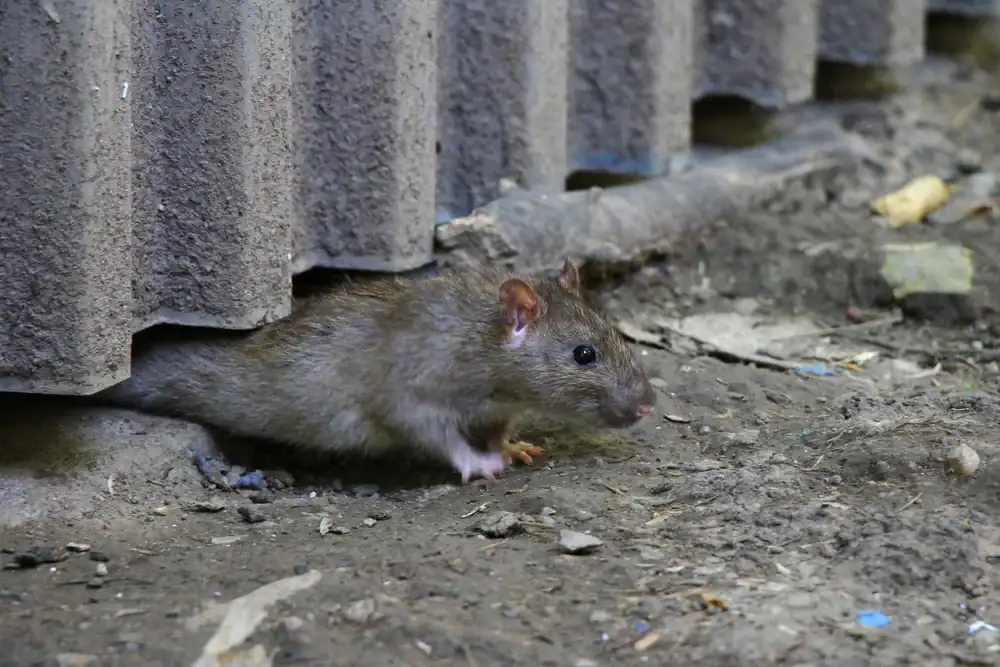
It starts with a thorough inspection. Every soffit, every roof vent, every utility line penetration, every place where your home meets the landscape. On Powell-area properties — especially those with mature oak canopy, fruit trees, or power lines running close to the roofline — there are often more entry points than homeowners expect. Roof rats only need a half-inch gap to get in, and they’re arboreal, meaning they travel above ground along branches and lines before dropping onto your roof. We find every access corridor, not just the obvious ones.
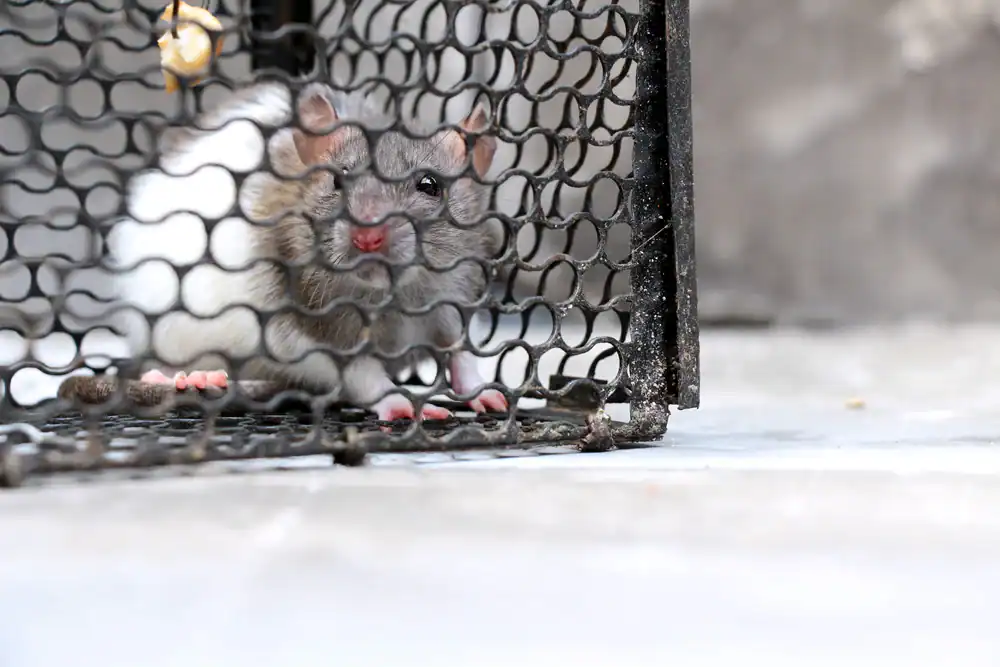
From there, we place professional-grade mechanical traps in the attic, wall voids, and crawl spaces — wherever activity has been identified. We use traps, not rodenticide. That means no poisoned rat dying inside your walls and decomposing for weeks, and no secondary poisoning risk for pets or children. Once the colony is removed, the scent trails left behind in the attic insulation are sanitized. Those trails are chemical signals that guide new rodents directly to your home — skipping this step is one of the main reasons infestations come back.
Finally, you get a clear picture of every entry point we found during the inspection so you know exactly what needs to be sealed. All pest control work is performed under FDACS licensure as required by Florida’s Chapter 482 statutes — no unlicensed operators, no shortcuts.
Ready to get started?
Our rodent control service in Powell, FL covers the full scope of the problem — not just the part you can hear. The inspection addresses the structural vulnerabilities that are especially common on rural Hernando County properties: aging soffits along older US 41 homes, gaps around HVAC and utility penetrations on newer construction near the Powell Road development corridor, and roofline access points created by the mature tree canopy that’s typical on acreage lots throughout the area.
Trap placement targets active areas — attics, crawl spaces, and wall voids — using mechanical traps exclusively. Once removal is complete, attic rodent decontamination addresses the contaminated insulation left behind. In a Florida attic, summer temperatures can exceed 130 degrees, which drives odors and airborne particles from rodent waste directly through your HVAC system and into your living space. Decontamination isn’t optional if you want the problem fully resolved. Scent trail sanitization is included to eliminate the chemical pathways that would otherwise attract the next colony before you even realize there’s a new one forming.
New homeowners moving into developments near Powell Road — including those near Hernando Oaks and Imperial Estates — qualify for a discount, as do military families. If you’ve just purchased a home in this area, an early inspection is the most cost-effective rodent control decision you can make, especially when the property sits adjacent to former citrus or agricultural land.
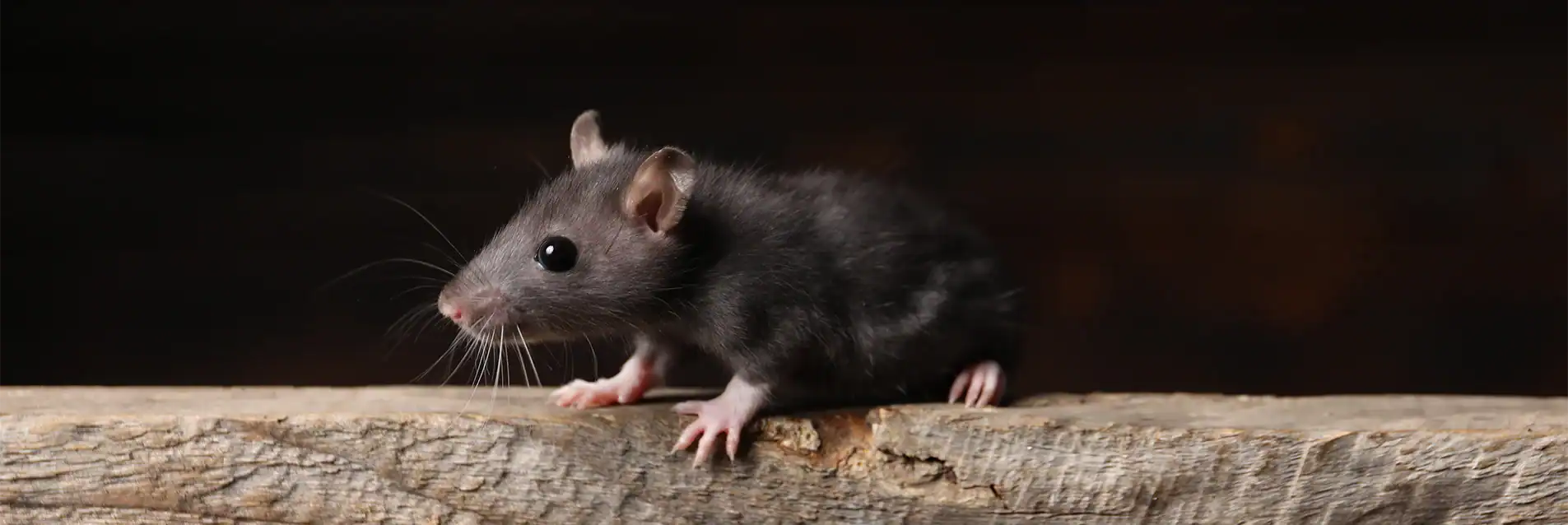
Nocturnal scratching in the attic is one of the most consistent signs of a roof rat infestation, and it’s especially common on properties along the Powell Road corridor in Hernando County. Roof rats are night-active and arboreal — they travel along tree branches and power lines before accessing rooftops, which makes properties with mature oak canopy or fruit trees particularly vulnerable. The scratching you’re hearing isn’t random. It’s a colony that has likely been established for weeks or months, moving more noticeably as temperatures shift and the rats push deeper into the structure.
What makes Powell-area properties different is the agricultural adjacency. The eastern end of CR 572 runs through orange groves and former citrus land toward Spring Lake, and roof rats — sometimes called citrus rats — thrive in that environment. When surrounding land is developed or cleared, displaced colonies migrate to the nearest available shelter. If your home is near that transition zone, the pressure on your attic is not a one-time event. It’s ongoing, and it warrants a professional inspection rather than a wait-and-see approach.
The practical difference is significant, and it’s one of the main reasons we use mechanical traps exclusively. Rodenticide bait stations work by poisoning the rodent, but you have no control over where the animal dies. In most cases, it crawls into a wall cavity or deep into the attic insulation before it dies, and the decomposition odor that follows can last for weeks — sometimes longer in Florida’s heat. There’s no easy way to locate or remove a rat that’s died inside a wall without opening the wall itself.
The secondary poisoning risk is equally serious. A pet or a child that encounters a poisoned rodent — or in some cases, a rodent that’s been partially poisoned and is moving slowly — can be seriously harmed. For Powell families with dogs, cats, or grandchildren visiting, this isn’t a theoretical concern. Mechanical traps eliminate both problems. The rodent is contained, the location is known, and there’s no chemical exposure risk to anyone else in or around the home. It’s a cleaner process with a cleaner outcome.
Cost varies depending on the size of the infestation, the structure of the home, and what services are needed beyond initial trapping. For a standard residential job in Florida, rodent inspection and initial trap setup typically runs around $150 to $200. Full removal for an established infestation generally falls in the $200 to $700 range. If attic decontamination is needed — and on most Powell-area properties where the colony has been active for more than a few weeks, it is — that adds roughly $600 to $1,000 depending on the extent of contamination. Entry point identification and any structural exclusion work can add further cost depending on how many vulnerabilities are found.
The more useful framing is what the problem costs if it’s not addressed. Chewed electrical wiring is a fire hazard and a costly repair. Contaminated attic insulation that needs full replacement is an expensive job. Structural damage from prolonged rodent activity compounds over time. An early inspection and professional treatment is almost always significantly less expensive than the damage a colony causes if left alone for a season. We provide most quotes over the phone — you don’t have to wait for an in-home consultation to get a real number.
Yes — and this is one of the most common reasons homeowners end up calling a second time. Removing the colony without addressing the entry points and sanitizing the scent trails is an incomplete solution. Roof rats leave chemical markers in their urine and droppings that signal safe passage to other rodents. Those trails persist in attic insulation long after the original colony is gone, and they actively attract new animals to the same entry points. In Powell’s environment — surrounded by orange groves, agricultural land, and dense tree canopy — there’s no shortage of rodents looking for exactly the kind of shelter your attic provides.
The inspection process identifies every entry point found on the structure: soffits, roof vents, utility penetrations, gaps at roofline transitions. You receive a clear accounting of what was found so you know what needs to be sealed. The sanitization step eliminates the scent trails that would otherwise make your treated attic a beacon for the next wave. Both steps are part of a complete rodent control service — not optional add-ons.
In most cases, yes — and Florida’s climate is a big part of why. Attic temperatures in Hernando County homes regularly exceed 130 degrees during summer months. When attic insulation is contaminated with rodent urine and droppings, that heat drives odors and microscopic airborne particles directly through the HVAC system and into the living space below. This isn’t just an unpleasant smell — rodent waste can carry pathogens including hantavirus and leptospirosis, both of which are documented health concerns in Florida. The risk compounds the longer contaminated insulation remains in place.
Beyond the health concern, untreated insulation retains the scent trails that attract new rodents to the same attic. Decontamination removes the contaminated material, sanitizes the space, and eliminates those chemical signals. For Powell-area homeowners — particularly in homes with older insulation or properties that sit near agricultural land where rodent populations are higher — this step is what separates a solved problem from a managed one. It’s also what protects your HVAC system and indoor air quality going forward.
Yes, and it’s particularly relevant in this part of Hernando County right now. The Powell Road corridor — along CR 572 near US 41 — is seeing active residential development, with new communities like Hernando Oaks and construction underway on former agricultural and citrus land in the area. New homeowners moving into these properties are often coming from more suburban environments and may not be familiar with the rodent pressure that comes with living adjacent to that kind of land. An early professional inspection is one of the best investments a new homeowner in this area can make, and the discount makes it more accessible.
Military families also qualify for a discount. Hernando County has a meaningful military-connected population, and we’ve structured our pricing to reflect that. Both discounts are straightforward — no complicated eligibility requirements. If you’ve recently purchased a home near Powell Road or anywhere in the Powell area and want to know what you’re working with before a problem develops, a phone call is the fastest way to get a real quote and a straight answer about what an inspection involves.