
Fast, reliable pest control from Hernando County’s most trusted family-owned team—with most quotes given over the phone.
Contact Info
Fast, reliable pest control from Hernando County’s most trusted family-owned team—with most quotes given over the phone.
Contact Info
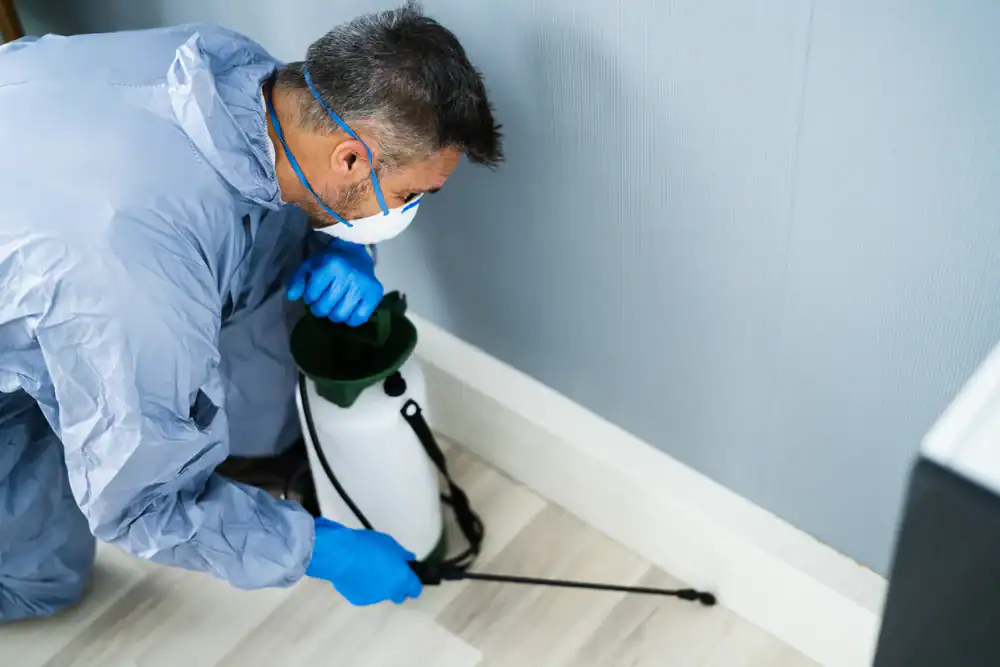
Here’s what matters: your home stays structurally sound, your equity stays protected, and you’re not writing a check for five figures down the road because something was quietly eating your house from the inside out.
Garden Grove sits in one of Florida’s highest-risk termite zones. The warm, humid climate here means termites stay active year-round—not just during spring swarms. They can feed on your home’s structure for three to five years before you even notice damage. By then, the repair bills have already stacked up.
Professional termite protection Florida homeowners actually use isn’t about scaring you. It’s about catching the problem early or stopping it before it starts. An annual termite protection plan gives you regular inspections, proactive treatments, and someone who knows what to look for checking your property before small issues turn into structural nightmares. You’re not guessing. You’re not hoping. You’re covered.
We’ve been protecting homes across Hernando County and surrounding areas since 2020. We’re a family-run operation, which means when you call, you’re talking directly to the owner—not a call center three states away.
We’re licensed by the Florida Department of Agriculture, BBB accredited with an A+ rating, and we’ve built a 5.0-star reputation across more than 100 Google reviews. Garden Grove homeowners work with us because we show up when we say we will, we answer the phone at 3 AM if that’s when you spot a swarm, and we don’t disappear after the first treatment.
You’ll get most quotes over the phone. We respond within 24 hours, even on weekends. And if you’re military or a new homeowner in Garden Grove, we offer discounts because we’d rather help you protect your investment early than watch you pay for damage later.
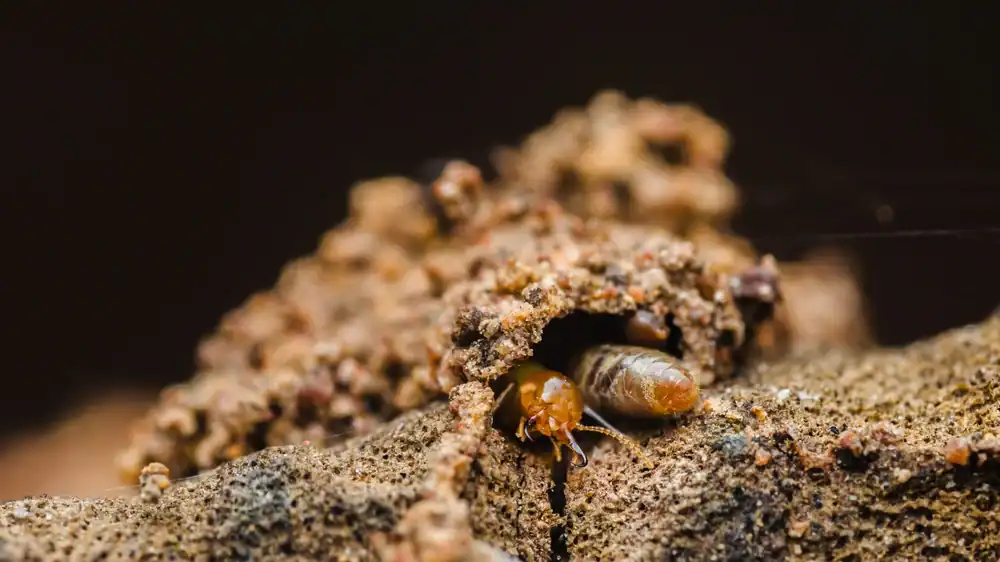
First, we inspect your property—inside, outside, crawl spaces, attics, anywhere termites hide or enter. We’re looking for active colonies, mud tubes, damaged wood, moisture issues, and entry points as small as 1/32nd of an inch. You’ll know what we find, where we found it, and what it means for your home.
If we spot termite activity, we treat it. That usually means applying a termiticide barrier around your foundation, treating infested wood directly, or using advanced wood diffusion technology for long-lasting protection. The method depends on the termite type—subterranean, drywood, dampwood, or Formosan—and where they’ve set up shop.
After treatment, we don’t just walk away. An annual termite protection plan includes follow-up inspections to make sure the treatment worked and new colonies aren’t moving in. If you’re buying or selling a home in Garden Grove, we also provide WDO inspections that meet Florida real estate requirements. You get documentation, peace of mind, and a clear picture of what’s happening with your property before money changes hands.

Ready to get started?
You’re getting a full property inspection that covers every vulnerable area—foundation, wood structures, crawl spaces, attics, and exterior perimeters. We check for the four main termite types active in Florida: subterranean (the most common and destructive), drywood, dampwood, and Formosan. Each one behaves differently, and each one requires a specific approach.
Treatment includes applying EPA-approved termiticides that create a protective barrier around your home. For active infestations, we treat affected wood directly and address moisture problems that attract termites in the first place. Florida’s climate makes Garden Grove especially vulnerable—13 subterranean termite colonies per acre is the average here, and they consume wood up to seven times faster than in cooler states.
An annual plan means we come back regularly to inspect, retreat if needed, and catch new activity before it becomes expensive. You’ll also get access to WDO inspections if you’re in a real estate transaction, plus direct communication with the owner anytime you have questions. We’re not a national chain. We’re local, we know Garden Grove’s specific termite risks, and we’re available when you need us—not just during business hours.
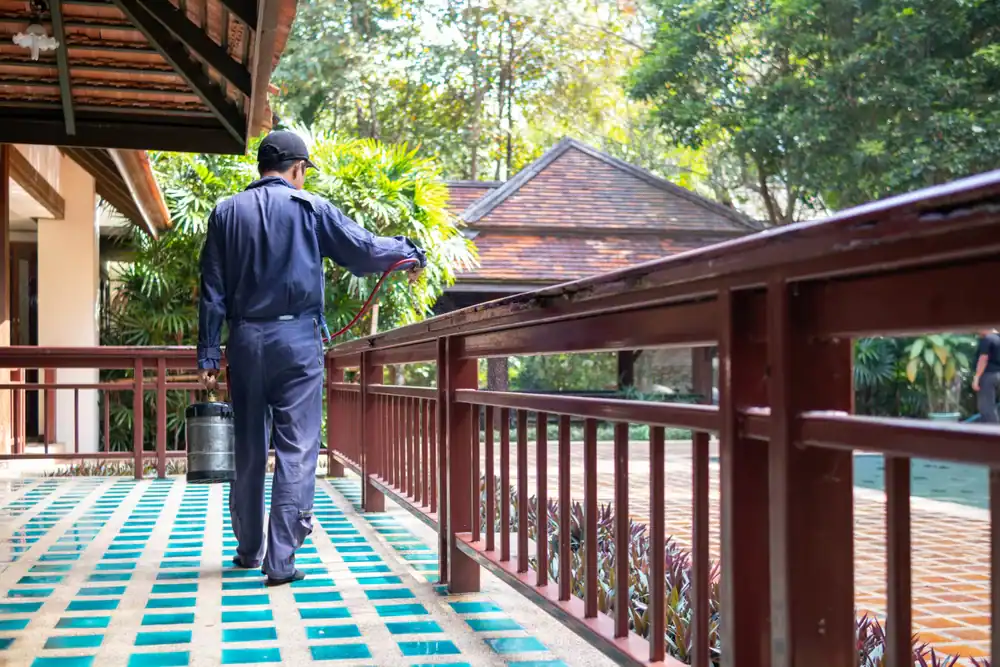
Professional termite prevention services in Garden Grove typically cost a few hundred dollars for an initial inspection and treatment, with annual plans running even less per visit. Compare that to the $8,000 to $12,000 average repair bill when termites go undetected—and that’s for moderate damage. Severe infestations can push costs well above $10,000, especially if structural supports need replacing.
Here’s the part that catches people off guard: your homeowner’s insurance doesn’t cover termite damage. Insurance companies classify it as preventable, which means you’re paying out of pocket for every bit of repair work. That includes replacing damaged wood, fixing compromised structural elements, and addressing any secondary issues like moisture damage or mold that termites often bring with them.
Prevention isn’t just cheaper—it’s the only financially smart move. You’re either paying a small amount now to stop termites, or you’re paying a massive amount later to fix what they destroyed. Garden Grove’s year-round termite activity makes this even more critical. Termites don’t take a break here, and the longer you wait, the more expensive the problem becomes.
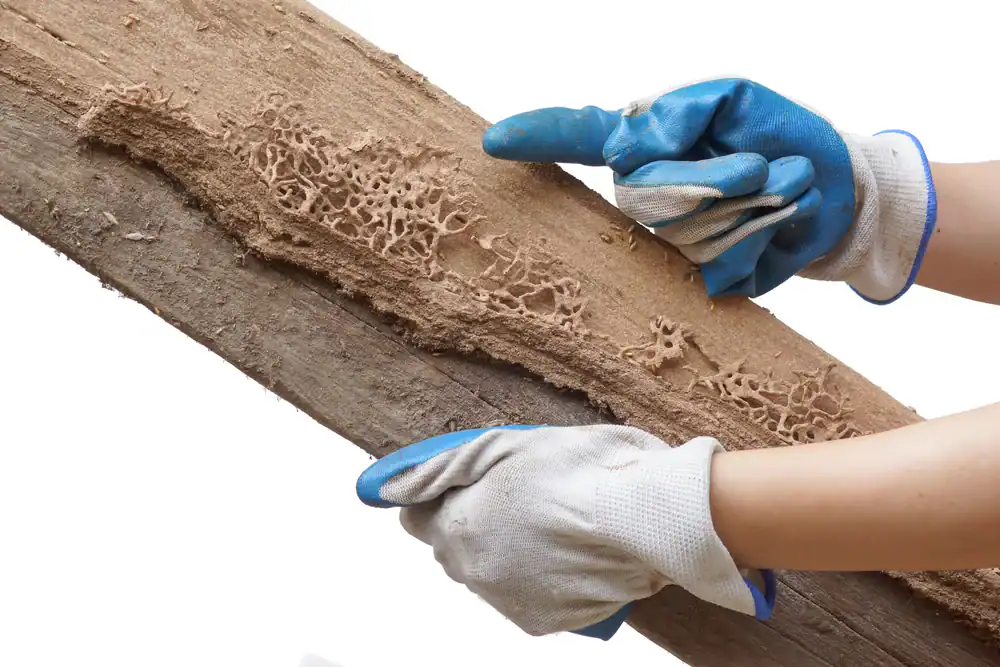
Mud tubes running up your foundation or along walls are the most obvious sign—subterranean termites build these to travel between soil and wood. You might also see discarded wings near windows or doors after a swarm, hollow-sounding wood when you tap it, or small pinholes in drywall. Sagging floors, tight-fitting doors, or buckling wood are later-stage signs that damage is already significant.
Drywood termites leave behind frass, which looks like tiny wood-colored pellets near infested areas. You’ll often find these piles below damaged wood or near kick-out holes termites create. Formosan termites, which are more aggressive, can cause visible damage faster and often create carton nests inside walls that look like hardened mud.
The problem is that most termite damage happens where you can’t see it—inside walls, under floors, in crawl spaces. By the time you notice sagging or buckling, termites have been feeding for years. That’s why regular inspections matter in Garden Grove. The warm, humid climate here keeps termites active constantly, and they only need a crack 1/32nd of an inch wide to get inside. You’re not going to spot that on your own.
Annual inspections are the standard recommendation for Garden Grove homeowners, and that’s not us trying to upsell you—it’s based on Florida’s termite activity levels. With 13 subterranean termite colonies per acre and year-round warm weather, your property is under constant threat. Termites can establish a colony and cause serious damage within a single year if conditions are right.
If you’ve had termite activity before, or if your home has risk factors like wood-to-ground contact, moisture issues, or mulch beds against the foundation, you might want inspections twice a year. New homeowners should get an inspection immediately, even if the previous owner says there’s no problem. Termites can hide in places a casual walkthrough won’t reveal.
Real estate transactions require WDO inspections in Florida, but you shouldn’t wait until you’re buying or selling to check for termites. By then, you’re either negotiating repairs as a seller or inheriting someone else’s problem as a buyer. Regular inspections catch activity early, when treatment is simpler and cheaper. You’re protecting your investment, not just checking a box.
No. Standard homeowner’s insurance policies specifically exclude termite damage because insurers classify it as preventable maintenance, not a sudden, unexpected event. That means every dollar spent repairing termite damage comes directly from your pocket—no claims, no coverage, no help from your insurance company.
This catches a lot of Garden Grove homeowners off guard, especially if they’ve never dealt with termites before. You might assume that if your home is damaged, your insurance will cover it. But termites fall into the same category as routine maintenance issues. Insurance companies expect you to prevent termite problems through regular inspections and treatments, just like you’d prevent roof leaks by maintaining your shingles.
The financial risk is significant. Florida homeowners collectively spend over $500 million annually on termite damage repairs, and none of that is reimbursed by insurance. That’s why professional termite protection Florida residents invest in isn’t optional—it’s the only way to avoid paying thousands out of pocket when termites inevitably target your property. Prevention costs a fraction of repairs, and it’s the only expense you can control.
A termite inspection focuses specifically on finding termites and termite damage. A WDO inspection—Wood Destroying Organism inspection—is broader and required for most real estate transactions in Florida. WDO inspections check for termites, carpenter ants, wood-boring beetles, and any other pests that damage wood structures. It’s a more comprehensive report that buyers, sellers, and lenders use to assess a property’s condition.
If you’re buying a home in Garden Grove, your lender will likely require a WDO inspection before approving your mortgage. If you’re selling, having a recent WDO report ready can speed up the transaction and show buyers you’ve maintained the property. The inspection covers visible and accessible areas—foundation, attic, crawl spaces, exterior wood—and results in a formal report that meets Florida Department of Agriculture standards.
Even if you’re not in a real estate transaction, a WDO inspection gives you a complete picture of any wood-destroying pest risks on your property. It’s more thorough than a basic termite check, and it’s especially useful if you’re seeing damage but aren’t sure what’s causing it. We provide both types of inspections, and we’ll walk you through what we find in plain language—no confusing jargon, just clear answers about what’s happening and what you should do about it.
Most professional termite treatments last between five and ten years, depending on the product used, soil conditions, and how much rain we get. Florida’s heavy rainfall and humid climate can break down termiticides faster than in drier states, which is why annual inspections matter even after treatment. You’re not retreating the entire property every year, but you are checking to make sure the barrier is still effective and no new colonies have found a way in.
Liquid termiticides create a treated zone in the soil around your foundation that kills termites on contact or when they try to tunnel through. Over time, rain can dilute the treatment or shift it deeper into the soil, reducing effectiveness. Bait systems and wood treatments have different lifespans, but all termite protection requires monitoring to stay ahead of new activity.
Garden Grove’s year-round termite activity means you can’t treat once and forget about it. Termites don’t stop trying to get into your home just because you treated it five years ago. An annual termite protection plan keeps your property covered, catches any gaps in protection before termites exploit them, and gives you documentation that you’ve maintained termite prevention—which matters if you ever sell your home. You’re not paying for unnecessary treatments. You’re making sure the initial investment actually protects your home long-term.
Other Services we provide in Garden Grove