
Fast, reliable pest control from Hernando County’s most trusted family-owned team—with most quotes given over the phone.
Contact Info
Fast, reliable pest control from Hernando County’s most trusted family-owned team—with most quotes given over the phone.
Contact Info
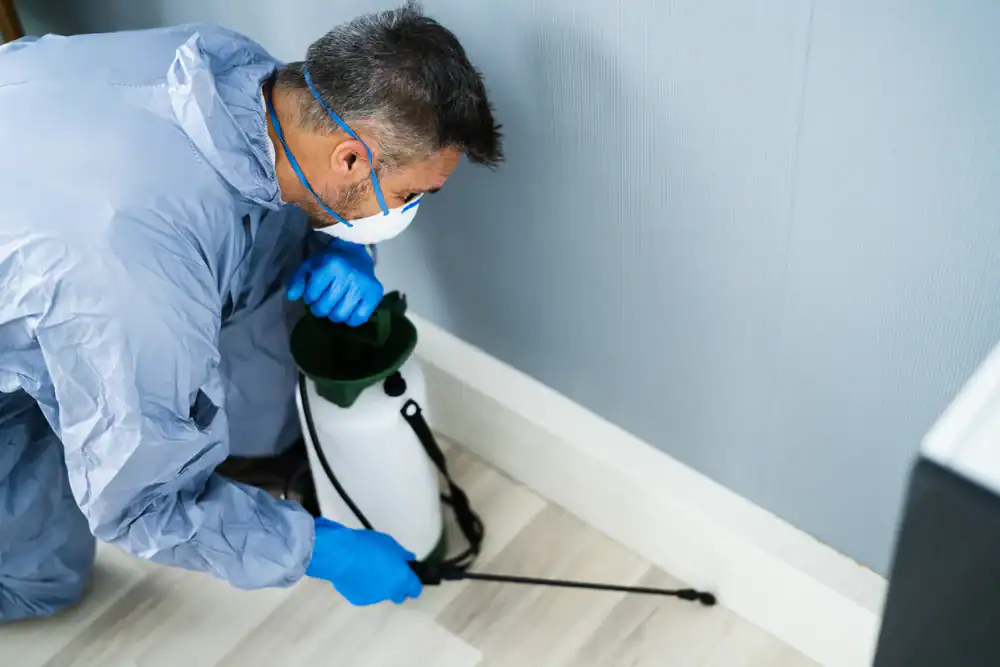
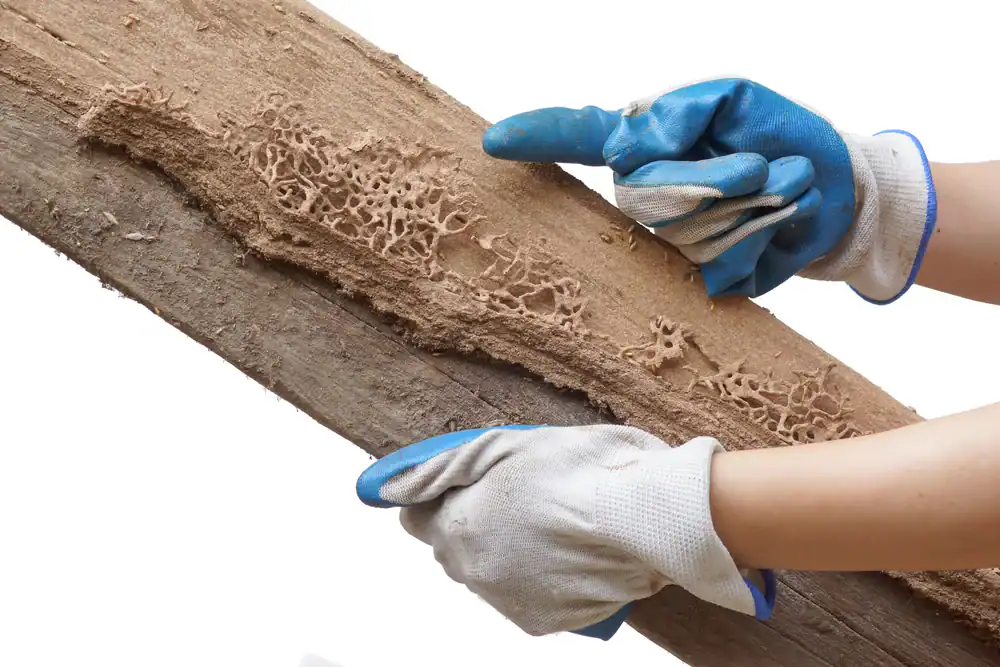
You’re not dealing with termites because you see them. You’re dealing with them because Florida has 13 subterranean termite colonies per acre, and your home sits right in the middle of it.
Here’s what changes when you have an annual termite protection plan in place: you catch activity before walls get hollowed out. You avoid the shock of discovering damage during a sale. You keep your property value intact instead of watching it drop 20% because of termite history.
Most importantly, you stop wondering. No more checking baseboards or worrying about that soft spot in the floor. Just regular inspections, proven treatments, and someone who knows what to look for before it becomes your problem.
Around The Clock Pest Service has been protecting homes in North Weeki Wachee, FL for over 14 years. George and Mary run the business, answer the phones, and handle your account personally.
You’re not getting a call center or a different technician every visit. You’re working directly with state-certified professionals who know Hernando County’s termite pressure, understand how Florida’s climate accelerates damage, and respond within 24 hours—even on weekends.
Over 100 five-star Google reviews back that up. So does the fact that we’ll give you a quote over the phone, show up when we say we will, and explain what’s happening in plain terms.
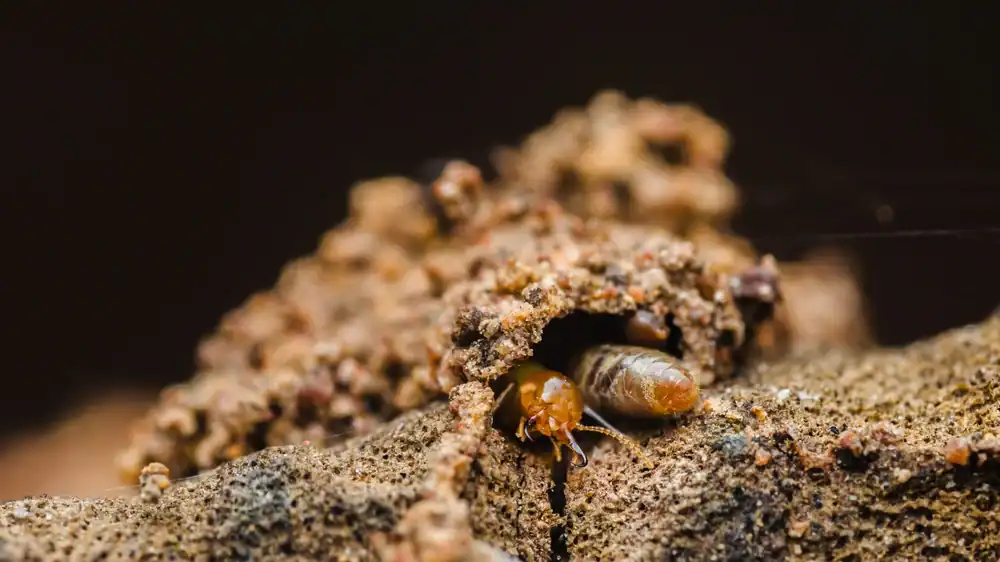
It starts with a thorough inspection. We check the foundation, crawl spaces, attic, and anywhere termites typically enter—which in Florida means cracks as small as 1/32nd of an inch. We’re looking for mud tubes, damaged wood, moisture issues, and active colonies.
If we find termites, we treat them with proven methods that target the colony, not just the visible damage. That includes liquid treatments for subterranean termites and localized applications for drywood species. We don’t guess—we use what works for the specific termite type you’re dealing with.
After treatment, we set up ongoing monitoring. That means regular inspections to catch new activity early and adjustments if your home’s conditions change. You get documentation of every visit, clear communication about what we’re seeing, and direct access to us if something comes up between appointments.

Ready to get started?
Your annual termite protection plan covers comprehensive inspections, treatment for active infestations, and preventive measures to keep colonies from establishing. We’re checking your property at intervals that match Florida’s year-round termite activity—not just when it’s convenient.
In North Weeki Wachee, FL, that matters. Florida has 20 established termite species, including six invasive varieties that cause major structural damage. The climate here lets termites consume wood up to seven times faster than in cooler regions, and they don’t take winters off.
We also provide WDO inspections for real estate transactions, military and new homeowner discounts, and same-day service for urgent situations. You get transparent pricing upfront, no hidden fees, and the kind of honest communication that comes from a family business that’s been here for years and plans to stay.
Annual termite prevention typically costs a few hundred dollars depending on your home’s size and treatment needs. Termite damage repair in Florida averages $8,000 to $12,000 per incident—and that’s if you catch it relatively early.
Here’s the part most people don’t think about: homeowner’s insurance doesn’t cover termite damage. Policies consider it preventable, which means you’re paying out of pocket for repairs, possible structural work, and the hit your property value takes if the home has termite history.
Prevention costs a fraction of that. You’re paying for regular inspections that catch colonies before they hollow out studs, treatments that stop active feeding, and monitoring that keeps new infestations from taking hold. It’s not an expense—it’s protection for what’s likely your largest investment.
Most people don’t see termites until there’s already significant damage. They eat wood from the inside out, so by the time you notice soft spots, sagging floors, or hollow-sounding walls, they’ve been feeding for years.
Earlier signs include mud tubes on your foundation (subterranean termites build these to travel), discarded wings near windows or doors (swarmers shed these after mating), and small piles of what looks like sawdust near wood (that’s frass from drywood termites). You might also see bubbling paint, tight-fitting doors, or cracks in drywall that seem to appear without reason.
If you’re seeing any of these, you need an inspection now. But here’s the thing: in Florida, you can have active termites without seeing any signs at all. That’s why regular inspections matter. We catch activity before it becomes visible damage.
Annual inspections are the standard recommendation, but Florida’s termite pressure sometimes calls for more frequent monitoring. If your home has had previous termite activity, sits near wooded areas, or has moisture issues, you might need inspections every six months.
Florida’s climate keeps termites active year-round. There’s no off-season where colonies slow down or stop feeding. That means the window between “no termites” and “significant damage” is shorter here than in most other states.
An annual termite protection plan includes scheduled inspections at the right intervals for your property, plus treatment if we find activity. You’re not waiting until next year’s inspection to address a problem we discover in month three. We handle it immediately and adjust your monitoring schedule if needed.
Subterranean termites live in the soil and build mud tubes to reach wood above ground. They need moisture, so they’re often found near foundations, crawl spaces, and anywhere water accumulates. These are the most common termites in North Weeki Wachee, FL, and they cause the majority of structural damage.
Drywood termites don’t need soil contact. They infest dry wood directly—attic framing, furniture, even door frames. They’re harder to detect because they don’t build mud tubes, and their colonies are smaller. But they still cause serious damage over time.
Treatment differs for each type. Subterranean termites respond to liquid soil treatments and bait systems that target the colony. Drywood termites need localized treatments or fumigation depending on how widespread the infestation is. That’s why accurate identification matters—you can’t treat them the same way and expect results.
Yes, we offer same-day service for urgent situations, and most inspection requests get scheduled within 24 hours. If you’re seeing swarmers, found mud tubes, or discovered damage, we understand that waiting a week isn’t an option.
George and Mary answer calls directly, even on weekends. You’re not leaving a message and hoping someone gets back to you. You’re talking to the people who will actually come to your home, and we’ll tell you right then when we can be there.
For real estate transactions that need WDO inspections on a tight timeline, we work with your schedule. We’ve done inspections at 8:37 PM because that’s when the client called and needed help. That’s what around-the-clock availability actually means.
Modern termite treatments are far less invasive than they used to be. Liquid treatments require small trenches around the foundation, but we restore landscaping afterward. Bait systems use discreet stations that don’t disrupt your yard. And localized treatments for drywood termites target specific areas without affecting the rest of your home.
You typically don’t need to leave during treatment unless we’re doing whole-structure fumigation, which is rare and only necessary for severe drywood infestations. Most treatments let you stay home, and we’ll walk you through what to expect before we start.
We’re also careful about pets, plants, and anything else you’re concerned about. This is your home. We treat it that way, explain what we’re doing, and make sure you’re comfortable with the process before we begin.
Other Services we provide in North Weeki Wachee