
Fast, reliable pest control from Hernando County’s most trusted family-owned team—with most quotes given over the phone.
Contact Info
Fast, reliable pest control from Hernando County’s most trusted family-owned team—with most quotes given over the phone.
Contact Info
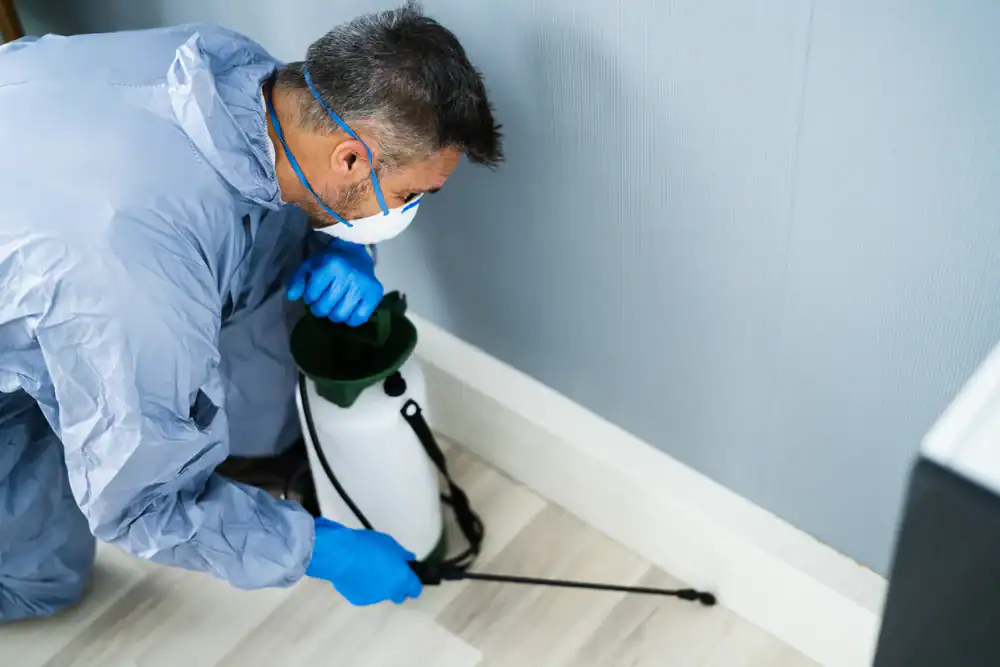
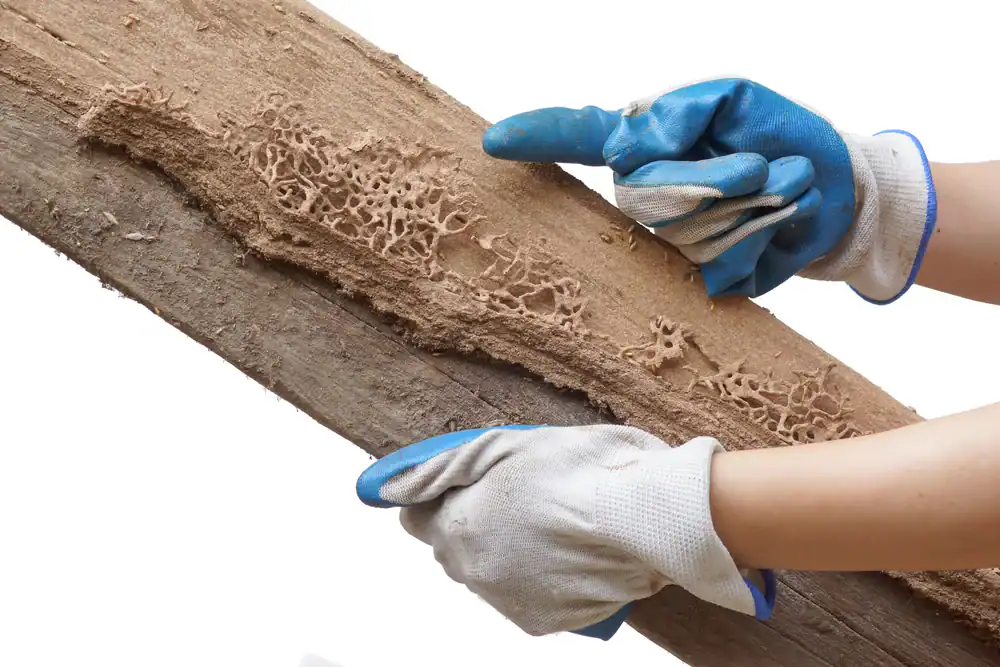
You’re not dealing with termites because you see them. You’re dealing with them because Florida’s climate means they’re already here—13 colonies per acre in our area, all looking for wood to feed on. Your home just happens to be made of it.
Termite prevention in Port Lonesome, FL means creating a barrier they can’t cross and catching early signs before they turn into expensive repairs. The average termite damage bill in Florida runs between $8,000 and $12,000. Severe cases go past $20,000. Your homeowner’s insurance won’t cover a dollar of it.
Protection means annual inspections that catch activity when it’s still manageable. It means treatment plans designed for both subterranean and drywood termites—the two species most active in Hernando County. It means you’re not gambling with the biggest investment you’ll ever make.
When you call, you’re talking directly to the owner. You’ll get a quote over the phone most of the time. If we need to come out, we’re there within 24 hours—even on weekends.
Around The Clock Pest Service is a family-run operation serving Port Lonesome, FL and the surrounding Hernando County area. When you call, the owner picks up. When you need a follow-up, you’re talking to the same person who did your inspection.
We’re state-certified for termite inspections and WDO reports, which matters when you’re buying, selling, or refinancing a home. We’ve built our reputation on over 100 five-star Google reviews—not because we oversell, but because we show up, do the work right, and answer the phone when you call back.
Port Lonesome sits in sandy soil with high humidity. That’s ideal for subterranean termites, which need moisture and easy access to wood. We know what to look for in this area because we’ve been doing it here for years, not just reading about it online.
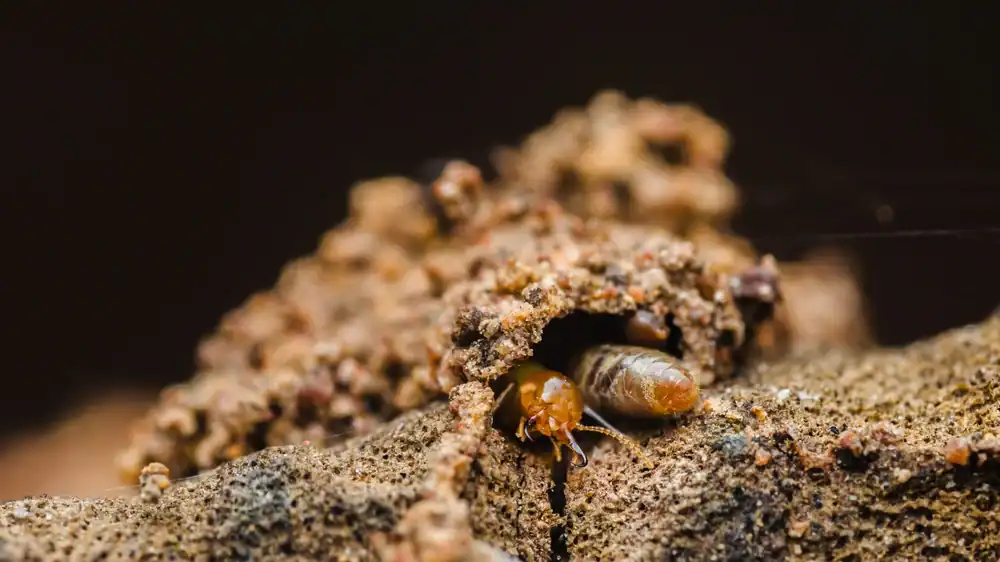
First, we inspect your property—inside and out. That means crawl spaces, attics, exterior foundation, anywhere termites typically enter or nest. We’re looking for mud tubes, damaged wood, discarded wings, and moisture issues that attract subterranean termites.
If we find activity, we’ll explain exactly what’s happening and what it’ll take to treat it. If we don’t find anything, we’ll recommend a prevention plan based on your property and risk level. Most homes in Port Lonesome, FL benefit from an annual termite protection plan, especially if you’re near wooded areas or have had previous termite issues.
Treatment depends on the type of termite. Subterranean termites usually require liquid treatments or bait systems around your foundation. Drywood termites may need localized treatment or fumigation if the infestation is widespread. We’ll walk you through the options and let you decide what makes sense.
After treatment, we schedule follow-ups to make sure the problem’s gone and stays gone. You’ll get documentation for your records, which is especially important if you’re selling your home or need a WDO inspection for a mortgage lender.

Ready to get started?
You’re getting a full property inspection by a state-certified technician who knows how termites behave in Port Lonesome, FL. That includes checking your foundation, crawl spaces, attic, and any wood-to-ground contact points where termites typically enter.
If we find termites, you’ll get a detailed treatment plan that addresses the specific species we’re dealing with. Subterranean termites are the most common in Hernando County, but drywood termites show up too—especially in older homes. Each one requires a different approach, and we’ll explain why.
Annual termite protection plans include regular inspections and retreatment if termites come back. Florida’s warm climate means termites don’t hibernate—they’re active year-round, feeding on wood seven times faster than they would in cooler states. One inspection isn’t enough if you want real protection.
We also handle WDO inspections for real estate transactions. If you’re buying or selling a home in Port Lonesome, FL, most lenders require a Wood Destroying Organism report before closing. We’re licensed to provide that documentation, and we’ll turn it around quickly so your timeline doesn’t get delayed.
Military families and new homeowners get discounts. If that’s you, mention it when you call.
Most termite inspections in Port Lonesome, FL run between $75 and $150 depending on the size of your property and how accessible everything is. If you’re getting a WDO inspection for a real estate transaction, expect to pay in that same range.
Treatment costs vary based on what we find. A localized drywood termite treatment might cost a few hundred dollars. A full subterranean termite treatment with liquid barrier or bait stations typically runs between $800 and $2,500 depending on your home’s square footage and the severity of the infestation.
Annual termite protection plans usually cost between $300 and $600 per year. That includes regular inspections and retreatment if termites show up again. When you compare that to the $8,000-$12,000 average repair bill for termite damage in Florida, prevention is a lot cheaper than waiting.
We’ll give you a quote over the phone most of the time. If we need to see the property first, we’ll come out and give you a written estimate before any work starts.
Once a year at minimum. Florida’s climate keeps termites active all year, and they can be feeding on your home for three to five years before you notice any visible damage. By the time you see mud tubes or sagging floors, the damage is already done.
If you live near wooded areas, have had termites before, or your home has wood-to-ground contact, you might want inspections every six months. Homes in Port Lonesome, FL with crawl spaces or pier-and-beam foundations are especially vulnerable because termites can access wood without being seen.
If you’re buying or selling a home, you’ll need a WDO inspection regardless of when your last termite check was. Lenders require it, and it protects both the buyer and seller from surprises after closing.
Annual inspections catch problems early, which means smaller treatment areas and lower costs. Skipping inspections doesn’t save you money—it just delays the bill until the damage is worse.
Subterranean termites live in the soil and build mud tubes to travel between their colony and your home. They need moisture to survive, so they’re usually found near foundations, crawl spaces, and anywhere wood touches the ground. These are the most common termites in Hernando County, and they cause the most damage because their colonies can have millions of members.
Drywood termites don’t need soil or moisture. They live entirely inside the wood they’re eating, which makes them harder to detect. You’ll usually find them in attics, window frames, and furniture. They leave behind small piles of pellets that look like sawdust—that’s often the first sign you’ve got them.
Both species are active in Port Lonesome, FL, and both require different treatments. Subterranean termites usually need liquid treatments or bait systems around your foundation. Drywood termites might need localized treatments, fumigation, or heat treatment depending on how widespread the infestation is.
If you’re not sure which one you’re dealing with, that’s what the inspection is for. We’ll identify the species and recommend the right treatment.
No. Termite damage is considered preventable, so homeowner’s insurance policies in Florida don’t cover it. That includes structural repairs, wood replacement, and any secondary damage caused by termites weakening your home’s framing.
This is why termite prevention in Port Lonesome, FL is so important. You’re paying out of pocket for repairs if termites get in, and those bills add up fast. The average repair cost in Florida is $8,000 to $12,000, and severe cases can exceed $20,000.
Some pest control companies offer termite damage warranties if you’re on an annual protection plan. That means if termites cause damage while you’re covered, the company pays for repairs up to a certain amount. Not every company offers this, and the terms vary, so ask before you sign up.
The best approach is prevention. Regular inspections and treatment cost a fraction of what repairs do, and they keep your home off the menu for the 13 termite colonies per acre that are active in our area.
Liquid termite treatments typically last five to ten years depending on the product used and soil conditions around your home. Bait systems require monitoring and replenishment, usually every few months, but they stay effective as long as they’re maintained.
Drywood termite treatments vary. Localized treatments might last several years if the infestation was caught early. Fumigation kills all active termites at the time of treatment, but it doesn’t prevent new ones from moving in later—that’s why follow-up inspections matter.
Florida’s sandy soil and high moisture levels can affect how long treatments last. Heavy rain can dilute liquid barriers, and termites can find new entry points if your home’s conditions change. That’s why annual inspections are standard in Port Lonesome, FL—you’re making sure the treatment is still working and catching any new activity before it becomes a problem.
If you’re on an annual termite protection plan, retreatment is usually included if termites show up again. That gives you ongoing coverage instead of a one-time fix.
State certification matters. Florida requires pest control companies to be licensed by the Department of Agriculture and Consumer Services, and termite work requires additional certification. If a company can’t show you their license, don’t hire them.
Ask how they handle inspections. A real inspection means crawl spaces, attics, and exterior foundation checks—not just a walk around your yard. You want someone who’s looking for mud tubes, damaged wood, moisture problems, and termite droppings, not just taking your money and leaving.
Find out if they answer their own phone. If you’re calling a call center, you’re not getting personal service. If you’re talking to the owner or a technician who’ll actually do the work, that’s a better sign.
Check reviews, but read them. A hundred five-star reviews mean something. A handful of reviews or a bunch of generic comments don’t tell you much. Look for details about how the company handled problems, communicated, and followed up.
We’re family-run, state-certified, and available 24/7—even weekends. When you call, you’re talking to the owner. When you need a follow-up, you’re not getting transferred.
Other Services we provide in Port Lonesome