
Fast, reliable pest control from Hernando County’s most trusted family-owned team—with most quotes given over the phone.
Contact Info
Fast, reliable pest control from Hernando County’s most trusted family-owned team—with most quotes given over the phone.
Contact Info
Families across Florida are rethinking pest control. Targeted, eco-friendly treatments eliminate pests effectively while keeping children, pets, and the environment safe.
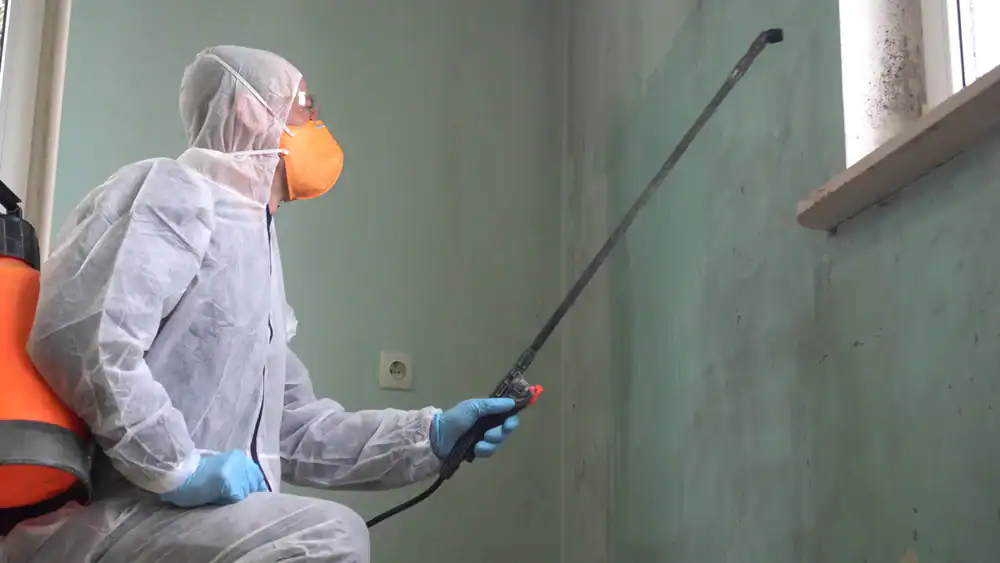
You’ve probably noticed it. More neighbors asking about “green” pest control. More questions about what’s actually being sprayed around the house. More families with young kids or pets wondering if there’s a better way to handle Florida’s relentless ants, roaches, and termites without turning their home into a chemical zone.
There is. And it’s not just about feeling better—it’s about results that last, treatments that target the actual problem, and protecting what matters most while still keeping pests out. Let’s talk about why targeted, eco-friendly pest control is becoming the standard for families who want both safety and effectiveness.
Eco-friendly pest control isn’t just a marketing term anymore. It’s a complete shift in how pest management works, and the numbers back it up—the pest control industry is moving toward sustainable solutions as consumer demand grows and regulations tighten around chemical use.
Instead of blanketing your property with broad-spectrum chemicals, modern eco-conscious approaches use Integrated Pest Management. That means identifying the specific pest, understanding why it’s there, and using the least invasive method that actually solves the problem. Sometimes that’s sealing entry points. Sometimes it’s removing what attracts pests in the first place. And when treatment is needed, it’s targeted—not sprayed everywhere “just in case.”
The difference is real. You’re not exposing your family to unnecessary chemicals. You’re not harming beneficial insects that actually help your yard. And you’re getting longer-lasting results because the root cause gets addressed, not just the symptoms.
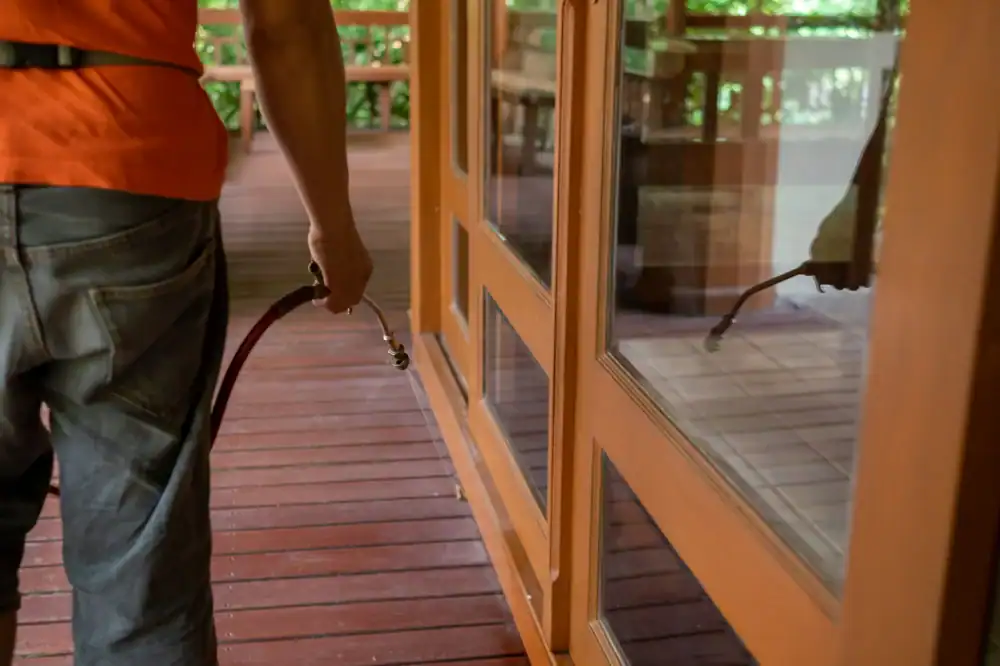
Traditional pest control often follows a simple pattern. An exterminator sprays the perimeter every few months. Hopes it works. Repeats when pests come back. It’s reactive, repetitive, and often relies on the same approach regardless of what pest you’re actually dealing with.
Targeted treatments work differently. A trained technician inspects your property first—looking for entry points, moisture issues, food sources, and signs of actual pest activity. They’re not guessing. They’re identifying the specific pest species, where it’s coming from, and what’s keeping it around.
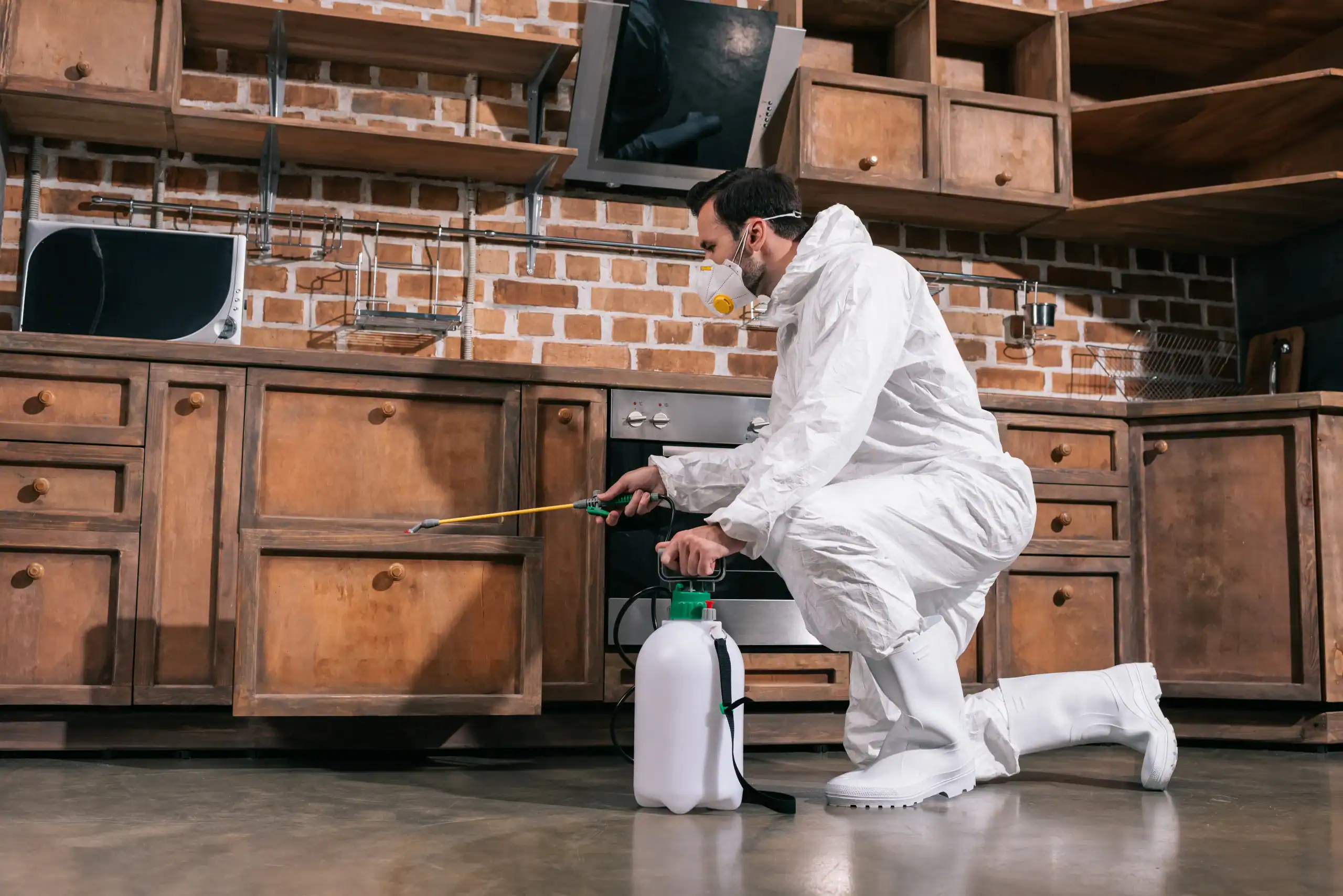
From there, treatment gets applied only where it’s needed. That might mean treating cracks where ants are entering, applying bait stations in areas with roach activity, or addressing the conditions that attract rodents in the first place. Precision application technologies can reduce treatment quantities by up to 90% compared to traditional broadcast spraying, which means less chemical exposure for your family and better results where it counts.
Here’s why that matters for you. Less chemical exposure inside your home. Treatments that don’t affect pets or kids playing in the yard. Fewer repeat visits because the problem actually gets solved instead of temporarily masked. And in Florida, where pests don’t take a break, that kind of effectiveness makes a real difference.
This approach also protects beneficial insects. Pollinators like bees and butterflies, natural predators that keep other pest populations in check—they don’t get wiped out by blanket treatments. Your yard stays balanced. Your home stays protected. It’s not a trade-off; it’s smarter pest control.
You’re seeing this shift happen in real time across Spring Hill, Brooksville, and surrounding areas in Pasco County, FL and Hernando County, FL. Families are asking harder questions before signing pest control contracts, and they’re not settling for vague answers.
Part of it is awareness. Parents want to know what’s being sprayed where their kids play. Pet owners don’t want their dogs walking through treated areas and then licking their paws. People with respiratory sensitivities are tired of dealing with lingering chemical odors after service visits. Indoor air quality matters, and traditional pest control methods can leave residues that affect it for days.
But it’s also about trust and accountability. Homeowners in Hernando County, FL and Pasco County, FL are done with companies that show up unannounced, spray without explanation, and disappear until the next billing cycle. They’re tired of missed appointments, impersonal service from large corporate providers, and technicians who treat every home exactly the same. They want transparency. They want to understand what’s being used, why it’s being used, and what results to expect.
Eco-friendly pest control delivers on that. When we use targeted treatments and Integrated Pest Management, we take the time to explain the process. You know what pest you’re dealing with. You know what’s being applied and where. You know what to expect in terms of timeline and results. There’s no mystery, no guesswork, and no wondering if you’re being sold something you don’t actually need.
Florida’s climate makes this even more important. Termites stay active year-round here—unlike colder regions where activity slows in winter. Ants don’t slow down. Roaches thrive in humidity. The warm, moist conditions create ideal breeding grounds for pests that would be seasonal problems elsewhere. You need pest control that works consistently without turning your home into a place you’d rather not be. Families are realizing that eco-friendly doesn’t mean less effective—it often means more effective because it’s smarter, not just stronger.
And there’s another factor that doesn’t get talked about enough: long-term cost. When pest control focuses on prevention and addresses root causes, you’re not paying for emergency treatments every few months. You’re not stuck in a cycle of temporary fixes. You’re investing in a solution that actually lasts, which saves money and reduces the frustration of dealing with the same pest problems over and over.
Want live answers?
Connect with a Around The Clock Pest Service expert for fast, friendly support.
Integrated Pest Management—IPM for short—is the foundation of modern eco-friendly pest control. It’s not one single treatment or product. It’s a strategy that combines prevention, monitoring, and targeted intervention to manage pests with the least possible risk to people, property, and the environment.
IPM starts with monitoring and identification. What pest are you dealing with? Where is it coming from? What’s attracting it? Once those questions get answered, the approach combines prevention, habitat modification, and targeted treatment only when necessary. It’s environmentally sensitive, economically sound, and proven to work.
The goal isn’t to eliminate every insect on your property. That’s impossible and counterproductive. The goal is to keep pest populations low enough that they’re not causing damage, health risks, or stress—while protecting your family and the environment in the process.

IPM isn’t complicated, but it is thorough. It’s a decision-making process, not a one-size-fits-all spray schedule. Here’s how it works in practice for homeowners in Pasco County, FL and Hernando County, FL.
First, inspection and monitoring. A qualified exterminator examines your property for signs of pest activity—droppings, damage, entry points, nests, moisture problems. They identify the species and assess the severity. Not every pest sighting means you have an infestation. IPM helps determine when action is actually needed and sets action thresholds based on the specific pest and situation. One ant in the kitchen isn’t a crisis. A trail of carpenter ants near structural wood is.
Second, prevention. This is where most traditional pest control falls short, but it’s the most effective and least expensive part of IPM. The focus is on eliminating conditions that attract pests before they become a problem. Sealing cracks and gaps around foundations, windows, and doors. Fixing leaks that create moisture termites and roaches love. Removing debris that provides shelter for rodents. Storing food properly so ants and pantry pests don’t have easy access. Keeping vegetation trimmed away from the house so it doesn’t create pest highways. These steps make your home less appealing to pests before chemicals ever come into play.
Third, targeted intervention. If prevention isn’t enough and pest populations cross the action threshold, treatment gets applied—but only where it’s needed and only using the least-risk option that will be effective. That might mean bait stations for ants that target the colony without spraying baseboards. Exclusion methods for rodents that seal entry points and use mechanical traps instead of poisons. Localized applications for roaches in specific problem areas rather than whole-house fumigation. The treatment matches the pest, the situation, and the level of risk you’re comfortable with.
Fourth, evaluation and follow-up. IPM is ongoing, not a one-and-done service. After treatment, we monitor results and adjust as needed. If pests return, the approach gets refined to figure out what was missed. If conditions change—like seasonal shifts in pest activity or new construction in your neighborhood—the strategy adapts. It’s a cycle of continuous improvement rather than repeating the same treatment indefinitely.
This is why IPM works so well in Florida. Our pest pressure is constant, but it’s not random. Different pests are active at different times. Different conditions attract different species. Termite swarms happen in spring. Ant activity spikes after rain. Roaches move indoors when it gets too hot outside. IPM accounts for that instead of treating every situation the same way and hoping for the best.
Let’s get specific. You’re not dealing with abstract “pests”—you’re dealing with ants trailing across your kitchen counter, termites threatening your home’s structure, or rodents nesting in your attic. Here’s how eco-friendly pest control handles the pests that actually matter to homeowners in Hernando County, FL and Pasco County, FL.
Ant control using eco-friendly methods focuses on bait stations and exclusion rather than perimeter spraying. Instead of coating baseboards with repellent chemicals and hoping ants avoid them, targeted baits get placed where ants are actually traveling. They carry it back to the colony. The colony gets eliminated at the source. Your kitchen stays chemical-free, and you’re not just pushing ants from one area of your house to another.
Termite prevention is absolutely critical in Florida’s climate, and modern treatments have come a long way from the days of drenching foundations with gallons of pesticides. Liquid termiticides create protective barriers around your foundation, but they’re applied precisely using injection systems—not dumped indiscriminately. Bait systems monitor termite activity around your property and treat only when termites are detected. Both methods protect your home’s structure without saturating your soil with unnecessary chemicals. Given that Florida’s termites stay active year-round and can cause thousands of dollars in damage before you even notice them, prevention is worth doing right.
Rodent control works best with exclusion and trapping rather than poison. Sealing entry points, removing attractants like pet food and garbage, and using mechanical traps means you’re not relying on rodenticides that could affect pets, wildlife, or even children. It takes more effort up front, but it’s safer and more effective long-term because you’re actually keeping rodents out instead of just killing the ones that make it inside.
Spider control often doesn’t require chemical treatment at all—just removing webs, reducing clutter where spiders hide, and managing other insect populations that spiders feed on. When treatment is needed for venomous species or heavy infestations, targeted applications in specific areas like garages, attics, or crawl spaces work better than whole-house spraying. Most spiders are actually beneficial because they eat other pests, so blanket treatments do more harm than good.
Flea control for homes with pets benefits enormously from eco-friendly approaches. Treating the yard where fleas breed, vacuuming and washing pet bedding frequently, and using targeted indoor treatments in areas where pets rest means you’re not exposing your pets to harsh chemicals while still breaking the flea life cycle. Florida’s warm climate means fleas can be a year-round problem, but IPM strategies address that without requiring monthly chemical treatments inside your home.
Roach control combines sanitation, exclusion, and targeted bait or gel applications. Roaches thrive in Florida’s humidity, but they need food, water, and shelter to survive. Remove those by fixing leaks, sealing cracks, and keeping kitchens clean, then treat the areas where they’re actually active with baits or gels, and you solve the problem without fumigating your entire home or leaving residues on countertops.
The point is this: eco-friendly pest control works for the pests that actually matter to Florida homeowners. It’s not theoretical or wishful thinking. It’s practical, proven, and safer for everyone involved—especially in a state where pest pressure never lets up.
You don’t have to choose between a pest-free home and a safe environment for your family. Targeted, eco-friendly pest control gives you both, and it’s becoming the standard for good reason.
The rise of Integrated Pest Management and eco-conscious treatments reflects what families have been asking for all along—transparency, effectiveness, and safety. You deserve to know what’s being used in your home. You deserve a pest control provider who takes the time to explain the process, answer your questions, and actually solve the problem instead of just masking it until the next service visit.
If you’re in Pasco County, FL or Hernando County, FL and you’re ready for pest control that works with your family’s needs instead of against them, we’re here to help. You’ll work directly with the owner on every service call. You’ll get most quotes over the phone for transparency. You’ll have access to help 24/7, even on weekends, because pest emergencies don’t wait for business hours. And you’ll get service backed by state certifications, over 100 five-star reviews, and a family-run commitment to doing it right the first time.
Summary:
Article details:
Share: