
Fast, reliable pest control from Hernando County’s most trusted family-owned team—with most quotes given over the phone.
Contact Info
Fast, reliable pest control from Hernando County’s most trusted family-owned team—with most quotes given over the phone.
Contact Info
Florida's summer heat doesn't just make you uncomfortable—it creates perfect conditions for ants, roaches, mosquitoes, and termites to multiply fast.
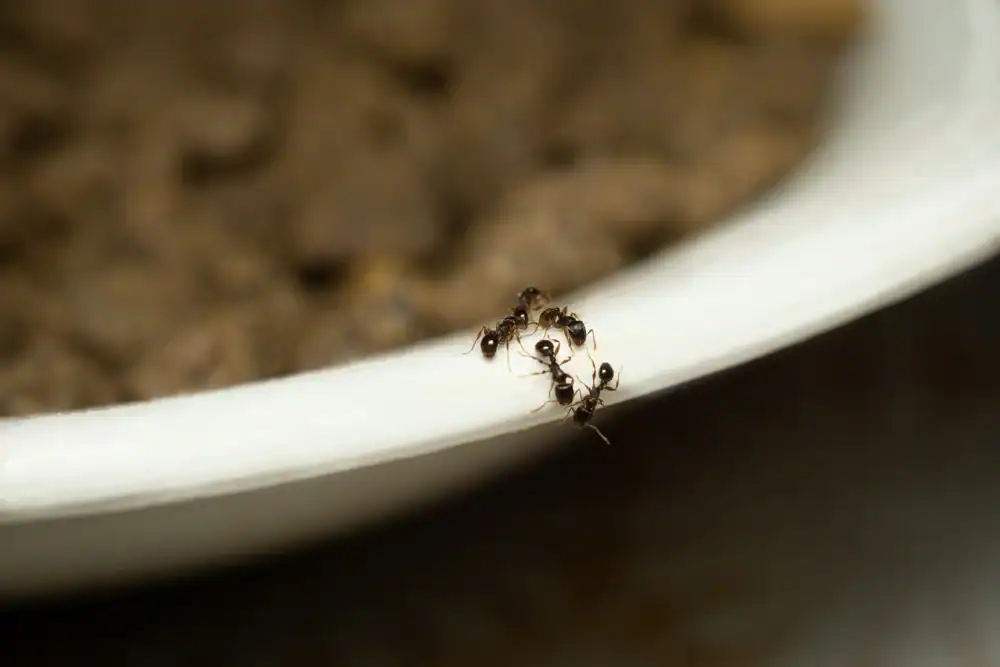
You’ve probably noticed it already. The hotter it gets outside, the more pests you see inside. That’s not a coincidence. Florida’s summer heat and humidity create a perfect storm for pest activity—and it’s not just about comfort anymore. When temperatures climb and afternoon storms roll through Hernando County, pests don’t just survive, they multiply. Fast. This means the ant trail you saw last week could be a full kitchen invasion by next week. The occasional roach becomes a nightly encounter. And those mosquitoes? They’re breeding in places you haven’t even thought to check. Here’s what you need to know about the pests that thrive when Florida’s summer heat peaks.
Summer in Florida isn’t just uncomfortable for you. It’s prime time for pests. The combination of high temperatures, intense humidity, and daily thunderstorms creates conditions where certain pests don’t just survive—they explode in population.
Ants, roaches, mosquitoes, and termites all become significantly more active when the heat hits. Their breeding cycles speed up. Their need for food and water intensifies. And your home, with its cool air and accessible resources, becomes the most attractive target in the neighborhood.
The pests you’re dealing with in June aren’t the same challenge you faced in February. Summer pests are more aggressive, more numerous, and more likely to establish colonies that persist long after temperatures drop.
Heat does something specific to insects. It accelerates their metabolism, which means they need more food and water to survive. When outdoor temperatures in Hernando County push into the 90s and humidity sits at 80%, pests face a choice: find resources or die.
Your home offers both. Air conditioning creates cooler temperatures. Kitchens provide food sources. Bathrooms and leaky pipes supply water. Even small amounts of moisture from summer storms seeping into your foundation can attract pests looking for relief.
But it’s not just about survival. Warmer temperatures also speed up reproductive cycles. A mosquito that might take two weeks to develop in cooler weather can complete its life cycle in just a few days during peak summer heat. Ants that would normally produce one generation per season can produce multiple generations. Roaches breed faster. Termites swarm more frequently.
This means a small pest problem in May can become a serious infestation by July. The window between “manageable” and “professional help needed” gets shorter as temperatures climb. What you’re seeing on your kitchen counter or in your bathroom isn’t just a few random bugs. It’s often the visible tip of a much larger population that’s already established somewhere in your walls, attic, or foundation.
Summer also brings afternoon thunderstorms that flood ant colonies and send them searching for dry ground—usually inside your home. Heavy rains saturate the soil, pushing termites to swarm and establish new colonies. Standing water from poor drainage creates perfect mosquito breeding grounds that can produce hundreds of new mosquitoes every few days.
The pests you’re dealing with in summer aren’t just looking for food. They’re looking for shelter from extreme conditions outside. And once they find it in your home, they’re not leaving voluntarily.
Pests don’t need much space to get inside. A gap the width of a credit card is enough for ants. Roaches can squeeze through openings the size of a dime. And mosquitoes? They’ll find any screen tear or unsealed door frame.
Summer creates new entry points you didn’t have in winter. Your foundation expands and contracts with temperature changes, creating small cracks. Windows and doors you keep closed in winter get opened more frequently, giving pests direct access. Air conditioning condensation can create moisture problems that attract pests to specific areas of your home.
The most common entry points during summer are around windows and doors where weatherstripping has deteriorated. Gaps around utility lines entering your home. Cracks in your foundation where moisture from summer storms has caused settling. Roof vents and soffit areas where heat rises and creates gaps. Even your garage door, which rarely seals perfectly against the concrete.
But entry points are only half the problem. What keeps pests coming back are the attractants inside your home. Crumbs on counters that you might not even see. Pet food left out overnight. Garbage cans that aren’t sealed tight. Leaky faucets creating standing water. Cardboard boxes in storage areas that provide perfect nesting material.
During summer, even small amounts of moisture become major attractants. A slow drip under your kitchen sink. Condensation on pipes in your crawl space. Poor drainage around your foundation that keeps soil damp. These moisture sources draw in pests that then discover all the other resources your home provides.
Outdoor attractants matter too. Mulch piled against your foundation holds moisture and provides shelter for ants and roaches that eventually move inside. Overgrown shrubs touching your house create highways for pests to reach entry points. Bird baths and clogged gutters create mosquito breeding sites. Firewood stacked near your home attracts termites that can then spread to your structure.
The challenge with summer pest activity is that it compounds quickly. One ant finds a food source and leaves a scent trail for thousands more. One mosquito breeding site can produce several generations before you even notice. One termite swarm can establish a colony that feeds silently for months before you see damage.
This is why prevention matters more in summer than any other season. Sealing entry points before pests find them. Eliminating attractants before they draw in the first scout. And recognizing when the problem has already progressed beyond what weekend hardware store solutions can handle.
Want live answers?
Connect with a Around The Clock Pest Service expert for fast, friendly support.
There’s a difference between seeing the occasional bug and having an actual pest problem. One ant doesn’t mean infestation. But a trail of ants that reappears every time you clean? That’s different.
Summer pest activity follows patterns. If you’re seeing pests during the day, you likely have a much larger population active at night. If you’re seeing pests in multiple rooms, they’ve established routes throughout your home. If the same pest keeps returning despite your efforts, you’re treating symptoms instead of the source.
The question isn’t whether you have pests in summer—in Florida, everyone does to some degree. The question is whether your current approach is actually controlling them or just temporarily reducing what you see.

Certain signs tell you that your pest situation has crossed from normal to concerning. Seeing the same type of pest repeatedly in the same location means they’ve found a reliable resource there. Seeing pests during daylight hours often indicates overcrowding in their hiding spots. Seeing multiple types of pests suggests environmental conditions that attract various species.
For ants, watch for trails that persist even after cleaning. If you wipe down a counter and ants reappear within hours following the same path, there’s an established colony nearby with a steady food source. Fire ant mounds in your yard that keep reappearing in the same spots indicate large underground colonies that surface treatments won’t eliminate.
Roaches seen during the day signal a serious infestation. These pests are nocturnal by nature and only venture out in daylight when competition for food and space forces them from hiding. One roach seen at night might be a scout. One roach seen at noon indicates dozens or hundreds hiding in your walls.
Mosquitoes that swarm around specific areas of your yard point to nearby breeding sites. These pests don’t travel far from where they hatch, so consistent mosquito activity in one section of your property means standing water within a few hundred feet. This could be clogged gutters, low spots in your lawn, or even a forgotten bucket holding rainwater.
Termite activity shows up differently. You might see discarded wings near windows or doors after a swarm. Mud tubes running up your foundation or in your crawl space. Wood that sounds hollow when tapped. Small piles of what looks like sawdust near wooden structures. By the time you see these signs, termites have usually been feeding for months.
The pattern that matters most is persistence. DIY methods might reduce what you see temporarily, but if pests return within days or weeks, you’re not addressing the actual problem. You’re just pushing it back temporarily. Professional pest control doesn’t just kill the pests you see. It identifies where they’re coming from, eliminates the source, and prevents new populations from establishing.
Summer accelerates all these patterns. What might take months to develop in cooler weather can happen in weeks when heat and humidity create perfect conditions. This is why early intervention matters. The longer you wait, the more established the infestation becomes, and the more difficult and expensive it is to eliminate completely.
DIY pest control has its place. Ant traps can handle a few scouts. Fly swatters work for the occasional mosquito that gets inside. Bug spray can kill individual roaches you spot.
But there’s a clear line between pest control you can handle yourself and infestations that require professional expertise. That line gets crossed when you’re treating the same problem repeatedly without lasting results. When you’re seeing more pests despite your efforts. When pests appear in new areas of your home. When you can’t identify where they’re coming from or how they’re getting in.
Some pests never belong in the DIY category. Termites cause structural damage that costs thousands to repair. Bed bugs require specialized heat treatments or professional-grade chemicals. Large rodent infestations need exclusion work that most homeowners can’t perform effectively. Stinging insects like wasps or hornets pose safety risks that professionals are trained and equipped to handle.
Even with common pests like ants or roaches, DIY methods often fail because they don’t address the colony or nesting site. You kill the ants you see on your counter, but the colony of thousands in your wall keeps sending more. You spray the roaches in your kitchen, but the population breeding in your crawl space remains untouched.
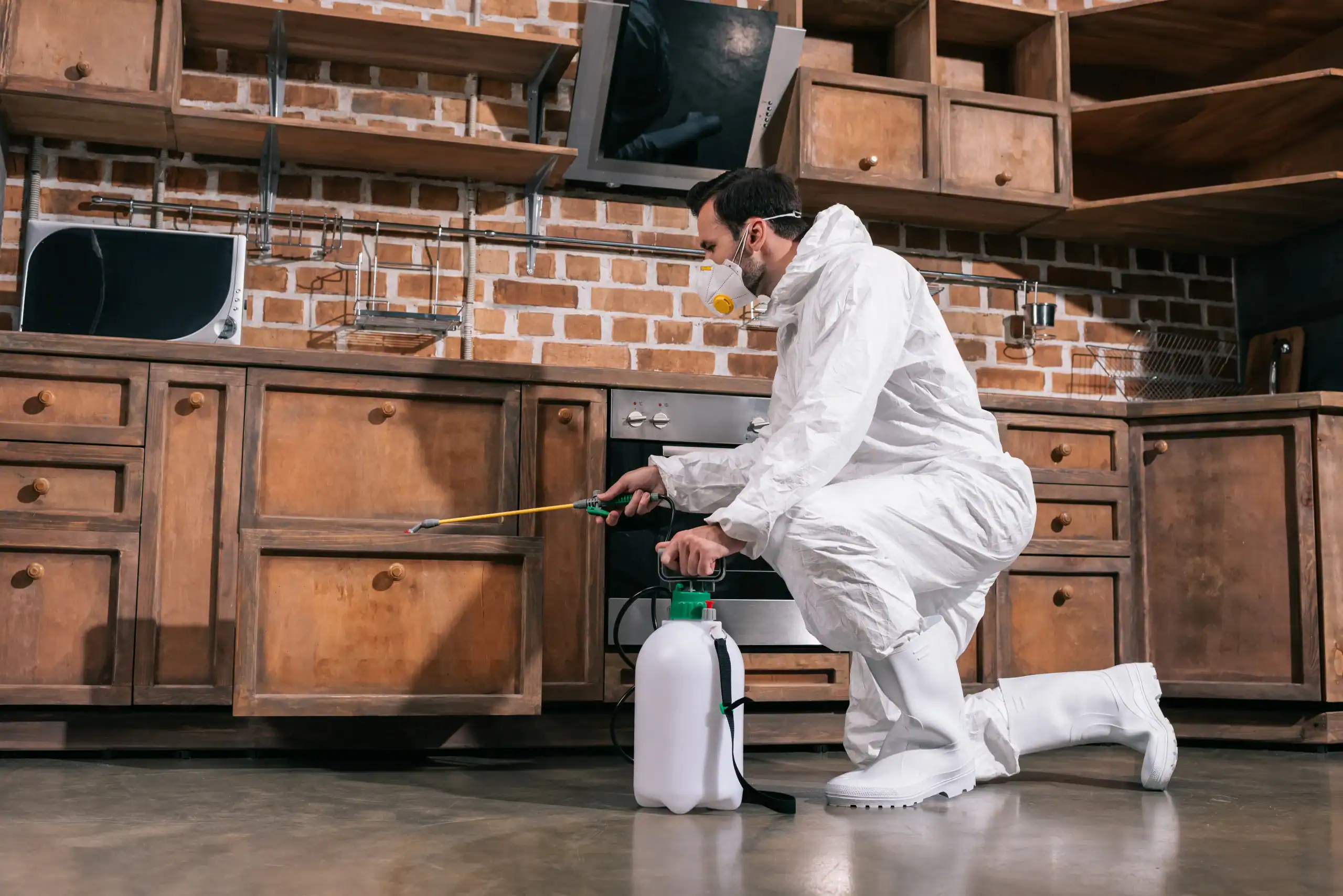
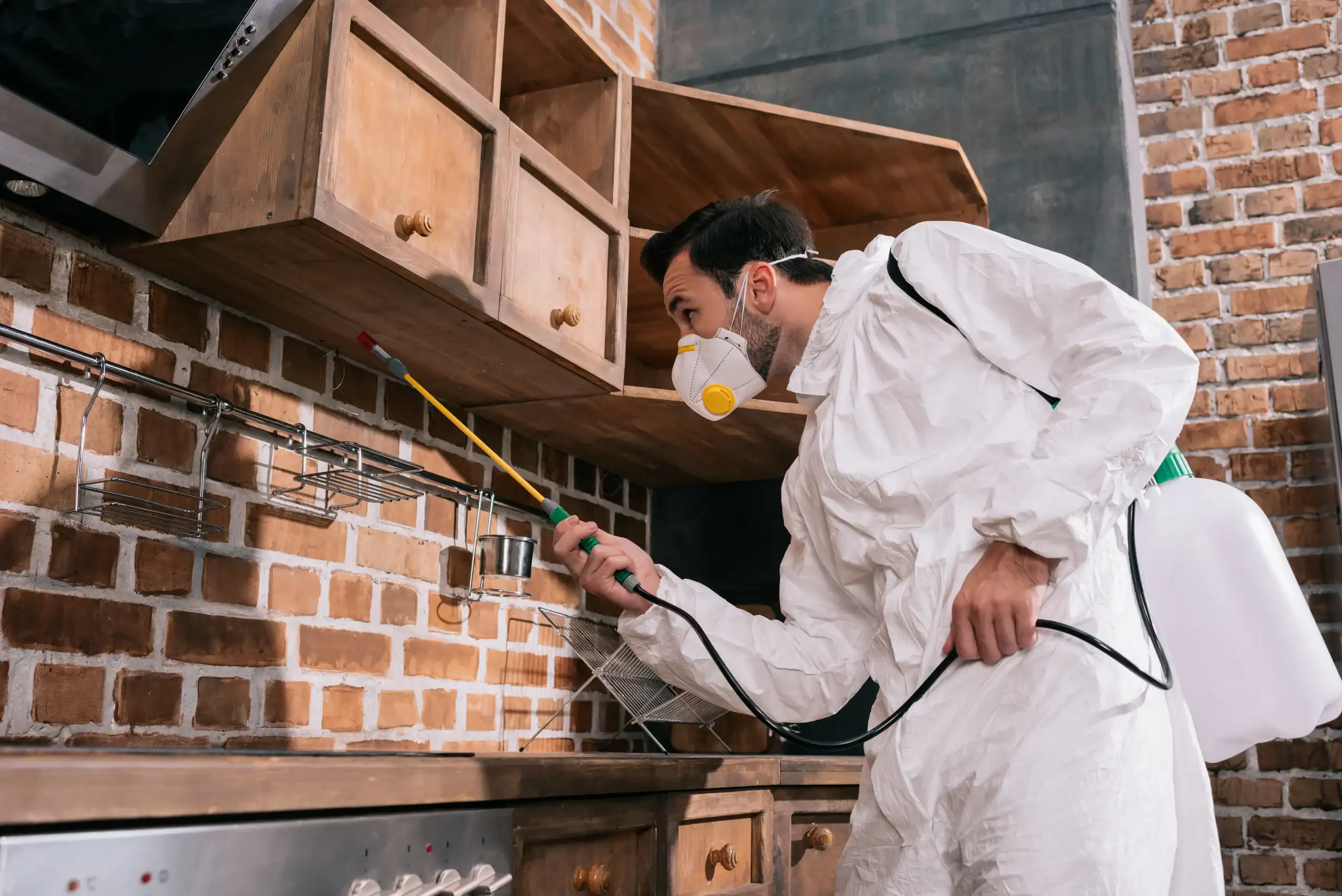
Professional pest control starts with inspection. Technicians identify the specific pest species, locate entry points, find nesting or breeding sites, and assess conditions attracting pests to your property. This information determines the treatment approach. Surface sprays might work for some pests. Others require baiting systems that workers carry back to the colony. Some need exclusion work to seal entry points. Many require all three approaches working together.
The other factor DIY can’t match is professional-grade products. What you buy at hardware stores is heavily diluted compared to what licensed technicians use. These retail products might kill individual pests, but they don’t provide the residual protection or colony elimination that professional treatments deliver. They also don’t come with the expertise to apply them correctly in the right locations.
Timing matters too. The best time to call professionals is before you have a serious infestation. Quarterly prevention treatments cost less than emergency interventions. They stop pest populations before they establish. They identify and address conditions that attract pests before those pests arrive.
But if you’re already dealing with persistent pest activity, the transition point is now. Every day you wait, populations grow. Damage increases. Health risks compound. What might require one treatment today could need multiple treatments next month.
Summer in Hernando County creates conditions where pest problems escalate quickly. The heat, humidity, and rainfall that define our summers also create perfect breeding conditions for the pests that invade homes. When you’re seeing the same pests repeatedly, when DIY methods aren’t providing lasting relief, when you’re not sure what you’re dealing with or where it’s coming from—that’s when professional help stops being optional and starts being necessary.
Florida summers will always bring pest pressure. The heat, humidity, and afternoon storms that define this season also create ideal conditions for ants, roaches, mosquitoes, and termites to thrive. You can’t change the weather, but you can control how pests affect your home.
The key is recognizing when you’re dealing with normal pest presence versus an actual infestation that requires professional intervention. If you’re seeing the same pests repeatedly, if DIY methods aren’t providing lasting results, if you’re not sure where pests are entering or nesting—these are signs that your situation needs more than hardware store solutions.
We understand how Central Florida’s summer conditions drive pest behavior. With 24/7 availability, state-certified technicians, and over 100 five-star reviews from local homeowners, we provide the expertise and responsiveness that summer pest emergencies demand. When pests won’t stay gone, it’s time to work with someone who knows exactly how to eliminate them for good.
Summary:
Article details:
Share: