
Fast, reliable pest control from Hernando County’s most trusted family-owned team—with most quotes given over the phone.
Contact Info
Fast, reliable pest control from Hernando County’s most trusted family-owned team—with most quotes given over the phone.
Contact Info

You’re paying for pest control. Maybe quarterly, maybe monthly. But here’s the question that keeps coming up: is that actually enough? Or are you paying for more than you need?
In Florida, the answer isn’t as simple as “every three months” or “twice a year.” Your home’s location, the pests you’re dealing with, and whether you’re preventing or reacting all play a role. What works for a home in Brooksville might not cut it for a property near standing water in Spring Hill.
Let’s talk about what actually determines how often your home needs service—and how to know if you’re on the right schedule.
Most states get a break. Winter slows things down. Pests go dormant. Florida? Not so much.
The warm, humid climate here means termites, ants, roaches, and rodents stay active all twelve months. There’s no off-season. No natural pause where pest pressure drops and you can coast without treatment.
That’s why the “spray once a year and forget it” approach doesn’t work. By the time you notice activity again, colonies have already re-established. Termites have been quietly feeding. Rodents have found their way back in through gaps you didn’t even know existed.
Humidity and warmth don’t just make pests comfortable—they accelerate reproduction. A roach problem in January looks a lot like a roach problem in July because the conditions never change enough to interrupt their breeding cycle.
Termites are the perfect example. In colder states, termite activity slows during winter. Colonies hunker down. In Florida, they keep working. Subterranean termites build mud tubes year-round. Drywood termites stay active in attics and wall voids without needing soil contact.
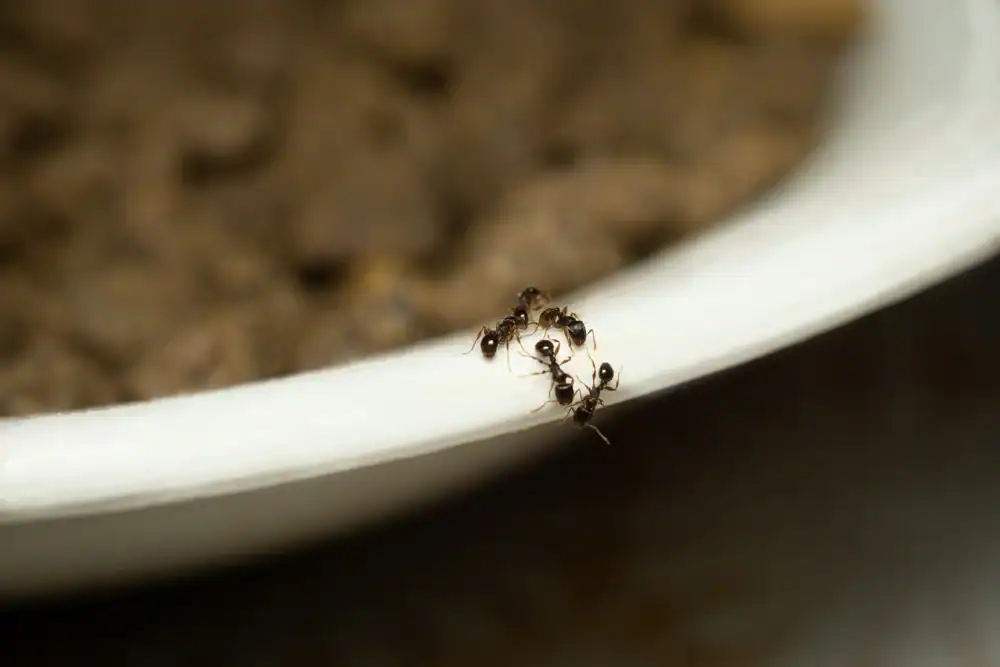
The same goes for ants. Fire ants don’t disappear when temperatures drop—they’re still building mounds in your yard. Carpenter ants are still tunneling through wood. Ghost ants are still trailing through your kitchen.
Mosquitoes thrive during the rainy season, which in Florida can stretch from May through October. But even in the so-called “dry” months, standing water from afternoon storms keeps populations going. If your home backs up to retention ponds, wooded areas, or has poor drainage, mosquito pressure stays high nearly all year.
Rodents follow a similar pattern. Roof rats and house mice don’t migrate south for winter—they’re already here. And when it does cool down slightly, they’re more motivated to get inside where it’s warm and food is available. That means fall and winter can actually increase rodent activity around homes, not decrease it.
The takeaway? Florida’s climate doesn’t give you natural pest control. You have to create it yourself through consistent service. Waiting for a seasonal slowdown that never comes just gives pests more time to establish, breed, and cause damage.
Skipping a scheduled treatment might not seem like a big deal. You haven’t seen anything lately. The last visit must have worked. Why pay for service if there’s no visible problem?
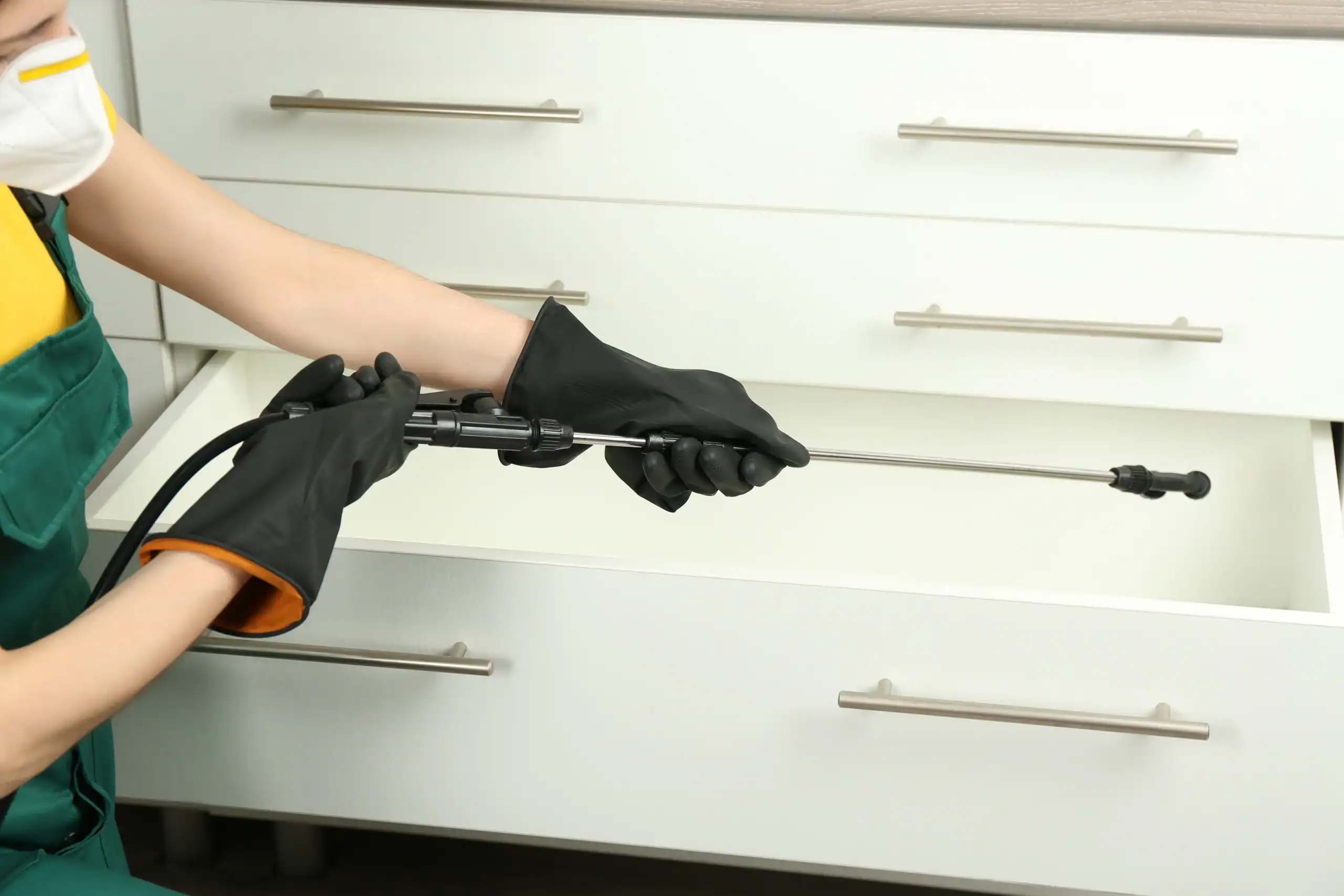
Here’s what actually happens: pest control products break down over time. Most professional treatments last between 30 and 90 days depending on the product, application method, and environmental conditions. Once that protective barrier fades, pests can move back in.
And they do move back in—often to the same entry points, the same nesting areas, the same food sources they used before. Except now there’s no treatment stopping them. By the time you see activity again, the infestation is usually larger than it looks.
Termites are the worst offenders here. You won’t see them. You won’t hear them. They work inside walls, under floors, and in areas you never inspect. By the time visible damage appears—sagging floors, hollow-sounding wood, mud tubes on your foundation—the colony has been feeding for months, maybe longer.
Skipping termite inspections or letting your termite prevention lapse is one of the most expensive mistakes a Florida homeowner can make. Repairs can run into thousands of dollars, and most homeowner’s insurance policies don’t cover termite damage.
Rodents are another problem that gets worse fast. Miss a quarterly rodent check and you might not notice the new entry point they’ve chewed through. But they’ll notice. And once one gets in, others follow. Rodents reproduce quickly—a single female mouse can have 5 to 10 litters per year with 5 to 6 pups each time.
Even “nuisance” pests like ants can spiral. What starts as a few scouts in your kitchen can turn into trails covering your countertops within days. Ant colonies don’t shrink on their own. They expand. And treating a large, established colony takes more time, more product, and more visits than maintaining a quarterly barrier would have required.
Consistency matters. Pest control works best as prevention, not reaction. Once you’re reacting, you’re already behind.
Want live answers?
Connect with a Around The Clock Pest Service expert for fast, friendly support.
So what’s the actual answer? For most homes in Pasco and Hernando Counties, quarterly service—every three months, four times a year—is the baseline.
Quarterly treatments line up with Florida’s pest cycles. They maintain a protective barrier around your home without over-treating or leaving gaps where pests can re-establish. Each visit adjusts for seasonal changes: heavier mosquito pressure in summer, increased rodent activity in fall, termite swarming in spring.
That said, quarterly isn’t universal. Some homes need more. Some can get by with less. It depends on your property’s specific conditions.
Monthly service isn’t overkill if your home faces high pest pressure. Certain conditions attract more pests, more often, and quarterly treatments can’t keep up.
Homes near lakes, retention ponds, canals, or wetlands deal with constant moisture. That means mosquitoes, roaches, and termites all thrive. The closer you are to standing water, the more likely you are to need monthly treatments—especially during the rainy season.
Properties with heavy vegetation, dense landscaping, or wooded lots also see more activity. Mulch beds, overgrown shrubs, and tree cover create ideal harborage for ants, spiders, roaches, and rodents. If your yard backs up to natural areas, pests don’t have far to travel to reach your home.
Older homes with structural gaps, cracks in the foundation, or poorly sealed entry points need more frequent monitoring. Even small openings—a quarter inch or less—are enough for mice, roaches, and ants to get inside. Monthly visits give us more chances to spot and seal these vulnerabilities before they become highways for pests.
Active infestations also require monthly service until they’re under control. German roaches, bed bugs, and heavy rodent activity don’t resolve with one treatment. These pests reproduce fast, hide well, and require multiple visits spaced close together to break their breeding cycle and eliminate the population.
If you’ve had recurring pest problems even with quarterly service, that’s a sign your home needs more frequent attention. Pests are telling you something about your property’s conditions. Monthly treatments give you a better chance of staying ahead of them instead of constantly playing catch-up.
Some pest control companies will try to upsell monthly service to everyone. That’s not what this is about. But if your home genuinely faces higher pest pressure, monthly visits can save you money in the long run by preventing larger infestations that cost more to treat.
For most homes in Spring Hill, Brooksville, and surrounding areas, quarterly service provides solid year-round protection. If your property doesn’t have the high-risk factors mentioned earlier—standing water nearby, heavy vegetation, active infestations—four visits a year is usually enough.
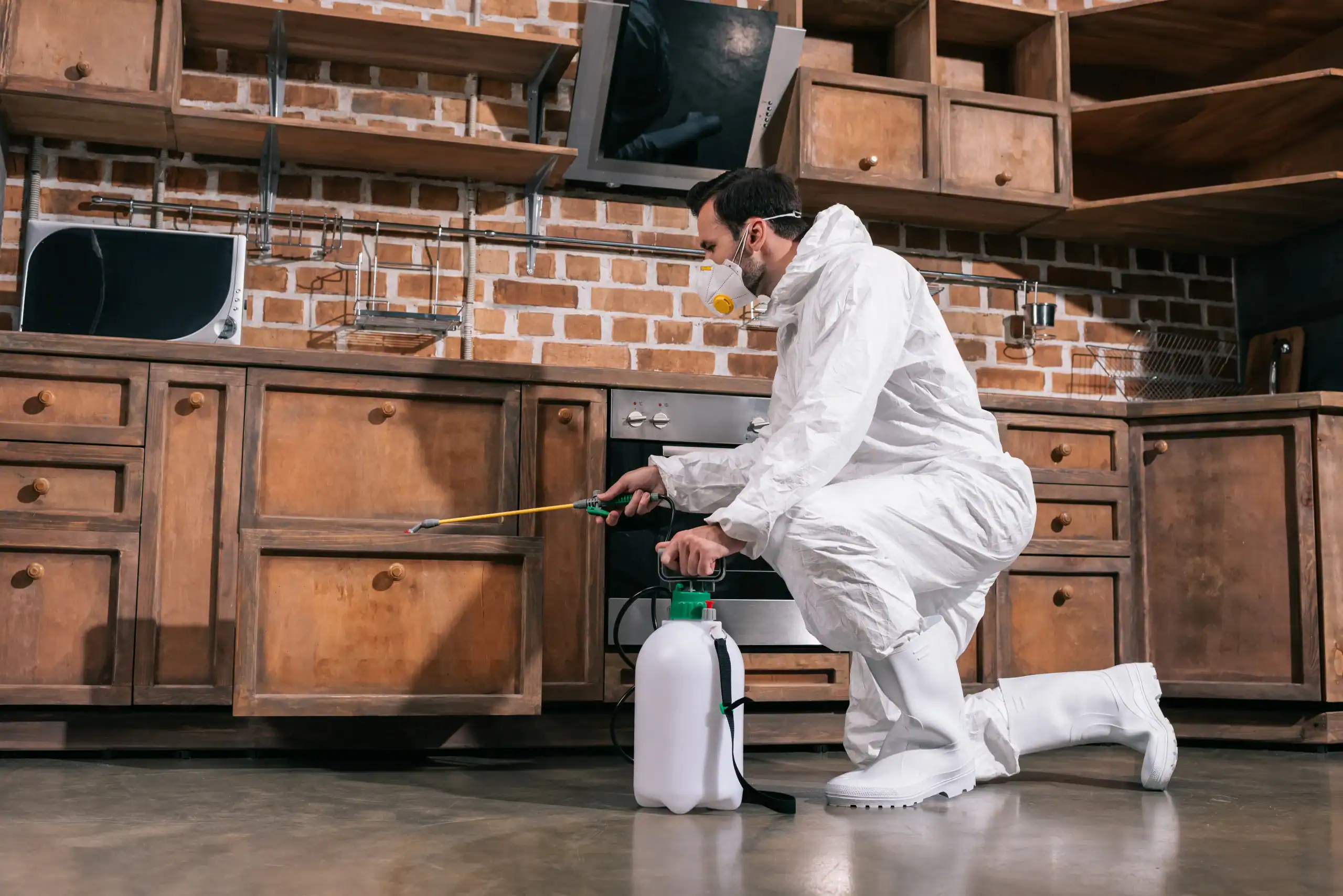
Quarterly plans work because they maintain a consistent treatment schedule that adapts to seasonal pest activity. Your spring visit targets ants, termites, and early mosquito pressure. Summer focuses on mosquitoes, fleas, and roaches. Fall addresses rodents starting to seek indoor shelter. Winter handles overwintering pests and interior treatments.
Each visit isn’t identical. We adjust products, application areas, and focus based on what’s active that time of year. That’s how quarterly service stays effective even though pests are active year-round—it’s proactive, not reactive.
Quarterly service also makes sense financially. Most companies charge between $100 and $300 per visit for quarterly plans, which breaks down to around $250 to $400 per year for general pest protection. That’s significantly less than monthly service, and for homes without extreme pest pressure, it’s usually all you need.
The key is consistency. Skipping visits or stretching them to every four or five months defeats the purpose. Pest control products degrade. Barriers break down. By the time you hit month four or five, protection has already lapsed, and pests have had time to move back in.
If you’re on a quarterly plan and still seeing activity between visits, don’t assume you need to switch to monthly right away. First, make sure we’re actually treating the problem areas. Are we inspecting thoroughly? Are we sealing entry points? Are we using the right products for the pests you’re dealing with?
Sometimes the issue isn’t frequency—it’s quality. A thorough quarterly service from a company that knows what they’re doing beats a rushed monthly visit from a technician who’s just spraying the same spots every time.
That’s where working with a local, family-owned company makes a difference. You’re not getting a different technician every visit who doesn’t know your property. You’re working with someone who remembers what was treated last time, where the problem areas are, and what’s been done to address them.
There’s no one-size-fits-all answer to how often your home needs pest control. But now you know what actually determines the right schedule: your home’s location, pest pressure, structural condition, and whether you’re preventing or reacting.
For most homes in Pasco and Hernando Counties, quarterly service provides year-round protection without over-treating. Homes near water, heavy vegetation, or with active infestations may need monthly visits until conditions stabilize. And no matter what schedule you’re on, consistency matters more than frequency.
If you’re not sure what your home actually needs—or if you’re tired of paying for service that doesn’t seem to be working—it might be time to talk to someone who’ll give you a straight answer. We work directly with homeowners in Hernando and Pasco Counties to create pest control plans that actually match your home’s conditions, not a sales quota.
Summary:
Article details:
Share: