
Fast, reliable pest control from Hernando County’s most trusted family-owned team—with most quotes given over the phone.
Contact Info
Fast, reliable pest control from Hernando County’s most trusted family-owned team—with most quotes given over the phone.
Contact Info
Not all roaches are the same, and generic treatments often fail. Discover why species-specific roach control methods deliver better results than one-size-fits-all approaches in Florida homes.
If you’ve tried killing roaches with store-bought sprays only to see them return within days, you’re not alone. Most DIY approaches fail because they treat all roaches the same way. But here’s the problem: a German roach infestation requires completely different methods than an American roach problem. Use the wrong approach and you’ll waste time and money while the population keeps growing.
Professional roach exterminators start by identifying the exact species in your home because that determines everything—from where we apply treatment to which products actually work. This guide breaks down why species-specific roach control methods matter and how the right approach eliminates infestations instead of just moving them around.
You can’t treat what you can’t identify. The first step in effective roach control services involves determining which species has moved into your home. This isn’t about being picky—it’s about choosing methods that actually work.
German roaches and American roaches are the two most common species in Florida homes, but they behave completely differently. German roaches measure about half an inch long, appear light brown with two dark stripes behind the head, and live exclusively indoors near food and water. American roaches grow up to two inches, show a reddish-brown color, and typically enter from outside seeking moisture.
The size difference matters less than their breeding patterns and habitat preferences. German roaches reproduce three to four times faster than American roaches and carry their egg cases until just before hatching. American roaches drop their egg cases in hidden spots, making the eggs easier to target with treatment. These biological differences completely change how we approach your infestation.

German roaches are the species that turn a small problem into a nightmare fast. A single pregnant female can produce 18 to 50 eggs per case and complete her life cycle in just 50 to 60 days. That timeline means you’re dealing with multiple generations in the time it takes most people to realize they have a problem.
These roaches live in tight cracks and crevices close to kitchens and bathrooms. They spend about 75 percent of their time hiding in harborages and only come out to feed and find water. When you spot one during the day, it usually means the population has grown large enough that overcrowding is forcing some into the open. By that point, you’re already behind the reproduction curve.
Professional roach treatment for German roaches focuses on interior applications using gel baits and insect growth regulators. The gel baits contain attractants that draw roaches out of hiding to consume the poison. When they return to their harborage and die, other roaches feed on the contaminated body or feces, spreading the treatment through the colony. Growth regulators disrupt the molting process and prevent nymphs from maturing into breeding adults.
Sprays don’t work well on German roaches because these pests have developed resistance to over 40 different products. Some populations have even learned to avoid common baits. That’s why treatment needs to rotate products and use non-repellent formulas that roaches can’t detect and avoid.
The treatment process typically requires multiple visits over two to four months to break the reproductive cycle. Each visit targets different life stages because eggs aren’t affected by most treatments. You need to eliminate adults, wait for eggs to hatch, then treat the nymphs before they mature and reproduce. Skip a round and the population rebounds.
German roaches also require extreme attention to sanitation and exclusion. Sealing cracks, removing food sources, and fixing water leaks aren’t optional steps—they’re essential to starving out survivors and preventing reintroduction. Even a few crumbs or a dripping faucet provides enough resources for a new colony to establish itself.
American roaches, often called palmetto bugs or water bugs, operate differently than their smaller cousins. These larger roaches live primarily outdoors in warm, moist environments like mulch beds, leaf piles, sewer systems, and storm drains. They enter homes searching for food, water, or shelter, especially during heavy rains or temperature extremes.
Unlike German roaches that establish permanent indoor colonies, American roaches are more likely to wander in from outside. They enter through gaps around pipes, missing door sweeps, cracks in foundations, and openings near utility lines. Once inside, they prefer basements, crawl spaces, bathrooms, and utility rooms where moisture levels stay high.
American roaches breed much more slowly than German roaches. Females produce 14 to 16 eggs per case and take six months to over two years to complete development. This slower reproduction gives you more time to respond before the population explodes. It also means treatment can focus on prevention and exclusion rather than just killing active populations.
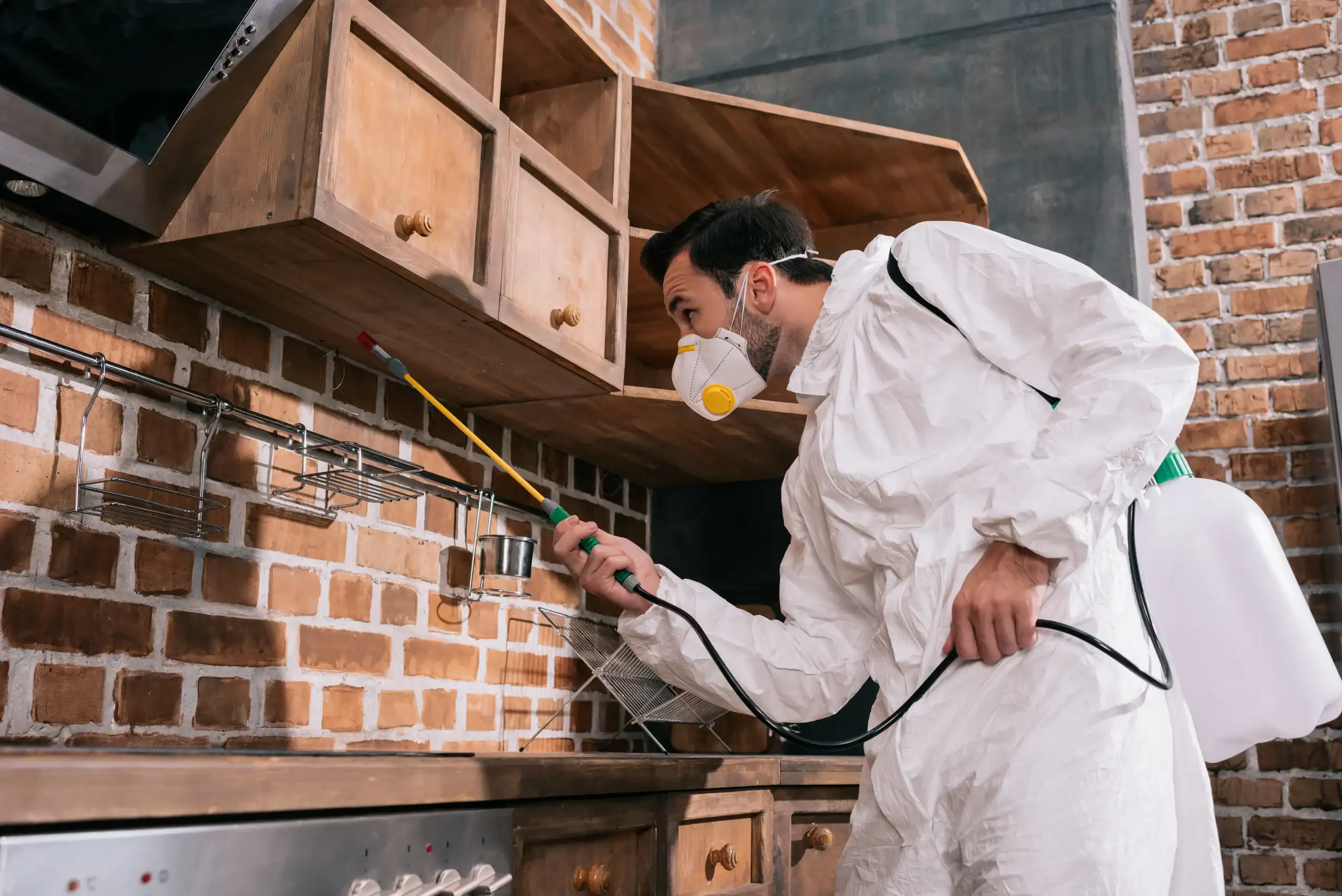
Cockroach control services for American roaches emphasize perimeter treatments and source reduction. We apply barrier treatments around the exterior of your home, targeting the foundation, entry points, and areas where roaches are likely to travel. These treatments create a protective zone that kills roaches before they get inside.
Interior treatment focuses on potential entry points and harborage areas. We apply dust formulations in wall voids, beneath appliances, and in crawl spaces where American roaches might hide. These dusts remain effective for months and kill roaches that come into contact with treated surfaces.
Exclusion work is critical for long-term American roach control. Sealing gaps around plumbing, installing door sweeps, screening vents, and caulking cracks eliminates the pathways these roaches use to enter. Moisture control also plays a major role—fixing leaky pipes, improving drainage, and using dehumidifiers in damp areas makes your home less attractive to moisture-seeking roaches.
Outdoor source reduction involves removing mulch and debris near the foundation, trimming vegetation away from the house, and addressing drainage issues that create standing water. These steps reduce the outdoor roach population near your home, which means fewer roaches attempting to get inside.
Want live answers?
Connect with a Around The Clock Pest Service expert for fast, friendly support.
Killing the roaches you see doesn’t solve the problem. Effective cockroach control services target the reproductive cycle to prevent new generations from replacing the ones you eliminate. This requires understanding how different species breed and timing treatments to disrupt that process.
Roaches go through incomplete metamorphosis, meaning they hatch as nymphs that look like smaller versions of adults rather than going through a larval stage. Nymphs molt multiple times as they grow, shedding their exoskeleton each time. The number of molts and time to maturity varies by species, which affects treatment timing.
The key challenge is that most treatments don’t kill eggs. Roach eggs are protected inside a hardened case called an ootheca that shields them from insecticides. This means even perfect application that kills every adult and nymph still leaves viable eggs that will hatch in days or weeks. Without follow-up treatment, those hatchlings start the cycle over.

We use a layered approach that targets multiple life stages and prevents reproduction. This starts with identifying where roaches are breeding, which isn’t always obvious to homeowners.
German roaches breed in tight harborages close to food and water. These spots include the spaces behind refrigerators, under sinks, inside cabinets near plumbing, behind stoves, and in the motor housings of appliances. Females carry their egg cases until just before hatching, which keeps the eggs close to suitable habitat for nymphs.
American roaches drop their egg cases in protected locations like crawl spaces, behind baseboards, in wall voids, and in outdoor harborage sites. The eggs take longer to hatch but are more exposed to treatment when applied to the right locations.
Insect growth regulators play a crucial role in breaking the cycle. These products mimic juvenile hormones and prevent nymphs from maturing into breeding adults. IGRs don’t kill roaches immediately but they sterilize the population over time. When combined with baits or sprays that kill adults, IGRs ensure that any nymphs that survive can’t reproduce.
Treatment timing matters as much as product selection. For German roaches, we typically schedule visits every two to three weeks during the initial treatment phase. This timing allows eggs from the first treatment to hatch and nymphs to emerge, then targets them before they mature. After several cycles, the population collapses because no new breeding adults replace the ones that die.
American roach treatment often involves an initial intensive application followed by quarterly maintenance. The slower breeding cycle means you don’t need as frequent visits, but ongoing perimeter protection prevents new roaches from entering. Seasonal inspections help identify new entry points or conditions that might attract roaches.
Monitoring is essential to confirm treatment success. Sticky traps placed in key areas show whether roach activity is declining and help identify any areas where roaches are still active. We use these monitors to adjust treatment locations and methods based on real activity rather than guessing.
Eliminating an active infestation is only half the battle. Keeping cockroaches away requires ongoing prevention that removes the conditions they need to survive. This isn’t about becoming obsessive about cleanliness—it’s about understanding what attracts roaches and eliminating those attractants.
Roaches need three things to thrive: food, water, and harborage. Remove any one of these and you make your home much less hospitable. Remove all three and roaches will seek better options elsewhere.
Food sources include more than just the obvious crumbs and spills. Roaches eat pet food, grease films on stoves, food residue on dishes, garbage, and even non-food items like cardboard, book bindings, and wallpaper paste. Storing food in sealed containers, cleaning up immediately after meals, and taking out garbage regularly all help. But don’t forget about pet food bowls left out overnight, grease buildup behind appliances, and food particles that fall into the gap between the stove and counter.
Water is even more critical than food. Roaches can survive for weeks without eating but only about a week without water. Fix leaky pipes and faucets immediately. Wipe down sinks and tubs after use. Don’t leave standing water in pet bowls, plant saucers, or anywhere else. Use dehumidifiers in damp areas like basements and crawl spaces. The drier you keep your home, the less attractive it becomes to moisture-seeking roaches.
Harborage refers to the tight spaces where roaches hide during the day. Sealing cracks and crevices with caulk eliminates these hiding spots. Pay special attention to areas around plumbing, behind appliances, along baseboards, and where walls meet floors or ceilings. Decluttering also helps—stacks of boxes, piles of paper, and accumulated stuff all provide additional hiding places.
Entry point exclusion is particularly important for American roaches. Install door sweeps on exterior doors, especially garage doors. Screen vents and weep holes. Seal gaps around utility lines where they enter the house. Check window screens for tears and repair them. These simple steps block the pathways roaches use to get inside.
Outdoor maintenance reduces the roach population near your home. Keep mulch and leaf litter at least two feet away from the foundation. Trim vegetation that touches the house. Fix drainage issues that create standing water. Store firewood away from the structure. Clean up pet waste promptly. These steps make the area around your home less attractive to outdoor roach species.
Regular professional maintenance provides ongoing protection. Quarterly treatments maintain a barrier that kills roaches before they establish populations. Annual inspections identify new vulnerabilities before they become problems. Working with us means we know your property and its history, which allows for proactive treatment rather than just reacting to infestations.
Species-specific roach control isn’t something you can replicate with products from the hardware store. Professional roach exterminators have access to commercial-grade products, understand the biology of different species, and know how to apply treatments that target the specific roaches in your home.
The difference between a successful treatment and a wasted effort often comes down to proper identification, product selection, and application timing. German roaches need interior baiting and growth regulators applied to their harborages. American roaches require perimeter treatments and exclusion work. Use the wrong approach and you’ll just scatter roaches or fail to address the breeding population.
If you’re dealing with roaches in Hernando County, FL, we provide species-specific treatment backed by state certifications and over 100 five-star reviews. As a family-owned company, we offer 24/7 response, transparent quotes, and the kind of personal service that comes from working directly with the owner instead of navigating corporate call centers.
Summary:
Article details:
Share: