
Fast, reliable pest control from Hernando County’s most trusted family-owned team—with most quotes given over the phone.
Contact Info
Fast, reliable pest control from Hernando County’s most trusted family-owned team—with most quotes given over the phone.
Contact Info
Choosing the wrong termite contractor can cost you thousands. Learn the warning signs, essential questions, and what to verify before hiring in Hernando County, FL.

You’ve spotted mud tubes along your foundation. Or maybe you’re a new homeowner who wants to protect your investment before termites become a problem. Either way, you’re now searching for termite contractors, and the options feel overwhelming. Some companies promise rock-bottom prices. Others use urgent language that makes you feel like you need to decide today. A few won’t even tell you their license number without a runaround.
Here’s the reality: choosing the wrong termite contractor can cost you far more than the initial treatment. It can mean improper chemical application, no recourse when problems arise, and thousands in damage that could have been prevented. In Hernando County, where termites stay active year-round and 13 colonies exist per acre, you need a contractor who’s licensed, accountable, and transparent. This guide shows you exactly what red flags to watch for and what questions to ask before you sign anything.
The questions you ask during your initial consultation reveal more than you might think. They show whether a contractor is confident in their expertise or trying to rush you into a decision. They expose gaps in licensing, insurance, or local knowledge that could become serious problems later.
Start with the basics. Ask for their Florida Department of Agriculture license number and verify it’s current. Florida requires pest control operators to hold valid certifications in specific categories, and termite work falls under “Termite and Other Wood-Destroying Organisms Control.” Any legitimate contractor will provide this information immediately without hesitation. If they deflect, delay, or can’t produce documentation with an expiration date, that’s your first red flag.
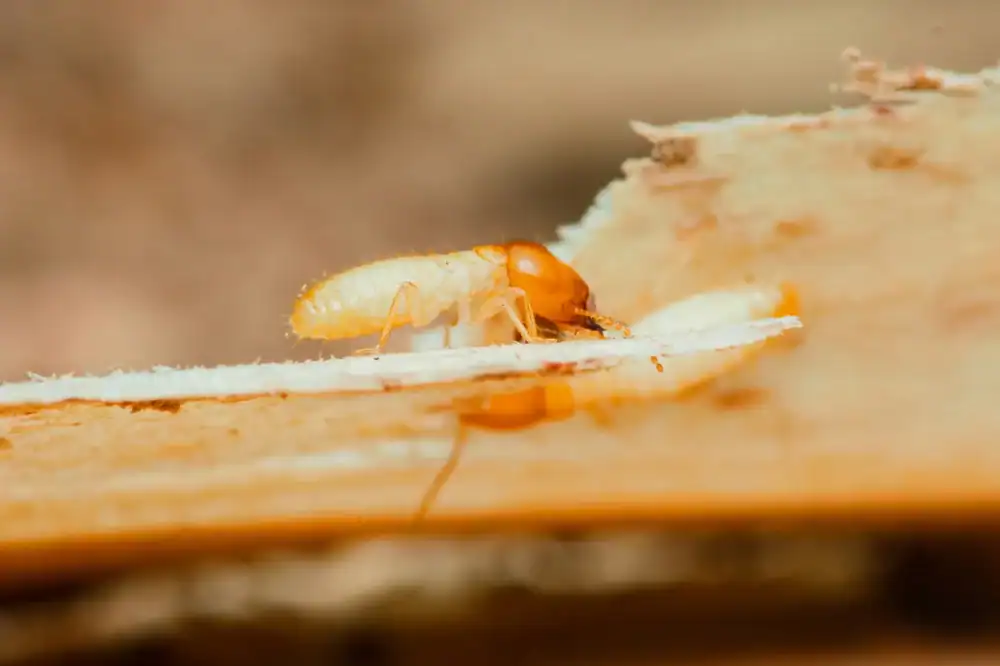
Next, ask about their treatment method and why they recommend it for your specific situation. Subterranean termites, which are most common in Hernando County’s sandy soil, require different approaches than drywood termites. A knowledgeable contractor should explain the difference, identify which species you’re dealing with, and outline a treatment plan that makes sense for your home’s construction type and the severity of infestation. If they give you a generic answer or can’t explain their reasoning, they may lack the expertise your situation demands.
Florida doesn’t mess around when it comes to pest control licensing, and for good reason. The chemicals used in termite treatment can pose health risks if applied incorrectly, and the stakes are too high to leave it to amateurs. Every pest control operator in Florida must pass state-administered examinations, maintain proper insurance coverage, and renew their credentials regularly.
The licensing structure has layers. A certified operator must have either three years of documented experience working under a licensed pest control company in Florida or hold a degree with specific coursework in entomology, botany, agronomy, or horticulture plus one year of Florida experience. They’re required to pass written exams covering laws, safety, and pest-specific knowledge. For termite work specifically, operators need certification in the wood-destroying organisms category.
But here’s what matters most to you as a homeowner: the business itself must hold a pest control business license, not just the individual technician. This license requires maintaining minimum insurance coverage of $250,000 per person and $500,000 per occurrence for bodily injury, plus $250,000 per occurrence for property damage. This protects you if something goes wrong during treatment. Companies performing preventive termite treatments for new construction need an additional permit that’s tracked separately and can be suspended for violations.
You can verify any contractor’s license through the Florida Department of Agriculture and Consumer Services public database. It takes two minutes and could save you from hiring an unlicensed operator who won’t be held accountable if they damage your property or apply chemicals improperly. State pesticide regulatory agencies maintain these records specifically so consumers can check credentials before hiring. If a contractor gets defensive when you ask to verify their license, that tells you everything you need to know.
The insurance requirement isn’t just bureaucratic red tape. It’s your safety net. If a technician accidentally damages your plumbing while drilling for treatment, or if someone has an adverse reaction to chemicals that weren’t applied according to label directions, that insurance coverage becomes critical. Companies cutting corners on licensing often cut corners on insurance too, leaving you holding the bag when problems arise.
Let’s talk numbers, because pricing confusion is where a lot of homeowners get burned. Termite treatment costs in Florida typically range from $1,000 to $2,500 for initial treatment, depending on your home’s size, the treatment method used, and the severity of infestation. But that’s just the beginning. The ongoing warranty or contract is where you need to pay close attention.
Annual termite warranty renewals in Florida generally run between $200 and $600. This covers regular inspections and retreatment if termites return during the coverage period. Some warranties only cover retreatment, meaning they’ll come back and treat again at no charge but won’t pay for repairing any damage the termites caused. Others include repair coverage, which costs more upfront but can save you thousands if termites do significant damage. The difference matters, especially in Hernando County where termite pressure is constant.
Here’s where it gets tricky. Some companies advertise low initial prices to get you in the door, then load the contract with automatic renewal clauses, escalating fees, or coverage limitations buried in fine print. You might see an estimate for $800, sign the contract, and then discover the actual cost is $1,500 once they add “necessary” upgrades or find “additional” problem areas during treatment. This isn’t illegal, but it is deceptive, and it’s a red flag that you’re dealing with a company more interested in sales tactics than honest service.
Ask for a detailed written estimate that breaks down exactly what’s included. How many inspections per year? What species of termites are covered? Is there a damage repair cap? Can they raise your renewal fee, and if so, by how much? Florida law requires pest control companies to provide written contracts for preventive termite treatment, and those contracts must include warranty terms for retreatment or retreatment plus damage repair, with options to renew for up to four additional years. If a company won’t put their pricing and terms in writing before you sign, walk away.
The cheapest option rarely delivers the best value. A company charging significantly less than competitors might be using inferior products, rushing through treatments, or planning to make up the difference with hidden fees later. On the flip side, the most expensive option isn’t automatically the best either. What you’re looking for is transparent pricing that matches the scope of work, backed by a contractor who can explain exactly what you’re paying for and why it’s worth the investment.
One more thing: beware of companies demanding full payment upfront before any work is done. Most reputable termite contractors in Florida either bill after service or require a deposit with the balance due upon completion. A company insisting on 100% payment before they’ve even inspected your property is either desperate for cash flow or planning to disappear once they have your money. Neither scenario ends well for you.
Want live answers?
Connect with a Around The Clock Pest Service expert for fast, friendly support.
Some warning signs are obvious. Others are subtle enough that you might miss them if you’re not paying attention. The most dangerous red flags often hide behind professional-looking websites and friendly phone voices, which is why you need to know exactly what to watch for beyond surface-level impressions.
High-pressure sales tactics top the list. If a contractor shows up for an inspection and immediately starts pushing you to sign a contract that same day, claiming there’s a limited-time discount or that your termite problem is so severe you can’t afford to wait, that’s manipulation, not expertise. Legitimate termite contractors understand that you need time to review contracts, compare options, and make an informed decision. They’re confident enough in their service that they don’t need to pressure you into a snap judgment.
Another major red flag is a contractor who can’t or won’t provide local references. In a place like Hernando County, where word-of-mouth matters and reputation is everything, any established company should have a list of satisfied customers willing to vouch for their work. If they deflect when you ask for references, claim all their clients value privacy, or only offer generic online reviews they could have written themselves, that’s a problem. Real references mean real accountability.
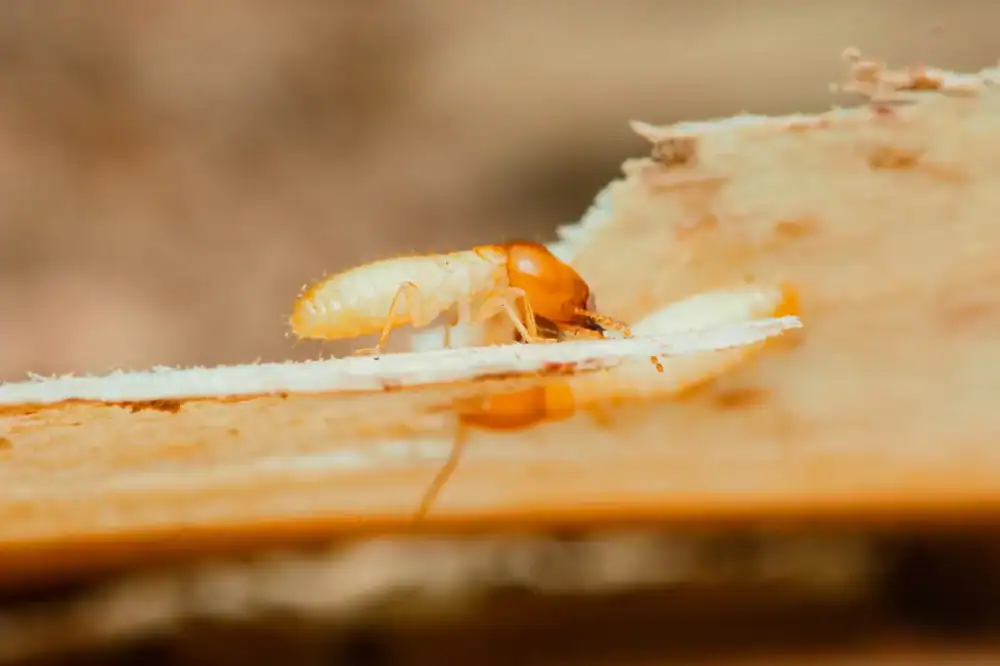
The inspection itself reveals a lot about a contractor’s competence and integrity. A thorough termite inspection in Florida should take at least 30 to 45 minutes for an average-sized home, sometimes longer if there’s crawl space access or a complex foundation. If someone shows up, walks around your house for ten minutes, and declares they’ve found termites without showing you evidence or explaining what they discovered, you’re probably dealing with either incompetence or fraud.
A professional inspector will show you exactly what they found. They’ll point out mud tubes, damaged wood, or termite droppings. They’ll explain which species you’re dealing with and why they believe that based on the evidence. They’ll use terminology that demonstrates knowledge—talking about subterranean versus drywood termites, explaining how Florida’s sandy soil and humidity create ideal conditions, and discussing treatment options specific to your situation. If their explanation feels vague or overly simplified, or if they can’t answer basic questions about termite biology and behavior, they may not have the expertise to handle your treatment properly.
Watch how they document their findings too. Reputable contractors take photos, make detailed notes, and provide you with a written inspection report that outlines exactly what they found and where. This documentation protects both of you. It gives you a clear record of the problem’s scope before treatment begins, and it shows the contractor is confident enough in their assessment to put it in writing. Companies that refuse to provide written inspection reports or claim they “don’t have time” for documentation are cutting corners that will likely extend to the treatment itself.
Pay attention to how they discuss treatment options. A trustworthy contractor presents multiple approaches when appropriate, explains the pros and cons of each, and helps you understand which makes the most sense for your specific situation and budget. They don’t push the most expensive option without justification, and they don’t dismiss your questions or concerns. If you feel like you’re being sold rather than consulted, trust that instinct.
The equipment and professionalism matter too. Licensed termite contractors should arrive in marked vehicles, wear company uniforms or identification, and carry proper equipment for inspection and treatment. They should be willing to show you their license and insurance documentation without you having to ask repeatedly. If someone shows up in an unmarked vehicle, can’t produce credentials, or seems unprepared for a professional inspection, you’re taking a significant risk by moving forward.
There’s a fundamental difference between calling a corporate pest control chain and working with a family-owned local business where you talk directly to the owner. It’s not just about supporting local companies, though that matters. It’s about accountability, consistency, and having someone who actually cares about their reputation in your community.
When you work with a large corporate chain, you’re often routed through call centers, assigned to whatever technician happens to be available in your area, and dealing with customer service representatives who have no authority to make decisions. Your concerns get filtered through layers of bureaucracy. If something goes wrong, you’re filing complaints with regional managers who’ve never been to your property and don’t know your situation. The technician who treated your home might not even be with the company anymore by the time you need follow-up service.
Contrast that with a family-owned operation where the owner answers your call, comes to your property personally, and stakes their personal reputation on doing the job right. When problems arise, you’re not navigating phone trees or waiting days for callbacks. You’re talking directly to the person responsible for your service, someone who lives in your community and depends on word-of-mouth referrals to stay in business. That creates a level of accountability that corporate structures simply can’t match.
In Hernando County specifically, where neighborhoods are tight-knit and people talk, a local owner-operated business has everything to lose by providing substandard service. We can’t afford to cut corners, disappear when problems arise, or hide behind corporate policies. Our business survives on reputation, and that makes us more invested in your satisfaction than any technician working for a national chain who might be servicing three counties and doesn’t have personal ties to your area.
This matters especially for termite work, which requires ongoing monitoring and may need retreatment over the years. Service continuity becomes critical. You want the same knowledgeable person or team familiar with your property’s history, not a rotating cast of technicians reading notes from the last visit. You want someone who remembers that your crawl space has limited access, that you have pets who need to be kept away during treatment, or that you prefer morning appointments because you work from home in the afternoons. Those details matter, and they get lost in corporate systems.
The owner-operator model also tends to attract people who genuinely care about the work rather than just collecting a paycheck. We’re not trying to meet corporate quotas or upsell unnecessary services to hit bonus targets. We’re building a business we plan to grow within our community, which means we’re thinking long-term about customer relationships rather than short-term profits. You can feel that difference in how we communicate, how we explain options, and how we follow up after service.
Choosing termite contractors doesn’t have to feel overwhelming once you know what to look for. Verify licensing through Florida’s public database. Ask for local references and actually call them. Get detailed written estimates that break down costs and coverage. Watch for high-pressure tactics, vague explanations, or refusal to provide documentation. Pay attention to how thoroughly they inspect your property and whether they take time to educate you about what they found.
Remember that in Hernando County, where termites remain active year-round and can feed on your home’s structure for years before you notice, the contractor you choose isn’t just providing a one-time service. They’re becoming a long-term partner in protecting your largest investment. That relationship matters. You want someone who’ll answer when you call, show up when promised, and stand behind their work without excuses.
The difference between a reliable contractor and one who cuts corners often comes down to accountability. Companies that work directly with owners, maintain transparent communication, and build their business on reputation rather than high-volume sales tend to deliver the consistent, trustworthy service you need. If you’re in Hernando or Pasco County and looking for that kind of partner, we at Around The Clock Pest Service offer the family-owned, owner-operated approach that puts your needs first, with state certifications, 24/7 availability, and over 100 five-star reviews backing up our commitment to quality.
Summary:
Article details:
Share: