
Fast, reliable pest control from Hernando County’s most trusted family-owned team—with most quotes given over the phone.
Contact Info
Fast, reliable pest control from Hernando County’s most trusted family-owned team—with most quotes given over the phone.
Contact Info
Florida's warm climate means rodents never take a break. Learn how professional exclusion stops infestations before they spiral—and why traps alone won't cut it.
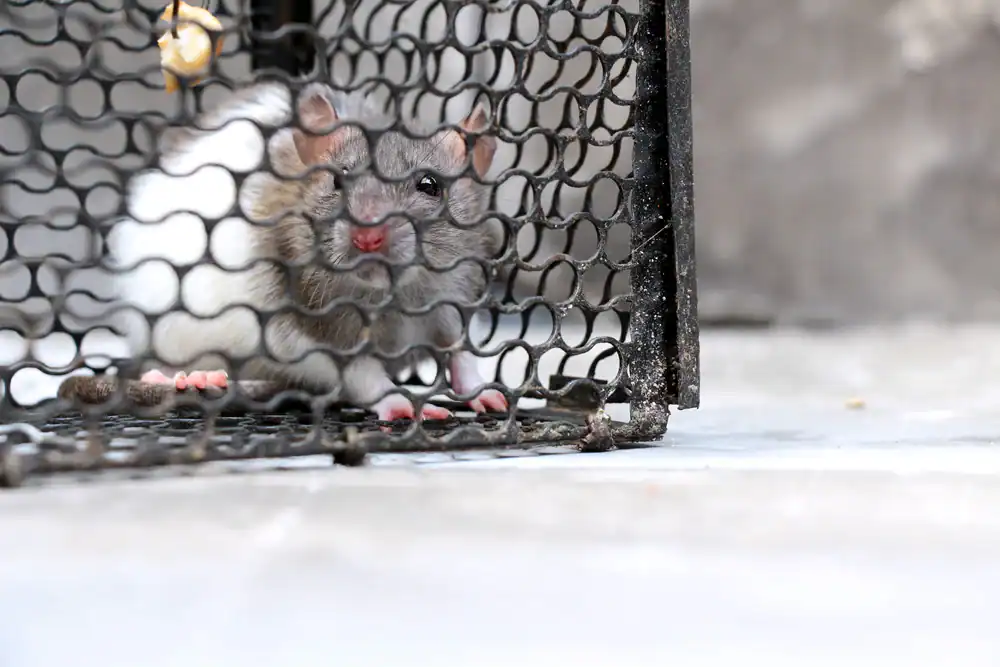
You hear it at night. Scratching in the walls. Maybe you’ve spotted droppings in the pantry or noticed chewed wires in the attic. You’re not imagining it, and you’re not alone. Florida’s warm, humid climate creates perfect conditions for rodents to thrive year-round—no winter freeze to slow them down. The problem? What starts as one or two rats can turn into a full-blown infestation in weeks if you don’t address it the right way. This guide breaks down what actually works for rodent control in Florida, from identifying the species you’re dealing with to understanding when professional exclusion becomes the smarter investment than endless DIY attempts.
Florida homeowners face a rodent challenge that’s fundamentally different from the rest of the country. In northern states, harsh winters naturally reduce rodent populations. Cold temperatures kill off weaker animals, food becomes scarce, and outdoor nesting sites offer little protection. That seasonal break gives homeowners a fighting chance.
Here, you don’t get that break. Hernando and Pasco County’s warm, humid climate creates perfect conditions for roof rats, Norway rats, and house mice to breed continuously. A female mouse can have five to ten litters per year, with each litter containing six to eight pups. Those offspring reach breeding age in just six weeks. Do the math. A “small problem” in January becomes a major infestation by March.
Roof rats are especially problematic in this region because they’re excellent climbers who enter through your roofline. They nest in attics, feed on citrus and palm tree seeds, and breed multiple times annually. Unlike their ground-dwelling cousins, roof rats exploit the very features that make Florida homes comfortable—attic ventilation, soffits, and elevated construction—to create their own comfortable living spaces inside your walls.
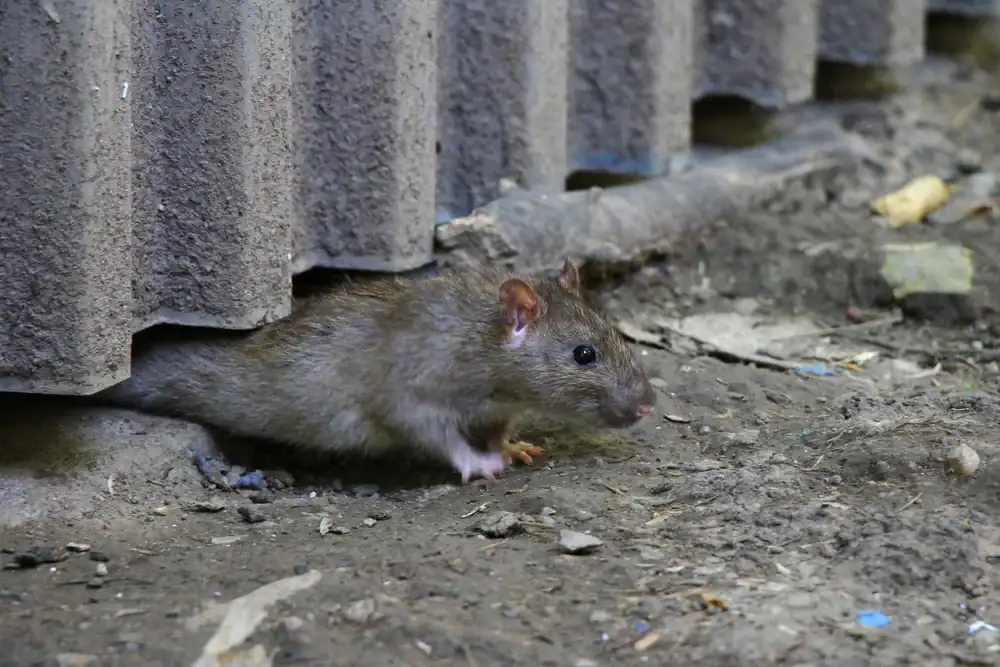
Rodents are nocturnal and secretive by nature. You’ll almost always see evidence of their presence before you spot the animal itself. Knowing what to look for helps you catch the problem early, when it’s still manageable and less expensive to fix.
Droppings are usually the first sign. Mouse droppings are small, dark, and pointed—similar to grains of rice. Rat droppings are larger, about half an inch to three-quarters of an inch long, with blunt ends. Fresh droppings will be darker and slightly moist. If you’re finding these near food storage, in drawers, under sinks, or along baseboards, you have active rodent activity. Not a maybe. Not a possibility. You have rodents.
Listen for sounds, especially at night. Scratching, scurrying, or squeaking noises coming from walls, ceilings, or attics indicate movement. Roof rats tend to make gnawing sounds higher up—in attics or along rooflines. Mice prefer getting inside walls and ceilings. If you’re hearing activity in multiple areas of your home, the infestation is likely more extensive than you think.
Look for gnaw marks. Rodents need to constantly chew to keep their teeth at the proper length. You’ll find small, rough chew marks on door corners, baseboards, food packaging, and even electrical wiring. Chewed wires are particularly dangerous because they create fire hazards. Thousands of electrical fires each year are suspected to be caused by rodent damage. That’s not a scare tactic. That’s data.
Check for grease marks along walls and baseboards. Rats and mice tend to stick to walls as they travel, and over time, the oil and dirt on their fur leave dark, greasy smudges. These rub marks show you their regular travel routes. They’re predictable creatures once you understand their patterns.
Pay attention to your pets. Dogs and cats often detect rodents before you do. If your pet is suddenly fixated on a specific area, pawing at appliances, or acting unusually alert, they may be sensing rodent activity behind walls or under floors. Your dog isn’t crazy. They’re picking up on something you can’t hear or smell yet.
Finding nesting materials is another clear sign. Rodents build nests using shredded paper, fabric, insulation, and dried plant matter. If you discover piles of these materials in secluded areas like attics, basements, wall voids, or inside appliances, you’re looking at an active nesting site. That means they’ve moved in. They’re not just visiting.
A strong, musty odor often accompanies larger infestations. This smell comes from rodent urine and droppings, and it becomes more pronounced in confined spaces. If you notice a foul odor that you can’t identify, especially in areas like attics or crawl spaces, it’s worth investigating for rodent activity. The same goes for any pest control concern—whether you’re dealing with termite inspections, ant control issues, spider control needs, or flea control situations. Unusual smells often signal a problem that needs professional attention.
When you spot signs of rodents, the instinct is to grab traps or poison from the hardware store and handle it yourself. For a one-off mouse that wandered in, that might work. But for anything beyond a single animal, DIY methods have significant limitations that often cost you more time and money in the long run.
The biggest issue with store-bought poison is where rodents die. Poisoned rats often crawl into wall voids, attics, or other inaccessible spaces before they expire. The result? A terrible odor that can last for months while the carcass decomposes. You can’t reach it. You can’t remove it. You just have to wait it out. Even worse, if your pets eat a poisoned rodent, they can get secondary poisoning—a serious health risk that requires emergency veterinary care.
Traps work better than poison, but only if you know where to place them. Rodents follow specific travel patterns along walls and established routes. Placing traps randomly in the middle of rooms or away from their pathways means you’re just hoping they’ll stumble across them. Professional exterminators understand rodent behavior and know exactly where to position traps for maximum effectiveness. It’s not guesswork. It’s experience.
The real problem with DIY approaches is that they don’t address why rodents are in your home in the first place. Even if you successfully trap the current population, new rodents will enter through the same gaps, cracks, and openings that the first ones used. Without proper exclusion—sealing those entry points with materials rodents can’t chew through—you’re just treating symptoms, not solving the problem. You might as well leave the front door open.
Rodents are also intelligent and adaptable. They can become trap-shy, especially if a trap injures but doesn’t kill a member of the colony. Over time, they learn to avoid certain bait or trap types. What worked initially may stop working as the remaining rodents adjust their behavior. They’re smarter than people give them credit for.
Time is another factor. DIY rodent control becomes a trial-and-error process. Weeks or months might pass before you realize your approach isn’t working, and during that time, the infestation is growing. Female mice reach breeding age in just six weeks. Every day you spend experimenting with DIY methods is another day the population is expanding. The clock is working against you.
Safety concerns matter too. Handling chemical rodenticides requires caution to prevent harm to children, pets, and the environment. Incorrect usage can be dangerous. Even snap traps can cause injuries, especially to young children and smaller pets who might accidentally trigger them. The same caution applies to any pest control product—whether you’re dealing with rodent removal, termite prevention, or ant control around your home.
For small, isolated issues—maybe one mouse in the garage—DIY methods can be sufficient. But if you’re seeing droppings in multiple locations, hearing activity in your walls, or dealing with an infestation that keeps coming back despite your efforts, professional rodent control becomes the smarter, more cost-effective choice. Sometimes you save money by spending it in the right place.
Want live answers?
Connect with a Around The Clock Pest Service expert for fast, friendly support.
Exclusion is the process of sealing off all entry points that rodents use to access your home. It’s the difference between temporarily reducing the rodent population and permanently solving the problem. Professional exclusion creates a barrier that prevents mice, rats, and other pests from entering in the first place. Think of it as rodent-proofing your home.
The process starts with a thorough inspection. We examine both the interior and exterior of your property, looking for gaps, cracks, and openings that rodents exploit. These entry points are often in places homeowners never think to check—around plumbing lines, HVAC conduits, electrical penetrations, attic vents, soffits, and foundation gaps. You’re not going to find these during a casual walk around your house.
Rats can squeeze through holes the size of a quarter. Mice can fit through openings as small as a dime. That means even tiny gaps around outdoor faucets, dryer vents, or utility lines can serve as entry points. In Florida, shifting soil and settling foundations create small gaps that develop over time, often hidden behind landscaping or siding. Your home isn’t failing. It’s just doing what Florida homes do over time.
Once we identify entry points, we seal them using materials that rodents can’t chew through. This includes steel wool, copper mesh, hardware cloth, metal flashing, and specialized sealants. These aren’t the materials you’ll find in typical DIY kits. Professional-grade exclusion products are designed specifically to withstand rodent gnawing and last for years. You’re not patching holes with caulk and hoping for the best.

Professional rodent control is more comprehensive than just setting traps. It’s a multi-step process designed to eliminate the current infestation and prevent future problems. Here’s what you’re actually paying for.
The first step is always a detailed inspection. We assess the severity of the infestation, identify the rodent species you’re dealing with, and locate all entry points. This inspection covers attics, crawl spaces, wall voids, basements, and exterior perimeters. Understanding the full scope of the problem is essential for developing an effective treatment plan. You can’t fix what you haven’t identified.
Removal comes next. We use a combination of trapping and baiting methods, strategically placed based on rodent behavior patterns. Unlike DIY approaches, professional-grade traps are positioned in high-activity areas where rodents actually travel. We know to place them along walls, near droppings, in attics, and inside crawl spaces—not randomly throughout your home. Placement matters more than the trap itself.
Sanitization is a critical step that most homeowners skip entirely. Rodent droppings and urine contain harmful bacteria and pathogens that can spread diseases like leptospirosis, salmonella, and hantavirus. Our services include cleaning and disinfecting contaminated areas, removing soiled insulation if necessary, and treating surfaces to eliminate odors and scent trails. This protects your family’s health and removes the chemical signals that attract new rodents to previously infested areas. You’re not just removing rodents. You’re removing the evidence that they were ever there.
Exclusion work is where the long-term value comes in. We seal all identified entry points using professional materials. This includes installing door sweeps, adding weather stripping, sealing cracks with durable sealants, covering exterior vents with hardware cloth, screening window weep holes, capping plumbing pipes, and installing chimney caps. Every potential access point is addressed to create a rodent-proof barrier. It’s methodical work that requires knowledge of construction and rodent behavior.
Follow-up visits ensure the problem is fully resolved. Rodent control isn’t always a one-visit solution, especially for larger infestations. We return to monitor activity, check traps, and verify that exclusion work is holding. If rodents return within the guarantee period, we’ll retreat at no additional cost. That’s not just good service. That’s standing behind the work.
We also offer ongoing prevention plans. In Florida, where rodent pressure is constant year-round, quarterly or bi-monthly treatments provide continuous monitoring and protection. These plans catch new activity early, before it becomes a full-blown infestation again. The same approach works for comprehensive pest management—whether you’re focused on rodent control, termite inspections, spider control, ant control, or flea control. Consistent monitoring beats reactive scrambling every time.
Understanding what professional rodent control costs helps you budget appropriately and avoid surprise charges. In Florida, pricing varies based on the severity of the infestation, the size of your property, and the amount of exclusion work required. Here’s what you’re looking at.
A standard rodent removal job in Pasco County, FL and Hernando County, FL typically ranges from two hundred to seven hundred dollars. This usually includes an initial inspection, trap placement, and basic removal services. For minor issues involving just a few mice, costs will be on the lower end. More extensive infestations with multiple nests, especially in hard-to-reach areas like attics, will cost more. It’s not arbitrary pricing. It’s based on the actual work required.
Initial inspections often run seventy-five to one hundred fifty dollars, though many companies include this cost in the total treatment price. During the inspection, we assess your property, identify entry points, and provide a detailed estimate for the work needed. You should know what you’re paying for before anyone starts working.
Comprehensive rodent proofing with full exclusion work ranges from two hundred to one thousand dollars, depending on how many entry points need to be sealed and the materials required. Homes with multiple vulnerabilities—gaps around plumbing, damaged vents, foundation cracks, and roof access points—will require more extensive work and higher material costs. But you’re not paying for the same service twice. You’re paying once for a permanent fix.
Cleanup and sanitization services add another two hundred to six hundred dollars to the overall cost. This includes removing contaminated insulation, disinfecting surfaces, and eliminating odors. While it seems like an extra expense, sanitization is essential for protecting your family’s health and preventing scent trails that attract new rodents. It’s not optional if you want the job done right.
Ongoing prevention plans vary based on treatment frequency. Monthly treatments are recommended for properties with high rodent activity or homes near wooded areas. Bi-monthly or quarterly treatments work well for homes with moderate pest pressure. These plans typically cost less per visit than one-time treatments and provide continuous protection against Florida’s year-round rodent activity. They also work for integrated pest control—covering everything from rodent control to termite prevention, ant control, spider control, and flea control in a single service plan.
While professional rodent control costs more upfront than buying a few traps, it’s important to consider the hidden costs of failed DIY attempts. Rodents cause property damage by chewing through wiring, insulation, and structural materials. Electrical fires caused by rodent damage can cost thousands in repairs—or worse. Contaminated insulation needs to be replaced. Health risks from diseases spread through droppings and urine can lead to medical expenses. When you factor in these potential costs, professional rodent control becomes a cost-effective investment in protecting your home and family. You’re not overpaying. You’re paying for peace of mind.
We provide free estimates and transparent pricing before starting any work. You’ll know exactly what you’re paying for, with no hidden fees or surprise charges. We offer guarantees—promising to retreat if rodents return within a specified period—demonstrating confidence in our methods and commitment to customer satisfaction. That’s how you separate professionals from people just trying to make a quick sale.
Rodent problems in Florida aren’t going to resolve themselves. The warm climate, abundant food sources, and continuous breeding cycles mean that small issues escalate quickly without proper intervention. The key is catching the problem early and addressing it with methods that actually work for Florida’s unique environment.
If you’re hearing scratching sounds, finding droppings, or seeing signs of rodent activity, don’t wait. The longer rodents stay in your home, the more damage they cause and the more expensive the problem becomes to fix. Professional rodent control combines removal, sanitization, and exclusion to solve the problem permanently—not just temporarily reduce the population. You deserve a solution that lasts.
Look for pest control companies that are state-certified, licensed, and experienced with Florida’s specific rodent challenges. Companies that offer free consultations, transparent pricing, and guarantees on their work demonstrate commitment to quality service. Direct communication with the owner, fast response times, and personal attention make a real difference when you’re dealing with a stressful situation like rodents in your home. It’s not just about the service. It’s about who’s delivering it.
We provide comprehensive rodent control and exclusion services throughout Hernando and Pasco Counties. With direct owner involvement, state certifications, and a track record of satisfied customers, we understand what Florida homeowners are dealing with and how to solve it for good.
Summary:
Article details:
Share: