
Fast, reliable pest control from Hernando County’s most trusted family-owned team—with most quotes given over the phone.
Contact Info
Fast, reliable pest control from Hernando County’s most trusted family-owned team—with most quotes given over the phone.
Contact Info


Living next to Jay B. Starkey Wilderness Park is one of Trinity’s best qualities — until June rolls around, the water table rises, and everything that was living in those pine flatwoods and cypress domes starts looking for dry ground. Fire ants resurface in your lawn. Rodents test the edges of your garage. Cockroaches find their way inside. It is not random, and it is not your fault. It is just what happens when a well-maintained neighborhood sits at the edge of 8,000 acres of active wilderness.
What changes after consistent, professional pest control is that your home stops being the path of least resistance. A properly treated perimeter keeps the pressure outside where it belongs. You stop finding evidence in the kitchen, stop worrying about what your dog might have gotten into in the yard, and stop dealing with the same problem every few months because it was never actually solved — just temporarily interrupted.
For Heritage Springs residents with ponds and conservation land running through the community itself, or for families in Trinity Oaks and Foxwood with kids and pets using the yard daily, that kind of consistency matters. It is not just about comfort. It is about protecting a home you have invested a significant amount in — and in Trinity, that investment is real.
Around The Clock Pest Service is a family-run business based in Spring Hill, serving Hernando and Pasco County — which puts Trinity squarely in the middle of our territory, not at the edge of it. George Lundin owns the business and handles it personally. When you call, you reach him. When you need a quote, he gives you one over the phone — no waiting for a technician to come out just to tell you what it costs.
That matters in a community like Trinity, where people have done their research, know what they want, and are not interested in being handed off to someone who has never been in their neighborhood. George has been in yours. He knows the difference between a Heritage Springs property with conservation land on three sides and a newer Longleaf home that is still figuring out its pest baseline. That local knowledge shows up in how the job gets done.
Over 100 five-star Google reviews from Hernando and Pasco County clients back that up — not as a number, but as a pattern of people describing the same experience: honest, fast, and exactly what was promised.

It starts with a phone call. George will ask you a few straightforward questions about what you are seeing, where you are seeing it, and how long it has been going on. In most cases, he can give you a quote right there — no in-person estimate required before you know what you are getting into. That alone sets the tone for how we work.
From there, a licensed technician comes to your Trinity property and does a proper assessment. For homes here, that typically means paying close attention to the exterior perimeter — especially on properties near the Starkey Wilderness Preserve boundary, backing up to conservation easements, or adjacent to the ponds and natural areas within Heritage Springs. These are the entry points that matter most, and treating them correctly from the start is what makes the difference between a one-time fix and an ongoing problem.
After the initial treatment, most Trinity homeowners move into a quarterly prevention plan. Florida does not have an off-season for pests, and Trinity’s combination of year-round warmth, seasonal flooding from the rainy season, and proximity to active conservation land means quarterly visits are not a upsell — they are just the honest answer for keeping a home consistently protected. George will tell you that directly, and he will also tell you if your situation calls for something different.
Ready to get started?
We handle the full range of what Trinity homeowners actually deal with — general pest control for ants, cockroaches, and spiders, rodent control, termite inspections, WDO inspections for real estate transactions, and quarterly prevention plans. Black widow spiders have been specifically documented as a concern in Trinity by multiple local providers, and fire ant control is a year-round priority in the landscaped yards and HOA-maintained common areas that define most of Trinity’s subdivisions.
Rodent control here is worth mentioning specifically. Our approach uses safe trapping methods — no poison left inside walls, no risk of a rodent dying somewhere inaccessible and creating a secondary problem, and no risk of your dog or cat being harmed by a poisoned animal they find in the yard. For families in Champions Club and Trinity Oaks, and for Heritage Springs residents with companion animals, that distinction is not minor.
If you are buying or selling a home in Trinity — where median prices sit around $500,000 and lenders routinely require documentation before closing — a WDO inspection from a licensed FDACS inspector is part of what we provide. The same goes for new homeowners moving into Longleaf or Starkey Ranch who want to start with a clean baseline and a prevention plan that fits where they live. Special discounts are available for new homeowners and military families, and there is never an extra charge for weekend or after-hours service.
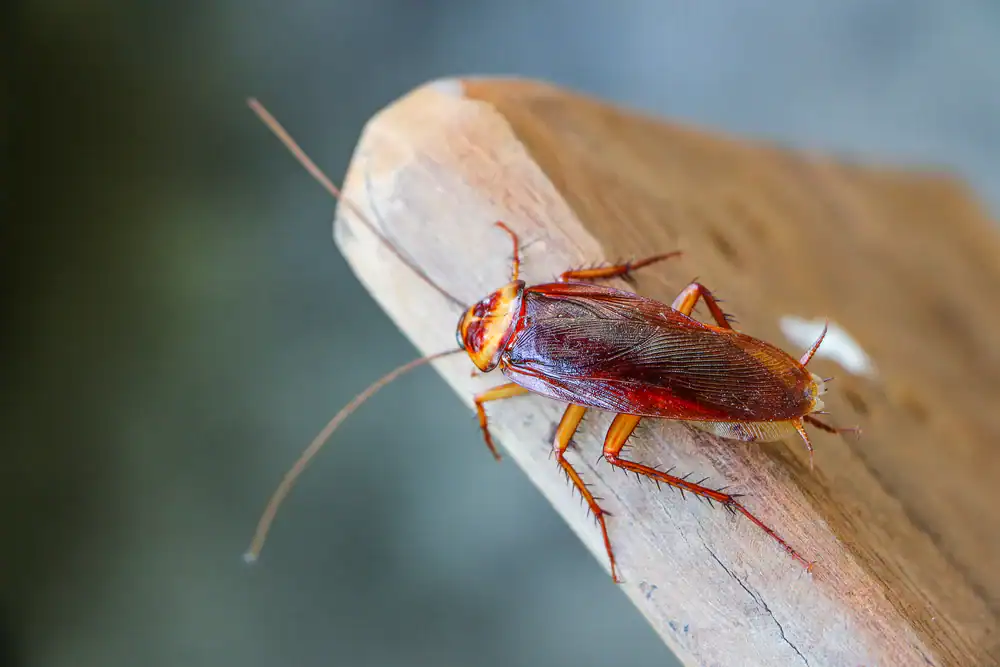
The short answer is displacement. Jay B. Starkey Wilderness Park and the surrounding Starkey Wilderness Preserve cover thousands of acres of pine flatwoods, cypress domes, freshwater marshes, and wetland corridors that feed into the Anclote River watershed. That land holds a large, stable population of insects, rodents, and other pests year-round. When Florida’s rainy season arrives — typically June through September — rising water tables push ground-dwelling pests out of their natural habitat and toward the nearest dry structure. In Trinity, that often means your home.
This is not a problem that resolves on its own once the rain stops. Pests that find a reliable food source or entry point tend to stay. Homes closest to the preserve boundary, properties backing up to conservation easements, and communities like Heritage Springs — which has natural ponds and conservation areas running through the development itself — experience this pressure most consistently. Proactive perimeter treatment, timed ahead of rainy season, is the most effective way to keep that wildlife pressure from becoming a household problem in Trinity.
For most Trinity homeowners, quarterly service is the honest answer. Florida does not have a winter cold snap that kills off pest populations the way northern states do, which means there is no natural reset. Ants, cockroaches, rodents, and termites remain active year-round, and Trinity’s specific conditions — warm temperatures, high humidity, seasonal flooding, and proximity to active conservation land — create consistent pressure across all four seasons.
A quarterly prevention plan keeps your perimeter treated on a schedule that matches how pests actually behave in Trinity. It also means small issues get caught before they become larger ones. The cost of a quarterly plan — roughly $250 per year — is a fraction of what a single termite remediation or rodent exclusion job costs. For a home valued at $400,000 to $700,000 or more, which is the realistic range in Trinity’s current market, that math is straightforward. One-time treatments have their place, but for ongoing protection in this environment, quarterly service is what actually works.
Yes, when it is applied correctly by a licensed technician who knows what they are doing. We use methods and products that are appropriate for residential use around people and animals, and our approach to rodent control specifically avoids the risks that concern most pet owners. Instead of poison bait that can leave a rodent dying inside a wall — or worse, in a place where a dog or cat can get to it — we use safe trapping methods that eliminate those secondary risks entirely.
For families in Trinity Oaks, Foxwood, or Champions Club with dogs, cats, or young children using the yard regularly, this is worth asking about directly. George will walk you through exactly what is being applied, where, and why — before anything is done. For homeowners near the Starkey Wilderness Preserve, responsible application near conservation land boundaries is also a consideration that we take seriously, both as a professional standard and as a practical matter of protecting the environment your neighborhood backs up to.
A WDO inspection — short for Wood-Destroying Organism inspection — is a formal assessment of a property for evidence of termites, wood-decaying fungi, and other organisms that damage structural wood. In Florida, lenders frequently require a WDO report before approving financing on a home purchase, which means sellers are often asked to provide one as part of the closing process.
In Trinity, where homes regularly sell in the $420,000 to $725,000 range and the real estate market stays active year-round, WDO inspections come up often. Older homes in Trinity Oaks, Wyndtree, Chelsea Place, and other original Trinity Communities subdivisions — some of which are now 30 to 35 years old — carry more structural exposure than newer construction, making a clean inspection report especially valuable. We provide WDO inspections performed by FDACS-licensed inspectors, and can also handle any follow-up treatment if an issue is identified. Having one company handle both the inspection and the treatment, if needed, simplifies the process considerably when you are working against a closing timeline.
Fire ants are the most consistent year-round issue in Trinity’s landscaped yards and HOA-maintained common areas — they do not go dormant in Florida’s climate, and they are aggressive enough that a yard with active colonies is genuinely unsafe for children and pets. Cockroaches and ants increase indoors during the rainy season as moisture drives them inside. Rodents — particularly roof rats — become more active in fall and winter as temperatures drop and they seek shelter, and Trinity’s proximity to Starkey Wilderness Preserve means the surrounding rodent population is larger than you would find in a more developed area.
Termite swarm season runs from roughly March through June, which is also peak real estate transaction season in Trinity. Subterranean termites are the primary concern in Pasco County, though drywood termites are also present. Black widow spiders have been specifically noted as a concern in Trinity by local pest control providers — they favor undisturbed areas like garages, storage spaces, and exterior landscaping. A quarterly prevention plan addresses all of these on a schedule that matches when each pest is most active.
Yes — new homeowners and military families both qualify for special discounts. Trinity has seen consistent residential growth, with communities like Longleaf completing new construction and closing homes into 2025, and Starkey Ranch continuing to attract buyers relocating from other states. Many of those new residents are coming from places where pest control is a seasonal consideration at most, and they are walking into a Florida environment that operates very differently. The new homeowner discount is a practical way to get started with a proper baseline treatment and a prevention plan without the full first-year cost landing all at once.
For military families — some of whom commute to MacDill Air Force Base in Tampa via the Suncoast Parkway — the military discount is a straightforward acknowledgment of that service. Neither discount requires negotiation or a special code. You mention it when you call, George confirms it, and it is applied. There are no weekend surcharges, no after-hours fees, and no hidden costs added after the fact. The quote you get on the phone is the number you pay.