
Fast, reliable pest control from Hernando County’s most trusted family-owned team—with most quotes given over the phone.
Contact Info
Fast, reliable pest control from Hernando County’s most trusted family-owned team—with most quotes given over the phone.
Contact Info
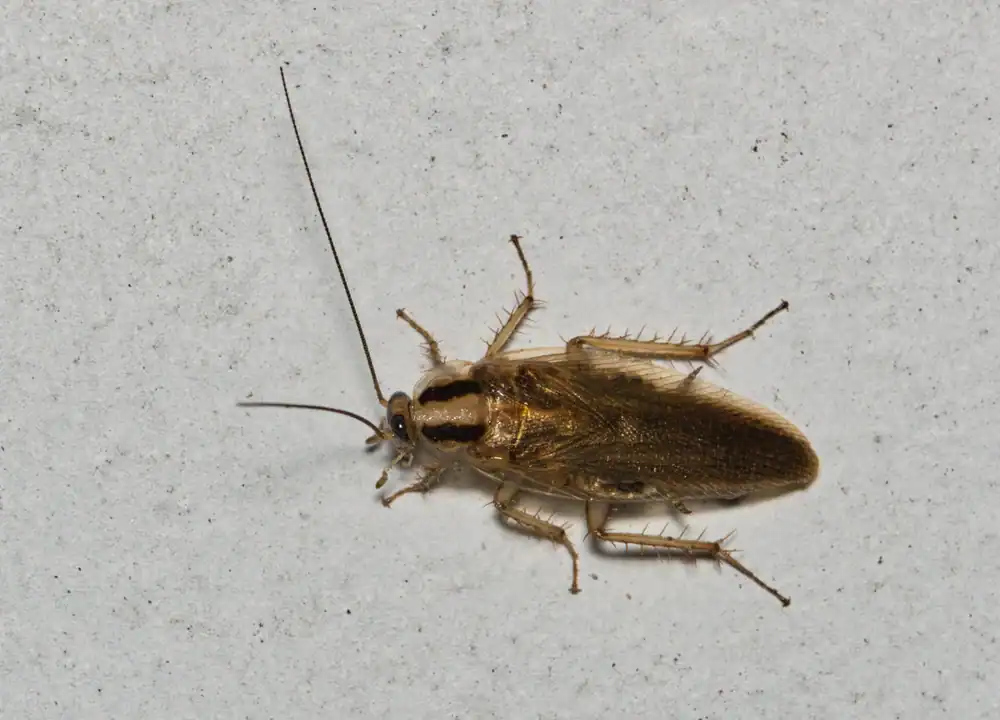
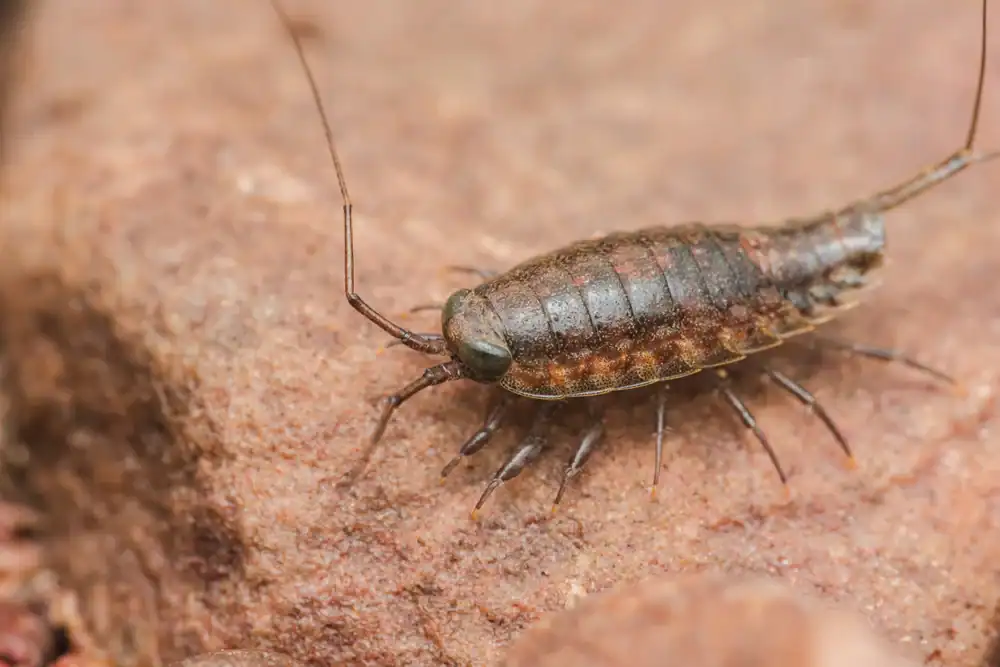
Finding a roach in your kitchen doesn’t mean you have a dirty house. It means you live in Pasco County, Florida — where the heat, the humidity, and the wet season from June through September create conditions that cockroaches genuinely thrive in. Whether it’s German roaches setting up inside your appliances or Palmetto bugs pushing indoors after a heavy rain saturates the ground near Cypress Creek, the pressure on your home is real and it’s year-round.
What changes after professional roach control isn’t just that you stop seeing them. You stop second-guessing every cabinet you open. You stop wondering if the spray you bought at the hardware store is actually doing anything — because it probably isn’t. Consumer sprays scatter German cockroach colonies deeper into wall voids without touching the eggs or the nymphs behind them. Professional baiting systems work differently. We eliminate the colony from the inside out, which means the problem actually ends instead of just going quiet for two weeks.
For homeowners along Drexel Road and the communities branching off CR 583, that kind of lasting result matters more than a quick fix. These are properties worth protecting — and roach control that holds is the only kind worth paying for.
Around The Clock Pest Service is a family-owned, owner-operated business that has been treating homes in Hernando and Pasco County for over 14 years. That includes the Land O’ Lakes corridor, the rural properties along Drexel Road, and the communities off Ehren Cutoff — areas where pest pressure from both indoor and outdoor roach species is a consistent, seasonal reality.
George is the licensed owner and the person who shows up to your door. There’s no dispatcher routing calls to whoever is available, no rotating crew you’ve never met. You call, George answers. You schedule, George comes. If you have a question at 9 p.m. on a Saturday, that’s still George on the other end of the line.
With four active FDACS licenses under Florida Chapter 482, a BBB A+ rating, and over 100 five-star Google reviews from Pasco and Hernando County homeowners, the track record is there. This isn’t a franchise trying to scale. It’s one experienced professional who has built his reputation one solved problem at a time in the Drexel area and beyond.

It starts with a phone call. George will ask you what you’re seeing, where you’re seeing it, and how long it’s been going on. For most Drexel-area homes, that conversation is enough to give you a quote right there — no waiting for an in-person estimate before you know what you’re dealing with financially. That’s intentional. You shouldn’t have to schedule two appointments just to get a number.
Once George arrives, the first step is identifying what you’re actually dealing with. German cockroaches and American cockroaches — the ones Floridians call Palmetto bugs — require different treatment approaches, and misidentifying the species is one of the main reasons DIY attempts fail. German roaches live and breed indoors, typically in kitchens and inside appliances. Palmetto bugs are primarily outdoor insects that come inside when conditions outside push them in, which in the Drexel area often means heavy summer rain events near the conservation land along CR 583.
From there, we apply professional-grade gel bait in targeted crack-and-crevice locations, combined with insect growth regulators where appropriate. IGRs interrupt the roach reproductive cycle so the colony can’t rebuild itself after the initial bait takes effect. The treatment is precise — not broadcast sprayed across every surface — which matters if you have kids or pets on the floors. After the service, George walks you through what to expect in the days following treatment and whether a follow-up or quarterly prevention program makes sense for your specific property.

Ready to get started?
Roach control in Drexel, FL isn’t one-size-fits-all — and our service reflects that. If you’re in an older rural home along Drexel Road with aging construction and more entry points than a newer build, the inspection is going to look different than a service call at a newer home near Wilderness Lake Preserve where the issue is likely tied to landscaping moisture or a recent move-in. We adapt to the actual conditions of your property, not a checklist designed for a generic Florida home.
Every service includes a thorough inspection to confirm species, locate active harborage areas, and identify what’s driving the infestation — whether that’s a plumbing gap, a cardboard box that came in with your last grocery run, or a used appliance that arrived with a colony already inside it. Treatment includes professional gel bait application, crack-and-crevice targeting, and IGR use where the situation calls for it. The goal is colony elimination, not just surface-level knockdown.
For Drexel-area homeowners who want ongoing protection — which makes sense given that Pasco County’s subtropical climate doesn’t give you a pest-free season to coast through — we offer quarterly prevention programs that keep the pressure managed between visits. New homeowners in the area also qualify for a discount, which is worth asking about on that first call. George will tell you upfront what applies to your situation.

This is one of the most common frustrations homeowners in the Drexel area bring up, and the answer almost always comes back to the same thing: consumer sprays are repellents, not colony eliminators. When you spray a German cockroach with a hardware store product, it doesn’t die immediately — it scatters. The colony retreats deeper into wall voids, behind appliances, and into areas the spray never reached. Two weeks later, they’re back, and the infestation is often more dispersed and harder to treat than it was before.
Professional roach control uses gel bait instead of repellent sprays. Roaches are attracted to the bait, consume it, and carry it back to the harborage site where it affects the rest of the colony — including nymphs and eggs that a surface spray would never touch. Combined with insect growth regulators that interrupt the reproductive cycle, this approach eliminates the colony rather than relocating it. If you’ve treated your home more than once and the problem keeps coming back, that’s the gap you’re dealing with.
It matters a lot — and it’s one of the first things we identify before any treatment begins. German cockroaches are small, tan-colored indoor pests that live and breed inside your home, typically in kitchens, bathrooms, and inside appliances like refrigerators and microwaves. They don’t come in from outside; they arrive via grocery bags, cardboard boxes, or used appliances that were already infested. Once they’re inside, they stay inside and reproduce rapidly — a single female can contribute to a population of hundreds in a matter of months under Florida’s warm conditions.
Palmetto bugs are American cockroaches — large, reddish-brown insects that are primarily outdoor pests. In the Drexel area, they’re common in the natural areas around Cypress Creek and the conservation land off CR 583, and they push indoors when heavy summer rain saturates the ground or when the dry season sends them looking for moisture. They don’t establish indoor colonies the way German roaches do, but they’re alarming to encounter and do carry bacteria across surfaces. The treatment for each species is different, which is why correct identification at the start of the service is non-negotiable.
Yes — and the way we apply professional treatment is actually safer than most consumer spray products in practical terms. We use gel bait placed in crack-and-crevice locations: inside cabinet hinges, behind appliances, along baseboards, in areas that children and pets don’t contact during normal activity. This is a targeted application, not a broadcast spray across open floor surfaces or countertops. The active ingredients are contained within the bait matrix, which means exposure risk for kids and pets is significantly lower than with aerosol sprays that coat surfaces and remain airborne during application.
George is also trained beyond the minimum requirements under Florida Chapter 482 and will walk you through any precautions specific to your home before and after treatment. If you have an infant who spends time on the floor, or a dog that tends to investigate baseboards, that’s a conversation worth having on the call before the service — and it’s exactly the kind of thing we address directly rather than leaving you to guess.
With a professional gel bait and IGR treatment, you’ll typically see a reduction in roach activity within the first few days. Activity may actually appear to increase briefly in the 24 to 72 hours following treatment — this is normal and is a sign the bait is working. Roaches that were previously hidden are becoming more active as the bait takes effect across the colony. By the end of the first week, visible activity should be dropping noticeably.
Full colony elimination for a German cockroach infestation generally takes two to four weeks depending on the size of the population and how established the harborage sites are. For Palmetto bug activity in Drexel-area homes, results tend to be faster since American cockroaches aren’t reproducing indoors — eliminating the entry points and treating the perimeter typically resolves the problem more quickly. George will give you a realistic timeline based on what he finds during the inspection, not a generic estimate that doesn’t account for your actual situation.
They do, and the pattern in the Drexel area follows Florida’s wet and dry seasons more than any temperature-based calendar. From June through September, Pasco County’s rainy season pushes Palmetto bugs out of saturated ground and into homes — this is the peak period for large outdoor roach sightings inside houses near natural areas like the conservation land off CR 583. High summer humidity also accelerates German cockroach reproduction indoors, so infestations that were manageable in spring can grow significantly by August if they’re not addressed.
The secondary wave tends to happen in October and November, when rainfall drops and American cockroaches start seeking warm, dry shelter indoors as outdoor conditions shift. Unlike pest markets further north where winter provides a natural break, Drexel’s subtropical climate means German roaches remain active year-round in heated kitchens and appliances regardless of the season. There’s no month where you can safely ignore the problem and expect it to resolve on its own — which is why quarterly prevention programs make practical sense for most homes in this area.
Yes — and it’s a straightforward offer, not a bait-and-switch. New homeowners in the Drexel area qualify for a discount on initial service, and George will tell you exactly what that looks like on the first call. The reason it exists is practical: the Land O’ Lakes corridor, including the communities off Ehren Cutoff and around Wilderness Lake Preserve, sees a steady flow of families relocating to Pasco County — many of them from states where Florida’s cockroach species simply don’t exist. Encountering your first Palmetto bug or discovering German roaches in a kitchen you just moved into is a jarring experience, and the last thing a new homeowner needs is a financial surprise stacked on top of everything else that comes with a move.
The discount is our way of making it easier to get the problem handled correctly from the start rather than spending weeks on ineffective DIY attempts before calling a professional. Military families also qualify for a separate discount — ask about that on the call as well. George will give you an honest answer about what applies to your situation without any pressure attached to it.