
Fast, reliable pest control from Hernando County’s most trusted family-owned team—with most quotes given over the phone.
Contact Info
Fast, reliable pest control from Hernando County’s most trusted family-owned team—with most quotes given over the phone.
Contact Info
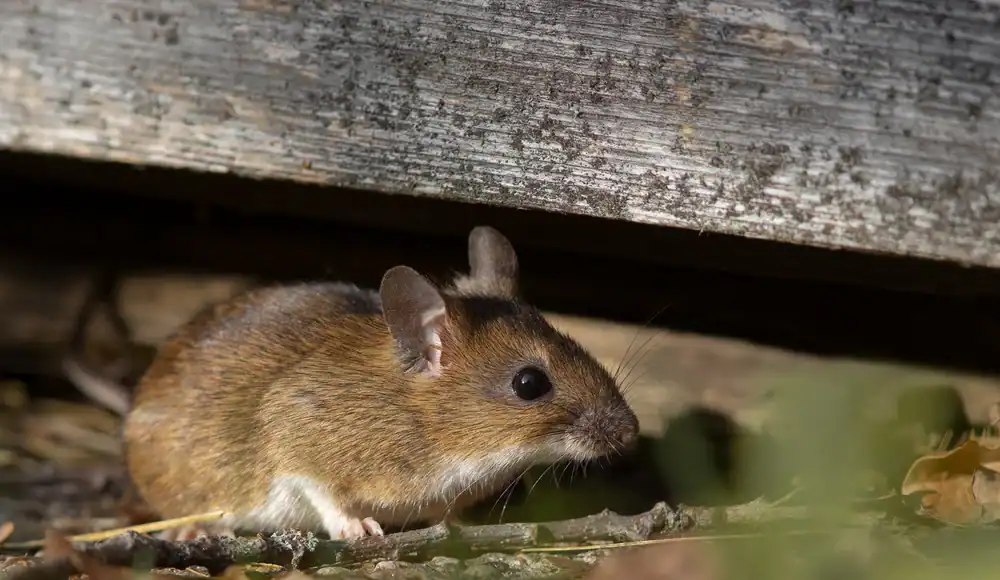
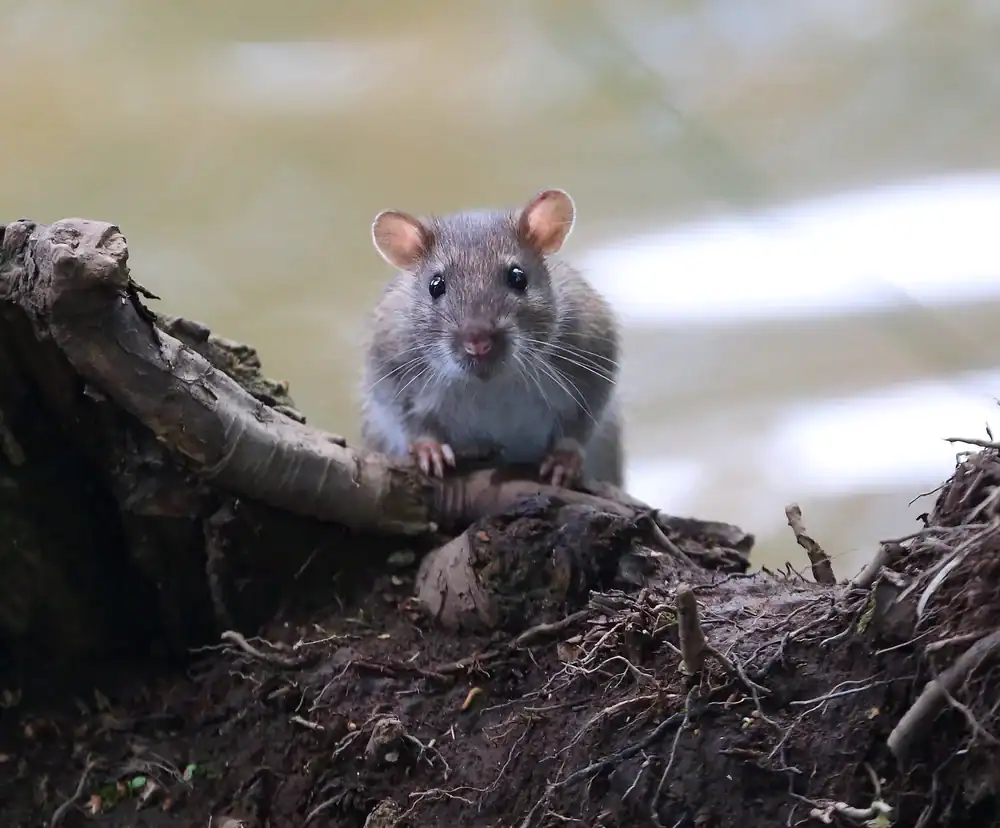
Living next to Hammock Creek and the surrounding saltwater marsh means your home is always within reach of the rodent population that calls that habitat home. When water levels rise after a storm or heavy rain, those animals don’t stay in the marsh — they move toward the nearest dry, warm structure. In Aripeka, that’s often an attic or a wall cavity in an older wood-frame home that’s developed a gap or two over the years.
Once rodent control in Aripeka is handled correctly, what changes isn’t just the scratching at night. It’s the air quality in your home, because contaminated attic insulation stops circulating through your HVAC system. It’s the peace of mind that comes from knowing the entry points are sealed — not just trapped around. And it’s the confidence that the scent trails rodents use to find their way back have been eliminated, so you’re not solving the same problem again in six months.
Aripeka’s older housing stock makes professional inspection especially important here. A half-inch gap in aging fascia or a deteriorated roof vent is all a roof rat needs. You can’t find those from the ground, and a hardware store trap doesn’t address them. A thorough inspection does.
We’re a family-owned business serving Hernando and Pasco County — the exact two counties that Aripeka straddles at the Hammock Creek county line. This isn’t a franchise routing your call through a regional office. When you call, you’re talking directly to the owner, who has been working in these coastal communities long enough to know what marsh-edge homes in Aripeka deal with and what it actually takes to fix it.
We hold a BBB A+ rating, are licensed by the Florida Department of Agriculture and Consumer Services under Chapter 482 F.S. through 2027, and have earned over 100 five-star Google reviews from real customers across the service area. Quotes are given over the phone for most jobs — no drawn-out sales appointment required. We answer calls personally, 24 hours a day, seven days a week, with a guaranteed response within 24 hours.
We offer special discounts for new homeowners and military families. If you’ve recently purchased a property near Osowaw Boulevard or along Hammock Creek and discovered your home came with uninvited residents, ask about the new homeowner discount when you call.
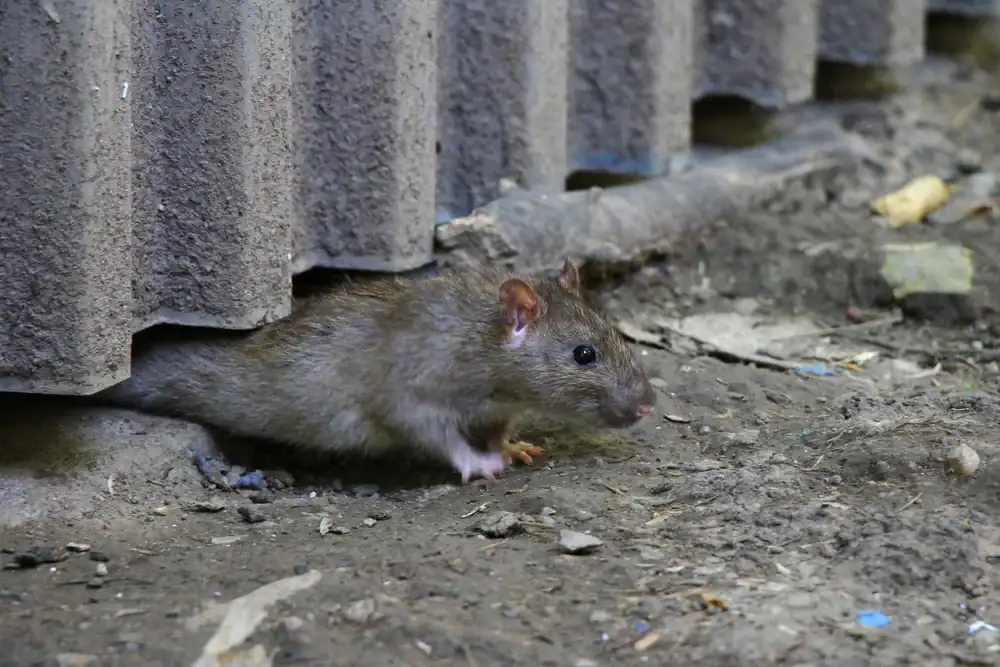
It starts with a phone call. For most jobs, we can give you a quote right there — no appointment needed just to find out what something costs. Once you’re ready to move forward, the process begins with a thorough on-site inspection of your home’s exterior and interior access points. In Aripeka’s older wood-frame homes, that means checking soffits, roof vents, fascia boards, utility line penetrations, and anywhere else that years of humidity and salt air may have created an opening. These are the spots that standard pest control companies miss and that rodents absolutely do not.
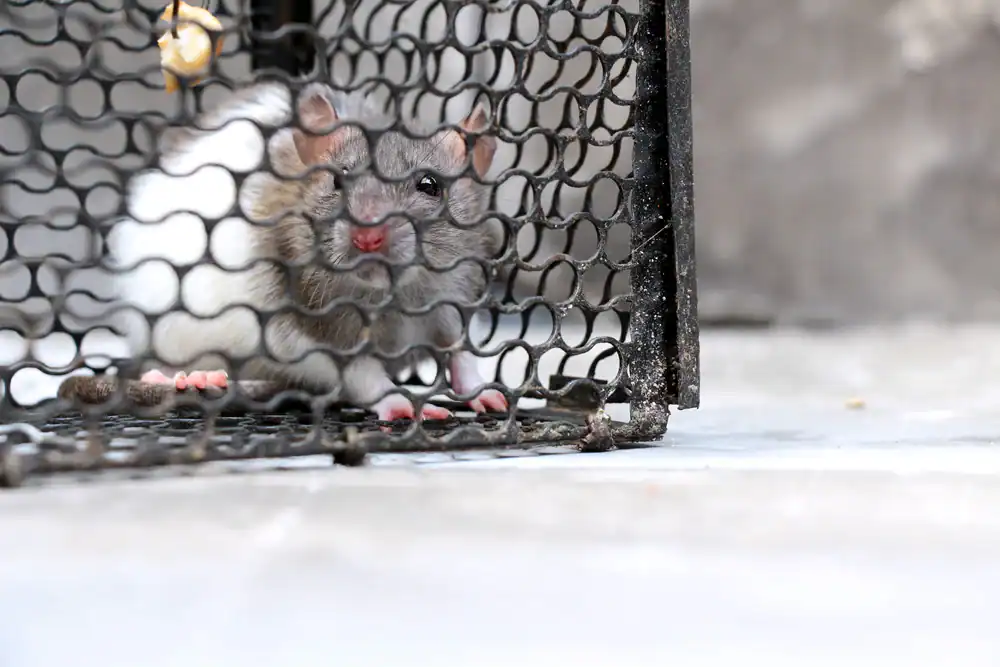
After the inspection, we place mechanical traps strategically — not scattered randomly. We use trap-based removal, not rodenticide bait. That matters in a community like Aripeka, where pets share the yard with the same hawks and osprey that hunt the marsh. Poison bait doesn’t stay contained to the target animal. A trap does. It also means no rodent dies inside a wall cavity and spends the next three weeks reminding you it’s there.
Once the population is removed, we seal the entry points identified during the inspection. Then we sanitize the affected areas — typically attic insulation and the surfaces rodents traveled across. That sanitization step eliminates the scent trails that would otherwise guide the next wave of animals from the marsh straight back through the same routes. In Aripeka’s environment, skipping that step isn’t an option.
Ready to get started?
Rodent control in Aripeka covers more than trapping. Our full service includes the initial inspection, mechanical trap placement and monitoring, complete entry point identification, structural exclusion work to seal access gaps, attic rodent decontamination where needed, and scent trail sanitization to prevent reinfestation. Each step is connected — skipping any one of them leaves the door open for the problem to return, which is especially relevant here given the permanent rodent pressure from the Aripeka Sandhills Preserve and surrounding tidal marsh to the east and west.
The roof rat is the primary species in this area, and it’s a climber. It uses overhanging tree branches, utility lines, and the dense coastal vegetation common in Aripeka to reach rooflines. Our inspection process accounts for that — not just the obvious gaps, but the access routes that make those gaps reachable. For homes on the Hernando County side of Hammock Creek and those on the Pasco County side alike, the structural vulnerabilities are similar: aging construction, wood-frame details, and the accelerated weathering that comes with a Gulf Coast environment.
No permits are required for standard trapping and exclusion work in either Hernando or Pasco County. If attic decontamination involves insulation replacement at a scope that requires a building permit, the relevant county building department can confirm requirements — and we’ll walk you through what’s needed.
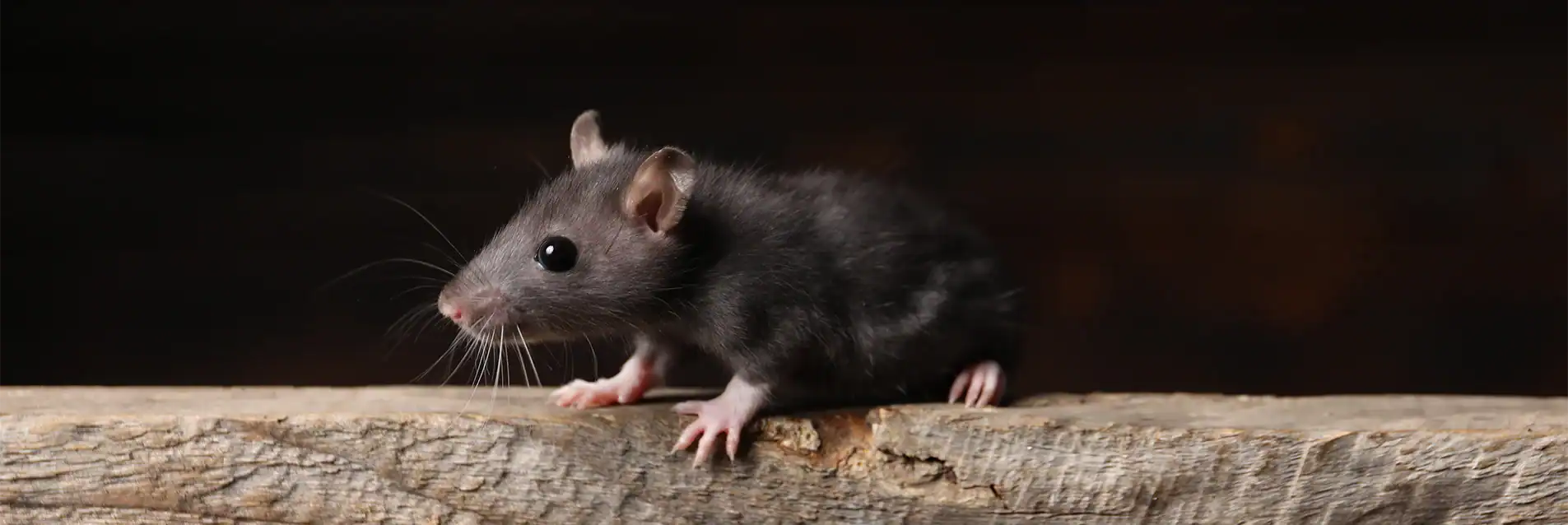
Nighttime scratching in an attic almost always means roof rats. They’re nocturnal, they’re active year-round in Florida’s climate, and they’re extremely common in marsh-edge communities like Aripeka. The tidal wetlands surrounding Hammock Creek sustain a permanent wild rodent population, and older homes with aging soffits, wood fascia, and deteriorating roof vents give those animals easy access to a dry, warm space.
One important thing to understand: it’s rarely just one rat. Roof rat family groups in Florida attics typically number five to fifteen animals. The scratching you hear at night is a colony, not a stray. The longer it goes unaddressed, the larger and more entrenched the group becomes — and the more contamination accumulates in your insulation. A professional inspection will confirm what’s there and where they’re getting in, which is the only way to actually solve it rather than just reduce it temporarily.
Yes, and it’s one of the most consistent patterns in coastal pest control. When the marsh floods — whether from a storm, elevated tidal activity, or the heavy seasonal rains that hit this part of Hernando and Pasco County every summer — ground-dwelling rodents are displaced from their natural habitat. They move toward higher, drier ground, and in Aripeka, that often means a residential roofline or attic.
The flooding on CR 595 through the heart of town is a known, recurring event. Residents who’ve lived here for a while have seen it happen repeatedly. What many don’t connect is that the rodent complaints that follow a flooding event aren’t coincidental — they’re predictable. If your home has any unsealed gaps at the roofline or around utility penetrations, a flood event is exactly when those gaps get found. Getting an inspection done before the next storm, rather than after, is the more practical approach.
This is one of the most important questions to ask, and the honest answer is no — not in an environment like Aripeka’s. Rodenticide bait doesn’t stay contained to the target animal. When a poisoned rat or mouse is consumed by a bird of prey, a hawk, an osprey, or a family pet, the toxin transfers. The area around Aripeka, including the adjacent Aripeka Sandhills Preserve and the tidal marsh along the Gulf, is active wildlife habitat. Secondary poisoning is a real and documented risk in environments like this.
We use mechanical traps exclusively — no rodenticide bait. That approach eliminates the secondary poisoning risk entirely. It also eliminates the scenario where a poisoned rodent dies inside a wall cavity and creates an odor problem that can last weeks and is extremely difficult to remediate. For a community that lives alongside this kind of wildlife habitat, trap-based removal isn’t just the safer choice — it’s the right one.
Roof rats are climbers, which is what makes them so difficult to keep out without a professional inspection. They use overhanging tree branches, utility lines, and climbing vegetation to reach rooflines, and then they look for gaps — around soffits, roof vents, fascia boards, plumbing stacks, and utility line penetrations. A gap half the size of a quarter is enough for a roof rat to squeeze through.
In Aripeka specifically, the combination of older wood-frame construction and a high-humidity, salt-air coastal environment accelerates the kind of weathering that creates those gaps. Fascia boards rot. Soffit panels warp and separate. Roof vents deteriorate. These aren’t signs of neglect — they’re what happens to older homes in this environment over time. A thorough exterior inspection identifies every one of those entry points so they can be sealed, which is the only long-term solution. Trapping without sealing just creates a vacancy for the next animal from the marsh.
Attic decontamination involves sanitizing the surfaces, insulation, and structural areas that rodents traveled across, nested in, and contaminated with urine and droppings. In Florida’s climate, attic temperatures in summer regularly exceed 130 degrees. At that heat, contaminated insulation doesn’t just sit there — it off-gasses, and if your HVAC system draws air through the attic space, that contaminated air can circulate into your living areas. For anyone with respiratory sensitivities, that’s a real health concern.
Beyond the air quality issue, rodent urine leaves chemical scent trails that other rodents follow. Those trails are essentially a map that guides new animals from the surrounding marsh habitat directly back to the same entry points your previous infestation used. Sanitization eliminates those trails. Without it, you’re solving the immediate problem but leaving the invitation open for the next wave. In Aripeka’s environment — where the rodent population in the surrounding wetlands isn’t going anywhere — skipping decontamination means a higher probability of dealing with the same problem again within a year.
Yes. We offer a discount specifically for new homeowners, and it’s particularly relevant in Aripeka right now. The community has seen genuine interest from buyers attracted to its waterfront character and Gulf Coast setting, and many of those buyers are purchasing older homes that come with the charm — and the structural vulnerabilities — of coastal construction. Discovering a rodent problem after closing is more common than most buyers expect, especially in wood-frame homes that have been sitting near tidal marsh for decades.
The new homeowner discount is a straightforward way to get a professional inspection and removal service done without absorbing a full-price bill on top of everything else that comes with a new property. It’s available to residential customers who have recently purchased a home in the service area. When you call, mention that you’re a new homeowner and ask about current pricing — most quotes are given over the phone, so you’ll know what you’re looking at before anyone sets foot on your property.