
Fast, reliable pest control from Hernando County’s most trusted family-owned team—with most quotes given over the phone.
Contact Info
Fast, reliable pest control from Hernando County’s most trusted family-owned team—with most quotes given over the phone.
Contact Info
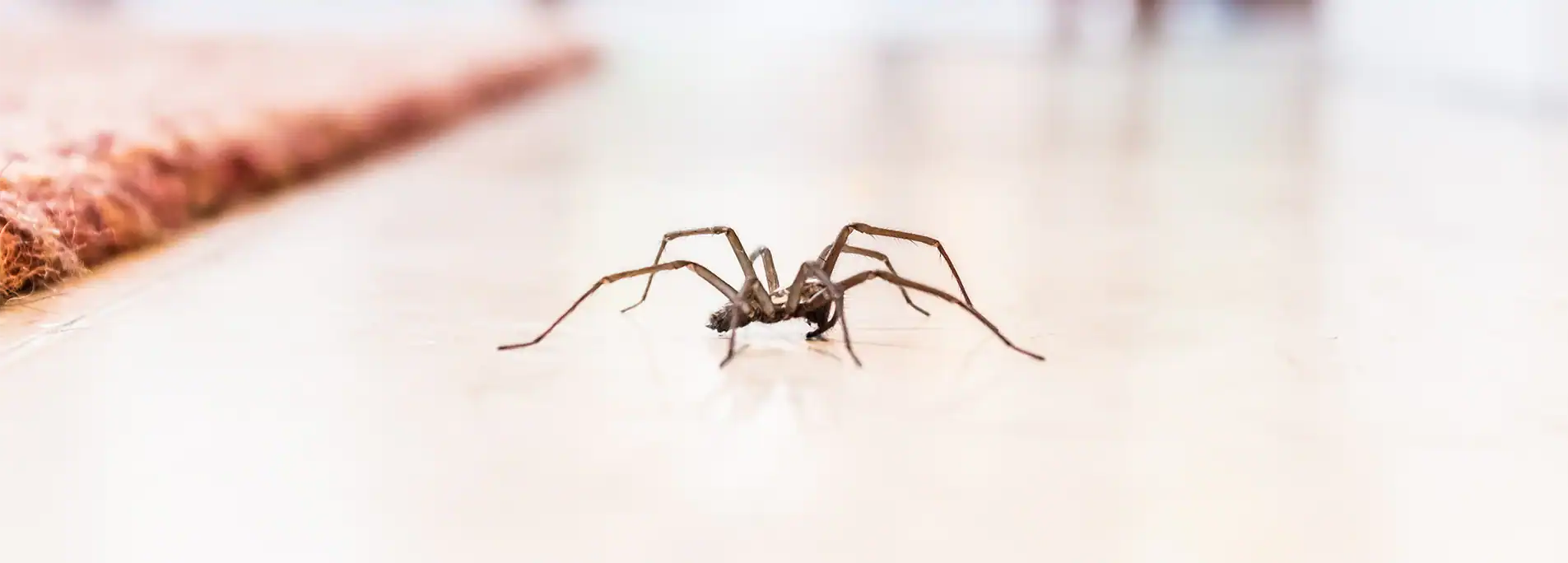
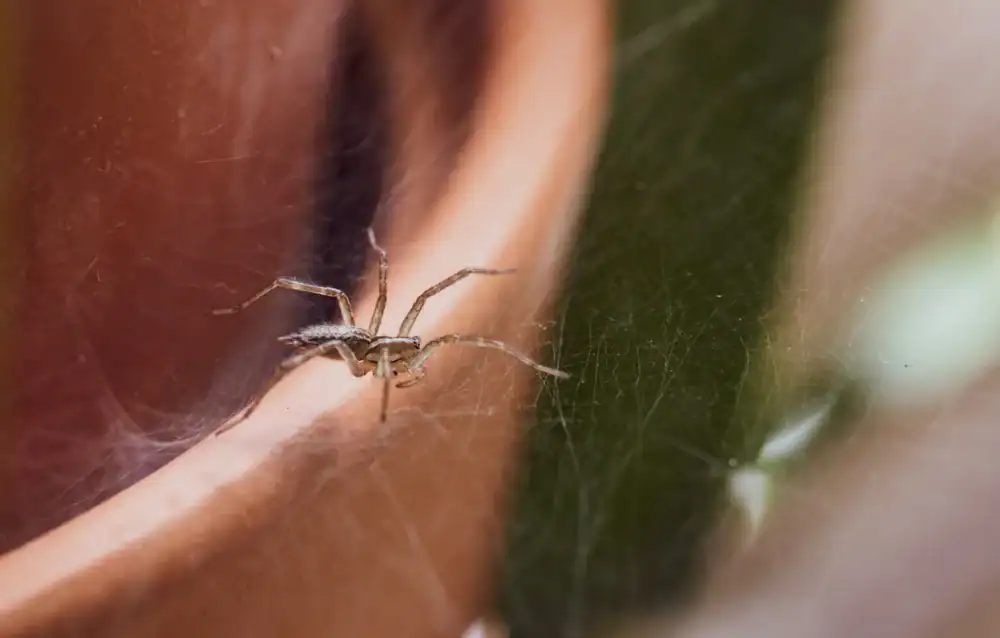
Aripeka is one of the most naturally beautiful places on Florida’s Gulf Coast — and one of the most spider-active. When your home sits inside 120 acres of marsh, preserve, and spring-fed wetland, you’re not just near spider habitat. You’re in it. The insect density that comes with that environment is exactly what draws spiders to your eaves, your crawl space, and the underside of your elevated home.
What changes after a proper treatment isn’t just the spider count — it’s the confidence to walk out to your dock at night, let your kids play on the porch, and stop checking the corners every time you go into the storage shed.
For homes on pilings — which describes a lot of Aripeka — the dark, undisturbed void beneath the structure is prime real estate for black widows and brown widows. We treat that space first because it’s where the problem actually lives.
Aripeka is the only community in this region that sits in two counties at once — Pasco on one side of Hammock Creek, Hernando on the other. We hold an active FDACS license covering both counties, which means you’re not an edge case in our service area. You’re squarely in it, regardless of which side of the South Hammock Creek Bridge your property sits on.
This is a family-run operation. The owner answers the phone, handles the quote, and shows up to do the work. There’s no rotating crew, no franchise playbook, and no call center between you and the person treating your home.
With over 109 five-star Google reviews from real Hernando and Pasco County homeowners and BBB Accreditation since 2022, the track record speaks for itself. In a community like Aripeka, where word travels fast, that kind of reputation is built on showing up and doing the job right.

It starts with a phone call — not a sales visit, not a scheduling form, not a waiting game. You describe what you’re seeing, where you’re seeing it, and what your property looks like. Based on that, you get a real quote over the phone. We don’t send someone out to Aripeka just to hand you a number.
Once you’re ready to move forward, the treatment is built around your specific property. For elevated homes, that means treating beneath the structure where widow spiders tend to nest — not just spraying the perimeter and calling it done. Eaves, entry points, outdoor structures, and any harborage areas that match what you described on the call are all part of the process. We include spider de-webbing services in Aripeka because leaving webs in place after treatment just invites the next generation back faster.
Aripeka’s flooding patterns matter here too. When County Road 595 goes under and water levels rise through the surrounding marsh, ground-dwelling spiders get pushed toward any elevated structure nearby — including yours. If you’re calling after a flood event or in the weeks following a storm like Helene, that context shapes how we treat and what we focus on. You’ll know exactly what was done and what to watch for after we leave.

Ready to get started?
Spider control in Aripeka isn’t one-size-fits-all, and it shouldn’t be. A waterfront home on pilings near the Gulf has different needs than an inland ranch house. The service reflects that. We handle venomous spider removal in Aripeka by identifying and targeting black widow and brown widow harborage areas — the crawl spaces, dock structures, bait storage areas, and shaded overhangs where these species actually nest. If you’re finding them under your porch boards or in your tackle shed near the water, those locations are exactly where we focus our treatment.
Our outdoor spider barrier treatments in Aripeka create a treated perimeter that discourages spiders from crossing into living spaces and outdoor areas. Given the density of flying insects attracted to the marsh and Gulf water surrounding the community, webs return faster here than in inland towns — so barrier maintenance matters more, not less. We include spider web removal from eaves as part of the treatment process, not an add-on, because active webs signal active harborage and removing them is part of breaking the cycle.
We also address wolf spider extermination in Aripeka directly. Wolf spiders don’t build webs — they hunt, which means they show up anywhere and at any hour. They’re common in the sandhill habitat bordering the Aripeka Sandhills Preserve, and they push into homes especially during periods of high insect activity or rising water. We target both the spiders and the conditions that draw them in. Black widow prevention in Aripeka is built into every treatment for elevated and waterfront properties — because in this environment, prevention isn’t precautionary. It’s necessary.
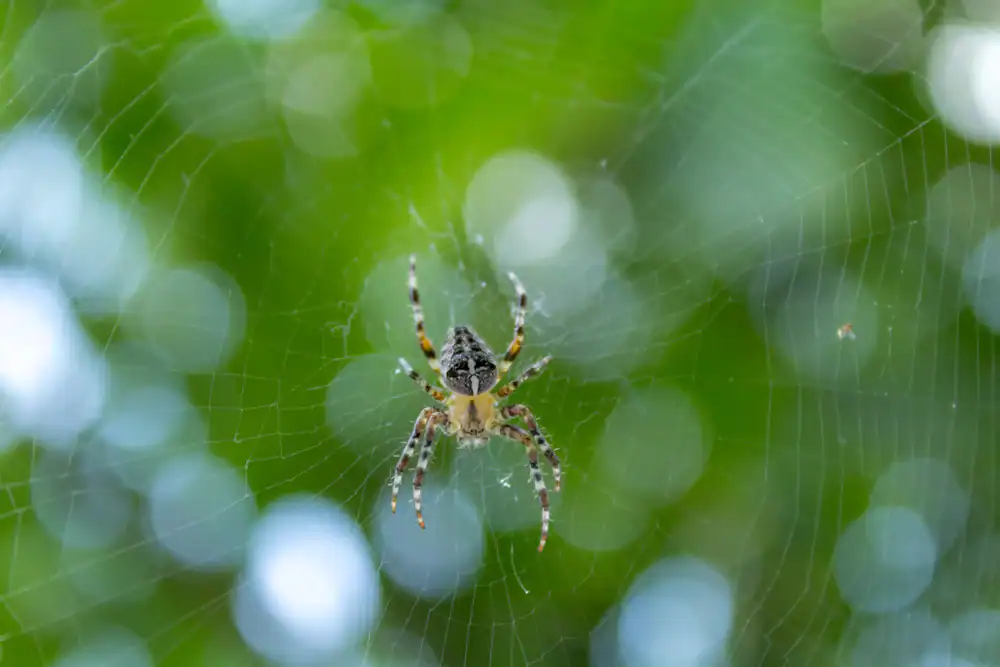
Yes — and they’re more common in Aripeka’s specific housing stock than most people expect. Black widows prefer dark, undisturbed spaces with low foot traffic and consistent shelter. The underside of an elevated home on pilings checks every one of those boxes. Dock structures, bait storage sheds, equipment areas, and shaded overhangs near the water are also high-risk zones. Both the southern black widow and brown widow are documented species in Pasco and Hernando counties, and the marsh-adjacent environment surrounding Aripeka supports the insect prey populations that keep them well-fed and established.
If you’ve spotted one, the honest answer is that where there’s one widow spider, there are usually more nearby. They don’t travel alone — they colonize suitable harborage areas. A professional inspection of the underside of your structure and any dark storage spaces is the only reliable way to know what you’re actually dealing with before it becomes a bigger problem.
Almost certainly not. Brown recluse spiders are not native to Florida and do not have established populations in Hernando or Pasco County. Despite how often the name comes up, genuine brown recluse infestations in Florida are extremely rare and almost always traced to items shipped in from out of state. What you’re most likely looking at is a wolf spider, a huntsman spider, or a domestic house spider — all of which are common in Aripeka’s coastal and sandhill environment and can look alarming due to their size.
That said, “probably not a brown recluse” doesn’t mean the spider is harmless or that the situation doesn’t warrant attention. Wolf spiders are large, fast, and a sign that your home has enough insect activity to sustain a hunting spider population. Brown widows, which are present in this area, are also sometimes misidentified. If you’re not sure what you found, don’t guess — a professional identification is the only way to know for certain what species you’re dealing with and what the right response is.
Significantly. When water levels rise through the marshland surrounding Aripeka — whether from a named storm like Helene, a heavy rain event, or the routine flooding that affects County Road 595 — ground-dwelling spiders lose their habitat and move. They don’t disappear. They relocate to the nearest elevated, dry structure they can find, and in Aripeka, that’s often your home.
Wolf spiders are the most commonly displaced species during flood events, but widow spiders can also be pushed from their ground-level harborage into elevated structures. If you’re seeing a sudden spike in spider activity inside or under your home after a flooding event, that’s not coincidence — it’s displacement. Post-flood spider control in Aripeka should address both the immediate population that’s moved in and the harborage conditions that will keep them there if left untreated. Waiting it out rarely works, because once spiders establish in a new location, they stay.
De-webbing removes the physical webs — the visible ones on your eaves, under your porch, around your entry points, and on outdoor structures. It’s an important part of the process because active webs signal active harborage, and leaving them in place after a chemical treatment just gives the next generation a ready-made structure to move into. But de-webbing alone doesn’t solve the problem. It’s cosmetic without the treatment behind it.
A full spider treatment addresses the harborage areas where spiders are actually living and nesting, applies barrier products that deter new spiders from crossing into treated zones, and reduces the insect prey population that’s drawing spiders to your property in the first place. In Aripeka, where the surrounding marsh and Gulf water create unusually high insect density, webs return faster than they would in an inland community. That’s why we include spider de-webbing as part of the treatment process here — not as a standalone cosmetic fix — and why barrier maintenance is part of keeping results lasting.
More frequently than for an inland home, and that’s not a sales answer — it’s a function of your environment. Aripeka’s location surrounded by tidal marsh, Gulf water, and two freshwater springs means the insect prey population that sustains spiders never really drops off. There’s no dry season that starves them out, no cold snap that resets the population. Year-round insect activity means year-round spider activity, which means a one-time treatment will only take you so far.
For most waterfront and elevated properties in Aripeka, quarterly treatments are the realistic standard for keeping spider populations consistently low. That cadence allows barrier products to stay effective, gives you a scheduled touchpoint to catch new harborage before it becomes an established colony, and keeps the underside of your structure — the highest-risk zone for widow spiders — regularly inspected and treated. Some homeowners in higher-exposure situations, particularly those with working docks or open bait storage, benefit from more frequent visits. The right answer depends on your specific property, which is exactly what the phone quote conversation is designed to figure out.
Yes — new homeowners and military families both qualify for special pricing. In Aripeka specifically, the new homeowner discount is particularly relevant right now. Hurricane Helene’s 2024 storm surge hit coastal Hernando County hard, and a number of Aripeka properties were flooded, gutted, and are now being rebuilt or sold to new buyers doing renovation work. If you’re moving into a property that went through that — or any property you’ve recently purchased — establishing a clean pest control baseline before you’re fully settled in is one of the smarter early investments you can make.
Older homes in Aripeka, some with roots going back to the community’s earliest settlement periods, tend to have more entry points, more structural voids, and more established harborage conditions than newer construction. Getting ahead of that on day one is easier and less expensive than addressing an established infestation six months in. The discount is a straightforward way to make that first step easier for buyers who are already managing the costs of a new property. Call to ask about current pricing — most quotes are handled right over the phone.