
Fast, reliable pest control from Hernando County’s most trusted family-owned team—with most quotes given over the phone.
Contact Info
Fast, reliable pest control from Hernando County’s most trusted family-owned team—with most quotes given over the phone.
Contact Info
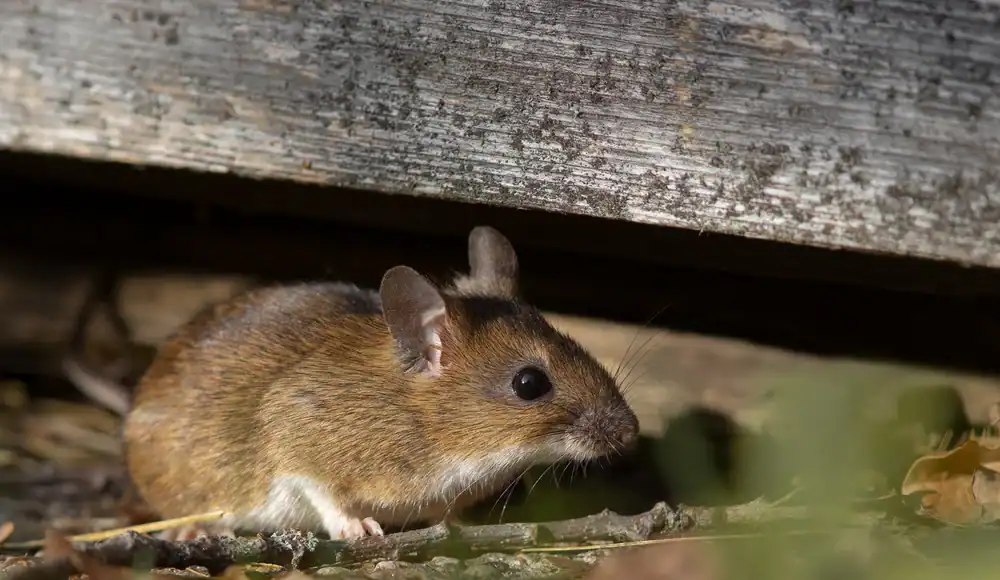

If you’ve been lying awake listening to something move around in your attic, you already know the DIY traps from the hardware store aren’t cutting it. That’s not a reflection on you — it’s just the reality of what you’re dealing with. A single snap trap doesn’t address the family of 5 to 15 roof rats that’s already established in your insulation, and it does nothing about the entry points or scent trails that will guide the next wave straight back in.
Homes along the Ayers Road corridor sit on the edge of what FDOT planning documents literally describe as “mostly undeveloped pasture.” That’s not a scenic detail — that’s a constant source of rodent pressure against your structure. When that land gets mowed, flooded during rainy season, or disturbed by construction activity like the ongoing Ayers Road extension study, displaced rodents move fast and they move toward the nearest shelter. In this area, that’s your home.
The good news is that a thorough, methodical approach actually solves this. Not just removes a few animals, but closes the entry points, eliminates the scent trails, decontaminates the attic, and gives you a clear picture of what happened and what to watch for. That’s what you get when the job is done right — not just a quieter attic for a few weeks.
We’re a family-owned business serving Hernando County — including the rural, unincorporated communities along the CR 576 corridor near Ayers that larger companies tend to treat as an afterthought. When you call, the owner answers. Not a dispatcher, not a franchise rep, not someone reading from a script. The person who picks up is the same person who knows your area, understands what roof rat pressure looks like on a rural Hernando County property, and will give you a straight quote without making you wait for an in-home consultation first.
Over 100 verified five-star Google reviews from Hernando and Pasco County homeowners, an A+ BBB rating, and FDACS licensure through 2027 under Chapter 482 F.S. — those aren’t claims you have to take on faith. Every one of them is publicly verifiable before you ever make a call. We offer special discounts for military families and new homeowners in the Ayers area, including those who’ve recently moved into properties along the Trillium corridor or elsewhere near Ayers Road.
It starts with an inspection — a real one, not a five-minute walkthrough. Attic access, crawl spaces, roofline, utility penetrations, soffits — every potential entry point gets evaluated. On a rural Hernando County property, that list is often longer than a homeowner expects. Older construction on larger lots tends to have more surface area and more structural gaps than a newer subdivision home, and the surrounding environment means there’s consistent pressure testing those gaps year-round.
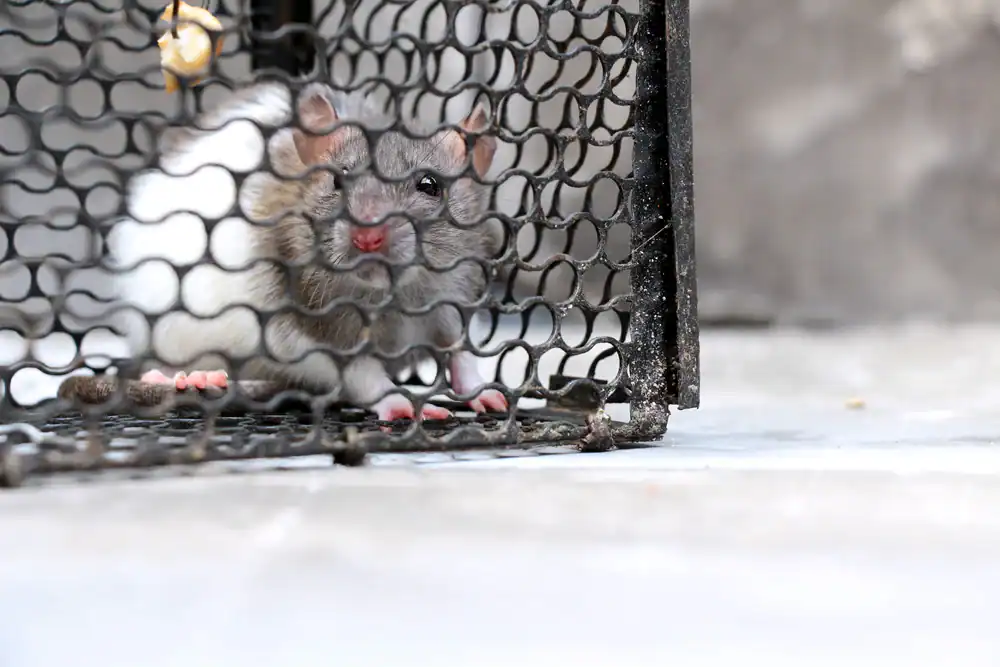
Once the scope is clear, we place mechanical traps in the active areas — attic, wall voids, anywhere evidence points. No rodenticide. No bait stations. This matters especially if you have dogs, cats, or any outdoor animals on your property. Secondary poisoning from rodenticide is a real risk, and it’s one this method eliminates entirely. After the rodents are removed, the scent trails they left behind get sanitized. This step is what separates a treatment that holds from one that just resets the clock. Rodent urine contains chemical signals that actively guide other rodents back to the same entry points — if those trails aren’t addressed, the problem comes back.
The job closes with attic decontamination where needed, a full entry point report, and a clear explanation of what you’re looking at structurally. You’ll know exactly what was found, what was done, and what to keep an eye on going forward.
Ready to get started?
Roof rats are the dominant rodent pest in this part of Florida, and they cause damage that goes well beyond the scratching sounds that first get your attention. In attics — especially in the kind of older rural construction common along the Ayers Road corridor — they chew through wire insulation, contaminate insulation with urine and droppings, and create conditions that become a documented fire and health hazard the longer they go unaddressed. Florida’s year-round warm climate means there’s no cold season to slow the breeding cycle. A family that moves in during fall will have multiplied significantly by spring.
Our service includes a detailed inspection, professional trap placement using mechanical traps only, scent trail sanitization, attic decontamination, and a written entry point report. Every step is handled under active FDACS licensure — no unlicensed subcontractors, no handoffs. Because Ayers is unincorporated Hernando County, all work is performed under state Chapter 482 F.S. structural pest control requirements, which govern every licensed operator in Florida regardless of whether the address is inside a city limit or not.
If you’ve recently purchased a home in the Ayers area — whether it’s near the Trillium development off CR 576 or further out along the rural stretches of Ayers Road — a professional inspection before you’re fully settled in is one of the more practical things you can do. Attic infestations in this area are common in homes that have sat vacant or been through ownership transitions, and catching it early is significantly less expensive than dealing with it after the colony has had a full season to grow.
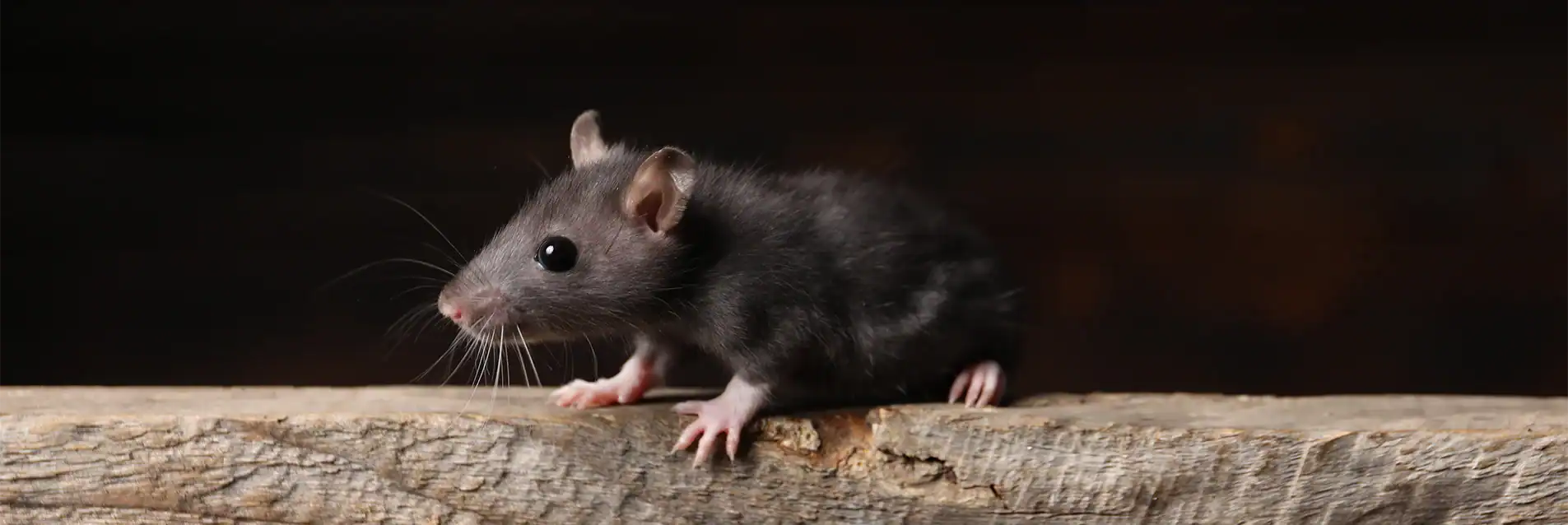
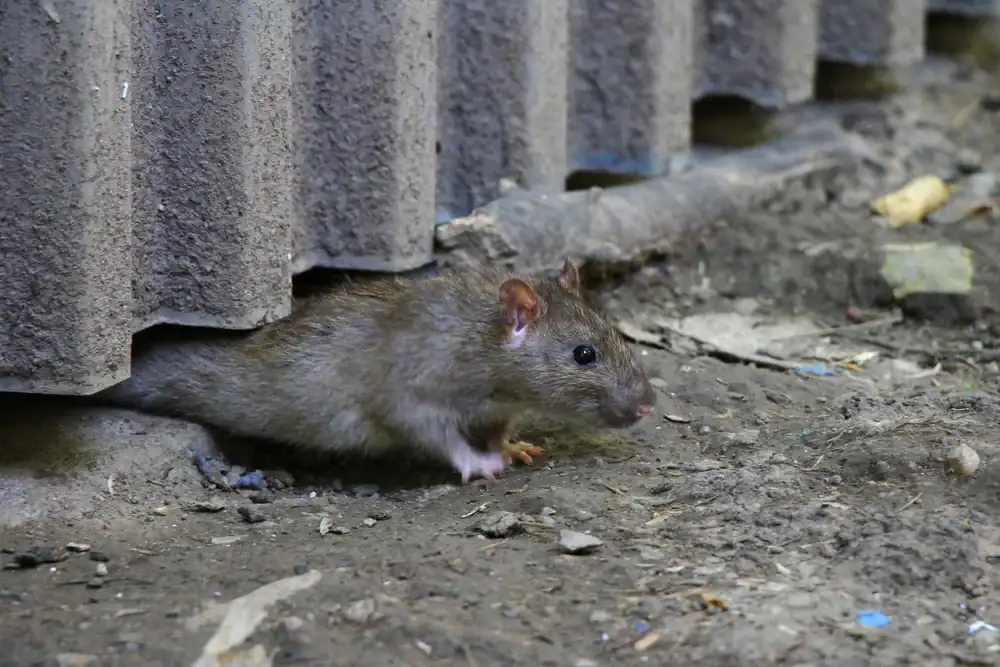
The signs are different enough that it’s worth knowing which you’re dealing with, because the behavior and the treatment approach aren’t identical. Roof rats are the more common problem in this part of Hernando County — they’re climbers, which means the noise you’re hearing is almost always in the attic or upper wall cavities, typically at night when they’re most active. You might also notice droppings that are about half an inch long with pointed ends, smear marks along rafters or beams where they travel repeatedly, or chewed areas around roof vents and soffit edges.
Mice leave smaller droppings, tend to stay lower in the structure, and are more likely to be found in kitchen cabinets or utility spaces. Either way, what you’re hearing or seeing is rarely just one animal. By the time there are signs, there’s almost always an established group. A professional inspection is the only way to get an accurate picture of what you’re actually dealing with and where they’re getting in.
Catching individual rodents doesn’t solve the problem — it just removes members of a colony that will replenish itself as long as the entry points are open and the scent trails are intact. Roof rats in Florida breed year-round, which means the population in your attic isn’t static. Removing two or three animals while leaving the access points unsealed and the urine trails active is the equivalent of bailing water from a boat without plugging the hole.
Hardware store traps also don’t address the structural side of the problem. They don’t tell you where the rodents are getting in, how many entry points exist, or whether the insulation has been contaminated to the point where it needs to be replaced. A professional inspection covers all of that. The trap is one tool in a larger process — and on a rural Hernando County property with more exterior surface area and more adjacent habitat pressure than a typical subdivision home, that process matters more, not less.
This is one of the most important questions a rural homeowner can ask, and the honest answer is that rodenticide bait stations carry a real secondary poisoning risk that most product labels understate. When a rodent eats a bait station and then dies, any animal that eats that rodent — a dog, a cat, a hawk, a neighborhood animal — can absorb a lethal or near-lethal dose of the same anticoagulant. For homeowners along the Ayers Road corridor who have dogs, cats, chickens, or any outdoor animals, this is not a theoretical concern.
We use mechanical traps exclusively — no rodenticide, no bait stations, no poison anywhere on your property. This also eliminates the other major risk that comes with rodenticide: a poisoned rodent dying inside a wall cavity and creating a decomposition odor that can last weeks and is nearly impossible to locate and remove. Mechanical traps allow for clean, complete removal with none of those secondary risks.
Yes — and it’s one of the more underappreciated drivers of sudden rodent activity in this area. Land disturbance is a documented trigger for rodent migration. When fields are cleared, graded, or flooded, the rodents living in that habitat don’t disappear — they relocate, and they move fast toward the nearest available shelter. Residential structures on the edge of that disturbance are the obvious destination.
The FDOT feasibility study to extend Ayers Road east from US 41 toward I-75 covers a 38-square-mile study area, and any land clearing associated with that project will displace established field populations into adjacent homes. Residents along Dan Brown Hill Road and other rural stretches in the study corridor have already raised concerns about the project’s impact on their neighborhood. If you’ve noticed increased rodent activity in recent months, the construction and survey activity in the area is a plausible contributing factor — and it’s worth getting an inspection done before the pressure increases further.
Most rodent removal jobs in the Hernando County area fall somewhere between $200 and $700, depending on the size of the property, the severity of the infestation, and how many entry points need to be addressed. Attic decontamination, if the insulation has been significantly contaminated, typically adds $600 to $1,000 on top of that. These aren’t fixed numbers — every property is different — but they give you a realistic starting point.
What’s worth factoring in is the cost of not addressing it. Chewed wiring in attics is a documented fire hazard, and most homeowners insurance policies explicitly exclude rodent damage. Replacing compromised insulation, repairing chewed wiring, and dealing with the structural access points after an infestation has had a full season to grow costs significantly more than a timely professional treatment. We provide most quotes over the phone, so you don’t have to schedule an in-home consultation just to understand what you’re looking at financially.
Yes — Hernando County is core service territory, which includes the unincorporated rural communities along the CR 576 corridor near Ayers. This isn’t on the edge of our service map. It’s not a stretch. Homeowners in this area won’t be told they’re too far out or deprioritized in favor of denser suburban markets in Spring Hill or Brooksville.
This matters in practice because rural properties along Ayers Road tend to have more complex inspection needs than a standard subdivision home — more exterior surface area, more potential entry points, more adjacent habitat pressure from the surrounding pasture land. Serving this area well requires someone who actually understands what these properties look like and what they’re up against. The owner answers every call directly, gives quotes over the phone in most cases, and responds within 24 hours — including weekends. New homeowners who’ve recently purchased property in the Ayers area can ask about the new homeowner discount when they call.