
Fast, reliable pest control from Hernando County’s most trusted family-owned team—with most quotes given over the phone.
Contact Info
Fast, reliable pest control from Hernando County’s most trusted family-owned team—with most quotes given over the phone.
Contact Info
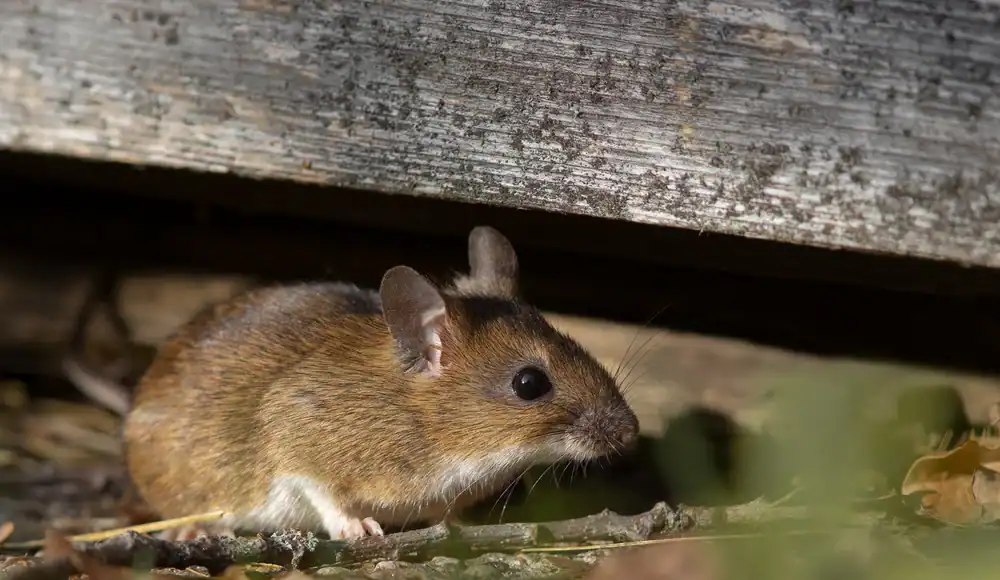

Once the work is done, the difference is immediate. No more sounds in the ceiling at night. No odor from a rodent that died inside your wall. No wondering whether your dog got into something it shouldn’t have. That’s what rodent control in Hudson should actually deliver — and it starts with using the right method from day one.
Most companies default to bait stations because they’re fast and cheap to deploy. The problem is that a poisoned rat doesn’t die at the bait station — it retreats into your wall cavity, your insulation, or somewhere behind your cabinets. What follows is weeks of odor you can’t locate and can’t fix without tearing something open. We use mechanical traps exclusively. Nothing toxic enters your home, and nothing dies where you can’t find it.
Hudson’s older neighborhoods add another layer to this. Homes in Beacon Woods and Fairway Oaks were built in the 1970s and 1980s. Decades of Gulf Coast heat, humidity, and coastal thermal cycling have done real work on soffits, fascia boards, and the sealants around AC lines and electrical conduit. Roof rats — the dominant species in coastal Pasco County — are expert climbers that can squeeze through a gap the size of a half-dollar. After trapping, we identify every entry point and communicate exactly what needs attention so the problem doesn’t come back through the same hole next season.
We’re a family-owned business serving Hernando and Pasco County — Hudson is home territory, not a stretch of the service map. The owner answers every call personally, provides most quotes over the phone, and guarantees a response within 24 hours, including weekends. No call centers, no subcontractors, no rotating technicians who don’t know your property.
That matters here more than most places. Heritage Pines, Beacon Woods, Sea Ranch Lakes — these are communities where people have owned their homes for years and expect to deal with someone who’s actually accountable. When you call on a Saturday night because something is moving in your attic, you reach the owner directly. That’s not a feature most pest companies in Hudson can offer.
Over 100 five-star Google reviews, a BBB A+ rating, and FDACS licensure through 2027 back up what we say we do. We offer special discounts for military families and new homeowners — a reflection of the community we actually serve.
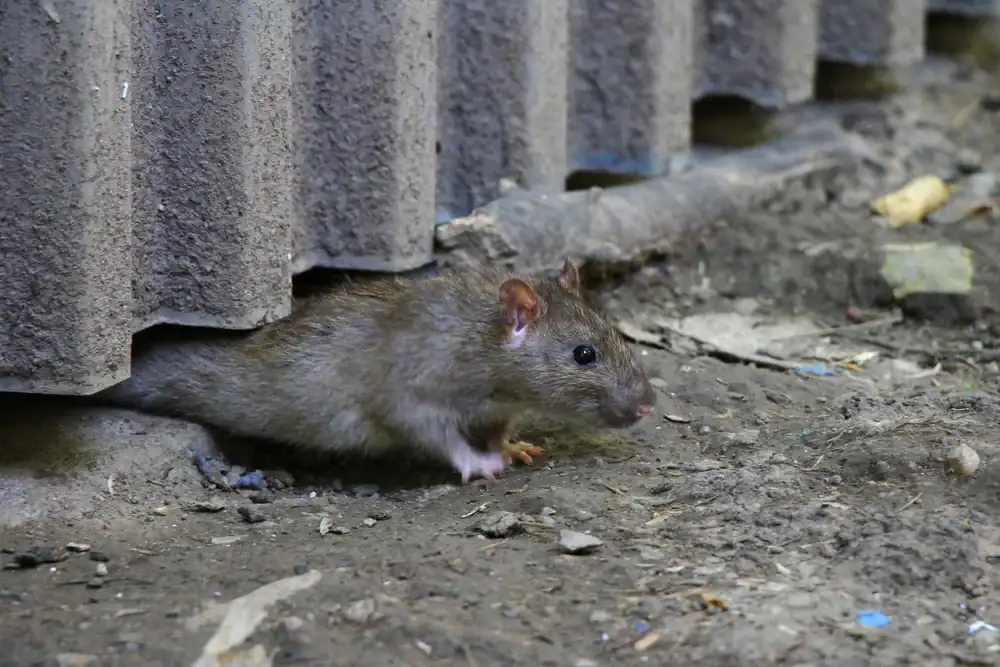
It starts with a thorough inspection. Every entry point gets identified — roof vents, deteriorating soffits, gaps around utility penetrations, and any roofline access a roof rat could use from an overhanging tree branch. In Hudson’s older neighborhoods, this step takes longer than it would in newer construction, and that’s intentional. A fast inspection misses things. The goal is a complete picture of how rodents are getting in, not just where they’re currently active.
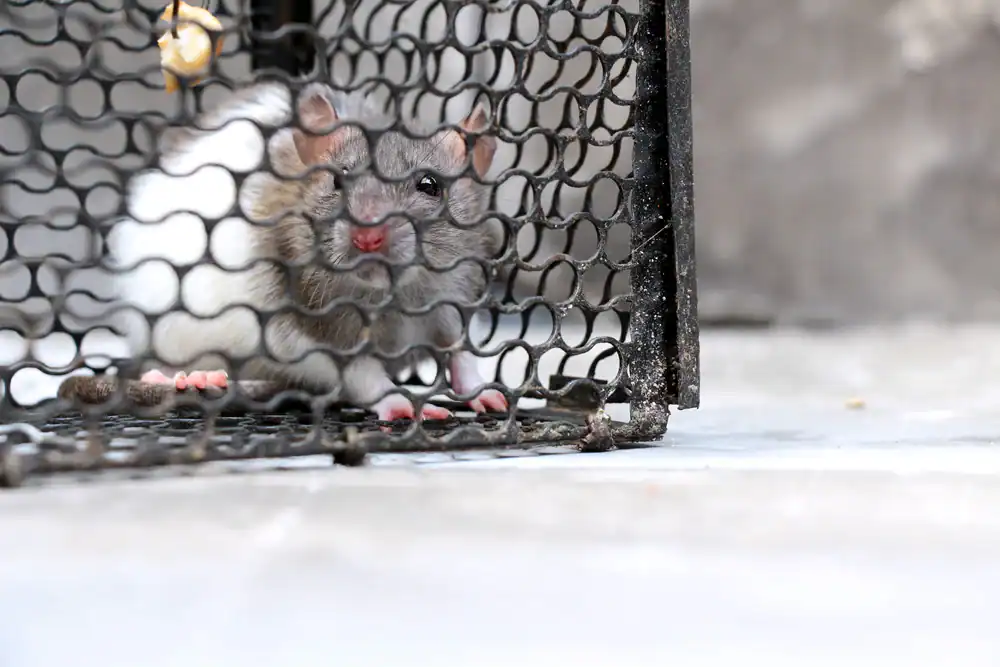
From there, we place professional-grade mechanical traps strategically based on what the inspection reveals — travel paths, nesting signs, and activity concentration. No rodenticide is used at any stage. Once trapping is complete and activity has stopped, scent trail sanitization and attic decontamination follow. This is the step most companies skip, and it’s the reason many Hudson homeowners end up calling a second company six months after the first one “treated” the problem. Rodent urine leaves chemical pheromone trails that signal safe passage to other rodents. Without sanitizing those trails, a clean attic is still an invitation.
Because Hudson is an unincorporated community under Pasco County jurisdiction, no municipal permits are required for the pest control work itself. If structural repairs are needed to close entry points — rotted fascia, failed soffits, deteriorated roof vents — we document everything and refer you to the right contractor. Depending on the scope of that repair work, Pasco County building permits may apply, and you’ll know exactly what to ask for.
Ready to get started?
Our rodent control service in Hudson, FL covers the full scope — not a series of upsells. The inspection documents every entry point and signs of current activity. Mechanical trapping targets the active population without introducing poison into your home or creating risk for pets. Scent trail sanitization removes the pheromone markers that attract new rodents after the current ones are gone. Attic decontamination addresses contaminated insulation, droppings, and nesting material that affect air quality — especially relevant in Hudson’s older homes where aging HVAC ductwork can circulate attic air directly into living spaces during summer.
For homeowners in canal-adjacent neighborhoods like Sea Ranch Lakes or Sea Pines, the service also accounts for the coastal displacement pattern that’s specific to this area. When king tides push water through Hudson’s Gulf-side canals and ground-dwelling rodents relocate upward, that’s an acute event — not a slow seasonal shift. The inspection and trapping approach reflects that urgency.
We specialize in roof rat control in Hudson, FL because this species behaves differently than Norway rats. They don’t burrow — they climb. They live in attics, not basements. They travel along fence lines, utility wires, and tree branches that reach your roofline. Every part of our process is built around how roof rats actually move and nest in coastal Pasco County, not a generic Florida pest control checklist.
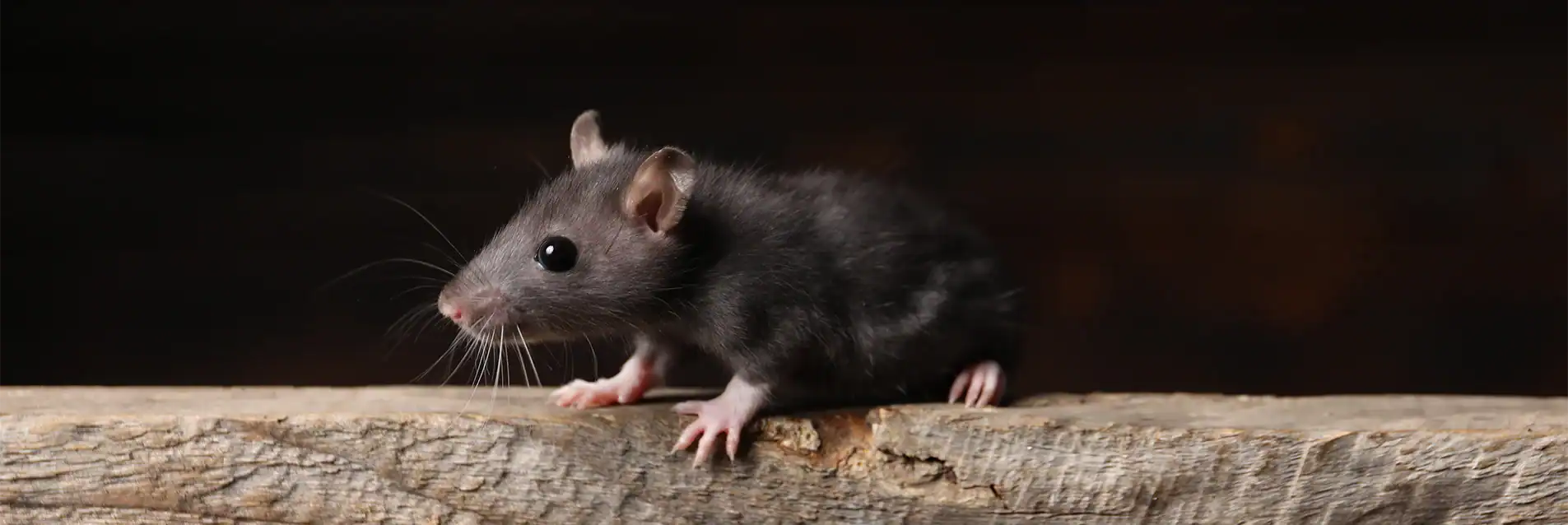
Nocturnal scratching in your attic is almost always roof rats. In Hudson and throughout coastal Pasco County, roof rats are the dominant rodent species — they’re arboreal climbers that travel through the palm trees, oaks, and pines lining your street, gain access to your roofline through overhanging branches or deteriorated soffits, and establish nesting groups in attic insulation. A single scratching sound at night rarely means a single animal. A typical roof rat colony in a Florida attic numbers anywhere from five to fifteen individuals.
The timing matters too. Roof rats are most active between dusk and dawn, which is exactly when the house is quiet and the sounds carry. In Hudson’s older neighborhoods like Beacon Woods, where homes have been standing for 40 to 50 years, the entry points are often multiple and well-established. If you’re hearing it consistently, the colony is likely already settled — not passing through.
Yes, and it’s one of the most specific rodent risk factors in Hudson that most pest companies don’t account for. When king tides push Gulf water through Hudson’s canal systems — particularly in the Sea Ranch Lakes, Sea Pines, and Briarwoods areas — ground-dwelling rodents lose their burrows and nesting sites. They relocate upward and inward, toward the nearest dry, elevated structure. Your attic qualifies.
This isn’t a gradual seasonal pressure — it’s an acute displacement event. A king tide or tropical storm flooding event along Hudson’s western canal neighborhoods can drive a rodent infestation into a previously clean attic within days. If your home sits near a canal or the Gulf-adjacent wetlands and you’ve recently experienced flooding followed by new scratching sounds, that sequence is not a coincidence. It’s a documented pattern in this specific geography, and it warrants a same-day call rather than a wait-and-see approach.
Rodenticide bait stations carry a real secondary poisoning risk for pets. When a rat consumes poison bait and retreats into a wall cavity or crawl space to die, a dog or cat that finds and eats that rodent can be seriously harmed. This is not a rare edge case — it’s a documented risk that veterinarians in Pasco County see regularly, and it’s one of the primary reasons we use mechanical traps exclusively for rodent control in Hudson, FL.
Beyond pet safety, there’s a practical problem with rodenticide that most homeowners don’t think about until it’s too late. A poisoned rat doesn’t die where you can find it. It dies inside your wall, behind your insulation, or somewhere in your attic you can’t access without major demolition. The odor that follows can last two to four weeks and is nearly impossible to eliminate without opening the structure. Mechanical trapping avoids both problems entirely — the animal is captured, located, and removed.
The entry points in Hudson’s older golf course communities are almost always the result of time and Florida’s climate doing work on building materials. Soffits deteriorate and pull away from the roofline. Fascia boards rot. Roof vent screens corrode or get knocked loose. The sealants around AC refrigerant lines, electrical conduit, and low-voltage cable — all of which penetrate the exterior wall — crack and shrink after years of Gulf Coast thermal cycling. Any one of these gaps, if it’s the size of a half-dollar or larger, is a usable entry point for a roof rat.
Golf course adjacency makes this worse for Beacon Woods and Fairway Oaks specifically. Golf course landscapes — maintained turf, water features, dense rough at the perimeter — are documented rodent habitat. The population living at the edge of those fairways is permanent, well-fed, and actively foraging into adjacent residential properties. A thorough inspection of any home in these communities should treat the roofline, soffits, and all utility penetrations as the primary focus, not just the obvious gaps.
Attic decontamination involves removing or treating contaminated insulation, cleaning up droppings and nesting material, and sanitizing the scent trails left by rodent urine. That last part is the most important and most commonly skipped step in pest control. Rodent urine contains pheromone compounds that signal safe passage to other rodents. Even after every rat in your attic has been trapped and removed, those chemical trails remain — and they will attract new rodents to the same space.
In Hudson, decontamination is particularly relevant for two reasons. First, the older insulation in homes throughout Beacon Woods, Heritage Pines, and the established neighborhoods near Hudson Beach tends to absorb and retain contamination more thoroughly than newer materials. Second, aging HVAC ductwork in these homes often has gaps or deteriorated connections that allow attic air — including whatever is in contaminated insulation — to circulate into living spaces when the system runs. During Hudson’s hot summers, that becomes an air quality issue, not just a pest issue. Decontamination is included as a standard part of our rodent control service, not an add-on.
Yes — we offer discounts for both new homeowners and military families, and Hudson is a community where both groups show up regularly. Pasco County’s Gulf Coast draws retirees relocating from the north, families buying their first Florida home, and veterans connected to the broader Tampa Bay defense community. If you’ve just closed on a property in Sea Pines, Heritage Pines, or anywhere along the US-19 corridor and you’re not sure what the previous owners left behind in the attic, getting a rodent inspection early is one of the smartest things you can do before moving furniture in.
The discounts exist because we’re genuinely invested in the communities we serve — Hernando and Pasco County are home territory, not a coverage expansion. If you’re a new homeowner or an active-duty or veteran military family in Hudson, mention it when you call. Most quotes are handled over the phone, so you’ll know exactly what the service costs before anyone comes to your door.