
Fast, reliable pest control from Hernando County’s most trusted family-owned team—with most quotes given over the phone.
Contact Info
Fast, reliable pest control from Hernando County’s most trusted family-owned team—with most quotes given over the phone.
Contact Info
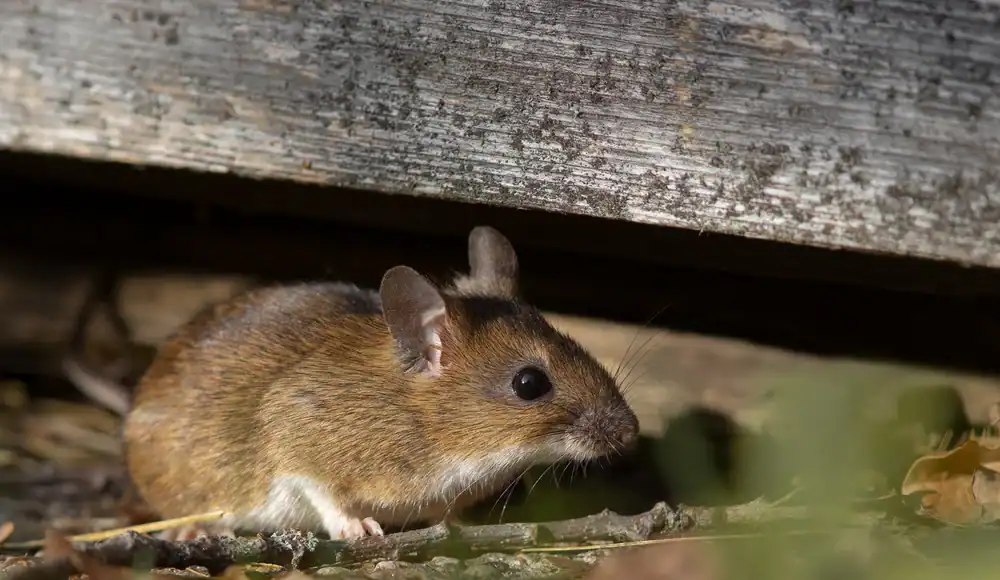
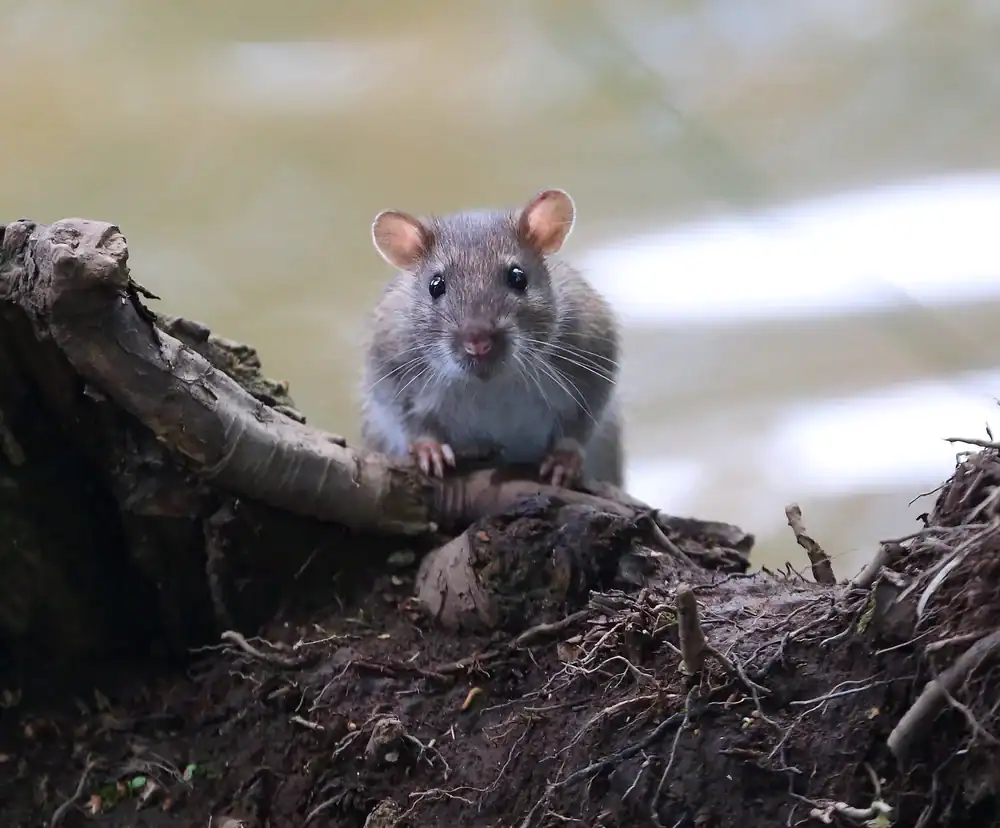
Roof rats on Pine Island aren’t just passing through. They’re sustained by the mango groves, avocado farms, and tropical fruit operations that line Stringfellow Road — and when they need shelter, your attic is exactly what they’re looking for. Once that colony is established, it doesn’t shrink on its own. Lee County’s subtropical climate means there’s no cold season to slow them down, no winter die-off, no natural reset. What starts as a few rats in June is a well-entrenched family by fall.
The outcome you’re after isn’t just fewer rats — it’s knowing the problem is actually gone. That means no scent trails left behind to attract the next wave, no entry points still open after the job is done, and no dead rodents decomposing inside a wall because someone used poison bait instead of traps. That last part matters especially here. When bald eagles and osprey are regular sights off your back porch, the secondary poisoning risk of rodenticides isn’t theoretical — it’s a real concern that we eliminate entirely by using mechanical traps only.
For seasonal homeowners returning after a summer away, that outcome also means not walking into a months-old infestation in November. And for anyone whose home took damage during Hurricane Ian, it means finally knowing whether the repairs left gaps that rodents have quietly been using ever since.
We’re a family-owned operation, and that’s not a tagline — it’s how the business actually runs. When you call, the owner picks up. Not a dispatcher, not a call center, not someone who’ll pass your information along and have a technician call you back in two days. You get a real conversation with the person responsible for the work, and most of the time, you’ll have a quote before you hang up.
That model works especially well on Pine Island, where getting anyone across the causeway requires actual coordination. You shouldn’t have to wait for a sales visit just to find out what something costs. We hold a BBB A+ rating, carry FDACS licensure through 2027 under Chapter 482 F.S., and have earned over 100 five-star Google reviews from Pine Island clients who know the difference between a company that shows up and one that just says it will. Military families and new homeowners also receive special discounts — because this community deserves that.
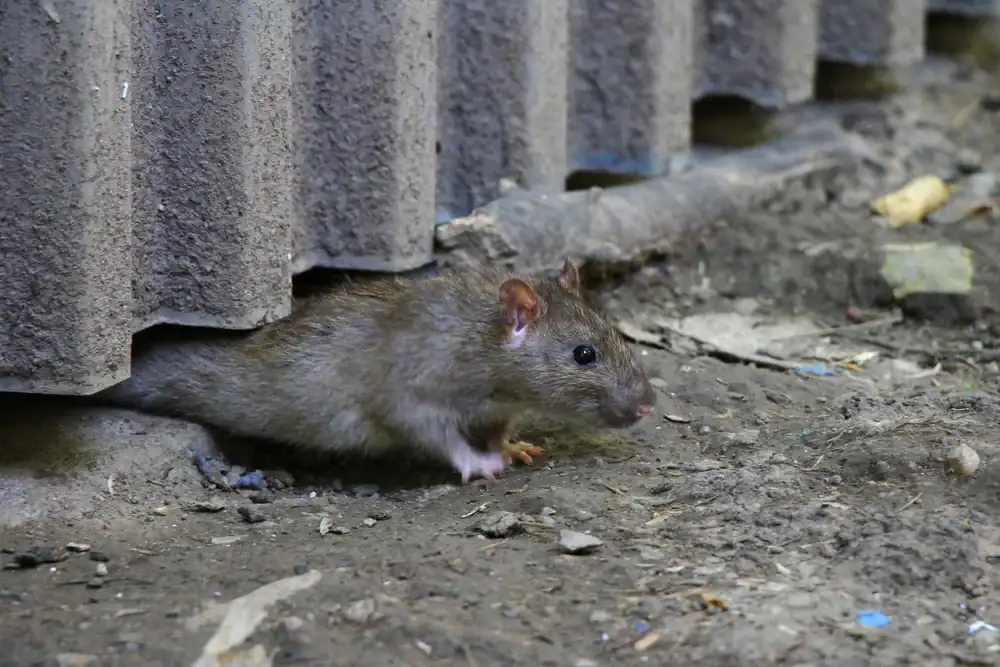
It starts with a phone call. You describe what you’re dealing with — sounds, sightings, droppings, whatever tipped you off — and we walk you through what’s likely happening and what it’ll take to fix it. No vague estimates, no pressure to schedule an in-home consultation before any numbers are discussed. Most quotes are handled right there on the call.
Once on-site, the inspection covers every area rodents actually use: the attic, wall voids, crawl spaces, and the exterior of the structure. On Pine Island, that inspection pays close attention to older soffits and fascia boards common in the island’s historic housing stock, the elevated void spaces beneath stilt homes, and any structural gaps that may have been introduced or overlooked during post-Hurricane Ian repairs. Roof rats can squeeze through a half-inch opening, and they’re good at finding the ones that aren’t obvious.
After the inspection, we place mechanical traps strategically — no rodenticides, no bait stations, no risk to the pets or wildlife sharing your property. Once the population is controlled, scent trail sanitization is completed to prevent reinfestation. You’ll also receive a full map of every entry point found, so nothing gets left open. If attic insulation has been contaminated by rodent waste, decontamination is available to address that too. The process is thorough, and you’ll know exactly what was done and why.
Ready to get started?
Rodent control on Pine Island covers more ground than most people expect when they first call. The service isn’t just trapping — it’s a full-scope process built around the specific conditions that make this island a high-pressure environment for roof rats year-round.
The inspection identifies every active entry point on the structure, with particular attention to the vulnerabilities most common in Pine Island’s older homes: aging roof vents, deteriorating fascia, gaps around utility penetrations, and the elevated understructures of stilt homes built to meet Lee County’s flood zone requirements. After trapping, we complete scent trail sanitization — a step that most homeowners don’t know exists but is critical for keeping the next wave of rodents from following the same path in. You’ll receive a full written report of every vulnerability found, even for areas that fall outside the scope of pest control, so you know exactly what needs to be addressed structurally.
For homes where rodents have been active in the attic long enough to contaminate insulation — a common situation in properties that sat vacant through a Pine Island summer — attic decontamination is available as part of the service. Contaminated insulation doesn’t just smell bad; it pulls rodent-scented air through your HVAC system into the living space and continues attracting new rodents long after the original colony is gone. Addressing it is part of solving the problem completely, not just temporarily.
Pine Island has a combination of conditions that few other places in Florida share simultaneously. The active fruit and palm farms along Stringfellow Road — growing mangoes, avocados, starfruit, and specialty citrus — provide a sustained, year-round food source that supports large roof rat populations. Those populations don’t stay on the farms. They move through the island’s dense mangrove corridors and tree canopies to reach residential structures, where they look for shelter and nesting space.
Layer on top of that a Lee County subtropical climate with no meaningful cold season, older housing stock with accumulated entry points, and a significant number of homes that sit vacant during the summer months — and you have an environment where roof rat pressure is genuinely higher than in most mainland Florida communities. The island’s three aquatic preserves and the Matlacha Pass National Wildlife Refuge also mean the surrounding ecosystem is dense and active, which keeps wildlife populations — including rodents — consistently high adjacent to residential areas.
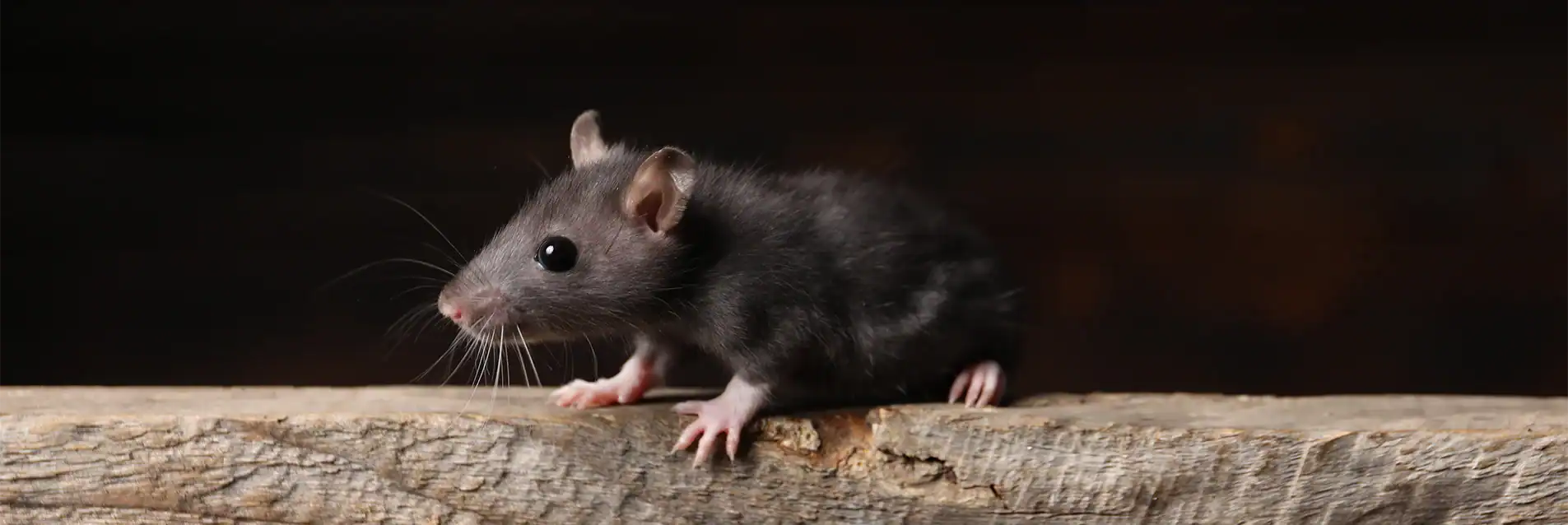
Roof rats are the dominant rodent pest in southwest Florida, and they behave differently from the mice or Norway rats that homeowners in other parts of the country are more familiar with. They’re agile climbers — they travel through tree canopies, along utility lines, and across rooftops, which is why the attic is their most common entry point. If you’re hearing scratching or movement sounds at night, particularly in the ceiling or upper walls, roof rats are the most likely explanation on Pine Island.
Other signs include dark, spindle-shaped droppings about half an inch long, greasy rub marks along walls or beams where they travel repeatedly, and gnaw marks on wood, wiring, or insulation. If you have fruit trees on your property and notice fruit being eaten from the top down — partially consumed and left on branches — that’s a strong indicator of roof rat activity nearby. A professional inspection is the only way to confirm what you’re dealing with and understand the full scope of the infestation, including how they got in and how long they’ve likely been there.
Yes, and this is something a lot of homeowners on the island haven’t thought to check. Hurricane Ian’s September 2022 landfall caused widespread structural damage across Pine Island and Matlacha — damaged roofs, compromised soffits, broken vents, displaced flashing, and gaps in the building envelope that didn’t exist before the storm. Even homes that went through full repairs may have residual vulnerabilities that weren’t identified during reconstruction, either because they were minor enough to be overlooked or because they developed afterward as repaired materials settled.
Roof rats can enter through an opening as small as half an inch. A slightly misaligned soffit panel, a vent screen that wasn’t replaced after storm damage, or a gap around a repaired utility penetration is all they need. If your home was repaired post-Ian and you’ve since noticed any signs of rodent activity — or even if you haven’t but want to confirm the structure is secure — a professional inspection is worth doing. The inspection will identify every current entry point and give you a full picture of what needs to be addressed.
This is one of the most important questions to ask, and the honest answer is no — not in an environment like Pine Island’s. Rodenticide bait stations carry a real secondary poisoning risk: a roof rat consumes the poison, and then a bald eagle, osprey, great blue heron, or other predator consumes the rat. The toxin passes up the food chain. In a community surrounded by three aquatic preserves and the Matlacha Pass National Wildlife Refuge — where bald eagles and osprey are regular sights — that risk is not abstract.
We use mechanical traps exclusively. No rodenticides, no bait stations, no risk of secondary poisoning to the wildlife that defines Pine Island’s character. Mechanical traps are also more reliable from a results standpoint: you know when a rodent has been caught, there’s no risk of a poisoned animal dying inside a wall cavity and decomposing for weeks, and the process is fully controllable from start to finish. For a community that takes its natural environment seriously, trap-based rodent control isn’t just the safer choice — it’s the only one that makes sense here.
Seasonal vacancy is one of the biggest drivers of rodent infestation on Pine Island. A home that sits unoccupied from April through November gives roof rats months of undisturbed access to establish a colony, contaminate insulation, chew wiring, and breed without interruption. By the time you return in the fall, the problem is well established — and the cost and disruption of dealing with it reactively is significantly higher than preventing it in the first place.
The smart move is a pre-departure inspection before you leave for the summer. That means a full exterior and interior assessment to identify and document every potential entry point on the structure, followed by a clear report of what needs to be sealed before you go. If any active signs of rodent presence are found, trapping can be addressed at the same time. Some seasonal homeowners also arrange for a follow-up check mid-summer. It’s a straightforward process that takes the uncertainty out of returning to your Pine Island home — and it’s the kind of thing you can set up over the phone without waiting for a sales visit.
Most rodent control services in Pine Island fall somewhere between $200 and $700 for inspection, trapping, and scent trail sanitization, depending on the size of the home, the extent of the infestation, and how many entry points are involved. Attic decontamination — which is often necessary when rodents have been active in the insulation for an extended period, particularly in homes that sat vacant through a summer — typically runs between $600 and $1,000 depending on the square footage and the level of contamination.
The best way to get an accurate number for your specific situation is to call and describe what you’re dealing with. We handle most quotes over the phone, which means you’re not waiting for a technician to drive across the Pine Island Causeway just to tell you what something costs. There are no hidden fees and no pressure — just a straightforward conversation about what’s happening in your home and what it’ll take to fix it. If you’re a new homeowner on the island or a military family, ask about the discounts available to you.
Other Services we provide in Pine Island