
Fast, reliable pest control from Hernando County’s most trusted family-owned team—with most quotes given over the phone.
Contact Info
Fast, reliable pest control from Hernando County’s most trusted family-owned team—with most quotes given over the phone.
Contact Info
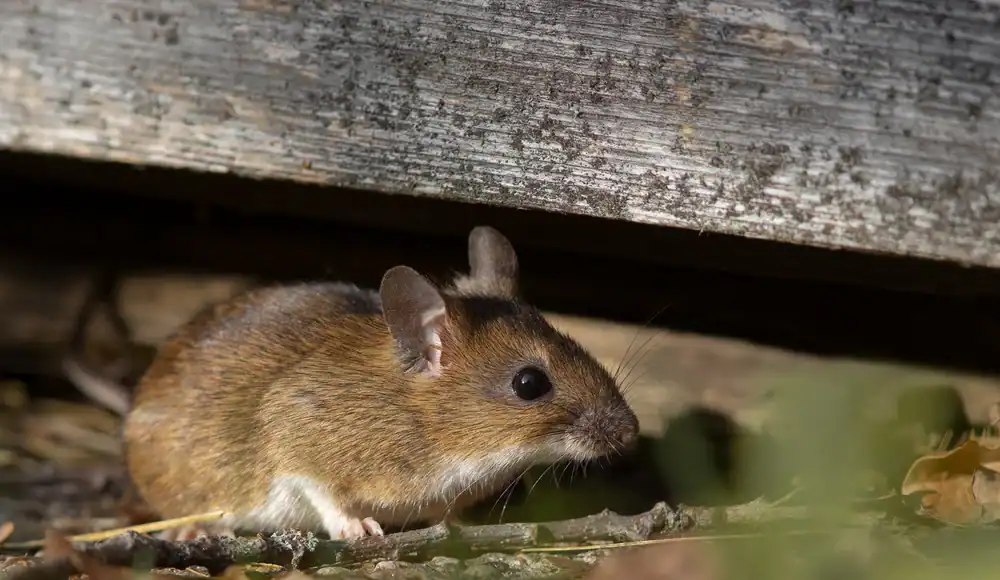

You sleep through the night again. You stop second-guessing whether that noise in the attic is something or nothing. And you stop worrying about what’s been sitting up there — in your insulation, near your wiring — for the past few weeks or months. That’s the practical outcome of getting this handled correctly, and it matters more than any sales pitch.
In Shady Hills, the rodent pressure is real and it’s specific. Homes bordering Crews Lake Wilderness Park and Jumping Gully Preserve sit right at the edge of active wildlife corridor territory. Roof rats use the mature tree canopy as a highway to your roofline. They’re not wandering in by accident — they’re following scent trails left by the last group that found a way inside your soffit or fascia. Without removing those trails, the cycle just repeats.
The other thing most homeowners don’t realize until it’s too late: contaminated attic insulation doesn’t just smell bad. In Florida’s summer heat, your HVAC pulls air through that space and circulates it through your home. Attic rodent decontamination in Shady Hills isn’t an optional add-on — it’s the step that actually makes your home livable again after an infestation. Get the rodents out, sanitize the trails, clean the attic, and seal the entry points. That’s the full picture.
We’re a family-owned business serving Pasco and Hernando County, including Shady Hills and the surrounding communities. There’s no call center, no rotating technicians, no salesperson running point. When you call, the owner picks up. When you need a quote, you get one on the phone — not after waiting three days for a scheduled consultation.
That model matters in a community like Shady Hills. People here make decisions based on trust, and trust gets built through real conversations, not automated booking portals. Over 100 five-star Google reviews and a BBB A+ rating back that up — not because they were chased down, but because the service actually delivered.
We hold active FDACS licensure through 2027, which you can verify directly through the Florida Department of Agriculture’s public portal. New homeowners and military families receive a direct discount — because this business is built around the same community it serves, not just operating inside it.
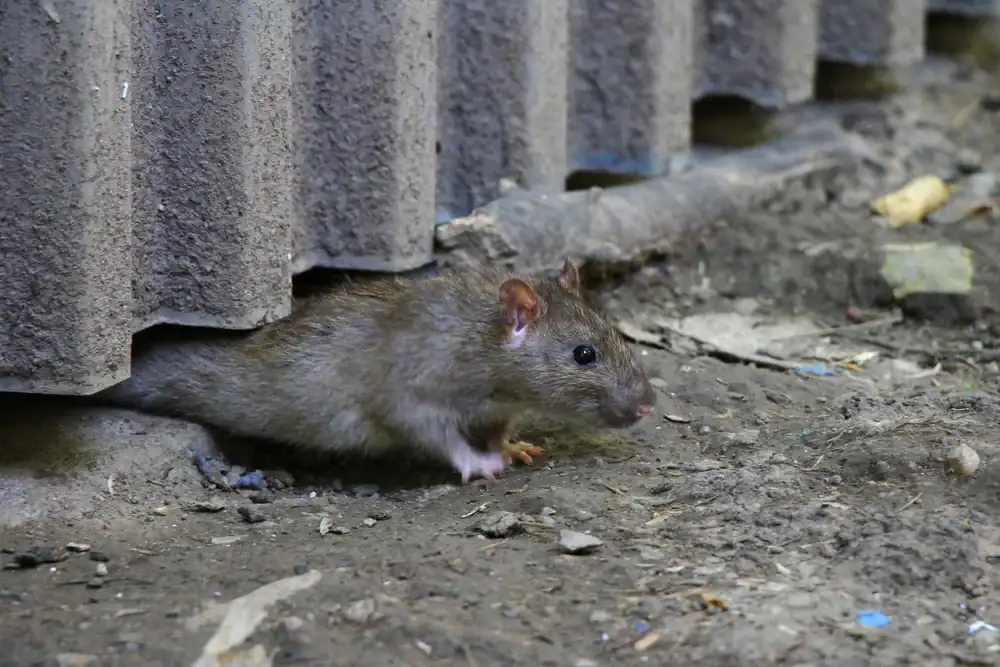
It starts with a thorough inspection. Every entry point gets identified — gaps in the soffit, deteriorating fascia, utility penetrations, crawl space access points. In Shady Hills, where a significant portion of the housing stock includes manufactured and mobile homes with exposed crawl spaces and older ventilation systems, this step isn’t quick. It’s detailed, and it has to be. A missed entry point is a future infestation.
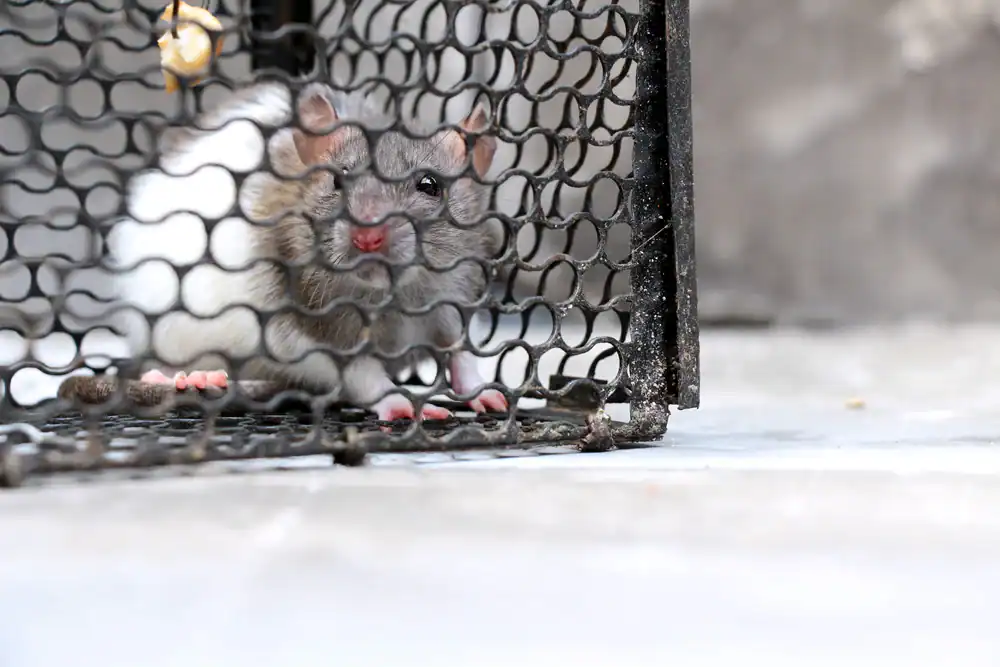
Once the inspection is complete, we place professional-grade mechanical traps in the attic, wall voids, and any other active areas. No rodenticide. No bait stations. The reason is straightforward — poisoned rodents often die inside wall cavities, creating odor problems that can last for weeks. And if you have dogs, cats, or other animals on your property, secondary poisoning is a documented risk that’s not worth taking. Trap-based rodent control in Shady Hills is the safer, more effective approach.
After removal, we perform scent trail sanitization. This is the step that most DIY attempts and some professional services skip entirely — and it’s why infestations come back. Roof rats follow chemical pathways. Without eliminating those trails, new rodents from the adjacent natural areas will find the same entry points the previous colony used. Attic decontamination follows if the infestation has been active long enough to compromise the insulation. You’ll also receive a clear map of every structural vulnerability we found — no pressure, no upsell, just the information you need to protect your home going forward.
Ready to get started?
Rodent control in Shady Hills covers the full scope — inspection, mechanical trapping, scent trail sanitization, attic rodent decontamination, and entry point documentation. Every step is there for a reason, and none of them are padded for the sake of a bigger invoice.
The inspection is property-specific. Manufactured and mobile homes common throughout Shady Hills have different structural vulnerabilities than newer site-built construction — exposed crawl spaces, aging soffits, and older fascia boards are primary entry vectors that a generic checklist won’t catch. Homes on agricultural-zoned parcels may also have outbuildings or storage structures that serve as secondary nesting sites, and those get assessed too. Pasco County doesn’t impose additional local permitting requirements beyond the state FDACS framework for standard rodent control and exclusion work, so there’s no bureaucratic delay — just the work itself.
Roof rats carry leptospirosis, murine typhus, salmonella, and other pathogens that become airborne health risks when contaminated insulation is disturbed or heated. Attic decontamination addresses that directly. The scent trail sanitization step addresses reinfestation risk from the continuous wildlife pressure that comes with living near Crews Lake and the Jumping Gully Preserve. And because Florida’s warm climate means roof rats breed year-round with no cold-weather slowdown, the entry point documentation you receive at the end isn’t just a courtesy — it’s the roadmap for making sure this doesn’t happen again next season.
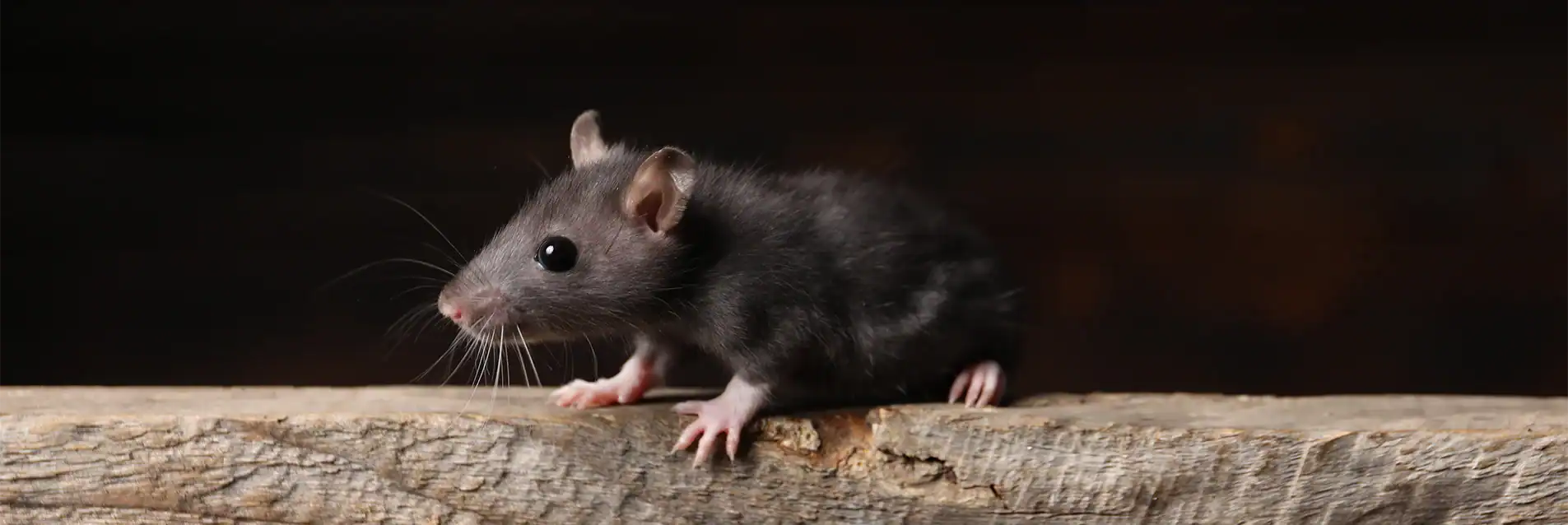
The short answer is location and housing. Shady Hills sits directly adjacent to Crews Lake Wilderness Park, Jumping Gully Preserve, and the headwaters of the Pithlachascotee River — active wildlife corridor territory where roof rats, mice, and other rodents live and forage year-round. The mature tree canopy throughout the community gives roof rats direct travel routes from wooded areas to residential rooflines, and Florida’s warm climate means there’s no seasonal population drop-off. They breed continuously, all twelve months of the year.
The housing stock adds another layer. A meaningful portion of Shady Hills homes are manufactured or mobile homes with exposed crawl spaces, older soffits, and ventilated attics — structural features that create multiple easy entry points that newer site-built construction typically doesn’t have. Homes on larger, wooded lots with outbuildings or agricultural-zoned parcels face additional pressure from secondary nesting sites on the property. It’s not a coincidence that rodent problems are common here. The conditions are genuinely favorable for them, which is exactly why a thorough inspection matters more in Shady Hills than almost anywhere else.
Yes, and the reason is specific. Rodenticide bait stations work by causing internal bleeding in rodents, and a poisoned rodent that dies inside your wall cavity creates two problems: a weeks-long odor issue and a secondary poisoning risk for any animal that eats the carcass. Dogs and cats that consume poisoned rodents can suffer the same anticoagulant effects — and in some cases, it’s fatal. For households in Shady Hills with large lots where dogs roam freely or cats hunt outdoors, this isn’t a theoretical concern.
Mechanical traps eliminate both problems. The rodent is removed quickly, there’s no toxin introduced into your home or yard, and there’s no risk to your pets, your neighbor’s pets, or the wildlife in the surrounding natural areas. We use professional-grade mechanical traps exclusively — not the hardware-store versions that miss more than they catch, but properly sized, correctly placed traps that account for the specific rodent species and infestation patterns common to this area. If you have animals on your property, trap-based rodent control in Shady Hills is the only method worth considering.
The most reliable evidence of rodent infestation in a Shady Hills home comes in a few consistent forms. Scratching or scurrying sounds in the attic or walls — especially at night, when roof rats are most active — is the most common first sign. Droppings near food sources, along baseboards, or in cabinet corners are another clear indicator. Gnaw marks on wiring, insulation, wood framing, or food packaging confirm active feeding activity. If you’re finding droppings in multiple locations, the infestation is already established, not exploratory.
Roof rats also leave grease marks along the travel routes they use repeatedly — dark smudges along walls, pipes, or rafters from the oils in their fur. In attics, you may notice disturbed or compressed insulation where nesting has occurred. One noise on one night could be a single animal that found temporary shelter, but repeated nighttime activity combined with any of the physical signs above means you’re dealing with an established colony. A professional inspection will tell you definitively what you’re dealing with, how severe it is, and where the entry points are — which is the only way to build a real plan for getting rid of them.
Attic decontamination involves removing or treating contaminated insulation, sanitizing surfaces where droppings and urine have accumulated, and applying an antimicrobial treatment to eliminate the pathogens and scent markers left behind. The scope depends on how long the infestation was active and how much of the insulation was compromised. In cases where roof rats have been nesting in an attic for multiple seasons, the insulation may need to be fully removed and replaced — not just treated.
Whether you need it depends on what the inspection finds. If the infestation was recent and limited to a small area, targeted sanitization may be sufficient. If it’s been active for a while — which is common in Shady Hills homes where the signs were gradual enough to go unnoticed for months — more comprehensive decontamination is the right call. The health argument is straightforward: roof rats carry leptospirosis, murine typhus, and salmonella, and contaminated insulation releases those pathogens as airborne particles when disturbed or heated. In a Florida attic that can reach 140°F in summer, your HVAC system becomes the delivery mechanism. Decontamination isn’t about appearances — it’s about what’s circulating through your home’s air every day.
They can — but only if the treatment stops at removal. The reason infestations recur isn’t because the same rodents come back. It’s because roof rats from the surrounding natural areas follow scent trails left by the previous colony. Those chemical pathways persist in your walls, attic, and around entry points long after the rodents themselves are gone. Any new rat probing the exterior of your home will detect those trails and follow them directly to the same gaps the last group used.
Scent trail sanitization breaks that cycle. It eliminates the chemical signals that guide new rodents to your home’s vulnerabilities. Entry point documentation gives you the information you need to physically close those gaps — whether through your own repairs or a contractor. Living near Crews Lake and the Jumping Gully Preserve means the wildlife pressure on your property is persistent and year-round, so the goal isn’t just to remove the current infestation. It’s to make your home a dead end for the next wave. That requires sanitization, documentation, and ideally some structural follow-through on the entry points we identify during inspection. Without those steps, retreatment is likely. With them, it’s not.
Yes. We offer direct discounts for new homeowners and military families — and in Shady Hills, both groups come up regularly. New homeowners moving into the area often have no idea what the previous occupants dealt with, and a home that’s been sitting vacant or recently changed hands is exactly the kind of property that attracts rodents looking for undisturbed nesting space. Getting an inspection early — before a small problem becomes an established colony — is the smartest thing a new homeowner can do, and the discount reflects that.
For military families, the discount is a straightforward acknowledgment of the community we operate in and the people we serve. Pasco County has a meaningful military-connected population, and we’ve always extended that recognition in a practical way. If either situation applies to you, just mention it when you call. The owner answers directly, quotes are given over the phone for most jobs, and there’s no pressure or obligation attached to the conversation. It’s a real discount applied at booking — nothing complicated about it.
Other Services we provide in Shady Hills