
Fast, reliable pest control from Hernando County’s most trusted family-owned team—with most quotes given over the phone.
Contact Info
Fast, reliable pest control from Hernando County’s most trusted family-owned team—with most quotes given over the phone.
Contact Info
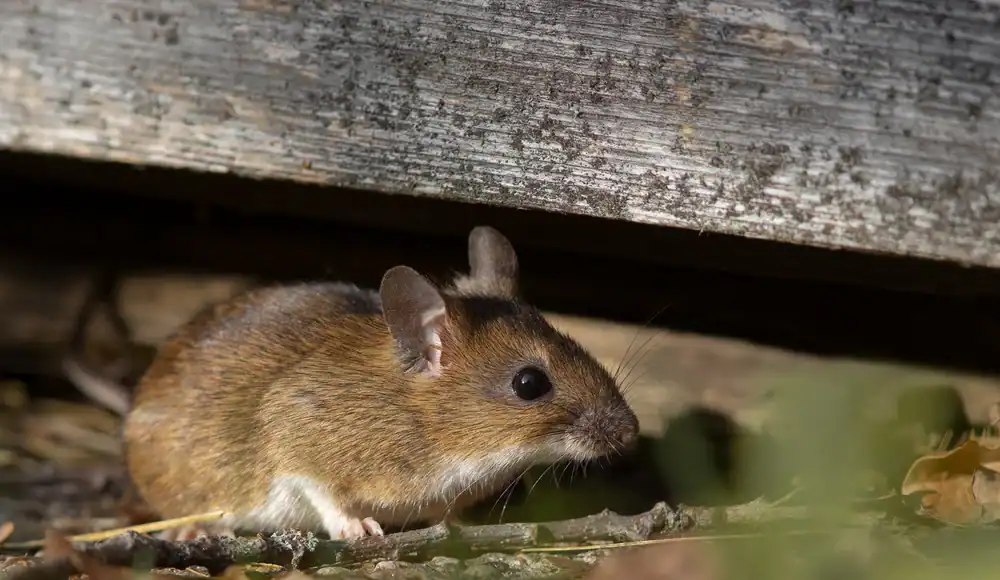

The scratching stops. That’s the obvious part. But what most Spring Lake homeowners don’t realize until after the job is done is how much was quietly happening behind the walls — chewed wiring in aging insulation, contaminated attic material being pulled through the HVAC every time the system kicks on, entry points that have been open for months or longer. Once those are addressed, the difference is real and immediate.
Homes in the 34602 zip code tend to be older, with the kind of wood soffits, worn fascia, and mature tree canopy that give roof rats everything they need to move in. Add the fact that Spring Lake sits at the edge of more than 20,000 acres of managed wildlife habitat, and you’re not dealing with a random infestation — you’re dealing with consistent pressure from a permanent wildlife corridor. Solving it means closing that door completely, not just catching what’s already inside.
The other thing that changes is the air quality in your home. Rodent waste in attic insulation doesn’t stay in the attic — it circulates. After a full removal and attic decontamination, homeowners consistently notice the difference. That’s real protection for your family, especially in a Florida summer when your system runs constantly.
Around The Clock Pest Service is a family-owned business serving Hernando County and the surrounding area — including Spring Lake and the rural communities along the Spring Lake Highway corridor that larger companies either overlook or hand off to a rotating technician. That’s not how we work. When you call, the owner picks up. When you need a quote, you get one over the phone — no waiting for a salesperson to schedule a visit just to tell you a number.
Our credentials are real and verifiable: FDACS licensed through 2027 under Chapter 482 of Florida Statutes, BBB A+ rated, and backed by over 100 five-star Google reviews from Hernando and Pasco County homeowners. We offer special discounts for military families and new homeowners — just ask when you call.
We built this business on the idea that people in communities like Spring Lake deserve straight answers and reliable follow-through. That’s the standard, every time.
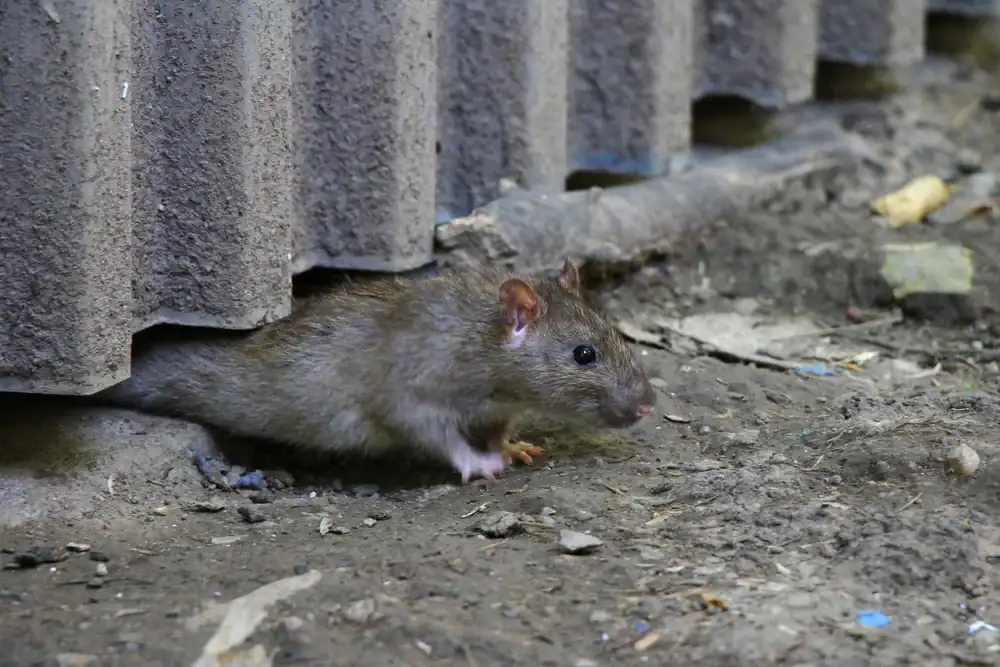
It starts with a thorough inspection — attic, crawl spaces, wall voids, and the full exterior of the home. In Spring Lake, where older construction is common and properties often include outbuildings, dense vegetation, and mature trees that overhang rooflines, that inspection covers more ground than most homeowners expect. Every potential entry point gets documented. Every sign of active activity gets noted. You’ll know exactly what you’re dealing with before anything else happens.
From there, we place professional-grade mechanical traps — not rodenticide bait. This matters on rural properties where dogs, outdoor cats, chickens, or other animals are part of daily life. Poison bait creates secondary poisoning risk that mechanical traps simply don’t. Trapping continues until activity stops, and the timeline depends on the size of the colony — a typical roof rat family group in a Florida attic runs anywhere from five to fifteen animals.
Once the population is cleared, the work that most companies skip begins: scent trail sanitization and attic decontamination. Rodents navigate by scent, and if those trails aren’t eliminated, new animals follow the same paths back in. All pest control work is performed under Florida FDACS licensure — no permits are required from the homeowner’s side for professional services in unincorporated Hernando County. The final step is a full entry point report so you know exactly where the vulnerabilities are and what needs to be addressed structurally.
Ready to get started?
Rodent control in Spring Lake, FL covers the complete scope — inspection, mechanical trapping, scent trail sanitization, attic decontamination, and a documented entry point report. What it doesn’t include is rodenticide bait, because the secondary poisoning risk isn’t worth it, especially on rural properties with animals. Mechanical traps are safer, more targeted, and don’t leave you with a decomposing rodent inside a wall cavity two weeks later.
The attic decontamination piece is worth understanding on its own. Roof rats leave behind droppings, urine, and nesting material that contaminate insulation and create an ongoing air quality issue — one that gets significantly worse in Florida summers when attic temperatures spike and your HVAC runs constantly. Decontaminating that space isn’t optional cleanup. It’s the step that protects your family’s health after the animals are gone.
For Spring Lake homeowners dealing with the specific pressure of living near the Withlacoochee State Forest and Croom Wildlife Management Area, the entry point documentation is especially important. Closing the current infestation without identifying what let them in means the problem comes back. Every inspection includes a full written record of vulnerabilities found — soffits, roof vents, utility penetrations, and any other access point identified — so nothing is left unaddressed.
The Croom Wildlife Management Area covers more than 20,000 acres of Withlacoochee River habitat in Hernando and Sumter counties, and Spring Lake sits at its edge. That proximity means your home is part of the wildlife corridor — not separate from it. Roof rats, squirrels, and other species that thrive in that forest environment don’t stop moving when they reach a residential street. They follow food sources, scent trails, and structural warmth into attics and wall cavities year-round.
What makes this different from a typical suburban infestation is the consistency of the pressure. There’s no off-season here. Florida’s climate already prevents the population die-off that northern states experience in winter, and the forest edge adds a permanent reservoir of wildlife that replenishes any population you remove if entry points aren’t closed. That’s why the entry point documentation at the end of every service isn’t just a nice-to-have — for Spring Lake homeowners specifically, it’s the step that determines whether the problem stays solved.
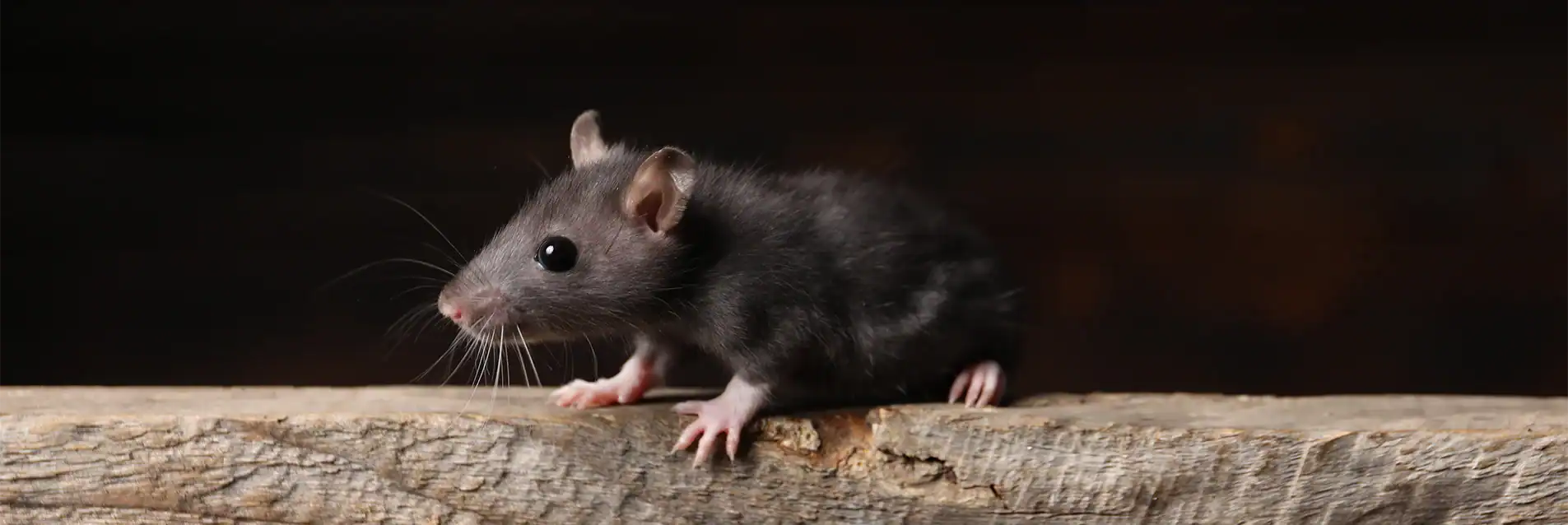
In Spring Lake and throughout eastern Hernando County, the overwhelming majority of residential rodent infestations involve roof rats — not mice and not Norway rats. Roof rats are climbers. They prefer elevated spaces: attics, wall cavities, roof eaves, and the dense vegetation and tree canopy that are common on rural properties in this area. If the scratching sounds you’re hearing come from above — the ceiling, the attic, or high on the walls — roof rats are the most likely culprit.
Mice tend to stay low, near food sources, in kitchen cabinets, pantries, and along baseboards. Norway rats are burrowers that prefer ground-level entry near foundations and crawl spaces. Each species leaves different signs: roof rats produce dark, spindle-shaped droppings about half an inch long; mice leave smaller, more scattered droppings; Norway rats leave larger, blunter droppings near burrow entrances. A thorough inspection will confirm which species you’re dealing with and determine the appropriate trapping approach before anything is placed.
Yes — specifically because we use mechanical traps rather than rodenticide bait. This distinction matters on rural properties in Spring Lake where dogs, outdoor cats, chickens, or other animals are part of the household. Rodenticide bait creates a secondary poisoning risk: a pet or wildlife animal that eats a poisoned rodent can be seriously harmed or killed. It’s a documented risk, not a theoretical one, and it’s the main reason we built this service entirely around mechanical trapping.
Traps are placed in locations that are inaccessible to pets — inside attic spaces, within wall voids, and in other areas where rodent activity is confirmed. The placement strategy is deliberate and accounts for the layout of each property. If you have specific concerns about animals on your property, that’s worth mentioning when you call so the inspection and trap placement can be planned accordingly. Getting a quote over the phone also gives you the chance to ask those questions before anyone sets foot on your property.
The timeline depends on the size of the colony and how long the infestation has been active. A typical roof rat family group in a Florida attic runs between five and fifteen animals. Trapping an established colony usually takes one to two weeks of active trapping, with follow-up checks to confirm activity has stopped before moving to the sanitization and decontamination phase.
Homes in the 34602 zip code that have older construction — wood soffits, aging roof vents, mature tree canopy close to the roofline — often have infestations that have been building longer than the homeowner realized. Roof rats are quiet enough that many residents don’t notice activity until the colony is already well established. That doesn’t make the job harder, but it does mean the trapping phase may run toward the longer end of the range. The inspection at the start of the process gives you a realistic picture of what you’re dealing with so there are no surprises on timeline or scope.
If roof rats have been active in your attic, decontamination isn’t optional — it’s the step that addresses what’s left behind after the animals are removed. Rodents leave droppings, urine, and nesting material embedded in attic insulation. In Florida’s heat, that contaminated material becomes a source of airborne bacteria and allergens that your HVAC system pulls into your living space every time it runs. The health risk doesn’t disappear when the rodents do.
Decontamination involves sanitizing the affected areas, treating for pathogens, and in cases of heavy contamination, removing and replacing compromised insulation. The scope depends on how long the infestation was active and how much of the attic was affected. During the inspection, we assess the condition of the insulation and give you a clear picture of what the decontamination involves before any work begins. For Spring Lake homeowners with older homes and attics that may not have been inspected in years, this assessment alone often reveals conditions that have been developing quietly for a long time.
Yes — we offer discounts for military families and new homeowners, and they apply in Spring Lake the same way they do across the rest of our service area. Eastern Hernando County has a meaningful number of residents with military backgrounds and a steady flow of buyers entering the housing market in the 34602 zip code. Both groups tend to be making practical, value-conscious decisions about who they trust to work on their home — and both groups often inherit rodent issues that the previous occupants either didn’t disclose or didn’t know about.
If you’ve recently purchased a home in Spring Lake and you’re already hearing sounds in the attic or finding evidence of activity, that’s worth addressing early. A new infestation caught before it’s established is significantly easier to resolve than one that’s been building for a season or two. Ask about the discount when you call — the owner answers directly, quotes are given over the phone, and there’s no pressure or obligation attached to the conversation.
Other Services we provide in Spring Lake